

Cart

Your cart is empty

Continue shopping

Trending searches

Featured products

Hormonic Base - Hormonic - Nahrungsergänzungsmittel
Sale price€65,00
(5.0)
Midlife Formula - Hormonic - Nahrungsergänzungsmittel
Sale price€75,00
(5.0)
Bockshornklee: Wirkung auf Blutzucker und Stoffwechsel - Hormonic
StoffwechselJun 26, 202611 min read

Fenugreek: Effect on Blood Sugar and Metabolism

This article is part of: Metabolism, Hormones, and Weight: The Complete Guide for Women
Key takeaways
  • Fenugreek primarily works through soluble fiber and the active compound 4-hydroxyisoleucine, which can support insulin secretion.
  • Several RCT meta-analyses show a significant reduction in fasting blood sugar, long-term blood sugar (HbA1c), and post-meal glucose.
  • The strongest evidence lies in the areas of blood sugar and insulin. Direct weight loss effects are less clearly substantiated.
  • Common in studies: 5 to 10 g of seed powder or standardized extracts with defined active ingredient content per day.
  • Side effects are usually mild (gastrointestinal, a maple-like body odor). Higher amounts are not recommended during pregnancy.
Brief explanation

Fenugreek (Trigonella foenum-graecum) is a spice and a medicinal plant. Its seeds contain soluble fiber, saponins, and the active ingredient 4-hydroxyisoleucine, which are primarily studied in relation to blood sugar and insulin.

Fenugreek is a classic in the kitchen and a perennial favorite in naturopathy. But what effects are scientifically proven? We examine the current state of research, especially concerning blood sugar and metabolism, and honestly assess what fenugreek can and cannot do.

What is Fenugreek?

Fenugreek is an annual plant from the legume family and has been used for thousands of years as both a spice and a medicinal remedy. The small, golden-brown seeds are primarily used, which have a characteristic tart and spicy flavor.

The ingredients of the seeds are particularly interesting for metabolism. We will look at these next.
Did you know?

The diosgenin contained in fenugreek is not only of interest for glucose metabolism. It is a plant-based precursor compound that structurally resembles the body's own hormones, which is why fenugreek is also being investigated in research in connection with hormone balance. However, the data available for a concrete hormonal effect in humans is still limited.

What is in fenugreek?

The effect of fenugreek is not due to a single substance, but to an interaction of several ingredientsin the seeds. Three are particularly relevant for metabolism:

  • 4-Hydroxyisoleucine: a rare amino acid that, in studies, stimulates glucose-dependent insulin secretion, i.e., precisely when blood sugar rises.
  • Soluble fiber (galactomannans): These slow down the absorption of carbohydrates in the intestine, thereby dampening the rise in blood sugar after eating.
  • Saponins and diosgenin: plant compounds that are linked to fat and glucose metabolism in research.

This interplay explains why fenugreek is primarily investigated in research concerning blood sugar and insulin sensitivity, and not as a pure weight loss agent.

Fenugreek effects: What do the studies say?

The most robust evidence comes from meta-analyses of randomized, placebo-controlled studies focusing on blood sugar.

  • A recent meta-analysis by Chehregosha et al. (2025) with 26 RCTs found a significant reduction in fasting blood sugar by approximately 17 mg/dl, in long-term blood sugar HbA1c, and an improvement in insulin levels.
  • An earlier analysis by Neelakantan et al. (2014) with ten studies also observed a significant reduction in fasting and post-meal blood sugar.
  • Important for context: The marker for insulin resistance (HOMA-IR) improved only moderately and not statistically significantly in individual analyses, although it is unclear whether this was due to methodological weaknesses of the studies. According to current research, the effects primarily concern blood sugar directly.

An honest assessment: Most participants had elevated blood sugar levels, as is typical, for example, in PCOS or type 2 diabetes. For healthy, normal-weight women, the current research is still somewhat scarcer, albeit promising. Fenugreek is not a diabetes medication and does not replace medical treatment.

Why blood sugar is so important for women

Fluctuating blood sugar is not just a matter of energy and cravings. In many women, especially those with PCOS, insulin resistance plays a central role: the body releases more insulin, which in turn can affect hormone balance and fat metabolism.

This is precisely where the interest in fenugreek comes in. By dampening the rise in blood sugar after eating and supporting glucose-dependent insulin secretion, it targets an area particularly relevant for female metabolism. This is not a promise of a cure, but a comprehensible reason why this plant substance is increasingly being investigated in women's health.

Fenugreek and hormones: What's the truth?

Fenugreek is often associated with hormone balance, with testosterone in men and the cycle in women. The background is the diosgenin it contains, a plant compound that structurally resembles the body's own steroid hormones.

Honesty is important here: individual smaller studies suggest effects, but the human data is still more limited. The evidence is currently insufficient for a reliable general statement on hormonal effects. The well-documented aspect of fenugreek remains its effect on blood sugar, not its hormonal effect.

Comparison

Tea, Powder or Extract: What's worth it?

Tea: A pleasant ritual, but with low and fluctuating active ingredient content. More for the taste than for a measurable effect.

Seed powder: Natural and inexpensive, but with an intense taste and a highly fluctuating content of 4-hydroxyisoleucine. Large quantities are needed.

Standardized extract: Defined active ingredient content, smaller dose, comparable to study data. This form is used in well-thought-out formulas like the Shape Formula and combined with other metabolism-boosting active ingredients.

Practical tip: Pay less attention to the dosage form in marketing and more to whether the content of the relevant ingredients is transparently stated.

Fenugreek plus: the Shape Formula

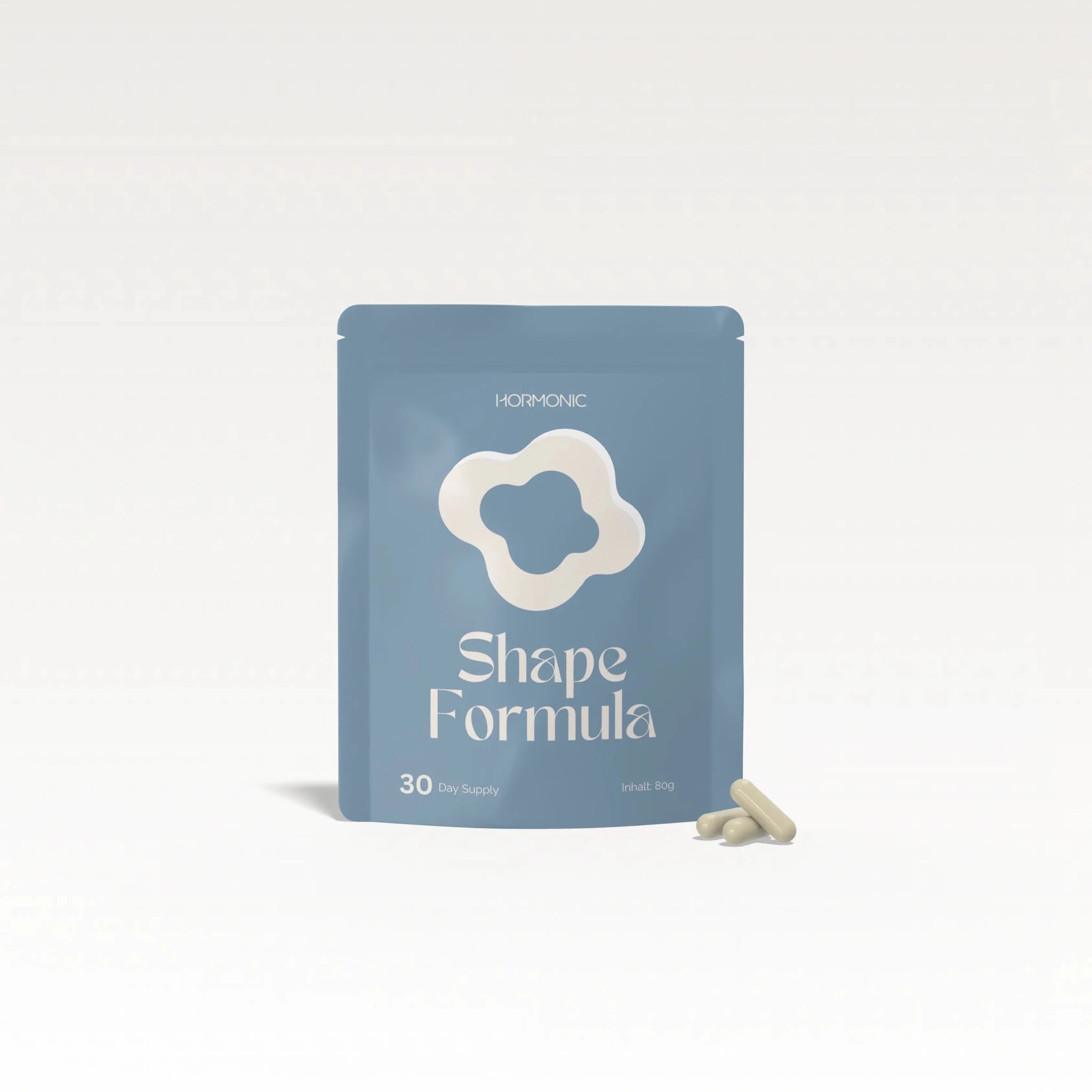
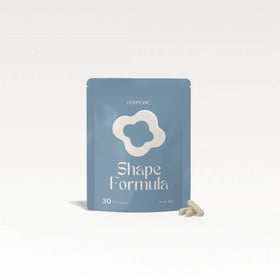
Fenugreek is most beneficial where blood sugar plays a role, such as in insulin resistance or PCOS. The Hormonic Shape Formula combines standardized fenugreek with chromium, cinnamon, and alpha-lipoic acid, all of which target blood sugar and energy metabolism. Black pepper with piperine improves the absorption of the plant-based active ingredients. Transparently dosed, without proprietary blends, tailored for the female body.

€75,00

Discover Shape Formula

Fenugreek and Weight Loss: What's the truth?

Many people specifically seek out fenugreek for weight loss. It's important to be honest here: direct, strong weight loss effects are less well-documented than its blood sugar effects. The plausible connection is indirect: more stable blood sugar and a dampened rise after meals can reduce cravings, and soluble fiber promotes a longer feeling of fullness.

This is a sensible mechanism, but not a guarantee of weight loss. Fenugreek is most effective as a supportive building block, not as a standalone weight loss aid.

Fenugreek Tea, Powder, or Capsules?

Fenugreek is available in very different forms, and they are not all equal:

  • Tea: mild and pleasant as a ritual, but the active ingredient content is low and difficult to standardize. Rather unsuitable for a measurable metabolic effect.
  • Seed powder: contains the whole seeds, but has an intense taste and varies in active ingredient content from batch to batch. Studies often used large amounts of 5 to 10 g per day.
  • Standardized extract: here, the content of 4-hydroxyisoleucine is defined, the dose is smaller, and it is more comparable to study results. This form is preferred in well-thought-out formulas.

Those looking for a reliable effect usually fare better with a standardized extract than with tea or loose powder.

Dosage, Intake, and How Long?

Studies typically used 5 to 10 g of seed powder per day or corresponding standardized extracts, often divided and taken with meals, because fenugreek directly intervenes in the rise in blood sugar after eating.

A common question is how long fenugreek should be taken. Since it's not about an acute effect but about supporting metabolism over time, most studies show effects over several weeks to months. Regular intake is therefore more sensible than a short course.

Fenugreek Experiences: What do users report?

User reports consistently mention similar points: a perceived more balanced appetite, fewer sugar cravings, and a more pleasant feeling after carbohydrate-rich meals. Such reports are subjective and do not replace studies, but they align with what the blood sugar mechanism would suggest.

Also frequently mentioned: the acquired taste of tea and powder, which is why many switch to capsules or extracts.

Side Effects and Safety

Side effects are usually mild:

  • Gastrointestinal complaints such as bloating or diarrhea, especially at the beginning and with higher amounts.
  • A characteristic, slightly maple-like odor in sweat or urine, which is harmless.
  • Interactions with blood sugar-lowering medications are possible, as the effects can be additive.

You should consult a doctor about taking it if you are on blood sugar-lowering medication. In pregnancy, higher, therapeutic amounts are not recommended, as fenugreek can affect the uterus. Do not exceed the recommended daily dose of the respective product. You can herebook a free video call with a doctor at any time to ask all your questions about intake or other concerns.

Weight plateau, constant cravings? Let's figure it out.

Whether fenugreek or another approach is right for you depends on your situation and symptoms. Take the metabolism quiz now and find out what really makes sense for you.

To the Metabolism Quiz

Conclusion

Fenugreek is more than just a kitchen spice. Its effect on blood sugar is among the best-substantiated effects of plant-based substances: Several meta-analyses show a genuine reduction in fasting blood sugar and HbA1c, primarily driven by 4-hydroxyisoleucine and soluble fiber.

For weight loss, the evidence is more indirect and not quite as strong. Fenugreek is most valuable where blood sugar and cravings play a role, serving as an exciting component alongside diet and exercise. Those taking blood-sugar-lowering medications should consult their doctor before use.

Frequently Asked Questions about Fenugreek

What are the effects of fenugreek?

The best-documented effect of fenugreek concerns blood sugar. Several RCT meta-analyses show a reduction in fasting blood sugar and HbA1c, primarily driven by 4-hydroxyisoleucine and soluble fiber. Direct weight loss effects or a hormonal effect in humans are less clearly documented.

Does fenugreek help with weight loss?

Direct weight loss effects are less well documented than the blood sugar impact. An indirect route is plausible: more stable blood sugar and soluble fiber can reduce cravings and promote satiety for longer. Fenugreek is therefore a possible supportive component, but not a standalone weight loss agent.

Wie wird Bockshornklee dosiert?
In Studien wurden meist 5 bis 10 g Samenpulver pro Tag oder standardisierte Extrakte mit definiertem Wirkstoffgehalt eingesetzt. Standardisierte Extrakte sind besser vergleichbar, weil der Gehalt an 4-Hydroxyisoleucin klar definiert ist. Halte dich an die Angabe des jeweiligen Produkts.
Welche Nebenwirkungen hat Bockshornklee?
Nebenwirkungen sind meist mild: Magen-Darm-Beschwerden wie Blähungen oder Durchfall, vor allem zu Beginn, sowie ein harmloser, leicht ahornartiger Körpergeruch. Wer blutzuckersenkende Medikamente nimmt, sollte die Einnahme ärztlich abklären. In der Schwangerschaft wird von höheren, therapeutischen Mengen abgeraten.

Scientific Sources

  • Chehregosha F, et al. The effects of fenugreek (Trigonella foenum-graecum) seed on glycemic parameters: An updated systematic review and meta-analysis of randomized controlled trials. Avicenna J Phytomed. 2025. doi:10.22038/ajp.2025.26043
  • Neelakantan N, et al. Effect of fenugreek (Trigonella foenum-graecum L.) intake on glycemia: a meta-analysis of clinical trials. Nutr J. 2014;13:7. doi:10.1186/1475-2891-13-7
  • Gong J, et al. Effect of fenugreek on hyperglycaemia and hyperlipidemia in diabetes and prediabetes: A meta-analysis. J Ethnopharmacol. 2016;194:260-268. doi:10.1016/j.jep.2016.08.003
  • Avalos-Soriano A, et al. 4-Hydroxyisoleucine from Fenugreek (Trigonella foenum-graecum): Effects on Insulin Resistance Associated with Obesity. Molecules. 2016;21(11):1596. doi:10.3390/molecules21111596
  • Yu Z, et al. The Effect of Fenugreek in Type 2 Diabetes and Prediabetes: A Systematic Review and Meta-Analysis of Randomized Controlled Trials. Evid Based Complement Alternat Med. 2023. doi:10.1155/2023/9991242

About the Author

Amelie Weiss

Amelie Weiss

Research Fellow, PhD · Hormonic

Amelie Weiss is a Research Fellow at Hormonic and conducts scientific research on hormonal health, micronutrients, and evidence-based women's health.

Note: This article is based on current guidelines and scientific work (as of 2026). It is for informational purposes only and does not replace medical advice, diagnosis, or treatment.

Share

You might also be interested in this.

L-Carnitin: Wirkung, Abnehmen und was Studien zeigen - Hormonic
MikronährstoffeJun 25, 20268 min read
L-Carnitine: Effects, Weight Loss, and What Studies Show

L-Carnitine transports fatty acids into the mitochondria for energy production. What studies on weight loss and fat metabolism show, how to dose it, and for whom it is useful.

Alpha-Liponsäure: Wirkung auf den Stoffwechsel - Hormonic
StoffwechselJun 24, 20268 min read
Alpha-lipoic acid: Impact on metabolism

Alpha-lipoic acid activates the energy sensor AMPK and can support insulin sensitivity and fat metabolism. What studies show, how to dose it, and for whom it is beneficial.

Blutzucker-Spikes: Wie schlecht sind sie wirklich? - Hormonic
StoffwechselJun 4, 20268 min read
Blood Sugar Spikes: How Bad Are They Really?

How harmful are blood sugar spikes in healthy women really, and do you need a CGM? An honest, evidence-based look behind the glucose hype, including cycle and menopause effects.