

Cart

Your cart is empty

Continue shopping

Trending searches

Featured products

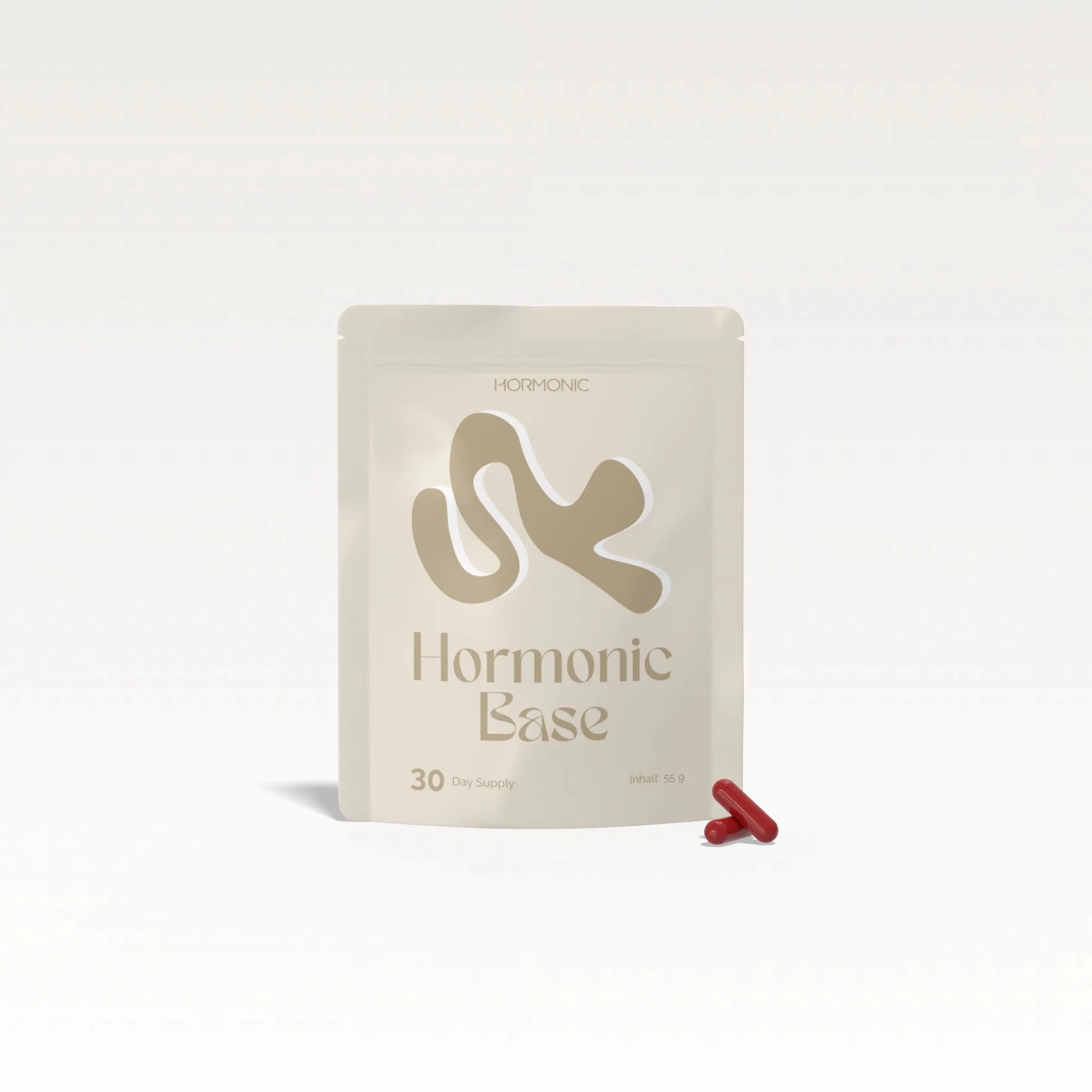
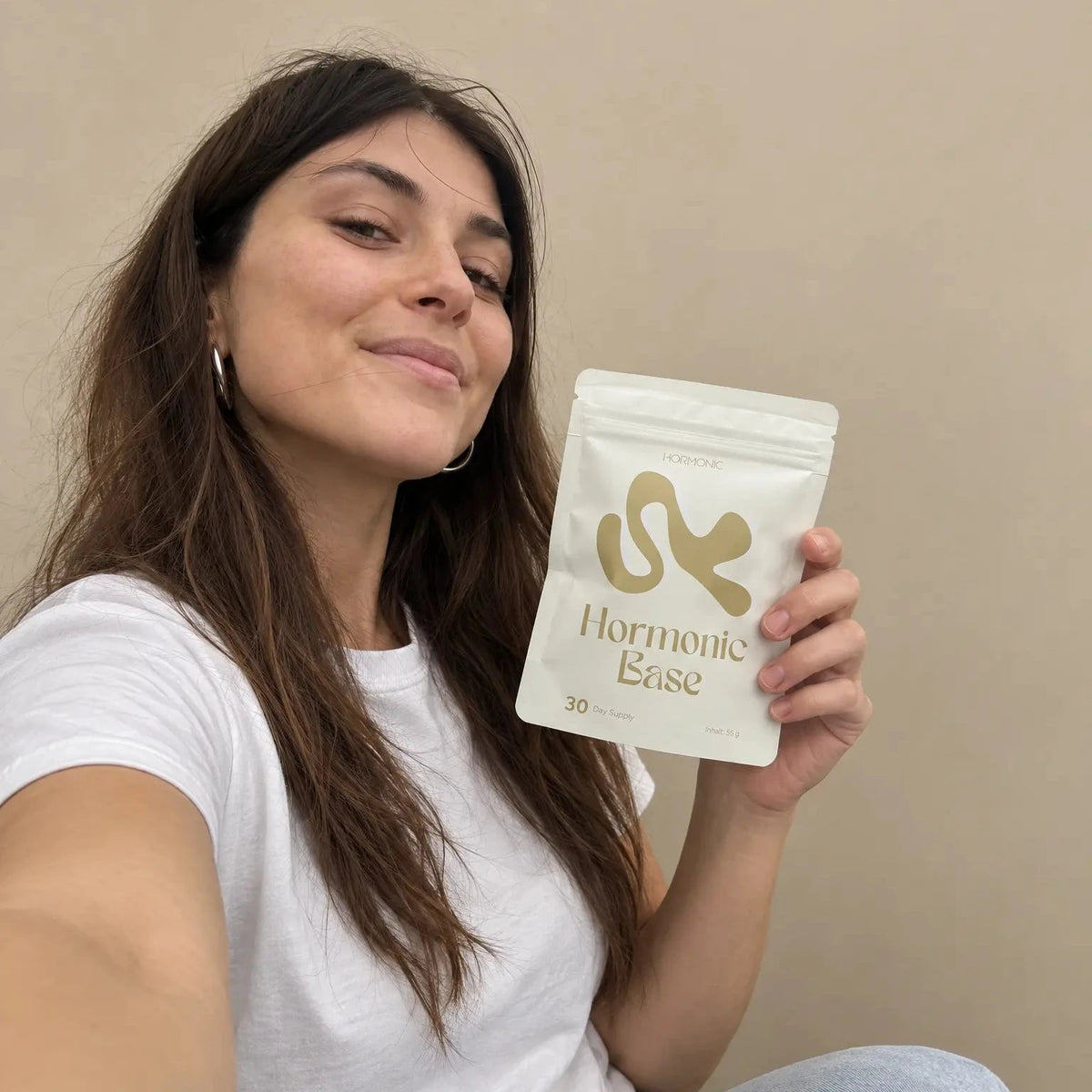
Hormonic Base - Hormonic - Nahrungsergänzungsmittel
Sale price€65,00
(5.0)
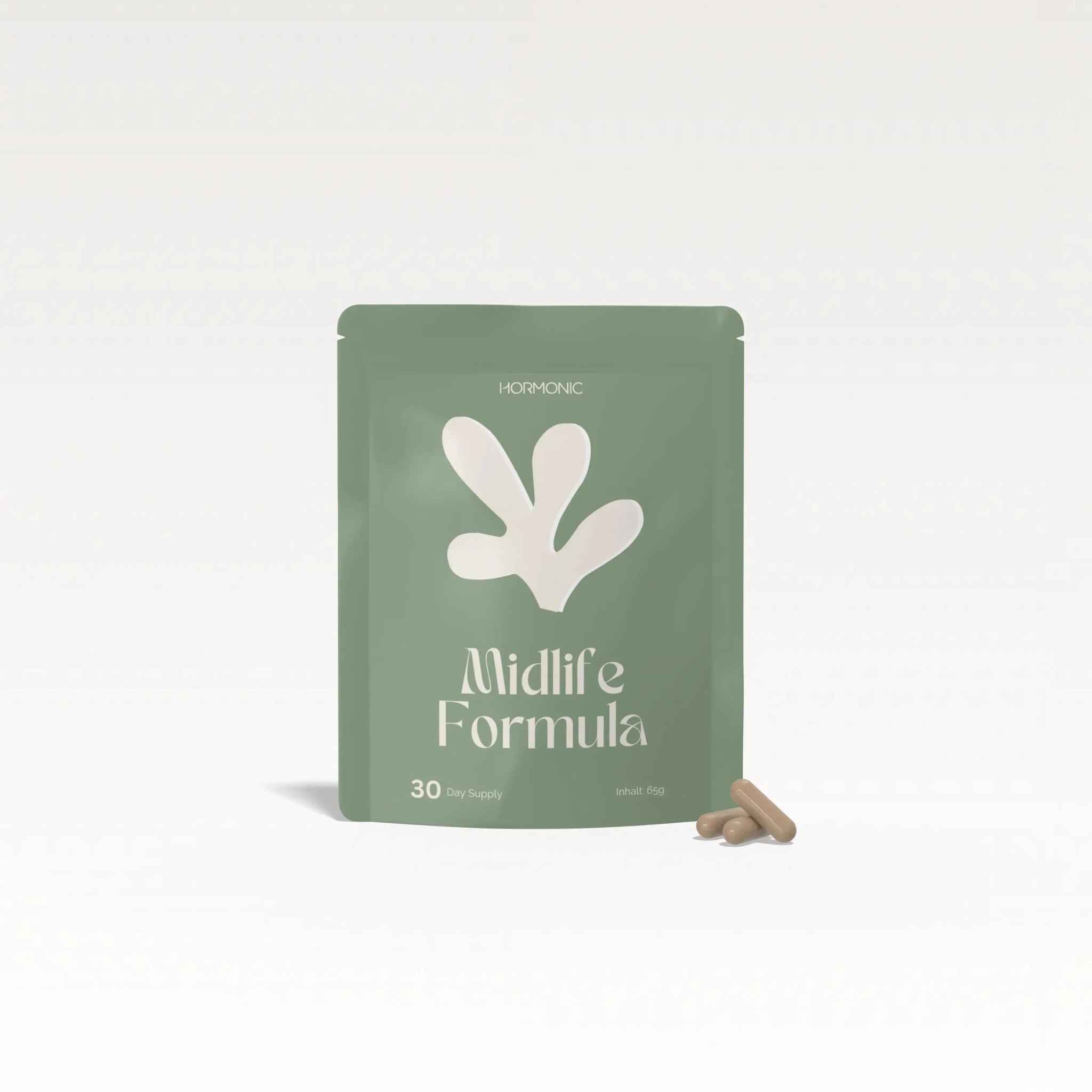
Midlife Formula - Hormonic - Nahrungsergänzungsmittel
Sale price€75,00
(5.0)
Alpha-Liponsäure: Wirkung auf den Stoffwechsel - Hormonic
StoffwechselJun 24, 20268 min read

Alpha-lipoic acid: Impact on metabolism

This article is part of: Metabolism, Hormones, and Weight: The Complete Guide for Women

Alpha-lipoic acid appears in almost every metabolism supplement, but hardly anyone explains what it actually does. The short answer: It addresses a central energy sensor in your cells. We'll examine what is scientifically proven and what is not.

Brief explanation

Alpha-lipoic acid (also known as thioctic acid or ALA) is an endogenous, sulfur-containing compound. It acts in the mitochondria as a cofactor for energy production and simultaneously as an antioxidant that is active in both water-soluble and fat-soluble environments.

You've probably seen alpha-lipoic acid on the label of some metabolic supplement. But what it really does in the body usually remains unclear. Let's look at what the research actually shows, honestly and without promises.

What exactly is alpha-lipoic acid?

Alpha-lipoic acid is a naturally occurring compound that your body produces in small amounts. In the mitochondria, the powerhouses of your cells, it acts as a cofactor to help convert nutrients into energy. In foods, it is found in spinach, broccoli, tomatoes, and organ meats, among others, but in significantly smaller amounts than those used in studies. It becomes particularly interesting for metabolism due to a well-researched mechanism. We will take a closer look at this next.
Did you know?

In Germany, alpha-lipoic acid is approved as a drug for the treatment of symptoms associated with diabetic neuropathy. This shows how seriously research takes this compound in the context of metabolism, even though this is a different area of application than dietary supplements.

What happens in the body?

The best-studied mechanism is via AMP-activated protein kinase, or AMPK. This is a sensor that is activated when energy becomes scarce in the cell. When AMPK is activated, the cell switches to a mode in which it gains energy instead of storing it.

Specifically, studies observed three effects:

  • Glucose uptake: AMPK promotes the translocation of GLUT4 transporters to the cell surface, allowing muscle cells to absorb more sugar from the blood.
  • Fat burning: Activated AMPK increases fatty acid oxidation and can reduce fat storage in the muscle.
  • Appetite signal: In the hypothalamus, alpha-lipoic acid influences AMPK activity, which in animal models was associated with reduced food intake.

Lee et al. (2005) showed in an animal and cell study that alpha-lipoic acid increases insulin sensitivity via the activation of AMPK in skeletal muscle.

Comparison

R-form vs. S-form at a glance

R-form: natural, body's own, considered biologically active. Preferred when separately specified.

S-form: synthetic, arises during manufacturing. Contained as a 50/50 mixture in many standard preparations.

Practical tip: Focus less on marketing terms and more on a clearly stated dose per capsule.

Natural boost for your metabolism

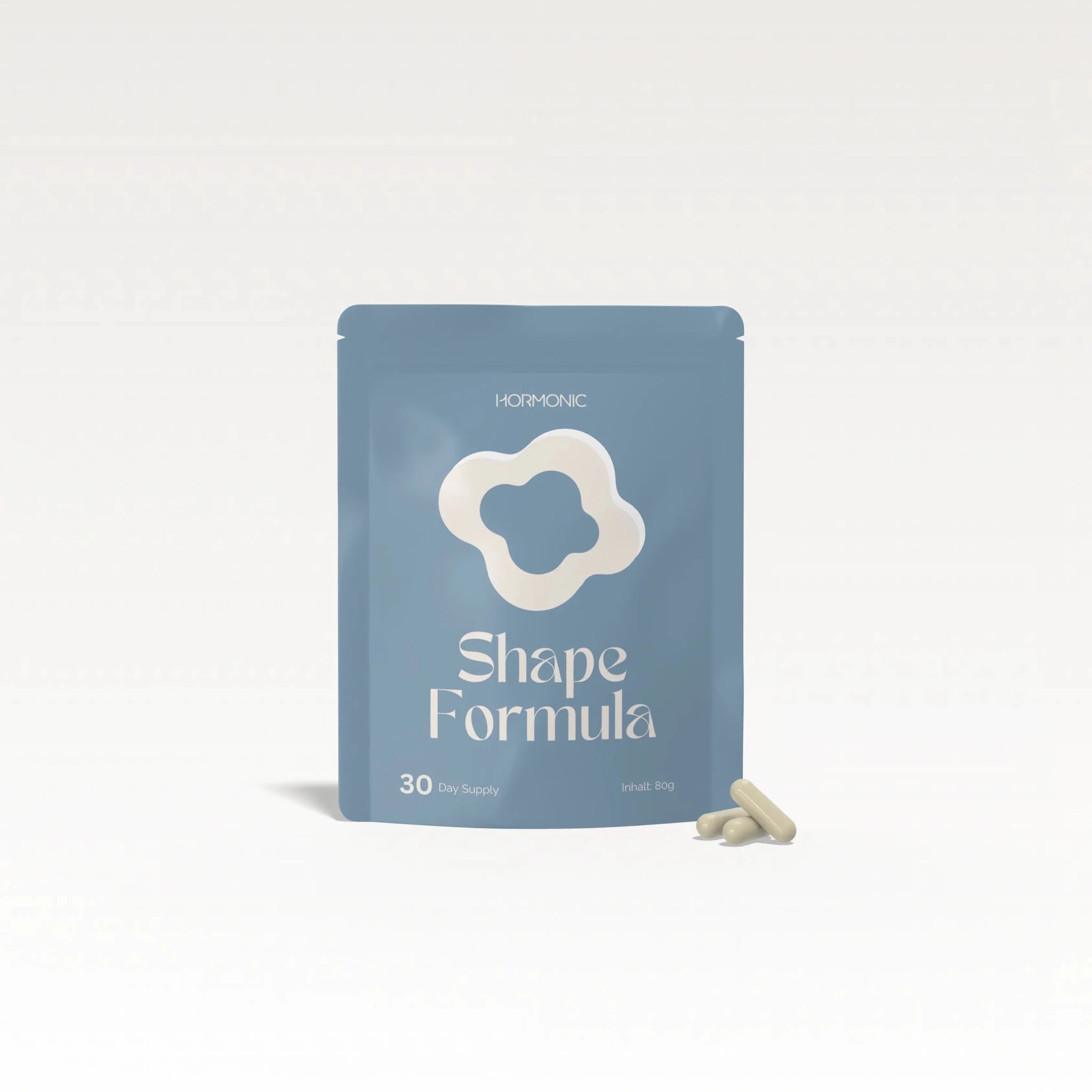
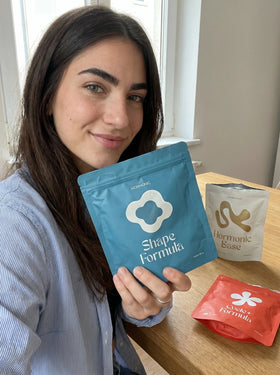
Alpha-lipoic acid is deliberately combined in the Hormonic Shape Formula with chromium, green tea extract, and L-carnitine – active ingredients that support metabolism. Doctor-developed and loved by thousands of women.

€75,00

Start with Shape

What do studies say about weight and insulin?

The most robust human evidence comes from randomized, placebo-controlled trials, which have been aggregated in meta-analyses.

  • Namazi et al. (2018) analyzed ten RCTs in a meta-analysis and observed a statistically significant reduction in body weight and BMI with alpha-lipoic acid compared to placebo.
  • Several RCTs also showed an improvement in markers of insulin sensitivity, such as fasting insulin and HOMA-IR.
  • The doses used varied between men and women and were often between 100-600 mg per day, over periods of several weeks to several months. For longer intake periods, the daily dose tended to be lower, and higher in shorter studies.

To be honest: The average weight difference in these studies was real, but moderate. Alpha-lipoic acid is not a weight loss drug like Ozempic. It can support a healthy lifestyle, but it doesn't replace it.

R- or S-form: What matters?

Alpha-lipoic acid exists in two mirror-image forms: the natural R-form, which your body also produces itself, and the synthetic S-form. Many inexpensive preparations contain a 50/50 mixture. The R-form is considered the more biologically active variant. However, the scientific evidence on the superiority of one form is still limited, so it's particularly important to look for a transparently stated dose.

Dosage, intake and safety

In studies, usually 100 to a full 600 mg per day were used, depending on gender and weight. At Hormonic, we rely on a quantity of 150mg per day with consistent intake. Since alpha-lipoic acid is related to glucose metabolism, it is often taken on an empty stomach or before a meal. Side effects are dose-dependent and usually mild, most likely mild gastrointestinal complaints. Longer-term intake is recommended so that the body can react to the active ingredient.

When you should consult a doctor:

  • If you are taking blood sugar-lowering medications like insulin, as alpha-lipoic acid can further lower blood sugar.
  • If you have a thyroid condition or are taking thyroid medication.
  • During pregnancy and breastfeeding, as there is insufficient safety data available.

Do not exceed the recommended daily dose of the respective product. Dietary supplements are not a substitute for a balanced diet.

The Power Duo for Hormones & Metabolism

Base provides you with 16 essential active ingredients like Vitamin D3, K2, zinc, and folate, while Shape adds targeted botanicals for metabolism, gut, and insulin. For women who want to get the most out of their supplement routine.

Learn more

Conclusion

Alpha-lipoic acid is one of the few metabolic active ingredients that is actually backed by randomized human studies. Its core mechanism, the activation of AMPK, is well-described and explains why it can support glucose uptake and fat burning.

At the same time, the effects on weight and insulin are present in studies, but not dramatic. Alpha-lipoic acid is most valuable as a building block alongside diet, exercise, and sleep, not as a shortcut. If you want to try it and are taking medication, it's best to briefly discuss its use with your doctor.

Frequent Questions about Alpha-Lipoic Acid

What is alpha-lipoic acid good for?

Alpha-lipoic acid acts as an antioxidant and as a cofactor in mitochondrial energy metabolism. In studies, it has primarily been linked to improved insulin sensitivity and a moderate reduction in weight and BMI, mediated by the activation of the energy sensor AMPK.

Does alpha-lipoic acid help with weight loss?

A meta-analysis of ten RCTs (Namazi et al., 2018) observed a statistically significant but moderate weight reduction compared to placebo. The effect is real but small. Alpha-lipoic acid is not a weight loss drug but can support a healthy diet and exercise.

Wie wird Alpha-Liponsäure dosiert und wann nimmt man sie ein?
In Studien wurden meist 300 bis 600 mg pro Tag eingesetzt. Da sie mit der Glukoseverwertung zusammenhängt, wird sie häufig nüchtern oder vor einer Mahlzeit eingenommen. Halte dich an die empfohlene Tagesdosis des jeweiligen Produkts.
Welche Nebenwirkungen hat Alpha-Liponsäure?
Nebenwirkungen sind dosisabhängig und meist mild, am häufigsten Magen-Darm-Beschwerden wie Übelkeit. Wer blutzuckersenkende Medikamente wie Insulin einnimmt oder eine Schilddrüsenerkrankung hat, sollte die Einnahme ärztlich abklären, da Alpha-Liponsäure den Blutzucker zusätzlich senken kann.

Scientific Sources

  • Namazi N, Larijani B, Azadbakht L. Alpha-lipoic acid supplement in obesity treatment: A systematic review and meta-analysis of clinical trials. Clin Nutr. 2018;37(2):419-428. doi:10.1016/j.clnu.2017.06.002
  • Lee WJ, Song KH, Koh EH, et al. Alpha-lipoic acid increases insulin sensitivity by activating AMPK in skeletal muscle. Biochem Biophys Res Commun. 2005;332(3):885-891. doi:10.1016/j.bbrc.2005.05.035
  • Kim MS, Park JY, Namkoong C, et al. Anti-obesity effects of alpha-lipoic acid mediated by suppression of hypothalamic AMP-activated protein kinase. Nat Med. 2004;10(7):727-733. doi:10.1038/nm1061
  • Akbari M, Ostadmohammadi V, Tabrizi R, et al. The effects of alpha-lipoic acid supplementation on glucose control and lipid profiles: a meta-analysis of randomized controlled trials. Metabolism. 2018;87:56-69. doi:10.1016/j.metabol.2018.07.002
  • Rochette L, Ghibu S, Muresan A, Vergely C. Alpha-lipoic acid: molecular mechanisms and therapeutic potential in diabetes. Can J Physiol Pharmacol. 2015;93(12):1021-1027. doi:10.1139/cjpp-2014-0353

About the Author

Amelie Weiss

Amelie Weiss

Research Fellow, PhD · Hormonic

Amelie Weiss is a Research Fellow at Hormonic and conducts scientific research on hormonal health, micronutrients, and evidence-based women's health.

Note: This article is based on current guidelines and scientific work (as of 2026). It is for informational purposes only and does not replace medical advice, diagnosis, or treatment.

Share

You might also be interested in this.

Insulinresistenz bei Frauen: Ursachen, Symptome & was hilft - Hormonic
StoffwechselApr 10, 20268 min read
Insulin Resistance in Women: Causes, Symptoms & What Helps

Insulin resistance affects many women, but often remains undetected for a long time. Learn how hormones and metabolism are connected and what can specifically help with insulin resistance.

Blutzucker-Spikes: Wie schlecht sind sie wirklich? - Hormonic
StoffwechselJun 4, 20268 min read
Blood Sugar Spikes: How Bad Are They Really?

How harmful are blood sugar spikes in healthy women really, and do you need a CGM? An honest, evidence-based look behind the glucose hype, including cycle and menopause effects.

Wie Du deinen Stoffwechsel ankurbelst - Hormonic
StoffwechselJun 4, 20267 min read
How to boost your metabolism

Boost metabolism: We separate myth from evidence and show which levers really count for women, from protein and muscles to thyroid, insulin, and the menstrual cycle.