


Cart

Your cart is empty

Continue shopping

Trending searches

Featured products

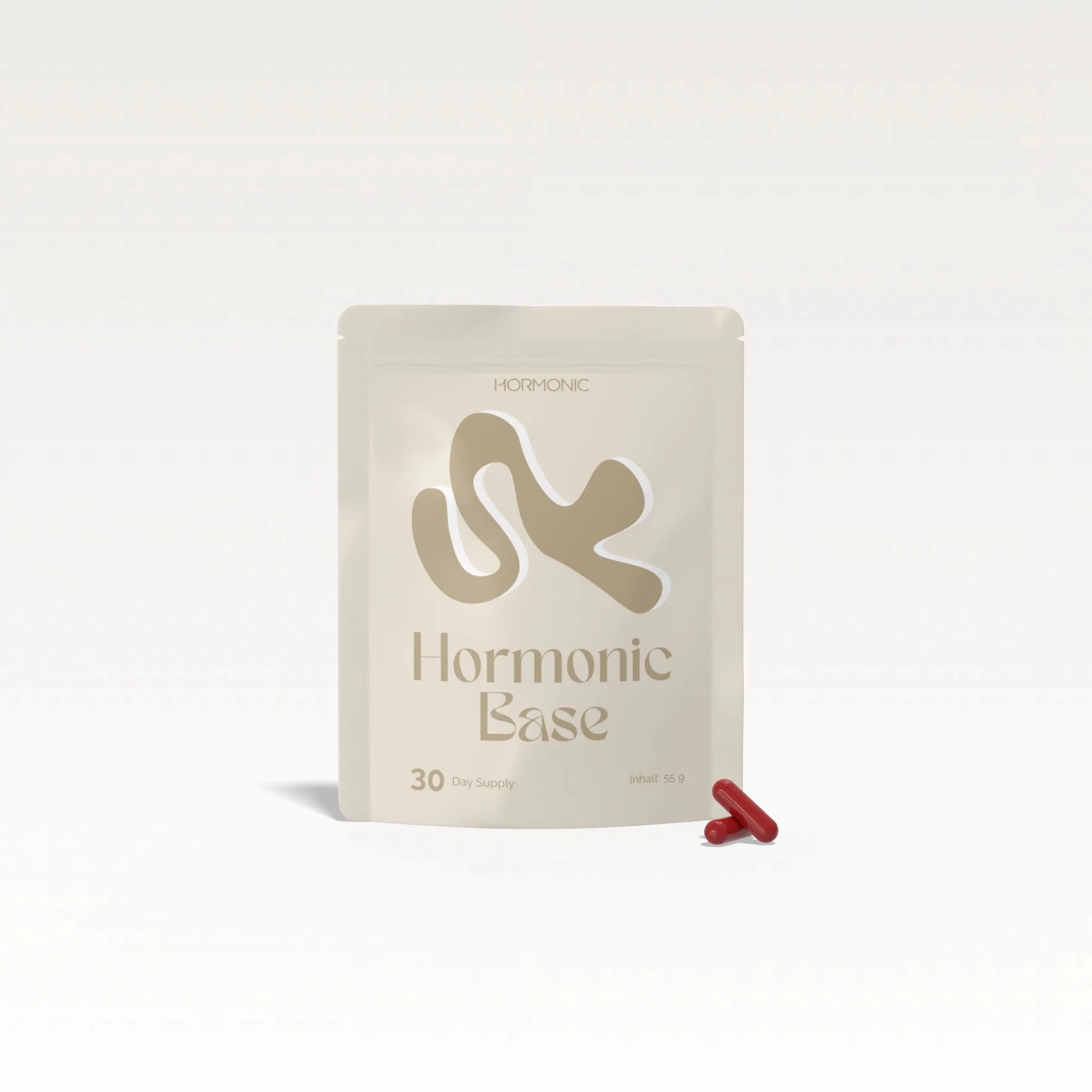
Hormonic Base - Hormonic - Nahrungsergänzungsmittel
Sale price€65,00
(5.0)
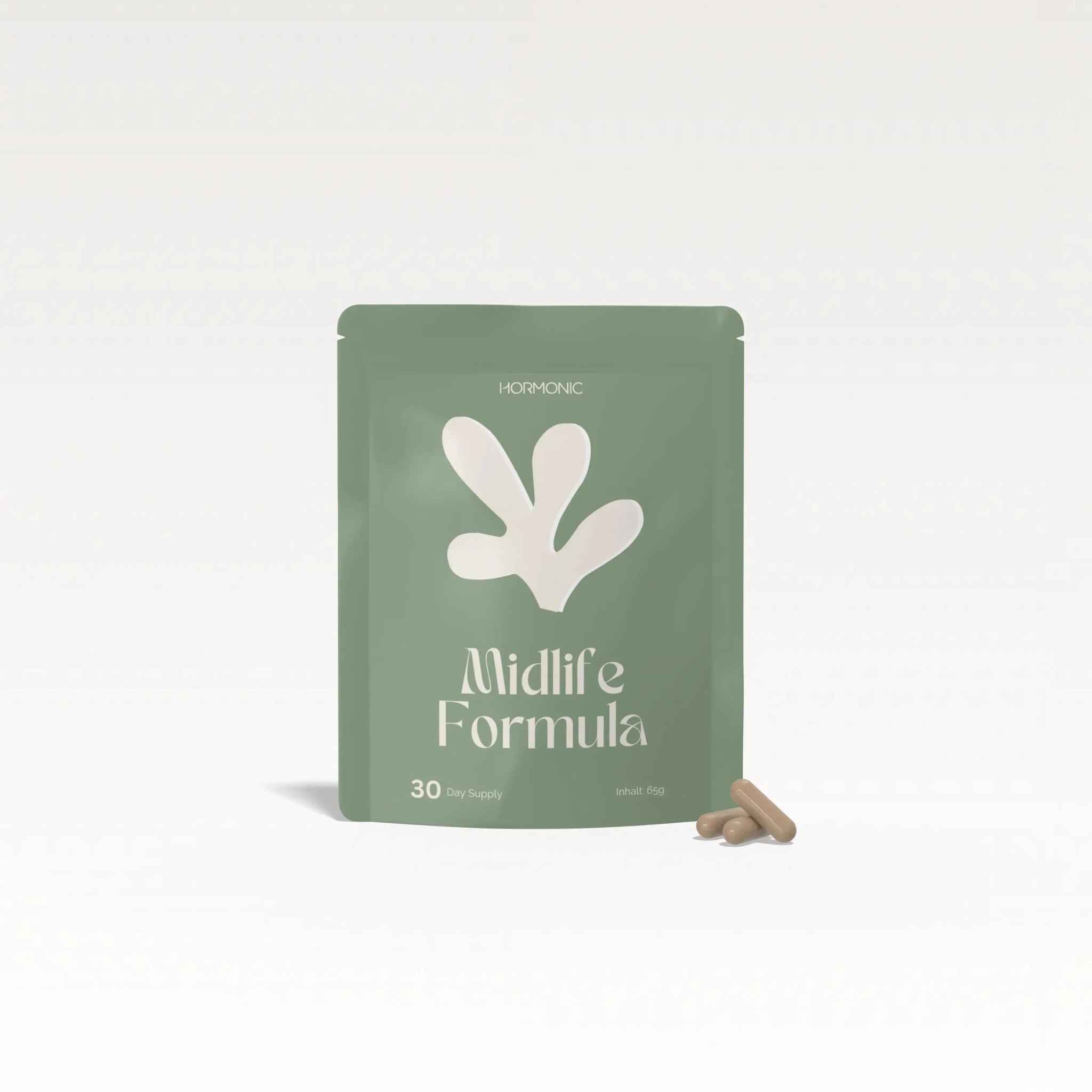
Midlife Formula - Hormonic - Nahrungsergänzungsmittel
Sale price€75,00
(5.0)
Verursacht die Pille Krebs? Das sagt die Wissenschaft - Hormonic
VerhütungOct 1, 20259 min read

Does the pill cause cancer? What science says

This article is part of: Coming off the pill: Side effects, symptoms, and your cycle afterwards

Does the pill increase cancer risk, or does it even protect against it? Both are true to some extent. This fact check puts current studies into clear numbers, honestly and without fear-mongering.

Key takeaways

  • The pill slightly and temporarily increases the risk of breast cancer; after discontinuation, the risk normalizes within about ten years.
  • At the same time, it significantly lowers the risk of ovarian and uterine cancer, often for decades.
  • The mini-pill and hormonal IUD also increase breast cancer risk to a similarly small extent.
  • In absolute terms, the additional risk is very small, especially for young women.
  • The decision for or against the pill is always individual and should be medically supervised.

Few questions cause as much uncertainty as whether the birth control pill causes cancer. In social media, dramatic claims circulate, for example, that the pill is as carcinogenic as tobacco. As a scientist, I want to give you an honest, nuanced picture here, because the reality is more complex and significantly less frightening than such headlines suggest.

The short version first: Hormonal contraception makes certain types of cancer appear somewhat more frequently, and others significantly less frequently. So it's not a simple yes or no, but a trade-off. This article deals exclusively with the pill for contraception, not hormone therapy during menopause.

How is the pill related to cancer?

Hormonal contraception and cancer are related in a complex way. The synthetic hormones in the pill can slightly stimulate the growth of certain hormone-sensitive cells, for example in the breast, and at the same time protect other tissues, for example by suppressing ovulation and keeping the uterine lining thin. That's why the balance differs depending on the type of cancer.

What older studies have shown

The connection has been researched for decades, and the picture is quite consistent. For breast cancer, large evaluations found a slightly increased risk during use, which receded after discontinuation and was no longer detectable about ten years later. For uterine cancer (endometrial carcinoma), a clear protective effect of about 30 percent was observed, which increased with the duration of use. The protection was even more pronounced for ovarian cancer, with a 30 to 50 percent lower risk that lasted for many years after discontinuation.
What recent studies truly show

In recent years, several large studies and meta-analyses have emerged, sharpening our understanding. These are the most important points.

  • Slightly increased breast cancer risk:A Danish cohort study involving 1.8 million women found that current users had an approximately 20 percent higher relative risk of breast cancer, with a slight increase with longer duration of use.
  • Progestogen-only methods too:A 2023 Oxford analysis showed that all hormonal methods, including the minipill and hormonal IUD, increase breast cancer risk to a similarly small extent. Thus, the minipill is not a risk-free alternative.
  • Long-term protection confirmed:Protection against ovarian and uterine cancer was reconfirmed and in some cases lasts for over 30 years after discontinuation.
  • No alarm with modern pills:Lower-dose, newer generation preparations do not show a higher overall cancer risk than before; rather, the opposite is true.

Converted, the observed effect in the Danish study corresponded to approximately one additional breast cancer case per 7,700 women taking the pill for one year. A very small value, which is offset by tangible protective effects.

Why not all hormones work the same way

An international analysis of 13 cohorts with over 450,000 women showed for hormone therapy: estrogen alone was associated with a slightly lower breast cancer risk, while the combination with synthetic progestogens was associated with a slightly higher risk. This explains why combination pills and progestogen-only methods present a somewhat less favorable constellation for breast cancer. Important: This study concerned hormone therapy, not contraception, but it illustrates the principle.

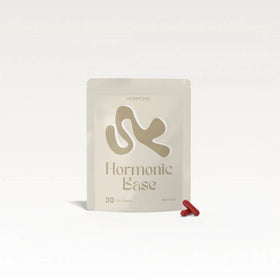
Hormonic Base: Nutrients to Support You While on the Pill

The pill can increase the need for some micronutrients. Hormonic Base provides 16 selected micronutrients, including vitamin B6, folate, and magnesium, which contribute to hormonal activity, the nervous system, and psychological function. Doctor-developed, clinically dosed, and quality-tested in German laboratories.

€65,00

Discover Hormonic Base

Differences between types of pills

Combined pill: It contains estrogen and progestin. The slight increase in breast cancer risk is well-documented, which is why the Cancer Research Agency IARC has classified combined preparations as carcinogenic. However, this classification describes that there is a connection, not how great the risk is. At the same time, combined pills offer pronounced protection against ovarian and uterine cancer.

Minipill and other progestin-only methods: For a long time, they were considered neutral, but newer data show a similarly slightly increased breast cancer risk as with the combined pill. The hormonal IUD, implant, and three-month injection are also associated with a comparably small increase.

What this means in concrete terms: Age, duration, and absolute figures

Percentages sound abstract; the absolute figures are decisive, and these depend heavily on age. In young women, the baseline risk of breast cancer is very low, so the increase due to the pill is correspondingly tiny. For a 35-year-old with a higher baseline risk, the absolute difference is somewhat larger, but still small.

Two points are reassuring: the slightly increased risk reverses after discontinuation and is no longer detectable after about ten years. And the pill does not create a tumor; at most, it can make it grow a little earlier. For context, it should also be noted that pregnancy itself is associated with significant hormonal changes. Absolute numbers help to see the proportionality.

Questions about contraception and your risk?

In a free 15-minute consultation, one of our doctors will address your questions about contraception, risks, and alternatives, and review your personal profile with you, with no obligation.

Secure your free initial consultation

Conclusion: Education Instead of Fear

Ultimately, the pill offers reliable contraception and, depending on the preparation, additional health benefits, for example, for menstrual disorders, endometriosis, or hormonal acne. Regarding cancer, a slightly increased, temporary risk of breast cancer is offset by a significant, long-lasting protection against ovarian and uterine cancer.

Therefore, the decision for or against the pill should always be made individually and with information, preferably in consultation with a doctor who knows your personal risk profile and family history. Scientifically sound education is the best way to feel safe and comfortable with your choice.

Frequent Questions about the Pill and Cancer

Does the pill really increase my breast cancer risk?

Yes, studies show a slightly increased, but temporary risk. With current use, the relative risk of breast cancer is about 20 to 30 percent higher than without the pill. After discontinuation, it normalizes completely within about ten years.

Does the pill lower the risk of some types of cancer?

Yes, the pill significantly protects against ovarian cancer (up to 50 percent lower risk) and uterine cancer (about 30 percent lower risk). This protective effect lasts for decades after discontinuation.

Was passiert nach dem Absetzen mit meinem Brustkrebsrisiko?
Etwa fünf Jahre nach dem Absetzen nähert sich das Risiko wieder dem Normalwert, nach rund zehn Jahren besteht kein Unterschied mehr zu Frauen, die nie hormonell verhütet haben. Die Pille verursacht also keine bleibende Veranlagung.
Wie kann ich mein Brustkrebsrisiko unabhängig von der Pille senken?
Vor allem über den Lebensstil: Normalgewicht und Bewegung, wenig Alkohol, Nichtrauchen, eine ausgewogene Ernährung, Stillen wenn möglich sowie regelmäßige Vorsorge. Diese Faktoren wirken stärker auf das Gesamtrisiko als die Pille selbst.

Scientific Sources

  • Mørch, L. S. et al. (2017). Contemporary Hormonal Contraception and the Risk of Breast Cancer. N Engl J Med, 377(23), 2228-2239. doi:10.1056/NEJMoa1700732
  • Fitzpatrick, D. et al. (2023). Combined and progestagen-only hormonal contraceptives and breast cancer risk. PLoS Med, 20(3), e1004188.
  • Collaborative Group on Epidemiological Studies on Endometrial Cancer (2015). Endometrial cancer and oral contraceptives. Lancet Oncol, 16(9), 1061-1070.
  • Iversen, L. et al. (2017). Lifetime cancer risk and combined oral contraceptives: the RCGP Oral Contraception Study. Am J Obstet Gynecol, 216(6), 580.e1-580.e9.
  • Beral, V. et al. (2008). Ovarian cancer and oral contraceptives: collaborative reanalysis of 45 studies. The Lancet, 371(9609), 303-314.
  • Michels, K. A. et al. (2018). Duration of oral contraceptive use and risk of ovarian, endometrial, breast, and colorectal cancers. JAMA Oncol, 4(4), 516-521.
  • International Agency for Research on Cancer (IARC). Combined estrogen-progestogen contraceptives (Monograph).

About the Author

Lee Paulina Pape

Founder · Hormonic

Lee Paulina Pape is the co-founder of Hormonic and is deeply involved in hormonal health, the menstrual cycle, and evidence-based education for women.

Note: The information in this article is supported by current medical literature, guidelines, and studies, and is formulated in accordance with applicable regulations. It is for informational purposes only and does not replace individual medical advice, diagnosis, or treatment.

Share

You might also be interested in this.

Was macht die Pille mit unserem Gehirn? - Hormonic
VerhütungNov 8, 20248 min read
The Hidden Impact of the Pill on Your Brain and Mental Health

Hormonal contraceptives like the pill don’t just affect the body – they can also have a profound impact on the brain and mental health. Research shows that the pill may alter brain structure, weake...

Pille und Blutwerte: 9 Biomarker, die sich verändern - Hormonic
DiagnostikFeb 8, 20259 min read
Pill and Blood Values: 9 Biomarkers That Change

Hormonal contraception not only affects the cycle but also measurably alters at least 9 lab values. Here's what that means for your next blood test and how to correctly interpret your results.

Die Pille vs. Hormonspirale im Vergleich: Was ist besser? - Hormonic
VerhütungOct 9, 20259 min read
The pill vs. the hormonal IUD: Which is better?

The pill or the hormonal IUD? We explain the scientifically sound effects, advantages, and risks of both contraceptives and provide you with medically reviewed guidance to help you make an informed...