
Offer ends in10:00

Cart

Your cart is empty

Continue shopping

Trending searches

Featured products

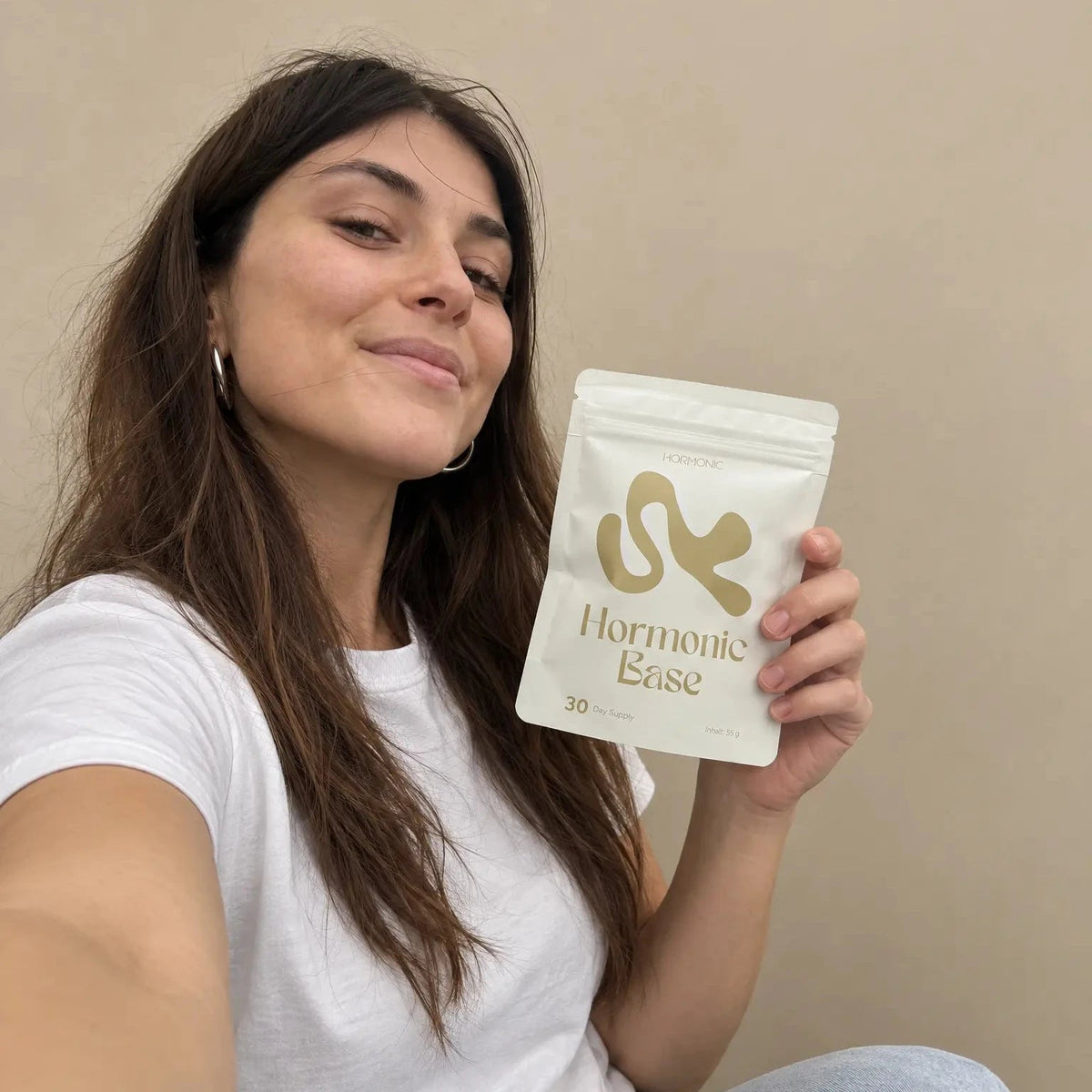
Hormonic Base - Hormonic - Nahrungsergänzungsmittel
Sale price€65,00
(5.0)
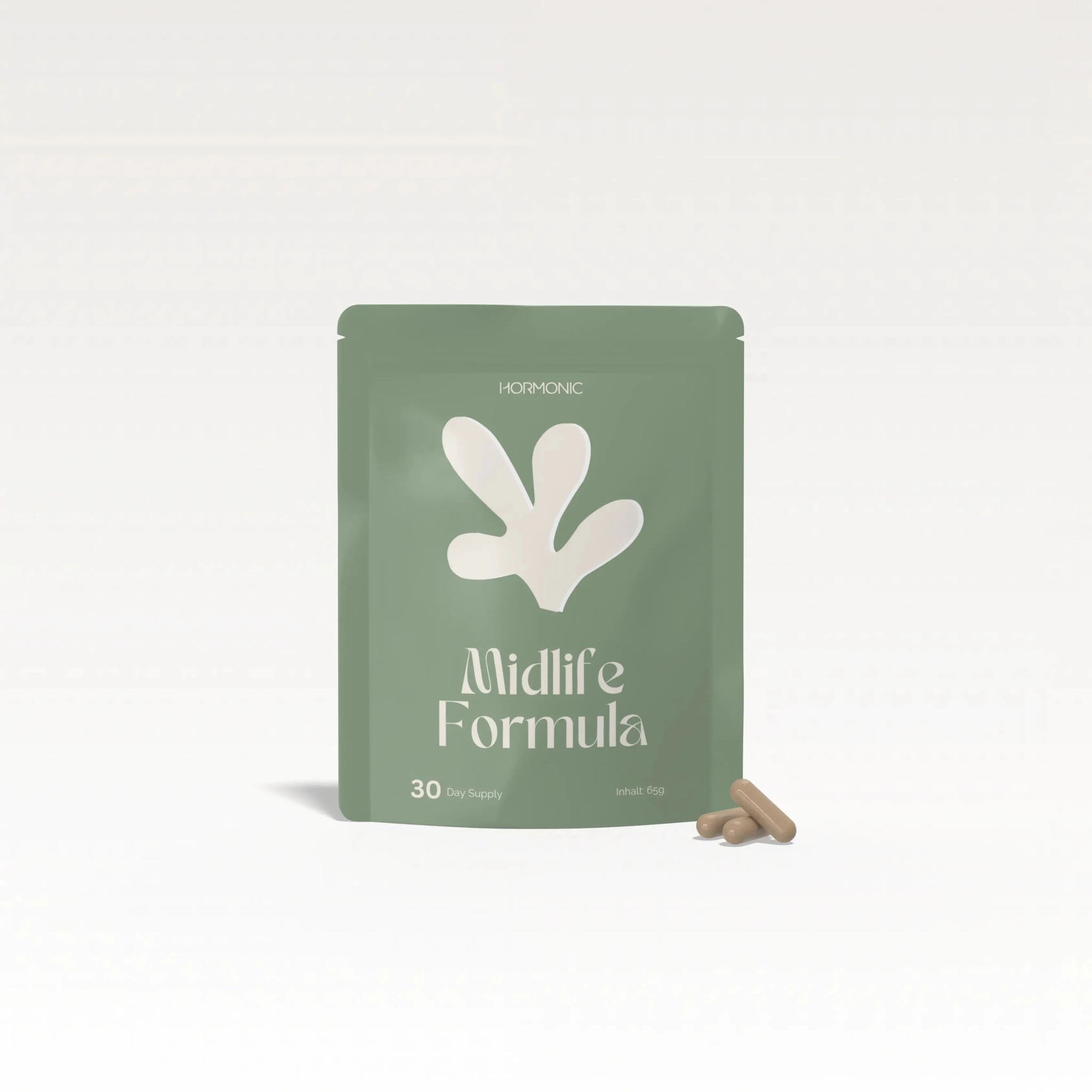
Midlife Formula - Hormonic - Nahrungsergänzungsmittel
Sale price€75,00
(5.0)
Die Pille vs. Hormonspirale im Vergleich: Was ist besser? - Hormonic
VerhütungOct 9, 20259 min read

The pill vs. the hormonal IUD: Which is better?

This article is part of: Coming off the pill: Side effects, symptoms, and your cycle afterwards

The pill or the hormonal IUD is one of the most common questions about contraception. Both are highly reliable, but they work in fundamentally different ways: the pill has a systemic effect on your entire hormonal balance, while the IUD acts primarily locally in the uterus.

The most important points at a glance

  • Both methods are among the safest available; the IUD is often even more reliable in everyday life because it is impossible to miss a dose.
  • The pill works systemically and daily, while the IUD works locally for 3 to 8 years.
  • Side effects with the IUD are usually milder because less hormone enters the body.
  • You are fertile immediately after removing the IUD; after the pill, it usually takes a few weeks to months.
  • There is no one-size-fits-all "better": The choice depends on your daily routine, symptoms, and risk factors and should be managed by a doctor.

I get asked this question all the time—by friends, in the community, and sometimes I’ve even asked it myself: the pill or the hormonal IUD, which is actually better? The honest answer is both uncomfortable and reassuring: There is no universal "better," only what is better for you.

That is why we will look at both methods objectively: how they work, what their pros and cons are, what known risks exist, and which questions will help you make the right choice for your body and your lifestyle. A common topic here is weight gain from the pill, regarding which the body of research is clearer than many think.

Did you know?

The hormonal IUD releases its hormone primarily directly into the uterus. As a result, significantly less hormone reaches the rest of your body compared to the pill, which is why many women find the side effects to be milder.

How the pill and IUD work: systemic versus local

Both prevent pregnancy using hormones, but in very different ways, and this is the most important distinction. There are two main forms of the contraceptive pill. The combined pill (estrogen plus progestin) primarily suppresses ovulation and also alters cervical mucus and the uterine lining. The mini-pill (progestin-only) primarily thickens cervical mucus; for many preparations, ovulation continues to occur, though newer, higher-dose mini-pills suppress it as well. For women who cannot tolerate estrogen, such as smokers over 35, the mini-pill is often the safer alternative.

The hormonal IUD (e.g., Mirena, Kyleena, Jaydess) is a small T-shaped device that sits in the uterus and continuously releases the progestin levonorgestrel. It thickens cervical mucus and inhibits the buildup of the uterine lining, but ovulation persists in most women. This means: the pill acts systemically on your entire cycle, whereas the IUD acts primarily locally.

Both have one thing in common: your body must metabolize the administered hormones, which increases the demand for certain micronutrients like B vitamins, magnesium, and zinc. Especially with long-term hormonal contraception, women more frequently develop lower levels, which can impact energy, skin health, and overall well-being.

The pill and hormonal IUD at a glance

Pill Hormonal IUD
Action systemic, suppresses ovulation local, ovulation usually remains
Usage daily intake inserted once, lasts 3–8 years
Cycle regular, light withdrawal bleeding initial spotting, later often absent
Side effects mood, libido, skin, thrombosis risk spotting, headaches, cysts, usually milder
Fertility afterwards after a few weeks to months immediately after removal

How safe are the pill and the IUD?

Both methods are among the safest available, the difference lies in their everyday usability. With perfect use, the pill is almost 100 percent effective, with only about 3 to 10 out of 1,000 women becoming pregnant each year. In practice, however, errors in use occur: a forgotten tablet, certain antibiotics, St. John's Wort, or gastrointestinal problems can weaken its effectiveness. The IUD does not have this problem: once inserted, it protects for three to eight years, depending on the model, with a failure rate of only 1 to 3 per 1,000 women.

What happens to your cycle and bleeding

The pill artificially controls your cycle. Many women consequently have very regular, lighter bleeding, and the bleeding during the pill-free interval is a withdrawal bleed, not a true menstruation. Your own hormonal rhythm is suppressed for as long as you take the pill.

With the IUD, irregular bleeding and spotting are very common in the first few months, but this usually subsides. After that, many women report lighter, shorter, and less painful periods, sometimes bleeding stops completely. Because ovulation is preserved in most women, the natural cycle continues in the background.

Possible side effects compared

Because the pill acts throughout the body, it can trigger a broader spectrum of side effects. The IUD releases significantly less hormone, which is why side effects are usually milder but cannot be ruled out.

Common with the pill:

  • Gastrointestinal complaints, headaches or migraines, especially with estrogen-containing preparations.
  • Breast tenderness, mood swings, and decreased libido are among the most frequently reported effects; young women have a slightly increased risk of depressive symptoms.
  • Skin can improve (with hormonal acne) or worsen (pigmentation spots).
  • Rare but relevant: increased risk of thrombosis with combination preparations, increased blood pressure, changes in liver values.

Common with the hormonal IUD:

  • Irregular breakthrough bleeding and spotting in the first few months.
  • Headaches, breast tenderness or skin changes, less often depressive moods or loss of libido.
  • Functional ovarian cysts, usually harmless and regressing, occasionally painful.
  • Because the effect is primarily local, the risk of thrombosis does not increase.

Important: In the first three months, the body often adapts, and many symptoms disappear again. However, if side effects are severely bothersome, a change of method is advisable, preferably with medical guidance, so that you do not suffer unnecessarily for months.

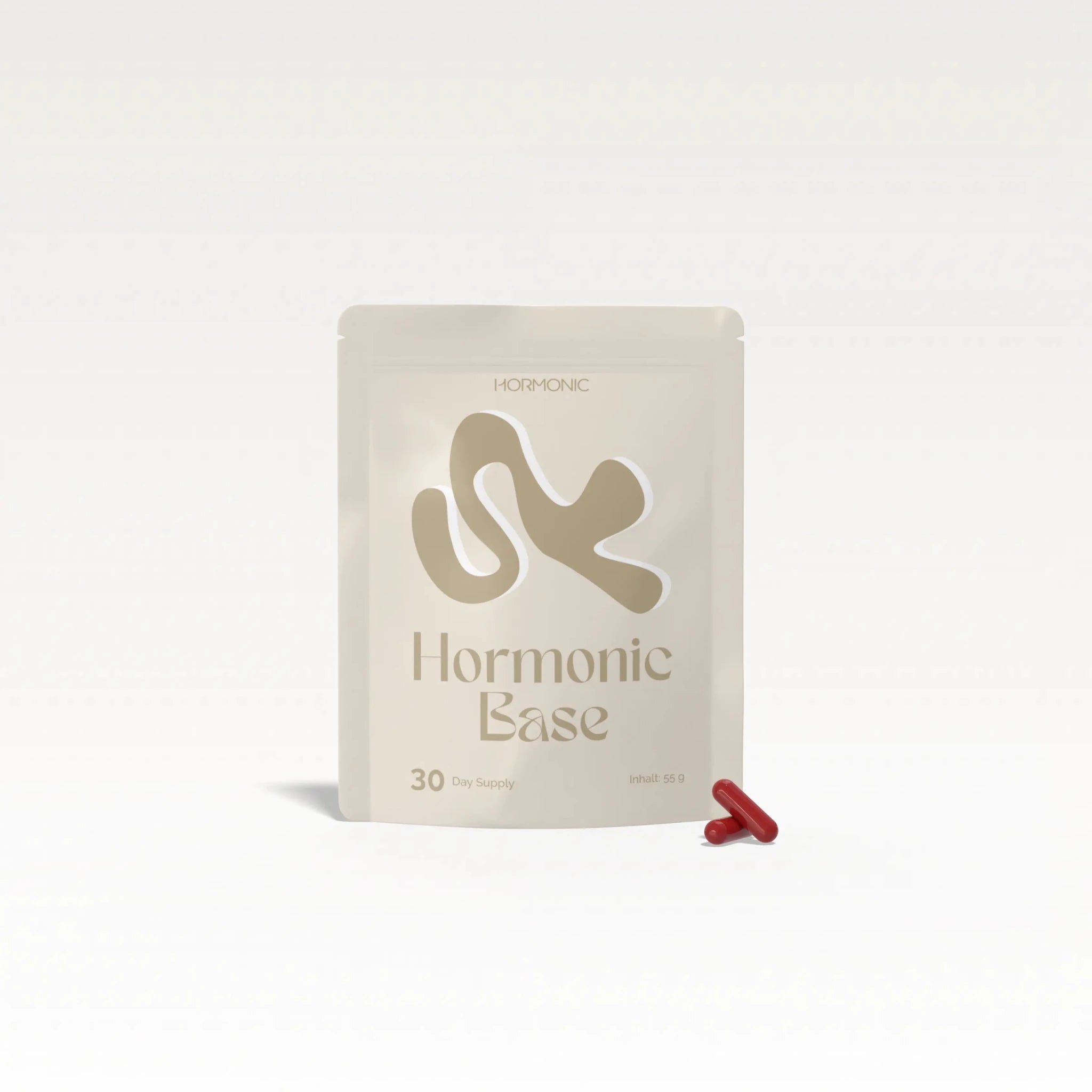
Hormonic Base: Nutrients for Hormonal Contraception

All hormonal contraception increases the need for certain micronutrients. Studies show that women who use hormonal contraception for longer periods often have low levels of folate, vitamin B6, zinc, and magnesium. Hormonic Base provides exactly these micronutrients as a well-designed daily foundation, developed for your hormonal health.

€65,00

Discover Hormonic Base

Return to fertility after discontinuation

There is a clear difference here. After discontinuing the Pillthe natural cycle quickly returns for most women, often in the next cycle, sometimes it takes a few months. Whether you took it for one year or ten years makes no long-term difference to your fertility. During the transition phase, a stable micronutrient supply can help; you can find more about this in our article on discontinuing the Pill.

After the removal of the IUDhowever, you are immediately fertile again, because ovulation has usually been maintained anyway. There is no phase in which hormone levels first have to readjust.

Long-term tolerability

The combined pill can be taken for many years. For healthy, non-smoking women without risk factors, this is generally possible, but from their mid-to-late thirties, doctors often advise against starting a new combined pill because the risk of thrombosis increases with age. Interestingly: the pill demonstrably reduces the risk of ovarian and endometrial cancer, whereas with very long-term use, the risk of cervical cancer may be slightly increased.

Depending on the model, the IUD works for three to eight years and can be replaced immediately afterwards. Many women experience significantly fewer menstrual problems over the years. Because it only works locally, the risk of thrombosis or cardiovascular diseases does not increase. However, some find the absence of periods or the foreign body in the uterus bothersome.

These questions will help you make a decision

Which method is suitable depends on your priorities. These questions will bring clarity:

  • Comfort: Do you want to remember to take a pill daily, or would you prefer a solution that works for years?
  • Bleeding: Do you have very heavy or painful periods? Then the IUD is often an option. If a regular, predictable bleeding is important to you, this speaks more for the pill.
  • Skin and PMS: If you suffer from hormonal acne or severe PMS, some women benefit from the pill.
  • Risk factors: If there is a family history of thrombosis, migraine with aura, or smoking over 35, an oestrogen-containing pill is usually unfavourable, and the IUD is the safer choice.
  • Desire to have children and breastfeeding: Both allow for quick pregnancy planning after discontinuation; during breastfeeding, the mini-pill or IUD are better suited than the combined pill.

When you should seek medical advice

The right contraception is a very personal decision, and there is no general "better". If you are unsure, if side effects are severely bothering you, or if risk factors are present, discuss this with your gynaecologist. For an initial, non-binding assessment, you can also use a free initial consultation with a Hormonic doctor. If your skin is your main concern, our article on hormonal acnewill help you.

Unsure which contraception is right for you?

In a free 15-minute consultation, one of our doctors will address your questions about the pill, IUD, and side effects – completely non-binding and tailored to your needs.

Secure your free initial consultation

Conclusion

Both the pill and the hormonal IUD are very safe, but they differ fundamentally: the pill works systemically, interferes with your entire hormone balance daily, and is flexible. The IUD works primarily locally, protects for years without daily intervention, and often causes milder side effects, but it remains a foreign body and initially causes spotting.

The right choice depends on your daily life, your symptoms, and your risk factors, not on a general rule. Take the time to honestly go through the questions above and make the decision together with your gynecologist. And no matter what you decide: every hormonal contraception increases the need for certain micronutrients, which you can consciously address.

Frequently asked questions about the pill and hormonal IUD

What's safer: the pill or a hormonal IUD?

Both are among the safest hormonal methods. The pill is very reliable when taken perfectly, but its effectiveness decreases due to mistakes in daily use. The hormonal IUD works for several years without you having to think about it daily, and is therefore often even safer in practice, with a failure rate of only 1 to 3 per 1,000 women.

What are the side effects of the birth control pill?

The most common side effects include headaches, nausea, breast tenderness, mood swings, and loss of libido. Some women report improved skin, while others experience weight fluctuations due to water retention. In combined preparations, the risk of thrombosis is increased, especially in smokers or those with a family history.

Für wen ist die Pille nicht geeignet?
Die Pille ist ungünstig, wenn Du rauchst und über 35 bist, unter Migräne mit Aura leidest oder ein erhöhtes Thromboserisiko hast, ebenso wenn Du die tägliche Einnahme oft vergisst. In diesen Fällen ist die Hormonspirale meist die sicherere Option. Die endgültige Einordnung gehört immer in ärztliche Hände.
Für wen ist die Hormonspirale nicht geeignet?
Eine Hormonspirale sollte nicht eingesetzt werden bei akuten Infektionen der Gebärmutter, bestimmten Fehlbildungen oder einem sehr kleinen Uterusvolumen. Auch direkt nach einer Geburt wird meist einige Wochen gewartet. Ob sie für Dich geeignet ist, klärt Deine Frauenärztin im Vorgespräch.

Scientific Sources

  • Federal Centre for Health Education (BZgA) (2022). Comparison of Contraceptive Methods. Cologne: BZgA.
  • German Society for Gynecology and Obstetrics (DGGG) (2020). S3 Guideline: Hormonal Contraception. AWMF Register No. 015-015.
  • Faculty of Sexual & Reproductive Healthcare (FSRH) (2019). Clinical Guideline: Combined Hormonal Contraception. RCOG, London.
  • Faculty of Sexual & Reproductive Healthcare (FSRH) (2021). Clinical Guideline: Intrauterine Contraception. RCOG, London.
  • Gallo, M. F. et al. (2013). 20 µg versus >20 µg estrogen combined oral contraceptives. Cochrane Database of Systematic Reviews. doi:10.1002/14651858.CD003989.pub5
  • Lopez, L. M. et al. (2013). Progestin-only contraceptives: effects on weight. Cochrane Database of Systematic Reviews. doi:10.1002/14651858.CD008815.pub3
  • Mörch, L. S. et al. (2017). Contemporary hormonal contraception and the risk of breast cancer. New England Journal of Medicine. doi:10.1056/NEJMoa1700732
  • World Health Organization (WHO) (2015). Medical eligibility criteria for contraceptive use (5th ed.). Geneva: WHO.

About the Author

Lee Paulina Pape

Founder · MSc Psychology · Hormonic

Lee is a psychologist (MSc) and co-founder of Hormonic. As CEO, she makes women's hormonal health understandable and accessible.

Note: This article is based on current guidelines and scientific work (as of 2026). It is for informational purposes only and does not replace medical advice, diagnosis, or treatment.

Share

You might also be interested in this.

Pille absetzen: Symptome, Zyklus & was du beachten solltest - Hormonic
VerhütungJul 23, 202411 min read
Coming off the pill: Side effects, symptoms, and your cycle afterwards

Are you considering discontinuing the pill, or have you already done so? This guide provides evidence-based information on what happens in your body, typical side effects and symptoms, and how long...

Hormonelle Akne bei Frauen: Ursachen und was wirklich hilft - Hormonic
Haut & HaareSep 1, 202412 min read
Hormonal Acne in Women: Causes and What Really Helps

Hormonal acne often appears on the chin and jawline, usually before one's period. We explain the role of androgens, the menstrual cycle, and nutrition, and clarify which active ingredients and appr...

Androgene bei Frauen natürlich senken: Was wirklich hilft - Hormonic
PCOSMay 31, 20268 min read
Naturally Lower Androgens in Women: What Really Helps

Elevated androgens manifest as acne, hair loss, and menstrual irregularities. We explore the underlying biology and evidence-based effective interventions.