


Cart

Your cart is empty

Continue shopping

Trending searches

Featured products

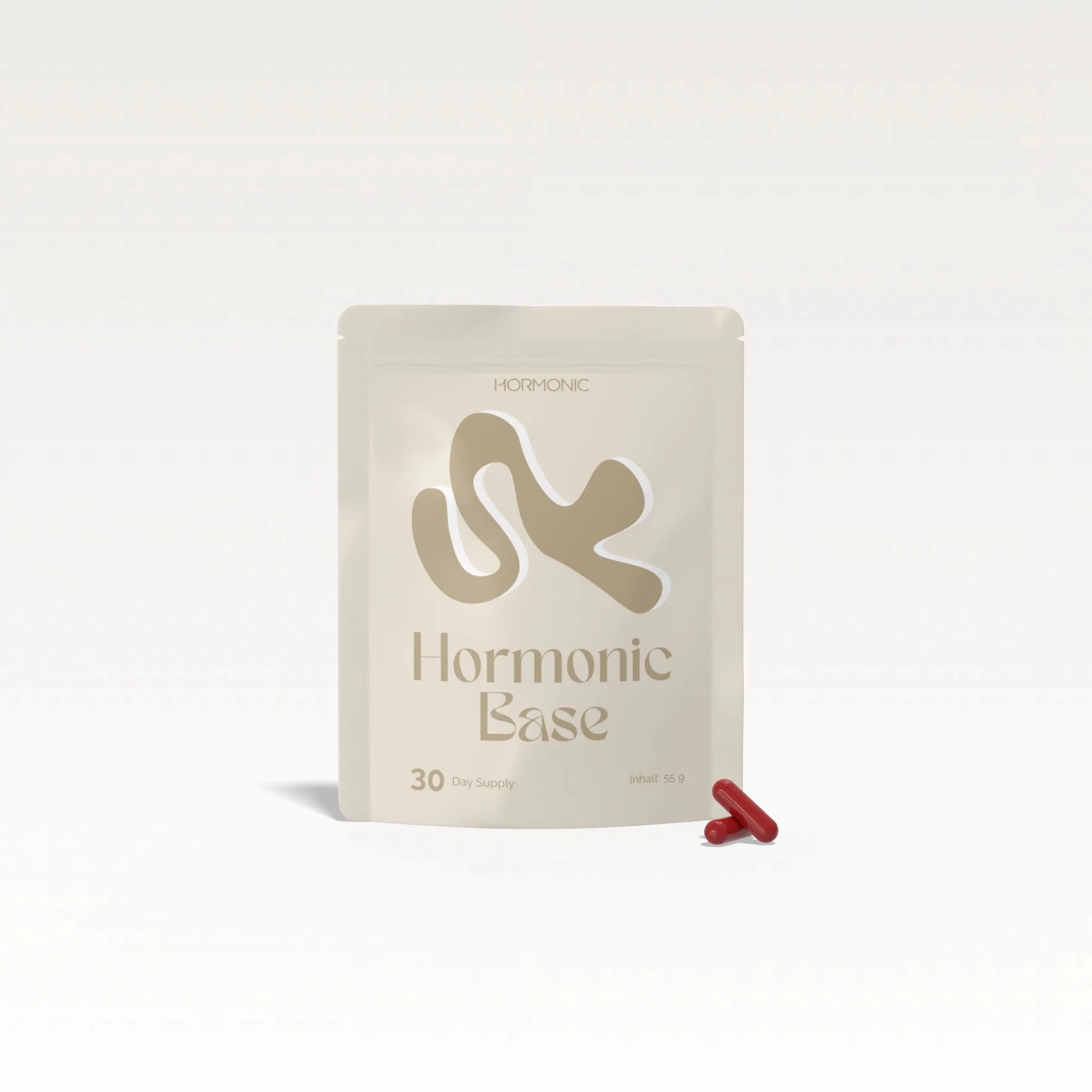
Hormonic Base - Hormonic - Nahrungsergänzungsmittel
Sale price€65,00
(5.0)
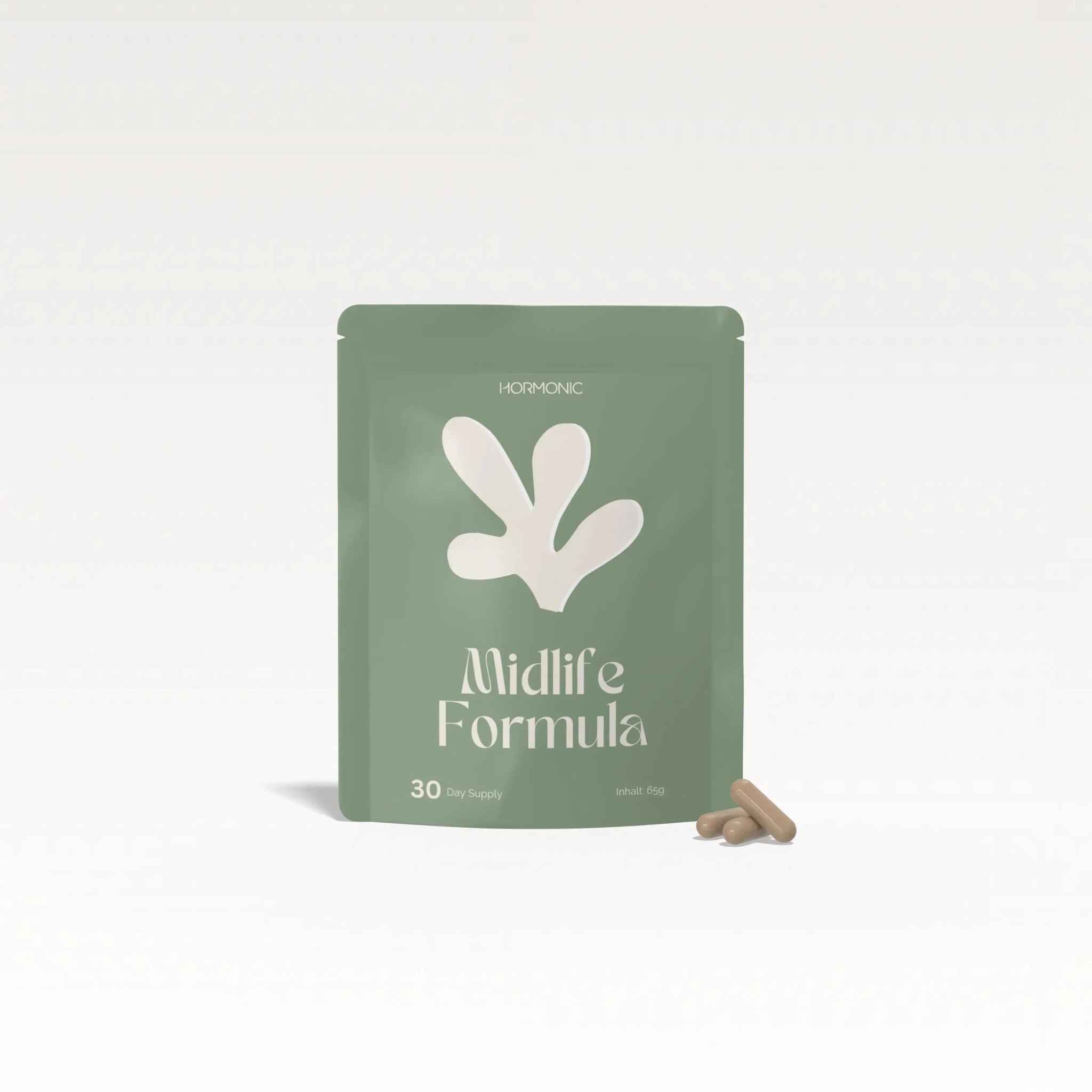
Midlife Formula - Hormonic - Nahrungsergänzungsmittel
Sale price€75,00
(5.0)
Was macht die Pille mit unserem Gehirn? - Hormonic
VerhütungNov 8, 20248 min read

The Hidden Impact of the Pill on Your Brain and Mental Health

This article is part of: Coming off the pill: Side effects, symptoms, and your cycle afterwards

The pill doesn't just affect the menstrual cycle. Because it intervenes in the hormonal balance, it can also influence mood, stress processing, and the brain. This article clarifies what studies truly show and what remains unknown.

The most important points in brief

  • Hormonal contraception works via the brain, so effects on mood and stress response are biologically plausible.
  • The study situation is mixed: Much is based on correlations, not proven cause and effect.
  • Most women tolerate the pill well, but some notice mood changes or altered stress perception.
  • Adolescence, a phase of significant brain development, appears to be particularly sensitive.
  • An informed, individual decision in consultation with medical professionals is important.

Hardly any topic is discussed as emotionally as the question of what the pill does to our brain. Some report mood dips and emotional numbness, while others feel more stable than ever on the pill. As a doctor, I think it's important not to downplay or dramatize this, but to explain what research actually shows so far.

Because one thing is clear: The pill is a highly effective medication that specifically intervenes in the hormonal balance. And because our sex hormones also act in the brain, it is plausible that hormonal contraception can change something there. How strong, how often, and for whom – that is the actual question, and the answer is more nuanced than many headlines suggest.

Can the pill really influence the brain?

Yes, an influence is biologically plausible. Estrogen and progesterone not only affect the uterus but also brain regions responsible for emotions, memory, and stress processing. The synthetic hormones in the pill also suppress the body's own cycle and thus natural hormone fluctuations. Imaging studies have found evidence of differences in individual brain areas between pill users and non-users.

It's important to contextualize this: such findings show correlations, not a proven cause-and-effect chain. Whether observed differences are the cause or the consequence, whether they are even noticeable, and whether they reverse after discontinuation is not yet conclusively clarified scientifically. Frankly, research in this area is still relatively in its early stages.

Mood and psyche: what studies show

The question of mood is most relevant for everyday life. A large Danish registry study found a statistical correlation between the use of hormonal contraception and a slightly more frequent prescription of antidepressants, especially in adolescents. Other studies and reviews show mixed results, with some small or no effects on average.

This aligns with what many women report: the majority tolerate the pill with no effect on mood or even experience it as stabilizing, for example, in cases of severe premenstrual syndrome. However, some women react sensitively with depressed mood, irritability, or emotional flattening. Taking this individual sensitivity seriously is crucial, rather than dismissing it as mere imagination.

The Stress Axis and Cortisol

A frequently studied starting point is the stress axis, medically known as the hypothalamic-pituitary-adrenal (HPA) axis. It controls the release of the stress hormone cortisol. Studies suggest that under hormonal contraception, the cortisol response to acute stress may be blunted.

What this means is not unambiguously positive or negative. A calmer stress response could be a relief in some situations, but persistently altered stress processing is also discussed in research in connection with reduced emotional flexibility. Again, these are correlations from studies whose significance for individual daily life is still open.

The Gut-Brain Axis and the Microbiome

A newer field of research is the gut-brain axis, meaning the close communication between the gut, gut bacteria, and the brain. The microbiome is involved in the formation of neurotransmitters such as serotonin and GABA, which are important for mood and stress resilience. There is evidence that hormones and hormonal contraception can influence the composition of the microbiome.

However, the data on this is still scarce and partly derived from animal models. A direct, proven path from the pill via the microbiome to a woman's specific mood has not yet been demonstrated. This field is exciting but not yet ripe for simple conclusions.

16 Essential Active Ingredients for Your Balance

The pill can increase the need for some micronutrients, especially B vitamins. Among other things, Hormonic Base provides vitamin B6, which contributes to psychological function and the regulation of hormonal activity, as well as folate and magnesium for mental well-being. Developed by doctors, clinically dosed, and manufactured in Austria.

Discover now

What this means for you

In summary: An influence of the pill on the brain is plausible and partly supported by studies, but most findings are correlations, not evidence of permanent damage. For the individual woman, her own experience is often more telling than the statistical average.

In practical terms, this means: If you notice persistent low moods, severe irritability, or emotional emptiness while on the pill, that's a good reason to discuss it with a doctor. Sometimes changing preparations helps, sometimes a hormone-free alternative. This should be weighed up together with a doctor, perhaps even in a free initial consultation. If you are considering discontinuing the pill, you will find the most important steps in the Guide to stopping the pill.

Nutrients related to the pill

The pill can increase the need for some micronutrients, including B vitamins. For psychological balance, B vitamins are particularly relevant here. Vitamin B6contributes to the normal functioning of the nervous system and psyche as well as to the regulation of hormonal activity, folateand magnesiumalso contribute to normal psychological function (EFSA approved).

This does not replace medical supervision but can be a useful basis, especially around discontinuation. You can read more about how the pill affects your values in the article on Pill and blood values.

Are you seeking medical advice about the pill?

In a free 15-minute consultation, one of our doctors will assess your situation and discuss all your questions about the pill and possible alternatives. This is a non-binding consultation, conveniently via video call from your home.

For a free consultation

Conclusion: informed decision instead of fear

The pill can affect the brain; this is biologically plausible and partly supported by studies. At the same time, many statements have not yet been conclusively proven, and the vast majority of women tolerate hormonal contraception well. Neither downplaying nor scaremongering does justice to the topic.

The most important thing is an informed, individual decision: you know your body best, and together with medical guidance, you can find the contraception that suits you and your well-being.

Common questions about the pill and the brain

Can the pill change your mood?

Yes, that is possible. Most women experience the pill as mood-neutral or even mood-stabilizing, but some react with low mood, irritability, or emotional blunting. Studies show a statistical correlation, especially in adolescents, without this implying a general cause-and-effect for every woman.

Does the pill permanently affect the brain?

This has not been conclusively clarified scientifically. Imaging studies show differences between users and non-users, but it is unclear whether these are noticeable and whether they regress after discontinuation. There is currently no evidence of permanent damage.

Wer reagiert besonders empfindlich auf die Pille?
Besonders sensibel scheint die Phase der Adoleszenz zu sein, in der sich das Gehirn noch stark entwickelt. Auch Frauen mit einer Vorgeschichte von Depressionen oder starker prämenstrueller Empfindlichkeit können empfindlicher reagieren. Wer solche Veränderungen bemerkt, sollte das ärztlich besprechen.
Was hilft bei einem Stimmungstief unter der Pille?
Zunächst gehört es ärztlich abgeklärt, denn oft hilft ein Wechsel des Präparats oder eine hormonfreie Alternative. Begleitend können eine gute Nährstoffversorgung, Bewegung, Schlaf und Stressregulation die psychische Balance unterstützen. Setze die Pille nicht unbegleitet und abrupt ab, wenn Du unsicher bist.

Scientific Sources

  • Lacasse, J. M. et al. (2024). Impact of hormonal contraceptives on the brain and behaviour across the lifespan. J Neuroendocrinol, e13429. PMID: 39358019
  • Skovlund, C. W. et al. (2016). Association of Hormonal Contraception With Depression. JAMA Psychiatry, 73(11), 1154-1162. doi:10.1001/jamapsychiatry.2016.2387
  • Montoya, E. R., Bos, P. A. (2017). How Oral Contraceptives Impact Social-Emotional Behavior and Brain Function. Trends Cogn Sci, 21(2), 125-136. doi:10.1016/j.tics.2016.11.005
  • Pletzer, B. et al. (2023). Beyond the mean: A review of oral contraceptive effects on the brain. Front Neuroendocrinol, 69, 101060.
  • Regulation (EU) No 432/2012; EFSA Journal (Vitamin B6, Folate, Magnesium: contribute to normal psychological function; Vitamin B6: regulation of hormonal activity).

About the Author

Lisa Maria Emmer

Lisa Maria Emmer

Founder · Physician · Hormonic

Lisa Maria Emmer is co-founder and medical director at Hormonic. She supports women with hormonal problems every day and specializes in cycle health, PCOS, and menopause.

Note: This article is based on current scientific studies, reviews, and meta-analyses and has been prepared with the utmost care. It is intended for informational purposes only and does not replace medical advice, diagnosis, or treatment. Do not discontinue prescription medications, such as the pill, without consulting a doctor.

Share

You might also be interested in this.

Pille und Blutwerte: 9 Biomarker, die sich verändern - Hormonic
DiagnostikFeb 8, 20259 min read
Pill and Blood Values: 9 Biomarkers That Change

Hormonal contraception not only affects the cycle but also measurably alters at least 9 lab values. Here's what that means for your next blood test and how to correctly interpret your results.

Verursacht die Pille Krebs? Das sagt die Wissenschaft - Hormonic
VerhütungOct 1, 20259 min read
Does the pill cause cancer? What science says

Does the pill increase cancer risk, or even protect against it? Combination pills slightly increase breast cancer risk, while other types of cancer decrease significantly. The honest fact check wit...

Pille und Gewicht: Zunahme, Absetzen & was wirklich hilft - Hormonic
StoffwechselMay 30, 20258 min read
Weight gain from the pill: Do you really gain weight?

Does the pill really make you gain weight? Three mechanisms explain why it feels that way, which pill doesn't make you gain weight, and 6 tips that really help.