Cart

Your cart is empty

Continue shopping

Trending searches

Featured products

Hormonic Base - Hormonic - Nahrungsergänzungsmittel
Sale price€65,00
(5.0)
Midlife Formula - Hormonic - Nahrungsergänzungsmittel
Sale price€75,00
(5.0)
Grüner Tee zum Abnehmen: Was die Studien wirklich zeigen - Hormonic
StoffwechselJul 25, 20267 min read

Green Tea for Weight Loss: What the Studies Really Show

This article is part of: Metabolism, Hormones, and Weight: The Complete Guide for Women

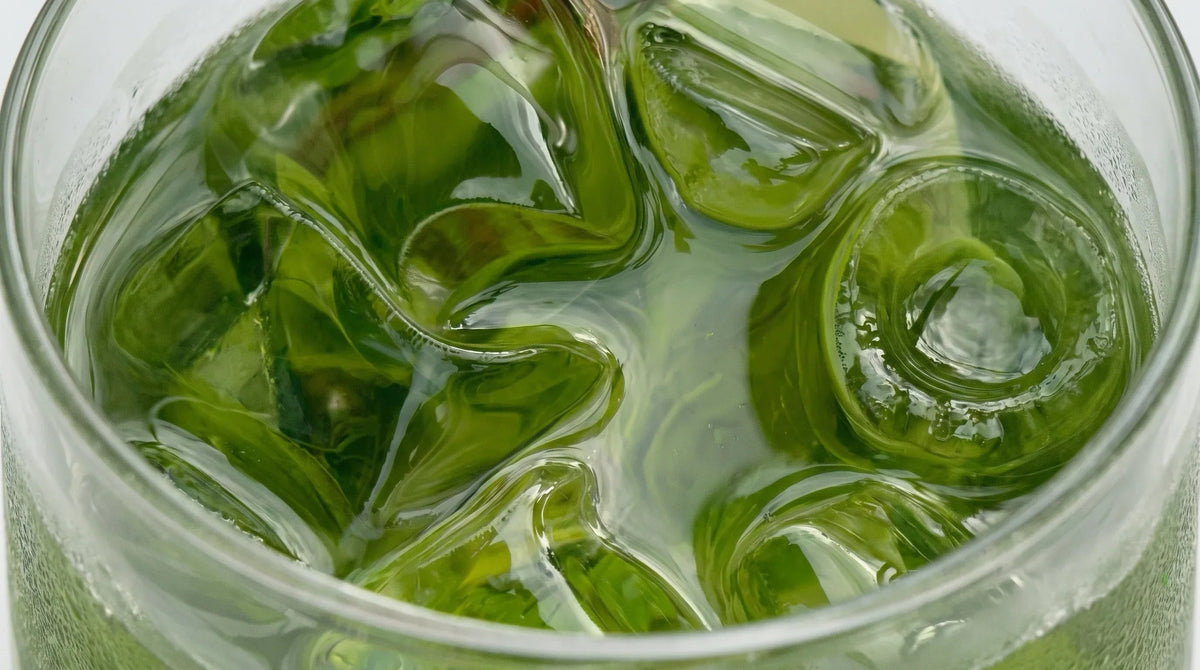
Green tea is one of the classic home remedies for weight loss, and for a long time, I was skeptical whether there was more to it than just a warm, low-calorie drink. When I looked at the meta-analyses, I was surprised: there actually is a small but reproducible effect on weight and waist circumference, and the mechanism behind it is well understood.

This doesn't mean that a cup of tea will melt away the pounds. But it's worth taking a closer look at what green tea can really do for your metabolism, how much you need for it, and where the line is for overdose.

Does green tea really help with weight loss?

Yes, to a modest extent. Several meta-analyses show that green tea, especially in combination with caffeine, can slightly reduce body weight and waist circumference. In an analysis of 15 randomized studies, participants lost an average of about 1.3 kilograms and around 2 centimeters from their waist (Phung et al., 2010). The effect is real but small, and it works best in conjunction with exercise and a balanced diet.

What green tea can do What research shows
Body Weight In meta-analyses, an average weight reduction of about 1.3 kg.
Waist Circumference Reduced by about 2 centimeters (Phung 2010).
Fat Burning EGCG and caffeine slightly increase thermogenesis.
Strength of Effect Moderate, greatest with caffeine and regular exercise.

How Green Tea Affects Metabolism

The most interesting active ingredient in green tea is the catechin EGCG (epigallocatechin gallate). It inhibits an enzyme called COMT, which normally breaks down the stress hormone norepinephrine. When COMT is inhibited, norepinephrine remains active for longer, and this signal slightly boosts heat production (thermogenesis) and fat burning in the body (Hursel and Westerterp-Plantenga, 2013).

The interaction with caffeine is crucial. Caffeine acts on a different part of the same signaling pathway, which is why EGCG and caffeine together have a stronger effect than each substance alone. This is precisely why caffeine-containing green tea extracts are particularly effective in studies, while decaffeinated varieties showed little effect on weight.

The effect on fat burning is not a switch, but a slight boost. Green tea increases daily energy consumption by a small amount and shifts utilization slightly towards fat. Over weeks, this can lead to a modest weight difference, especially if exercise is added.

What the Studies on Weight Show

The data is solid, but honest. A meta-analysis of 15 randomized studies found an average weight loss of about 1.3 kilograms and a reduction in waist circumference of almost 2 centimeters over usually twelve weeks among subjects using green tea catechins with caffeine (Phung et al., 2010). An earlier meta-analysis came to the same conclusion and emphasized that green tea can also help with weight maintenance (Hursel et al., 2009).

More recent, GRADE-rated dose-response analyses confirm that green tea extract can slightly reduce body weight, BMI, and body fat percentage, and increase beneficial markers like adiponectin. Honestly classified, this means: The effect is statistically proven, but small. Green tea does not replace a calorie-conscious diet and exercise; it can usefully supplement them.

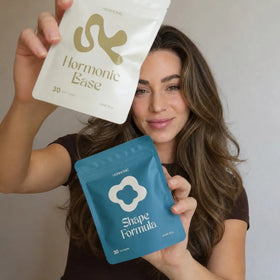
Shape Formula: Green Tea Extract in the Active Ingredient Complex

The Shape Formula combines green tea extract with other metabolism-boosting ingredients like L-carnitine and chromium, which, according to EFSA, contributes to normal blood sugar levels, in quantities that remain within safe limits. Doctor-developed and produced in Austria.
Start now

How to use green tea effectively

For green tea to make a noticeable contribution, quantity, caffeine, and context are crucial. A few points make all the difference.

  • Pay attention to the EGCG amount:Noticeable effects were observed from about 300 mg per day. You can achieve this with several cups of normal tea, while a standardized extract bundles the amount more compactly.
  • Don't optimize away caffeine:The effect on fat burning strongly depends on the interplay between EGCG and caffeine. Decaffeinated varieties are gentler on the stomach but less effective for weight loss.
  • Combine with exercise:The effect is greatest when green tea is added to regular exercise, not as a replacement for it.
  • Don't overdo it on an empty stomach:Very concentrated green tea or extract can irritate the stomach on an empty stomach; it's best taken with or after a meal.

Safety: high-dose extract and the liver

An important point that is often missing: Green tea as a beverage is considered safe, even in larger quantities. The situation is different with high-dose extracts. The European authority EFSA concluded that extracts from 800 milligrams of EGCG per day can be associated with initial signs of liver strain, i.e., elevated liver values (EFSA, 2018). Therefore, food supplements in the EU must remain below this limit and carry a warning notice.

For you, this means: Stick to sensible amounts, avoid very high-dose extracts over a longer period, and if you have known liver diseases or are pregnant, consult a doctor to clarify whether green tea extract is suitable for you.

Precisely in this moderate logic, green tea extract is also part of ourShape Formula. We combine it with other well-researched metabolic active ingredients such as L-carnitine and chromium, which, according to EFSA, contributes to normal blood glucose levels and normal macronutrient metabolism. This way, several approaches work together, in amounts that remain within a safe range.

If you want to know how another popular spice compares, you can read about it in our article onCinnamon for Weight Loss, and how to keep blood sugar spikes flat, you can find out underBlood Sugar Spikes.

And if you are unsure what is really sensible for your metabolism, you can discuss it in afree initial consultationwith one of our specialized doctors.

24 Active Ingredients for Metabolism & Hormones

The duo of Hormonic Base and Shape Formula provides you with essential active ingredients, such as vitamin B, zinc, selenium, or folate, which the body needs daily for central processes and hormone production. Shape also supplements plant-based ingredients for metabolism and blood sugar.

Learn more

Conclusion

Green tea is not a weight loss miracle, but it's not a mere wellness myth either. In meta-analyses, especially when combined with caffeine, it slightly reduces body weight and waist circumference by having EGCG and caffeine jointly boost fat burning. The effect is moderate and best achieved with exercise. As a beverage, green tea is safe; for high-dose extracts, the 800-milligram limit for EGCG applies. Understood in this way, green tea is a pleasant, well-tolerated component of a metabolism-friendly daily routine.

Frequent Questions About Green Tea for Weight Loss

Does green tea really help with weight loss?

To a modest extent, yes. Meta-analyses show that green tea with caffeine, on average, leads to approximately 1.3 kilograms less body weight and about 2 centimeters less waist circumference over twelve weeks. The effect is real but small, and works best in conjunction with exercise and a balanced diet.

How does green tea affect fat burning?

The active ingredient EGCG inhibits an enzyme that breaks down the stress hormone norepinephrine. This keeps the signal for heat production and fat burning active longer. Together with the caffeine in green tea, this provides a slight boost to energy expenditure, which is why caffeinated green tea is more effective than decaffeinated.

Wie viel grünen Tee sollte man zum Abnehmen trinken?
Spürbare Effekte zeigten sich in Studien ab etwa 300 Milligramm EGCG pro Tag. Eine Tasse grüner Tee liefert grob 50 bis 100 Milligramm, Du brauchst also mehrere Tassen oder einen standardisierten Extrakt. Hochdosierte Extrakte ab 800 Milligramm EGCG pro Tag solltest Du dauerhaft meiden.
Ist grüner Tee oder Grüntee-Extrakt schädlich für die Leber?
Grüner Tee als Getränk gilt als sicher, auch in größeren Mengen. Das Risiko betrifft hochdosierte Extrakte: Ab 800 Milligramm EGCG pro Tag können laut EFSA erhöhte Leberwerte auftreten. Deshalb sind Supplements in der EU unter dieser Grenze limitiert. Bei Lebererkrankungen oder in der Schwangerschaft ist ärztliche Rücksprache sinnvoll.

Scientific Sources

  • Phung, O. J. et al. (2010). Effect of green tea catechins with or without caffeine on anthropometric measures: a systematic review and meta-analysis. American Journal of Clinical Nutrition, 91(1), 73-81. doi:10.3945/ajcn.2009.28157
  • Hursel, R. et al. (2009). The effects of green tea on weight loss and weight maintenance: a meta-analysis. International Journal of Obesity, 33(9), 956-961. doi:10.1038/ijo.2009.135
  • Hursel, R. & Westerterp-Plantenga, M. S. (2013). Catechin- and caffeine-rich teas for control of body weight in humans. American Journal of Clinical Nutrition, 98(6 Suppl), 1682S-1693S. doi:10.3945/ajcn.113.058396
  • Grade-assessed systematic review and dose-response meta-analysis of green tea extract on body composition and obesity-related hormones (2023). British Journal of Nutrition.
  • European Food Safety Authority (EFSA) (2018). Scientific opinion on the safety of green tea catechins. EFSA Journal, 16(4), 5239. doi:10.2903/j.efsa.2018.5239

About the Author

Amelie Weiss

Amelie Weiss

Research Fellow, PhD · Hormonic

Amelie Weiss is a Research Fellow at Hormonic and conducts scientific research on hormonal health, micronutrients, and evidence-based women's health.

Note: This article is based on current guidelines and scientific work (as of 2026). It is for informational purposes only and does not replace professional medical advice, diagnosis, or treatment.

Share

You might also be interested in this.

Zimt zum Abnehmen: Was die Forschung wirklich zeigt - Hormonic
StoffwechselJul 23, 20268 min read
Cinnamon for Weight Loss: What the Research Really Shows

Can cinnamon help with weight loss? What studies on cinnamon, blood sugar, and weight show, how much is beneficial, and what you should know about coumarin.

Berberin zum Abnehmen: Wirkung, Studien und ehrliche Grenzen - Hormonic
StoffwechselJun 26, 20269 min read
Berberine for Weight Loss: Effects, Studies, and Honest Limitations

Berberine for Weight Loss: What studies show about its effects, what side effects exist, why its bioavailability is poor, and why a well-considered combination of active ingredients is often more s...

L-Carnitin: Wirkung, Abnehmen und was Studien zeigen - Hormonic
MikronährstoffeJun 25, 20268 min read
L-Carnitine: Effects, Weight Loss, and What Studies Show

L-Carnitine transports fatty acids into the mitochondria for energy production. What studies on weight loss and fat metabolism show, how to dose it, and for whom it is useful.