

Cart

Your cart is empty

Continue shopping

Trending searches

Featured products

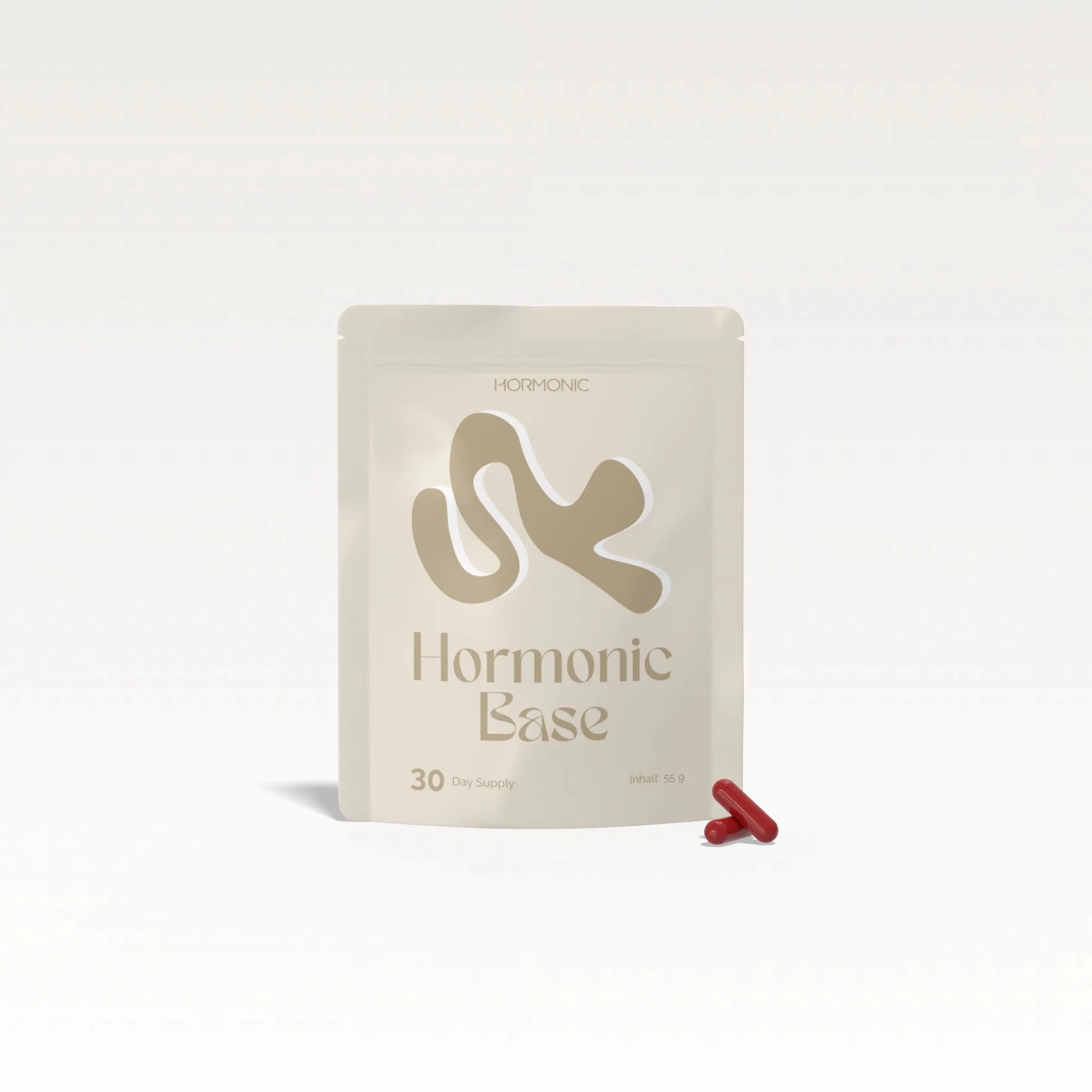
Hormonic Base Nahrungsergänzung mit 16 Mikronährstoffen
Sale price€65,00
(5.0)
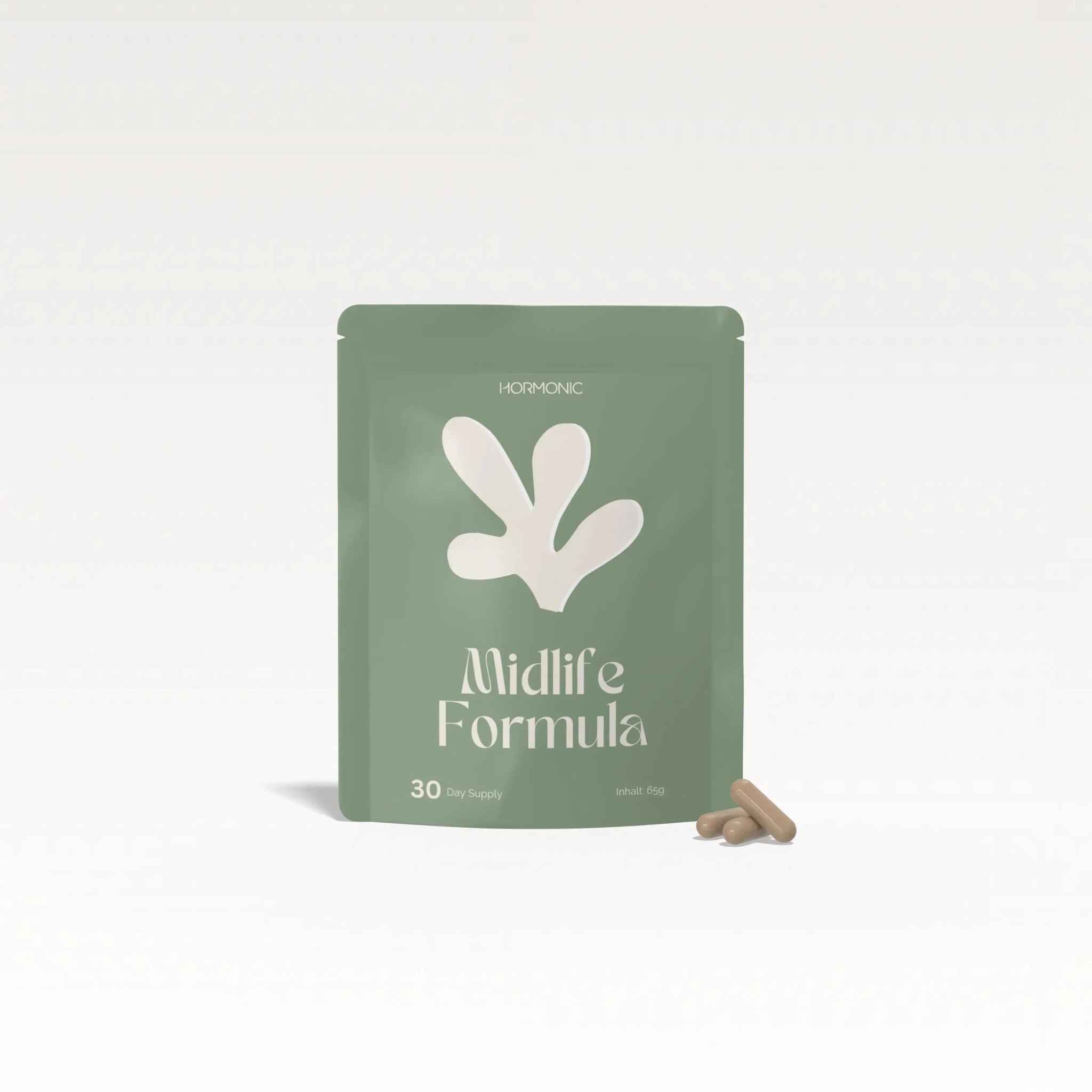
Hormonic Midlife Formula für die Perimenopause
Sale price€75,00
(5.0)
Hormonersatztherapie in den Wechseljahren: Nutzen & Risiken
WechseljahreJun 4, 20266 min read

Hormone Replacement Therapy in Menopause: Benefits & Risks

Few menopause topics are as emotionally charged as hormone therapy. We objectively assess what current research says about benefits, risks, and timing, without fear-mongering or downplaying.

Key takeaways

Hormone replacement therapy is the most effective treatment for moderate to severe menopausal symptoms and prevents bone loss. Risks such as breast cancer and thrombosis depend on the form, dose, and duration. According to the "window of opportunity" hypothesis, the benefit-risk ratio is more favorable when started within ten years of menopause. The decision is individual and should be made in consultation with a doctor.

Hardly any topic in menopause is as emotionally charged as hormone therapy. Many women still carry the fear from the early 2000s, while research has long since painted a more nuanced picture. Time for a sober assessment.

The WHI Shock of 2002

In 2002, initial results from the large Women’s Health Initiative (WHI) made headlines, and prescriptions plummeted. However, later re-analyses showed that the benefit-risk ratio strongly depends on when therapy is started, in what form, and at what dose (Cho et al., 2023).

What happens in the body?

During menopause, the ovaries gradually stop producing estrogen and progesterone. This hormone drop triggers typical symptoms, from hot flashes and sleep disturbances to vaginal dryness, and accelerates bone loss. Hormone therapy reintroduces these hormones to the body in a low dose, thereby alleviating symptoms at their root.

HRT is neither the bogeyman of 2002 nor a risk-free lifestyle product. It is a medical decision with clear considerations.
Benefits and risks, ordered by evidence

An honest assessment requires both sides. Here's what the current study situation shows.

Proven benefits

  • Hot flashes and night sweats: MHT is the most effective treatment for moderate to severe vasomotor symptoms (Cho et al., 2023).
  • Vaginal dryness and genital discomfort: Local, low-dose estrogen is the first-line treatment here.
  • Bones: MHT prevents postmenopausal bone loss and can reduce fracture risk in suitable women.

Risks you need to know about

Combined estrogen-progestogen therapy is associated with a slightly increased risk of breast cancer, which increases with the duration of use. Oral estrogens also increase the risk of blood clots and stroke. Transdermal forms, such as patches or gels, appear to have less impact on the risk of thrombosis than tablets (Cho et al., 2023). Cardiovascular prevention is expressly not an indication for MHT (USPSTF, 2022).

The Window of Opportunity Hypothesis

A central concept in modern research is the so-called window of opportunity hypothesis. Studies such as ELITE and KEEPS, as well as a Cochrane analysis from 2015, suggest that the benefit-risk ratio is more favorable if therapy is started within approximately ten years after menopause or before the age of 60. A later start, many years after menopause, changes this balance.

The Midlife Kit as an accompaniment

Whether with or without hormone therapy: The Midlife Bundle combines over 20 active ingredients, including magnesium, zinc, saffron, red clover, and creatine, developed for women who want to actively manage hormonal changes. Physician-developed, strictly lab-tested.

€75,00

Secure your Starter Pack

Who is eligible for hormone therapy?

There is no general answer, only an individual one. The decision depends on your symptoms, your age, the time since menopause, and your personal risk profile.

More suitable

  • Moderate to severe hot flashes or night sweats that interfere with daily life
  • Onset of symptoms within the first years after menopause, usually before the age of 60
  • Pronounced vaginal dryness, often as a local therapy
  • Increased risk of osteoporosis with concurrent menopausal symptoms

Caution or contraindication

  • History of breast cancer or certain hormone-dependent tumors
  • Previous thrombosis, pulmonary embolism, or unexplained vaginal bleeding
  • Severe liver diseases
  • Onset more than 10 years after menopause; here, the assessment shifts

Form, dose, and duration

Guidelines recommend the lowest effective dose and regular re-evaluation. Transdermal estrogens are considered more favorable than tablets for cardiovascular or thrombosis risk. Women with a uterus also need a progestogen to protect the uterine lining. Which combination suits you will be decided in a medical consultation.

What about bioidentical hormones?

The term bioidentical describes hormones that are structurally identical to the body's own hormones. Many approved preparations, such as transdermal estradiol and micronized progesterone, are already bioidentical. This should be distinguished from individually compounded preparations without standardized quality control, which professional societies advise against.

When to see a doctor?

Hormone therapy should always be administered by a doctor. Seek medical advice if your menopausal symptoms interfere with daily life, if you are considering MHT, or if you are already undergoing therapy and want to re-evaluate the benefits and risks. Unexplained bleeding, breast changes, or signs of thrombosis are always a reason for prompt medical clarification.

Are you wondering if HRT is right for you?

Then speak with one of our doctors, free of charge and from the comfort of your own home. They support hundreds of women during hormonal transitions and will work with you to find the right path for you.

Book now. Free

Conclusion

Hormone replacement therapy is neither the bogeyman of 2002 nor a risk-free lifestyle product. It is the most effective treatment for moderate to severe menopausal symptoms, with a benefit-risk ratio that strongly depends on the timing, form, and dose.

For many women who experience burdensome symptoms early in menopause, the benefits outweigh the risks. The decision is individual and should be made in consultation with a doctor, where you can collectively determine what is right for you.

Frequently Asked Questions about Hormone Replacement Therapy

Is hormone replacement therapy in menopause dangerous?

Generally, no. The benefit-risk ratio depends heavily on the timing, form, and dose. For women who start experiencing distressing symptoms early in menopause, the benefits often outweigh the risks (Cho et al., 2023). Risks such as breast cancer or thrombosis increase with duration of use and certain forms of administration. The assessment should always be part of a medical consultation.

When should one start hormone therapy?

According to the Window of Opportunity Hypothesis, the benefit-risk ratio is most favorable if therapy is started within approximately ten years of menopause or before the age of 60 (ELITE, KEEPS, Cochrane 2015). A significantly later start shifts the balance. You should discuss the right time individually with your doctor.

Wie lange darf man eine Hormonersatztherapie machen?

Eine pauschale Obergrenze gibt es nach aktuellen Leitlinien nicht mehr. Empfohlen wird die niedrigste wirksame Dosis und eine regelmäßige ärztliche Neubewertung von Nutzen und Risiken, meist einmal jährlich. Wie lange eine Therapie sinnvoll ist, hängt von deinen Beschwerden, deinem Alter und deinem Risikoprofil ab und wird individuell entschieden, nicht nach einer festen Jahreszahl.

Was sind die Nebenwirkungen einer Hormonersatztherapie?

Zu Beginn können Spannungsgefühl in der Brust, Wassereinlagerungen, Kopfschmerzen oder Zwischenblutungen auftreten, die sich oft nach einigen Wochen legen. Relevanter sind die längerfristigen Risiken: ein leicht erhöhtes Brustkrebsrisiko bei kombinierter Therapie sowie ein erhöhtes Thromboserisiko, vor allem bei oralen Präparaten. Transdermale Formen wie Pflaster oder Gele beeinflussen das Thromboserisiko weniger. Welche Form für dich am besten passt, klärst du ärztlich.

Gibt es natürliche Alternativen zur Hormonersatztherapie?

Es gibt eine Reihe nicht-hormoneller Optionen, deren Evidenz allerdings unterschiedlich stark ist. Lebensstil-Maßnahmen wie Krafttraining, Stressreduktion und eine ausgewogene Ernährung haben eine gute Grundlage. Pflanzenstoffe wie Rotklee oder Traubensilberkerze werden häufig genutzt, die Studienlage ist hier aber gemischt. Wichtig ist, dass natürliche Alternativen die HRT bei starken Beschwerden nicht in der Wirkstärke ersetzen. Was für dich sinnvoll ist, schaut ihr am besten gemeinsam im ärztlichen Gespräch an.

Scientific Sources

  • Cho L, Kaunitz AM, Faubion SS et al. (2023). Rethinking Menopausal Hormone Therapy: For Whom, What, When, and How Long? Circulation, 147(7), 597-610. doi:10.1161/CIRCULATIONAHA.122.061559
  • US Preventive Services Task Force. (2022). Hormone Therapy for the Primary Prevention of Chronic Conditions in Postmenopausal Persons: USPSTF Recommendation Statement. JAMA, 328(17), 1740-1746. doi:10.1001/jama.2022.18625
  • Boardman HMP et al. (2015). Hormone therapy for preventing cardiovascular disease in post-menopausal women. Cochrane Database of Systematic Reviews, (3), CD002229. doi:10.1002/14651858.CD002229.pub4
  • Hodis HN et al. (2016). Vascular Effects of Early versus Late Postmenopausal Treatment with Estradiol (ELITE). New England Journal of Medicine, 374(13), 1221-1231. doi:10.1056/NEJMoa1505241
  • Manson JE et al. (2017). Menopausal Hormone Therapy and Long-term All-Cause and Cause-Specific Mortality: The Women's Health Initiative Randomized Trials. JAMA, 318(10), 927-938. doi:10.1001/jama.2017.11217
  • DGGG et al. (2020). S3-Guideline Peri- and Postmenopause: Diagnostics and Interventions. AWMF Register No. 015-062.

About the Author

Lisa Maria Emmer

Lisa Maria Emmer

Medical Director · Hormonic

Lisa Maria Emmer is co-founder and medical director at Hormonic. She supports women with hormonal problems every day and specializes in cycle health, PCOS, and menopause.

Note: This article is based on current guidelines and scientific work (as of 2026). It is for informational purposes only and does not replace medical advice, diagnosis, or treatment.

Share

You might also be interested in this.
Bioidentische Hormone: Was sie sind, was sie können und was nicht
WechseljahreDec 1, 202510 min read
Bioidentical Hormones: What they are, what they can do, and what they can't

Bioidentical hormones are considered the natural alternative to conventional hormone preparations – but what's the real story? In this article, you'll learn how natural hormones work in the body, w...

Hitzewallungen: Was im Körper passiert und was wirklich hilft
WechseljahreJun 1, 20268 min read
Hot flashes: What happens in the body and what really helps

Hot flashes during and before menopause: What happens hormonally, which measures truly help, and when other causes should be investigated.
Frau im Gespräch zu Wechseljahren und Perimenopause, ärztliche Beratung bei Hormonic
WechseljahreApr 15, 20268 min read
Menopause & Perimenopause: The Complete Medical Guide

What happens during menopause? Stages, symptoms, recognizing perimenopause & what really helps. Medically explained, scientifically proven