
Cart

Your cart is empty

Continue shopping

Popular searches

Featured products

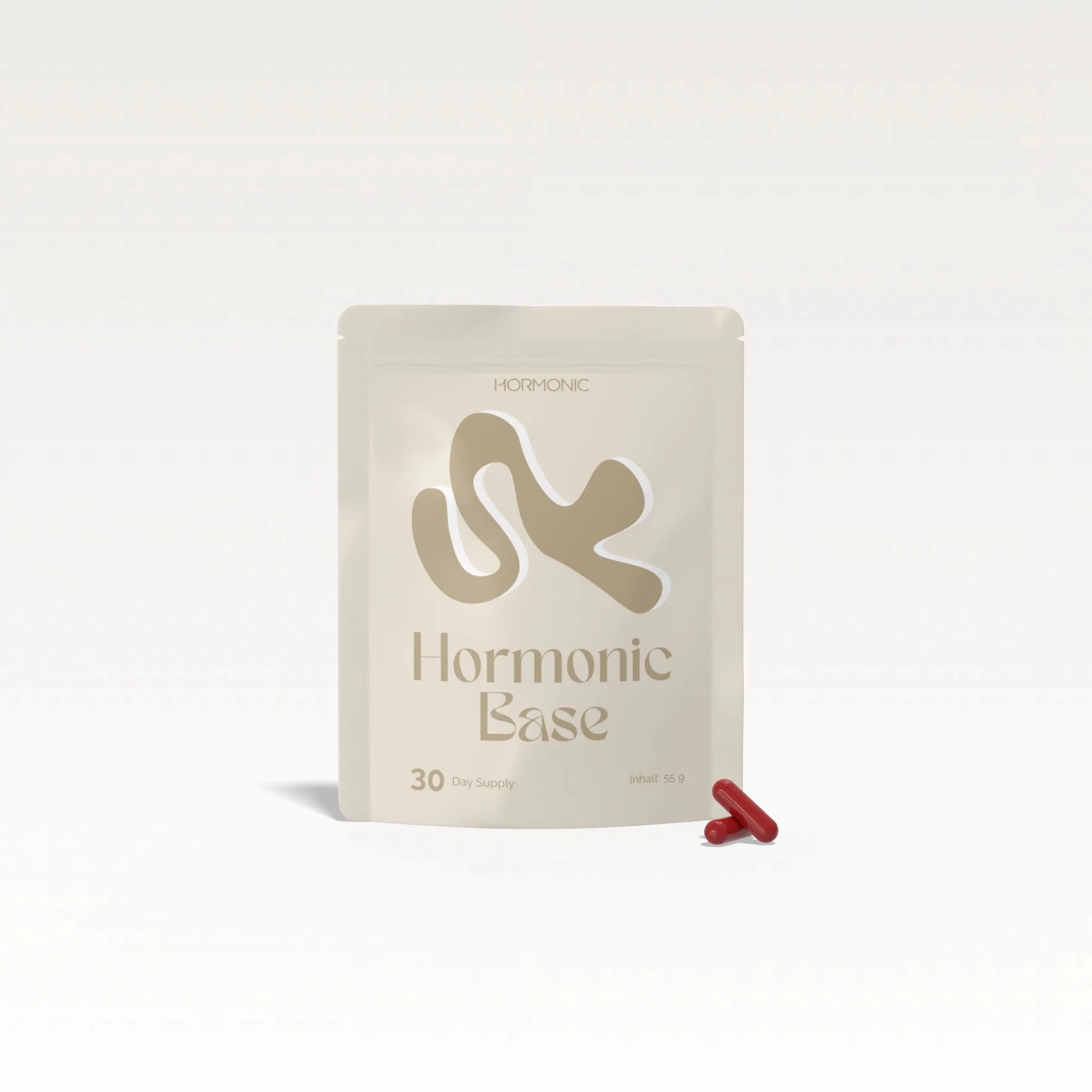
Hormonal Base
Sale price€65,00
(5.0)
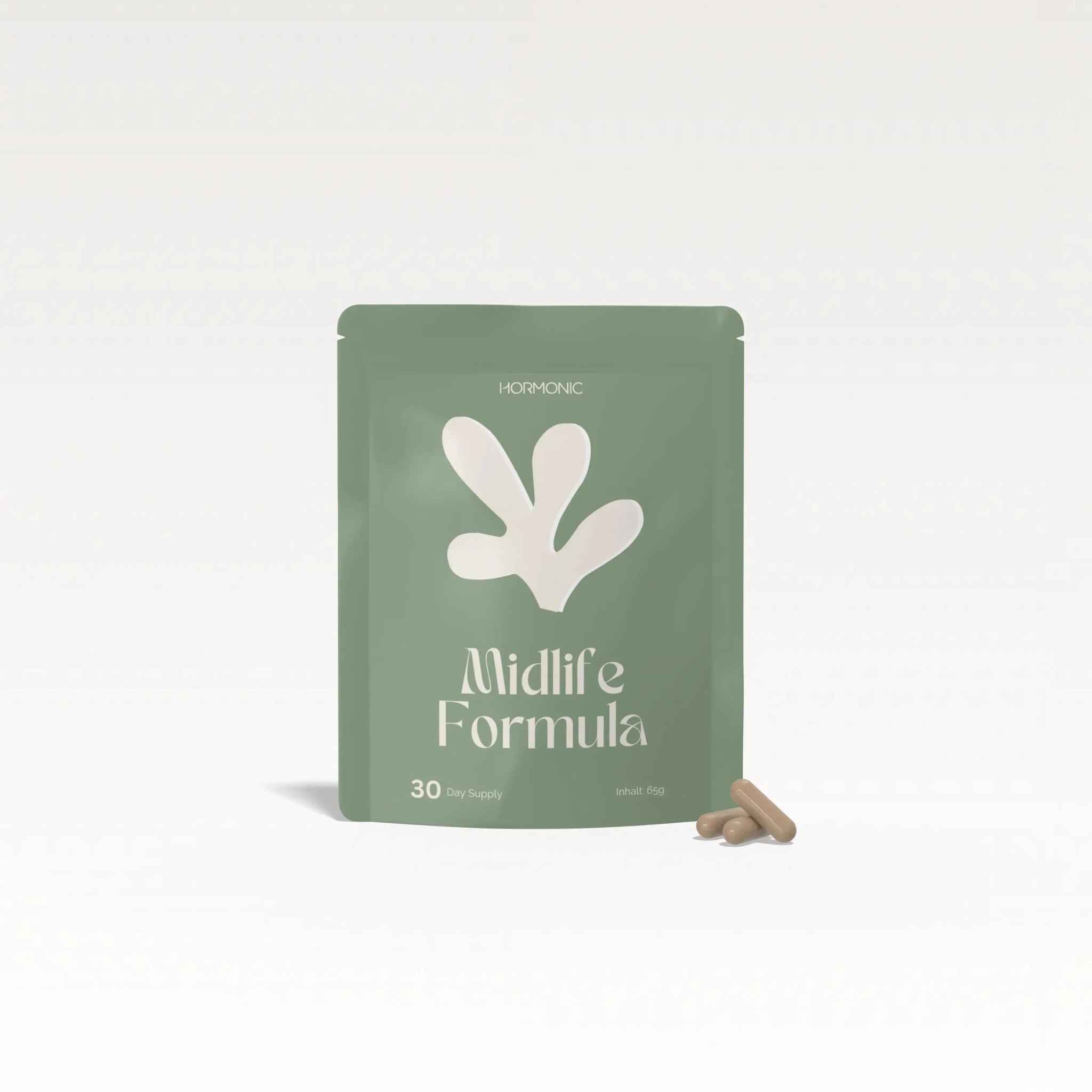
Midlife balance
Sale price€75,00
(5.0)
Frau im Home-Gym mit Kollagenpulver und Holzlöffel, Wechseljahre Kollagen Mikronährstoffe
MikronährstoffeNov 13, 20247 min read

Not All Collagen Is Created Equal: What You Should Know

Collagen and hormones are more closely linked than many realize. What research says about collagen supplements, which cofactors are truly important, and why a good micronutrient foundation is often more effective than the next collagen powder.

Key takeaways

The decline in collagen goes hand in hand with the drop in estrogen during menopause, and that's when supplementation becomes particularly interesting. Oral collagen peptides show moderate evidence for skin elasticity and joints. However, essential cofactors like vitamin C, zinc, and copper are more crucial for the body's own collagen synthesis, as collagen cannot be produced without them. Hormonic Base provides precisely these cofactors.

Quick Definition

What is collagen and why does it decline after 30?

Collagen is the most abundant protein in the human body. It forms the structural basis of skin, bones, cartilage, tendons, and blood vessels. From the age of 25, the body's own production declines, and during menopause, this breakdown accelerates significantly.¹

30%
Skin collagen loss in the first 5 years after menopause
from 25
the body's own collagen production begins to decline

Collagen supplements fill supermarket shelves and Instagram feeds. But what does science really say? And why might the micronutrients your body needs for collagen production be more crucial than the powder in your shake?

How estrogen and collagen are related

Estrogen stimulates fibroblast activity, i.e., the cells that produce collagen. When estrogen levels drop during perimenopause, these cells lose one of their most important activation signals. This explains why skin changes, joint problems, and bone changes often occur simultaneously during this phase of life.²

It's not just about skin, but a systemic process of change triggered by hormonal shifts.

Collagen breakdown during menopause is not a cosmetic problem, but a hormonally controlled metabolic process that affects skin, bones, and joints simultaneously.

What collagen supplements can and cannot do

The evidence base has improved, but remains nuanced. A 2021 meta-analysis of over 1,000 participants showed significant improvements in skin elasticity and moisture.³ A 2024 meta-analysis confirms moderate effects on knee pain.

What is less proven: Orally ingested collagen does not reach the skin as an intact molecule. It is broken down into amino acids. Whether these act as signaling molecules is still the subject of research.

Did you know

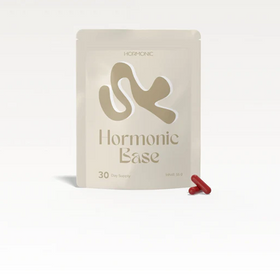
Hormonic Base contains no collagen. Deliberately.

Collagen is a protein, not a micronutrient solution. What Hormonic Base provides are the cofactors your body needs to produce and protect collagen itself.

Vitamin CZincCopper+ 13 more
Discover Hormonic Base →

Producing your own collagen: the three key mechanisms

Your body produces collagen daily if it has the right building blocks. These three micronutrients are enzymatically non-negotiable.

Vitamin C

Cofactor of the enzymes that stabilize the collagen triple helix. Without Vitamin C: collagen synthesis is not possible.

Zinc

Activates matrix metalloproteinases for collagen remodeling. Zinc deficiency directly impairs wound healing and skin structure.

Copper

Activates lysyl oxidase, which cross-links collagen and elastin fibers and gives them mechanical resilience. Without copper, collagen remains structurally weaker, even if adequately produced.
The real question: eat collagen or produce collagen?

Collagen supplements provide protein. But your body can also produce collagen itself if it has the right building blocks. Three micronutrients are non-negotiable here.

Vitamin C: the crucial cofactor

Without vitamin C, collagen cannot be biochemically synthesized. It is a direct cofactor of the enzymes prolyl-4-hydroxylase and lysyl-hydroxylase, which stabilize the collagen triple helix. A vitamin C deficiency directly leads to impaired collagen formation, classically visible in the clinical picture of scurvy. Adequate vitamin C supply is therefore a basic prerequisite for collagen synthesis, not just a bonus.

Zinc: Remodeling and Protection

Zinc is a cofactor of matrix metalloproteinases (MMPs), i.e., the enzymes that break down old collagen and replace it with new. At the same time, zinc regulates the expression of collagen genes in fibroblasts. A review published in 2024 confirms: zinc deficiency directly impairs wound healing and the quality of skin structure.

Copper: Cross-linking and Stability

Copper activates lysyl oxidase, the enzyme that cross-links collagen and elastin fibers, thereby giving them mechanical resilience. Without sufficient copper, collagen remains structurally weaker, even if enough is produced. These three cofactors explain why a collagen supplement works suboptimally without simultaneously good micronutrient supply.

Collagen and bones: more than just skin

Type I collagen makes up about 90 percent of the organic bone matrix. When estrogen levels drop and collagen production decreases, this affects not only the skin but also bone density. A long-term study showed that a higher vitamin C intake was associated with significantly higher bone mineral density in postmenopausal women. Collagen, bones, and hormones are not separate topics; they are parts of the same system.

What really makes sense: a prioritization guide

  1. Ensure cofactors:Vitamin C, zinc, and copper must be sufficiently present before collagen supplements can be meaningfully considered.
  2. Establish nutritional foundation:Collagen is formed from the amino acids glycine, proline, and hydroxyproline. Sufficient protein from meat, fish, legumes, and eggs provides these building blocks.
  3. Consider collagen supplement:If cofactors are covered, a hydrolyzed collagen peptide preparation can be a useful supplement, especially for skin and joints.
  4. Consider hormonal context:In perimenopause, medically supervised hormone therapy can directly support fibroblast activity and thus collagen production.

Hormonic Base: Cofactors of Collagen Production

Hormonic Base contains no collagen, which is intentional. It provides micronutrients without which your body cannot produce collagen: vitamin C, zinc, copper, magnesium, and 12 others. The daily foundation for hormonal health.

€65,00

Discover Hormonic Base

What the Evidence Summarizes

  • Collagen degradation and hormonal changes are directly linked: estrogen controls fibroblast activity.
  • Oral collagen peptides show moderate evidence for skin (Grade B) and joints (Grade B); the biochemical mechanism of action is not yet fully understood.
  • Vitamin C, zinc, and copper are enzymatically necessary for collagen synthesis – not a bonus, but a prerequisite.
  • During menopause, collagen affects not only the skin but also bones, joints, and blood vessels simultaneously.
  • A good micronutrient foundation is a more effective first step than a collagen supplement without accompanying basic care.

When should you consult a doctor?

  • If joint pain and skin changes increase significantly during perimenopause and impair your quality of life
  • If osteoporosis or accelerated bone density loss is suspected
  • If you are considering Menopausal Hormone Therapy (MHT) as an option for hormonally induced collagen degradation
  • In case of persistent wound healing disorders or unexplained skin changes

Unsure which supplements make sense?

Talk to one of our doctors, free of charge. Together, we'll review your individual situation and see what next steps make sense for you.

To the free call

References

  1. Calleja-Agius J. et al. (2013). Skin ageing. Menopause International, 19(2), 65–71. doi:10.1177/1754045313487156
  2. Rzepecki AK et al. (2019). Estrogen-deficient skin: the role of topical therapy. International Journal of Women’s Dermatology, 5(2), 85–90. doi:10.1016/j.ijwd.2019.01.001
  3. de Miranda RB et al. (2021). Effects of hydrolyzed collagen supplementation on skin aging: a systematic review and meta-analysis. International Journal of Dermatology, 60(12). doi:10.1111/ijd.15518
  4. Khatri M. et al. (2021). The effects of collagen peptide supplementation on body composition, collagen synthesis, and recovery from joint injury and exercise. Amino Acids, 53(10), 1493–1506. doi:10.1007/s00726-021-03072-x
  5. Shoulders MD & Raines RT. (2009). Collagen structure and stability. Annual Review of Biochemistry, 78, 929–958. doi:10.1146/annurev.biochem.77.032207.120833
  6. Ruiz-Ojeda FJ et al. (2024). Minerals and the Menstrual Cycle: Impacts on Ovulation and Endometrial Health. Nutrients, 16(7), 1008. doi:10.3390/nu16071008
  7. Hallberg L. et al. (2003). Vitamin C and iron absorption. European Journal of Clinical Nutrition. Mechanistic review of Vitamin C in collagen biosynthesis.

Frequently Asked Questions About Collagen and Hormones

Does collagen supplement really help with skin aging?

The evidence is moderately positive. A 2021 meta-analysis with over 1,000 participants showed significant improvements in skin elasticity and moisture. The effect sizes are real but not dramatic. Crucially, collagen supplements can only work optimally if cofactors such as vitamin C, zinc, and copper are present in sufficient quantities.

Why doesn't Hormonic Base contain collagen?

Collagen is a protein, not a micronutrient. Hormonic Base was designed as a micronutrient foundation. It provides the cofactors your body needs to produce collagen itself: vitamin C as an essential enzyme component, zinc for collagen remodeling, and copper for cross-linking the fibers. This basic supply is often more effective than an isolated collagen powder without accompanying micronutrients.

Scientific Sources

  • Calleja-Agius J. et al. (2013). Skin ageing. Menopause International, 19(2), 65–71. doi:10.1177/1754045313487156
  • Rzepecki AK et al. (2019). Estrogen-deficient skin: the role of topical therapy. Int J Women's Dermatology, 5(2), 85–90. doi:10.1016/j.ijwd.2019.01.001
  • de Miranda RB et al. (2021). Hydrolyzed collagen supplementation on skin aging: meta-analysis. Int J Dermatology. doi:10.1111/ijd.15518
  • Khatri M. et al. (2021). Collagen peptide supplementation and joint recovery. Amino Acids, 53(10). doi:10.1007/s00726-021-03072-x
  • Shoulders MD & Raines RT. (2009). Collagen structure and stability. Annu Rev Biochem, 78, 929–9958. doi:10.1146/annurev.biochem.77.032207.120833
  • Ruiz-Ojeda FJ et al. (2024). Minerals and the Menstrual Cycle. Nutrients, 16(7), 1008. doi:10.3390/nu16071008

About the Author

Amelie Weiss

Amelie Weiss

PhD & Research Fellow · Hormonic

Lisa Maria Emmer is co-founder and medical director at Hormonic. She supports women with hormonal problems every day and specializes in cycle health, PCOS, and menopause.

Note: This article is based on current guidelines and scientific work (as of 2026). It is for informational purposes only and does not replace medical advice, diagnosis, or treatment.

Share

You might also be interested in this.

Frau Mitte 40 in heller Küche am Morgen, hält Schälchen mit Supplements, warme Töne, Wechseljahre Magnesium
WechseljahreMay 24, 20268 min read
Magnesium in Menopause: What the Research Says

Magnesium can support sleep, mood, and bones in perimenopause and postmenopause. Here's what the research actually says, which forms work best, and what magnesium can't do.
Wechseljahre & Perimenopause: Der komplette medizinische Guide
WechseljahreApr 15, 20268 min read
Menopause & Perimenopause: The Complete Medical Guide

What happens during menopause? Stages, symptoms, recognizing perimenopause & what really helps. Medically explained, scientifically proven

Hitzewallungen: Was im Körper passiert und was wirklich hilft
WechseljahreJun 1, 20268 min read
Hot flashes: What happens in the body and what really helps

Hot flashes during and before menopause: What happens hormonally, which measures truly help, and when other causes should be investigated.