
Offer ends in10:00

Cart

Your cart is empty

Continue shopping

Trending searches

Featured products

Hormonic Base - Hormonic - Nahrungsergänzungsmittel
Sale price€65,00
(5.0)
Midlife Formula - Hormonic - Nahrungsergänzungsmittel
Sale price€75,00
(5.0)
Magersucht und keine Periode: Ursachen, Folgen, und was Du tun kannst - Hormonic
ZyklusFeb 25, 20268 min read

Anorexia and amenorrhea: Causes, consequences, and what you can do

This article is part of: The Menstrual Cycle: The 4 Phases, Hormones, and What's Normal

When menstruation stops due to anorexia, it's a warning sign from the body. This article explains the hormonal mechanisms behind functional hypothalamic amenorrhea and why a missed period affects more than just the cycle.

Key takeaways
  • An absent period with underweight is usually a functional hypothalamic amenorrhea: The body pauses reproduction.
  • The cause is a chronic energy deficit, which, via leptin and cortisol, shuts down the control in the brain.
  • The resulting estrogen deficiencyaffects bones, blood vessels, the brain, and metabolism, not just the cycle.
  • The condition is usually reversible: The earlier it is addressed, the more complete the recovery.

Important Note

If your period is absent for more than three months, it should be medically evaluated. When dealing with an eating disorder, the most important support is specialized medical and psychotherapeutic care. This article explains the mechanisms and does not replace a diagnosis or treatment.

Free, anonymous counseling: Germany BZgA 0221 892031 (bzga-essstoerungen.de) · Austria 0800 20 11 20 · Switzerland AES (aes.ch).

The Essentials at a Glance

  • The absence of a period due to being underweight is usually functional hypothalamic amenorrhea: the body shuts down reproduction.
  • The cause is a chronic energy deficiency, which throttles brain regulation via leptin and cortisol.
  • The resulting estrogen deficiency affects the bones, blood vessels, brain, and metabolism, not just the cycle.
  • This condition is usually reversible, and the sooner it is addressed, the more complete the recovery.
  • The most important measure is sufficient energy and specialized treatment, not a supplement.

As an MSc psychologist and co-founder, I encounter this topic again and again, and I know how much insecurity lies behind the question: Why is my period missing, and what does that mean for my body? I would like to explain to you here, calmly and honestly, what is happening biologically, without drama, but also without sugarcoating anything.

When your period is absent due to anorexia, it is not a coincidence, but a protective mechanism: the body pauses reproduction because it lacks energy. Medically, this is usually referred to as functional hypothalamic amenorrhea. This cycle disorder is fundamentally reversible, but only if the causes are understood and specifically addressed. The longer it persists, the higher the risk of lasting consequences.

A thought in advance

An absent period is a signal, not a flaw. Your body is not doing anything wrong; it is reacting logically to a perceived energy deficiency and protecting itself by shutting down non-essential systems first. That is precisely why the period is often the first visible sign and a valuable early indicator.

What a missing period means biologically when underweight

Medically, amenorrhea stands for the absence of menstruation. Secondary amenorrhea is diagnosed when there was a regular cycle previously, the period has been absent for at least three months, and no pregnancy is present. When underweight, this is almost always due to functional hypothalamic amenorrhea.

Definition

Functional Hypothalamic Amenorrhea

Functional means: there is no structural damage to the ovaries. They still function in principle, the egg reserve is often present, and the uterus and lining are intact. The problem lies in the hormonal regulation in the brain, which sends too few signals to maintain ovarian function.

Lab results reveal a characteristic pattern, a so-called hypogonadotropic hypogonadal state:

Marker Pattern Meaning
LH low the brain sends too few stimulating impulses
FSH low follicle maturation is not sufficiently triggered
Estradiol significantly reduced the core problem with consequences for the whole body
Progesterone absent no ovulation has occurred

This pattern distinguishes hypothalamic amenorrhea from other causes: in PCOS, LH is frequently elevated; in premature ovarian insufficiency, both LH and FSH are elevated. Here, however, they are low because the brain is consciously sending fewer impulses.
Hormonal control: why the body responds with amenorrhea

The female cycle is controlled by the Hypothalamic-Pituitary-Gonadal Axis(HPG axis). The hypothalamus produces GnRHand releases it in pulses. This pulsatility is crucial: it determines how much LH and FSH the pituitary releases, which in turn initiates follicular maturation, estrogen production, and ovulation in the ovaries.

It's not the absolute amount of hormones that matters, but the rhythm.

In anorexia nervosa, three mechanisms usually act simultaneously to disrupt this rhythm.

Driver 1: Energy deficit

The body continuously measures its energy availability, not the BMI. If too little energy remains after movement and basal metabolism, the hypothalamus recognizes the deficit and reduces the GnRH pulse frequency. The cycle is one of the first systems to be shut down.

Driver 2: Leptin, the signal from adipose tissue

Leptin signals to the brain how large the energy stores are. With significantly reduced body fat, leptin decreases, the brain registers "energy security not given," Kisspeptin neurons become less active, and GnRH signals diminish.

Driver 3: Stress and Cortisol

Chronically elevated cortisol inhibits GnRH neurons. This is why amenorrhea can persist even with slight weight gain: psychological stress stabilizes hormonal suppression.

The hormonal cascade

When leptin is low, energy availability is low, and cortisol is elevated, GnRH pulsatility decreases. This leads to a chain:

  • GnRH decreases: the pituitary receives weaker impulses.
  • LH and FSH decrease: the ovaries are less stimulated.
  • Estrogen decreases: no adequate buildup, no ovulation.
  • No progesterone phase: no cyclical hormonal drop.
  • The period stops.

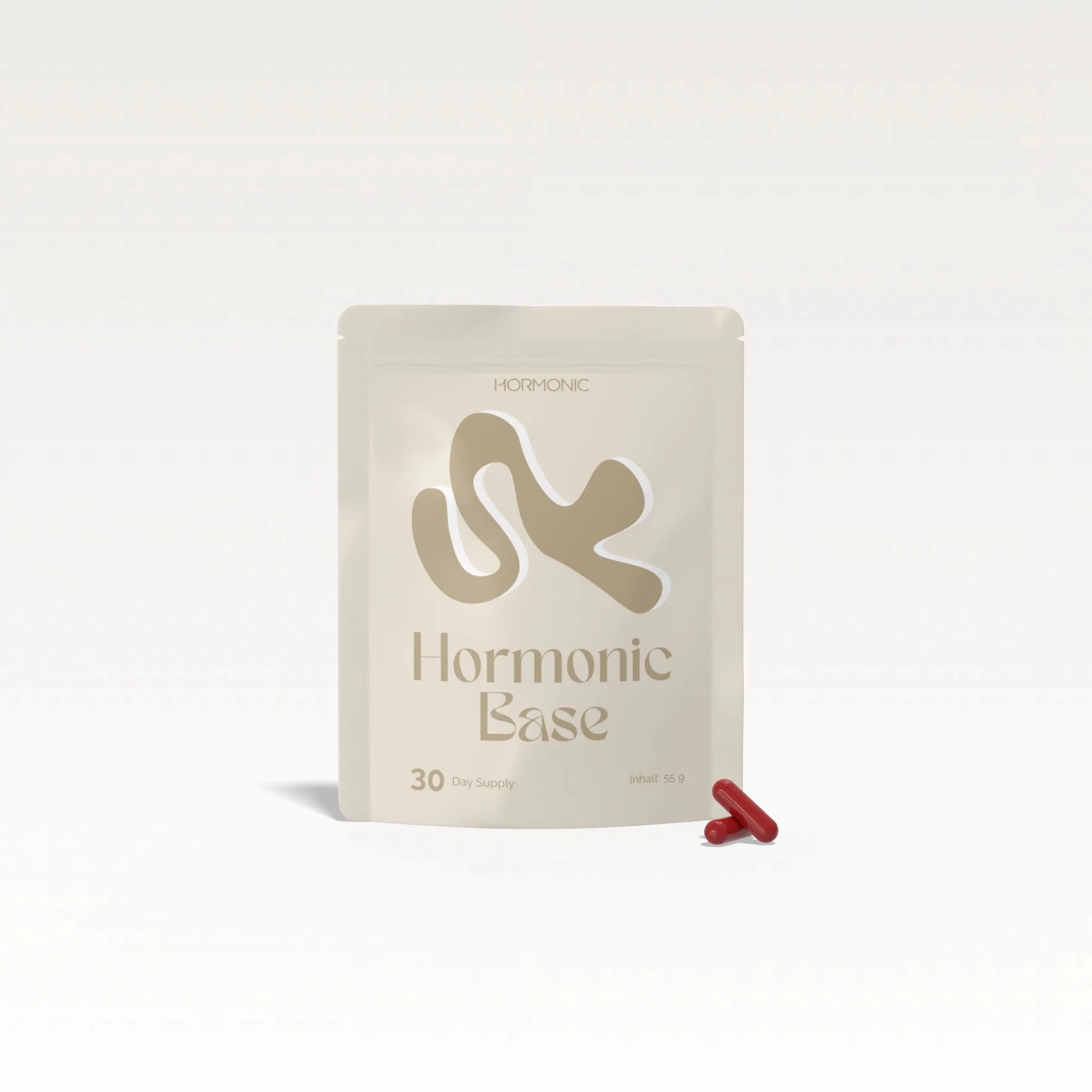
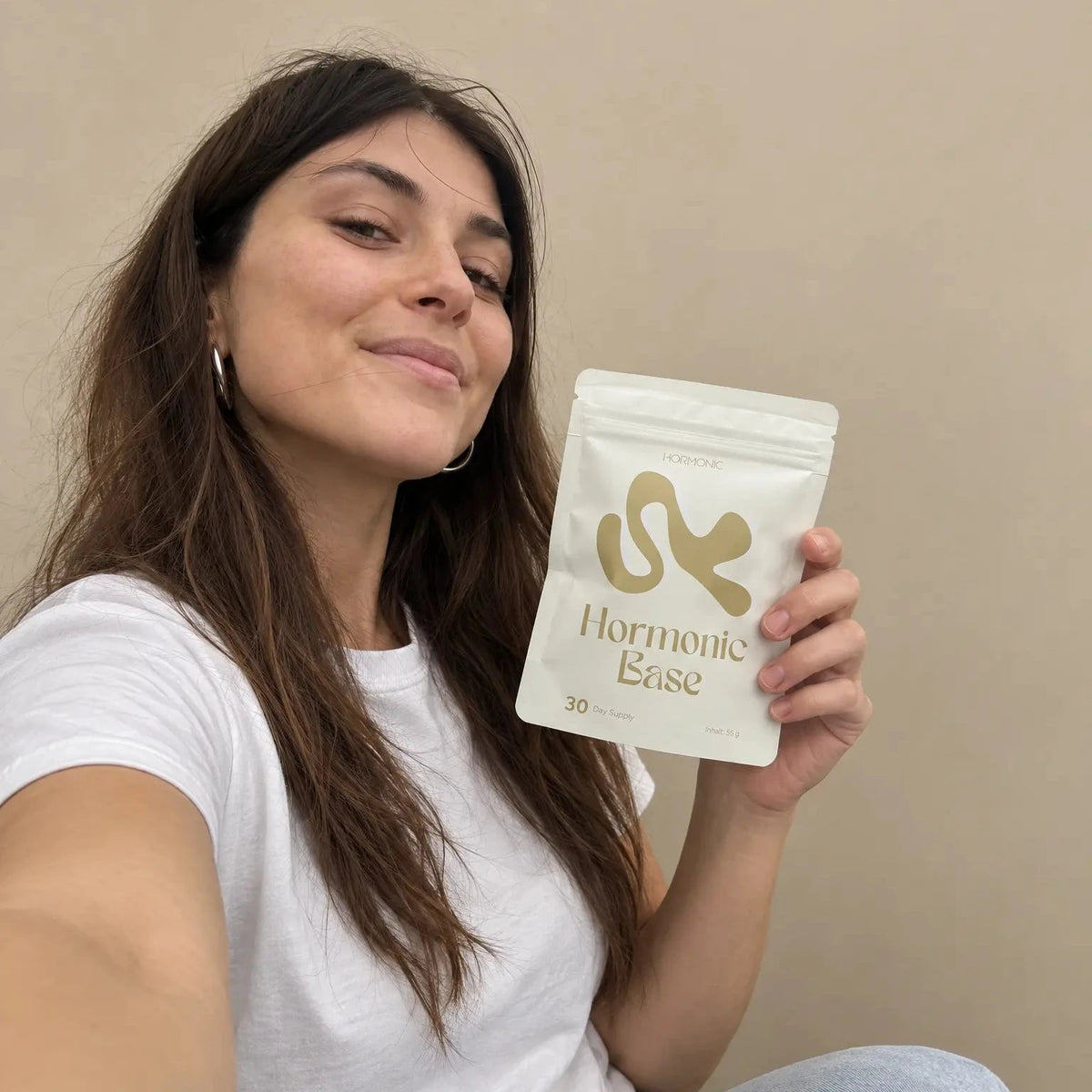
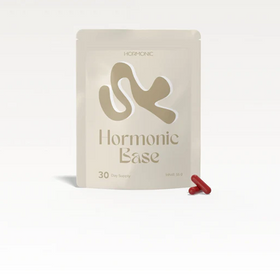
Hormonic Base: Micronutrient Basis in Recovery

Reduced food intake often leads to micronutrient deficiencies that are important for bones, the nervous system, and hormone balance. Hormonic Base provides 16 essential micronutrients, including magnesium, which contributes to the normal function of muscles and the nervous system, as well as vitamin D and zinc. Developed by doctors and produced in Austria.
Learn more

When it is not hypothalamic amenorrhea

Not every missed period with underweight is automatically FHA. It is a diagnosis of exclusion: other causes must first be systematically ruled out.

  • Pregnancy: the most common cause of secondary amenorrhea. A β-hCG test should always be the first diagnostic step.
  • Hyperprolactinemia: elevated prolactin can inhibit GnRH secretion. Causes include prolactinoma, medications, chronic stress, or hypothyroidism.
  • Thyroid diseases: both hypo- and hyperthyroidism can cause menstrual cycle disorders. TSH, fT3, and fT4 are part of the basic workup.
  • PCOS: pathophysiologically completely different, with elevated androgens, an elevated LH/FSH ratio, and a polycystic pattern on ultrasound.
  • Primary Ovarian Insufficiency (POI): the ovaries fail prematurely, with highly elevated FSH and LH levels and low estradiol.

Only when structural, endocrine, and ovarian causes have been ruled out is the diagnosis of FHA made.

Why a missed period is biologically relevant

When a period is missed due to anorexia nervosa, it's not just the monthly bleeding that is absent. Above all, estradiol, the central estrogen of the female body, is missing. And estrogen is not a mere "fertility hormone"; it is a systemic regulatory hormone with effects on bones, blood vessels, the brain, metabolism, and immune function.

Bones

Estrogen regulates bone remodeling: It inhibits osteoclasts (bone-resorbing cells) and indirectly supports osteoblasts (bone-forming cells). With persistently low estradiol, bone resorption predominates, and at the same time, bone formation is often reduced in underweight individuals. This is particularly critical in adolescence and young adulthood when maximum bone density (Peak Bone Mass) is being built up.

Cardiovascular system

Estrogen has a protective effect on blood vessels: It influences endothelial function, promotes the formation of vasodilatory nitric oxide, and has anti-inflammatory properties. With persistently low estradiol, reduced vascular elasticity, altered lipid profiles, and endothelial dysfunction can develop: early changes that become relevant in the long term.

Brain and psyche

Estrogen modulates serotonin, dopamine, GABA, and glutamate, i.e., systems that control mood, motivation, anxiety regulation, and cognitive flexibility. Chronically low estradiol levels can be associated with increased susceptibility to depression and anxiety, emotional instability, and reduced stress resilience. In anorexia nervosa, energy deficiency, estrogen deficiency, and chronic stress act synergistically on the brain.

Fertility

Without ovulation, no corpus luteum forms, and without a corpus luteum, there is no progesterone, which is also important for endometrial maturation, thermoregulation, and neuroprotective effects. The good news: In FHA, the ovarian reserve is often not destroyed. The problem is the lack of central activation, which is fundamentally reversible.

What supports the path back to the cycle

The most important and effective measure in FHA is the restoration of adequate energy availability, accompanied by a reduction in excessive exercise and chronic stress. In the case of an eating disorder, this always occurs within the framework of specialized medical and psychotherapeutic treatment, not independently.

A balanced nutrient supply is a basic prerequisite. With reduced food intake, there are often gaps in micronutrients that play a role in bone metabolism and hormonal regulation. Whether and which nutrients are usefully supplemented in your case should be medically supervised and adapted to your laboratory values.

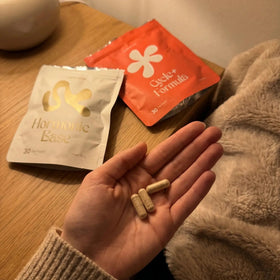
The Power Duo for Hormones & Cycle

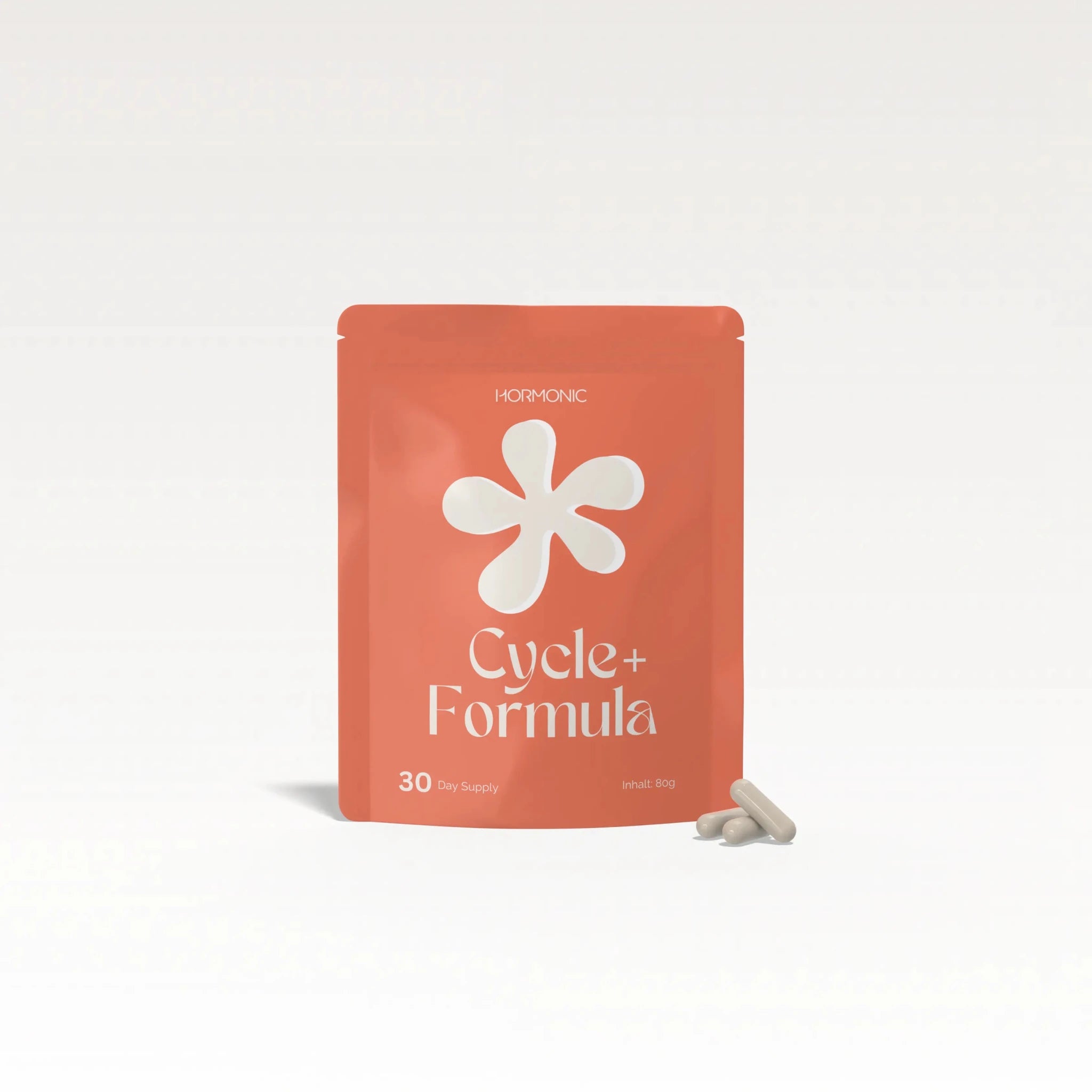
While Hormonic Base provides the 16 essential nutrients the body needs daily, which are often lacking in a deficient diet, Cycle+ supplements 8 active ingredients specifically relevant to cycle-related issues, including myo-inositol and zinc. Developed by doctors, manufactured in Austria, and loved by thousands of women.

Start with a price advantage

Conclusion

The absence of a period in anorexia is not an isolated symptom, but rather a marker of a chronic state of adaptation: the body prioritizes survival over reproduction. This absence is usually caused by functional hypothalamic amenorrhea, triggered by energy deficiency, low leptin, and elevated cortisol.

The crucial point is that this condition is reversible in most cases. The sooner the underlying causes are understood and addressed with medical support, the more completely the hormonal regulation recovers, and the lower the risk of lasting consequences for the bones, blood vessels, and psyche.

Frequent questions about amenorrhea in underweight individuals

Will my period come back after weight gain?

Functional hypothalamic amenorrhea is reversible in most cases. As soon as sufficient energy is available and stress and excessive exercise are reduced, the hormonal control in the brain can resume its normal pulsatility. How quickly this happens varies greatly from individual to individual and should be medically supervised.

How much do I need to weigh for my period to return?

This is individual and not defined by a fixed number on the scale. The decisive factor is not primarily weight, but energy availability, i.e., the ratio of energy intake to energy expenditure. In the case of an eating disorder, your doctor will set individual goals with you, which is why this article deliberately does not mention specific numbers.

Kann die Pille die Periode bei FHA wiederherstellen?
Eine Blutung unter der Pille ist eine Entzugsblutung, kein Zeichen dafür, dass der eigene Zyklus und die zugrunde liegende hormonelle Steuerung wiederhergestellt sind. Die Pille kann das eigentliche Problem, den Energiemangel, nicht beheben und maskiert es eher. Ob hormonelle Präparate im Einzelfall zum Knochenschutz sinnvoll sind, entscheidet die behandelnde Ärztin oder der Arzt.
Ist eine ausbleibende Periode bei Untergewicht gefährlich?
Das Ausbleiben selbst ist vor allem ein Warnsignal. Relevant ist der dahinterstehende Östrogenmangel, der bei längerer Dauer Knochen, Gefäße und Psyche betrifft. Besonders kritisch ist eine länger bestehende Amenorrhoe in jungen Jahren, weil dann die maximale Knochendichte aufgebaut wird. Deshalb gehört eine über drei Monate ausbleibende Periode ärztlich abgeklärt.
Wann sollte ich damit zur Ärztin oder zum Arzt?
Sobald die Periode ohne Schwangerschaft länger als drei Monate ausbleibt, ist eine ärztliche Abklärung angezeigt. Bei einer bestehenden oder vermuteten Essstörung ist eine spezialisierte ärztliche und psychotherapeutische Begleitung die wichtigste Unterstützung. Anonyme, kostenlose Beratung bietet in Deutschland die BZgA unter 0221 892031.

Scientific Sources

  • Gordon CM et al. (2017). Functional Hypothalamic Amenorrhea: An Endocrine Society Clinical Practice Guideline. J Clin Endocrinol Metab. doi:10.1210/jc.2017-00131
  • Meczekalski B et al. (2014). Functional hypothalamic amenorrhea and its influence on women's health. J Endocrinol Invest. doi:10.1007/s40618-014-0169-3
  • Fourman LT, Fazeli PK (2015). Neuroendocrine causes of amenorrhea: an update. J Clin Endocrinol Metab. doi:10.1210/jc.2014-3344
  • Chou SH, Mantzoros C (2018). Bone metabolism in anorexia nervosa and hypothalamic amenorrhea. Metabolism. doi:10.1016/j.metabol.2018.02.005
  • Shufelt CL et al. (2017). Hypothalamic Amenorrhea and the Long-Term Health Consequences. Semin Reprod Med. doi:10.1055/s-0037-1603581
  • Mountjoy M et al. (2018). IOC consensus statement on Relative Energy Deficiency in Sport (RED-S). Br J Sports Med. doi:10.1136/bjsports-2018-099193

About the Author

Lee Paulina Pape

Lee Paulina Pape

Founder · MSc Psychology · Hormonic

Lee is a psychologist (MSc) and co-founder of Hormonic. As CEO, she makes women's hormonal health understandable and accessible.

Note: This article is based on current guidelines and scientific work (as of 2026). It is for informational purposes only and does not replace medical advice, diagnosis, or treatment. In the case of an eating disorder, consult a doctor before taking any steps.

Share

You might also be interested in this.

Östrogenmangel: Symptome, Ursachen & was im Körper passiert - Hormonic
HormoneJun 4, 20268 min read
Estrogen Deficiency: Symptoms, Causes & What Happens in the Body

What is estrogen deficiency and what causes it? Learn how estrogen works in the body, what symptoms a deficiency triggers, who can be affected – even before menopause – and what a comprehensive dia...

Periode bleibt aus: Ursachen, Diagnose & was wirklich hilft - Hormonic
ZyklusJul 3, 20258 min read
Missed Period: Causes, Diagnosis & What Really Helps

A missed period is no coincidence. Learn about the most common causes, from stress to PCOS, when medical clarification makes sense, and what really helps to get your cycle back.

Krafttraining für Frauen: Wie es Hormone, Stoffwechsel und Knochen stärkt - Hormonic
FitnessJun 18, 20268 min read
Strength Training for Women: How it Boosts Hormones, Metabolism, and Bones

Strength training profoundly impacts women's insulin, bone density, and muscle mass. An honest assessment of what the evidence truly shows across different life stages.