




Cart

Your cart is empty

Continue shopping

Trending searches

Featured products

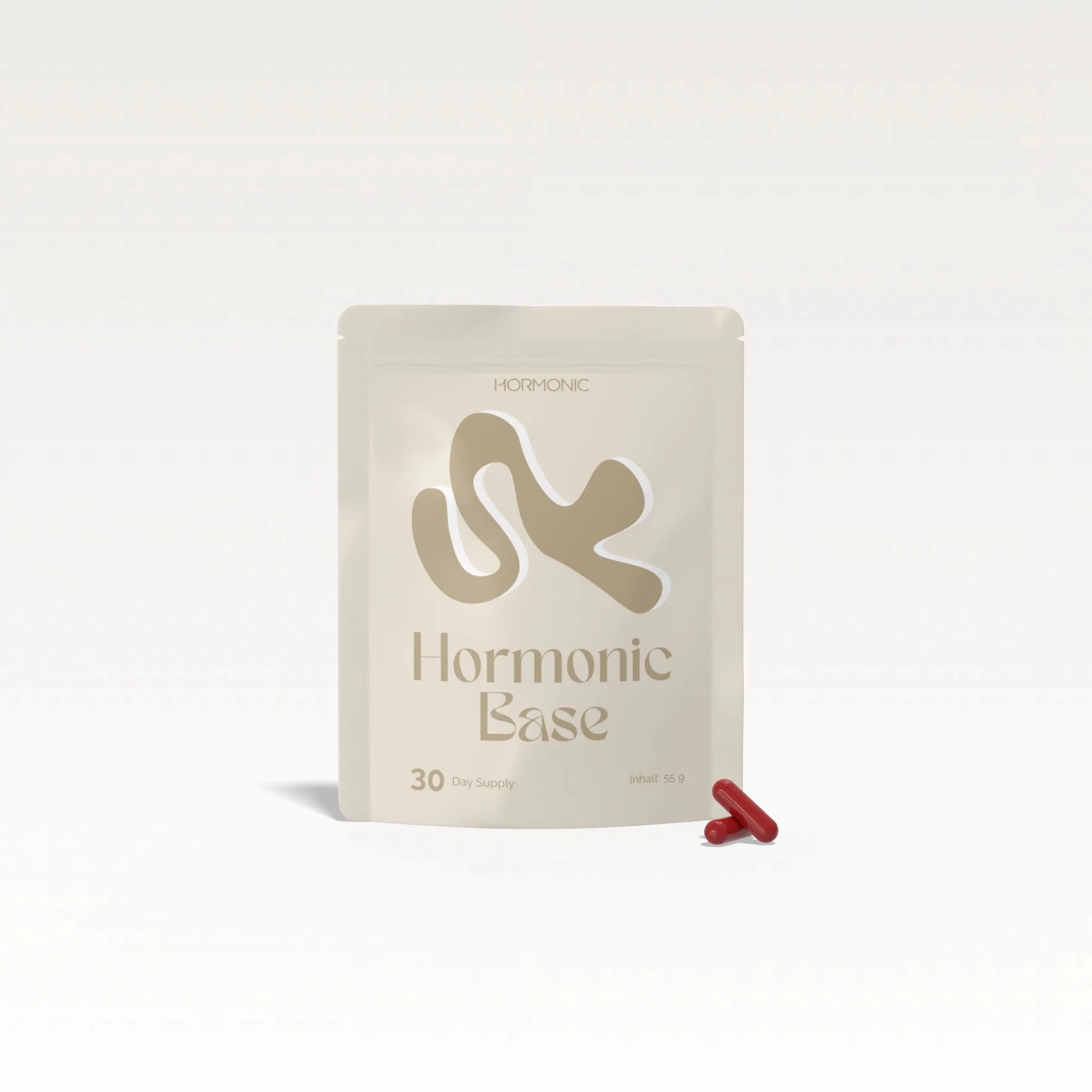
Hormonic Base - Hormonic - Nahrungsergänzungsmittel
Sale price€65,00
(5.0)
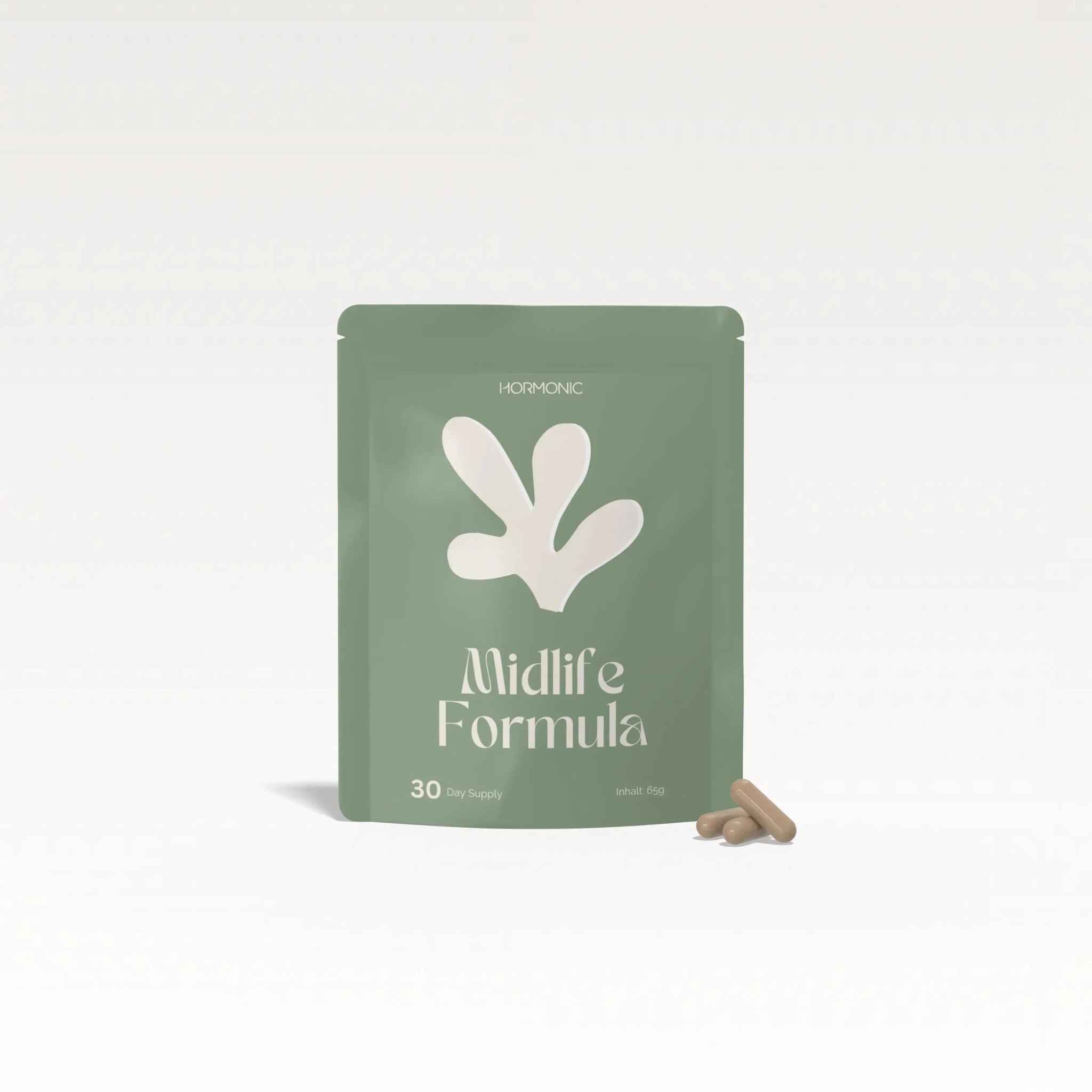
Midlife Formula - Hormonic - Nahrungsergänzungsmittel
Sale price€75,00
(5.0)
Nachts aufwachen und nicht mehr einschlafen: was Frauen hilft - Hormonic
SchlafJul 19, 20268 min read

Waking up at night and not being able to fall back asleep: what helps women

You fall asleep easily, but then you're wide awake at 3 AM and can't get back to sleep: Many women experience this kind of sleep maintenance insomnia. This article honestly explains why this happens, what you should check first, and what really helps.

Key takeaways

  • Women suffer from sleep disorders about 40 percent more often than men, and waking up at night rarely has a single cause.
  • Hormones play a role: falling progesterone before menstruation and during menopause makes sleep lighter, along with hot flashes.
  • The popular idea of a cortisol surge at 3 AM is plausible but not proven. The relationship is more reciprocal.
  • First, underestimated causes should be ruled out: sleep apnea, restless legs with iron deficiency, and thyroid issues.
  • Cognitive behavioral therapy for sleep is the best-supported treatment. Nutrients like magnesium can support, but are not a sleep aid.

In my practice, this is one of the most common topics: women who fall asleep easily in the evening but wake up in the middle of the night and then lie there worrying. This is exhausting, and quickly the thought arises that one is doing something wrong. Here, I want to calmly and honestly explain what's behind it, what needs to be clarified first, and what actually helps, instead of just repeating the usual tips.

Did you know?

The popular claim that a cortisol surge wakes you up at three in the morning sounds plausible, but it is not proven. While chronic insomnia is associated with increased internal tension, the relationship is bidirectional: poor sleep drives cortisol, not just the other way around.

Why women wake up at night

Just like with bloating, there isn't one single cause here. Waking up at night usually results from a combination of factors, and some affect women more strongly:

  • Hormones. Progesterone has a calming and sleep-promoting effect. When it drops before menstruation and during menopause, sleep becomes lighter and more easily disturbed. If estrogen also drops, hot flashes and night sweats are added, which are classic triggers for waking up.
  • Internal tension and worrying. At night, thoughts that were suppressed during the day return. This over-arousal is one of the best-documented reasons for staying awake.
  • Cortisol rhythm. Cortisol naturally rises in the early morning hours. In chronic sleep problems, this rhythm is often shifted, but honestly: this is both a symptom and a cause, not a simple switch.
  • Alcohol, caffeine, and screens. While alcohol may help you fall asleep, it fragments the second half of the night. Late coffee and bright light in the evening have the same effect.
  • Age. Quite independently of hormones, sleep becomes lighter and more frequently interrupted with age.

If your waking phases are clearly related to menopause, you'll find more detailed strategies in the article on sleep problems in perimenopause.

What you should have checked first

Before you despair about your sleep, three often-overlooked causes should be ruled out, as they are treatable. Firstly, sleep apnea: In women, it is massively underestimated because it often doesn't manifest as loud snoring, but as fatigue, exhaustion, and precisely, waking up at night. Secondly, Restless Legs Syndrome, a tingling and urge to move the legs in the evening, which is closely related to low iron stores, and women often have low ferritin due to menstruation. Thirdly, the thyroid, because an over- or underactive thyroid disrupts sleep.

Therefore, a simple blood test for ferritin and thyroid values is worthwhile before attributing sleep problems solely to hormones or stress. First check, then act specifically.
What truly helps, honestly sorted by evidence

By far the most evidence-based approach for persistent sleep problems is cognitive behavioral therapy for sleep, often abbreviated as CBT-I. Studies show it significantly reduces nighttime wakefulness, has long-term effects, and no side effects. In most self-help guides, it's hidden under sleep hygiene, but it should be prioritized. A central component of it can be implemented immediately: If you lie awake for more than about 20 minutes, get up, go to another room, and do something quiet in dim light, instead of tossing and turning in bed. This teaches your mind again that the bed is for sleeping.

In addition, there are the proven basic conditions: a fixed wake-up timeeven on weekends, a cool, dark bedroom, daylight in the morning, and less alcohol and late coffee in the evening. And very important: If a specific cause is found, treating it is the most effective lever. Hot flashes can be specifically treated during menopause, an iron deficiency in restless legs can be compensated, and sleep apnea can be managed by a specialist. Then sleep often returns on its own.

Nutrients: Magnesium, Glycine and Co, honestly classified

Honesty is important here, because a lot is promised. Magnesiumcontributes to the normal functioning of the nervous system, normal psychological function, and the reduction of fatigue. This is a sensible basis. However, the data situation specifically for sleep is weak: small studies at best show a slight effect on falling asleep, but hardly any on staying asleep. Magnesium is therefore a gentle component, not a sleeping pill. You can read how a magnesium deficiencymanifests itself in our own article.

For the amino acid glycine, there are small studies suggesting slightly better sleep quality, and L-theanine is being researched in connection with relaxation. However, both are only weakly supported by evidence and should not be understood as sleeping pills. Melatonin, finally, primarily helps with falling asleep and with a shifted rhythm, less with staying asleep, and is prescription-only at higher doses. In short: nutrients can support the framework, but the actual difference is made by sleep behavior, treating the cause, and patience.

16 Active Ingredients for Hormones, Nervous System & Calm

Hormonic Base contains magnesium, which contributes to the normal functioning of the nervous system, normal psychological function, and the reduction of fatigue, as well as the calming amino acid L-glycine and other micronutrients. Frankly, the evidence for magnesium specifically aiding in sleeping through the night is weak; therefore, Base is not a sleeping aid but rather a calming daily foundation alongside good sleep habits.

Discover Hormonic Base

When you should seek medical help

Occasional restless nights are normal. You should seek medical help if the sleep disturbance lasts longer than about three months and noticeably affects you during the day. You should also be alert to signs of sleep apnea such as loud snoring, observed breathing pauses, or severe daytime sleepiness, to an urge to move your legs in the evening, which indicates restless legs, and to very early awakening combined with a depressed mood, which can be a sign of depression.

This is no cause for concern, but rather the path to targeted help, as there are good treatments for all these causes. If you are unsure whether your nocturnal awakenings are due to your hormones, your cycle, or something else, you can have it assessed in a free initial consultationwith one of our doctors, completely without obligation.

Awake at three and you don't know why?

Is your nighttime waking related to your hormones, your cycle, or menopause? In a free 15-minute consultation, one of our doctors will assess your situation, completely without obligation. Conveniently via video call from home, with no waiting times.

For a free consultation

Conclusion

Waking up at night and not being able to fall back asleep is common and rarely the expression of a single problem. In women, hormones play a role: falling progesterone makes sleep lighter, and hot flashes interrupt sleep. The popular image of a cortisol surge at three o'clock, on the other hand, is more myth than evidence. It is important to rule out underestimated causes such as sleep apnea, restless legs with iron deficiency, and thyroid issues.

Cognitive behavioral therapy for sleep is the most well-documented approach, along with fixed sleep times, a cool bedroom, and treating the underlying cause. Nutrients like magnesium can support, but are not a sleeping aid. And if nights are disruptive for months, seeing a doctor is the right thing to do. With this knowledge, you can approach your sleep much more calmly.

Frequent Questions About Waking Up at Night

Why do I always wake up at the same time at night?

Because several factors come together. Sleep naturally becomes lighter in the second half of the night, while cortisol levels rise towards morning, and even small stimuli like hot flashes, a full bladder, brooding, or alcohol can wake you up. However, the popular idea of a cortisol surge at precisely three o'clock has not been proven. In women, falling progesterone levels before menstruation and during menopause also contribute to waking up at night.

Does magnesium help you sleep through the night?

Only to a limited extent. Magnesium contributes to the normal functioning of the nervous system, normal psychological function, and the reduction of fatigue. However, the scientific evidence specifically for sleep is weak: small studies show at most a slight effect on falling asleep, and hardly any effect on staying asleep. So, magnesium is a gentle building block, but not a sleeping aid and no substitute for good sleep habits or addressing the underlying cause.

Was hilft wirklich gegen nächtliches Aufwachen?
Am besten belegt ist die kognitive Verhaltenstherapie für Schlaf (KVT-I). Sofort umsetzbar ist die Regel, bei längerem Wachliegen aufzustehen und erst bei Müdigkeit zurück ins Bett zu gehen, dazu eine feste Aufstehzeit, ein kühles, dunkles Schlafzimmer, morgens Tageslicht und abends weniger Alkohol und Kaffee. Am wichtigsten ist, eine konkrete Ursache wie Hitzewallungen, Eisenmangel oder Schlafapnoe zu behandeln. Nährstoffe wie Magnesium können begleiten, ersetzen das aber nicht.
Wann sollte ich mit Schlafproblemen zur Ärztin?
Wenn die Schlafstörung länger als etwa drei Monate anhält und Dich tagsüber beeinträchtigt. Ebenso bei Hinweisen auf eine Schlafapnoe wie lautem Schnarchen, Atemaussetzern oder starker Tagesmüdigkeit, bei einem Bewegungsdrang der Beine am Abend (Restless Legs, dann Ferritin prüfen lassen) oder bei sehr frühem Erwachen mit gedrückter Stimmung. Für all diese Ursachen gibt es gute Behandlungen, deshalb lohnt sich die Abklärung.

Scientific Sources

  • Zhang, B., Wing, Y. K. (2006). Sex differences in insomnia: a meta-analysis. Sleep, 29(1), 85-93. PMID: 16453985
  • Trauer, J. M. et al. (2015). Cognitive Behavioral Therapy for Chronic Insomnia: Systematic Review and Meta-analysis. Ann Intern Med, 163(3), 191-204. doi:10.7326/M14-2841
  • de Zambotti, M., Baker, F. C. et al. (2014). Menstrual cycle-related variation in autonomic and sleep. Sleep Med. PMID: 24841109
  • Dressle, R. J. et al. (2022). HPA axis activity in insomnia: a systematic review and meta-analysis. Sleep Med Rev, 62, 101588. doi:10.1016/j.smrv.2022.101588
  • Bonsignore, M. R. et al. (2016). Sex differences in obstructive sleep apnoea. Multidiscip Respir Med.
  • Allen, R. P. et al. (2018). Evidence-based and consensus guidelines for iron treatment of RLS. Sleep Med.
  • Mah, J., Pitre, T. (2021). Oral magnesium supplementation for insomnia in older adults: meta-analysis. BMC Complement Med Ther, 21, 125. doi:10.1186/s12906-021-03297-z
  • Yamadera, W. et al. (2007). Glycine ingestion improves subjective sleep quality. Sleep Biol Rhythms, 5, 126-131.
  • Regulation (EU) No. 432/2012; EFSA Journal 2010;8(10):1807 (Magnesium: nervous system, psychological function, reduction of fatigue).

About the Author

Lisa Maria Emmer

Founder · Physician · Hormonic

Lisa Maria Emmer is co-founder and medical director at Hormonic. She supports women with hormonal problems every day and specializes in cycle health, PCOS, and menopause.

Please note: This article is based on current guidelines and scientific work (as of 2026). It is for informational purposes only and does not replace medical advice, diagnosis, or treatment.

Share

You might also be interested in this.

Schlafstörungen in der Perimenopause: Was wirklich hilft - Hormonic
WechseljahreFeb 6, 202610 min read
Sleep Disturbances in Perimenopause: What Really Helps

Sleep disturbances during perimenopause are no coincidence. Learn about the hormonal and neurobiological causes behind them – and what truly helps.

Magnesiummangel bei Frauen: Symptome und was wirklich hilft - Hormonic
MikronährstoffeJun 27, 20268 min read
Magnesium Deficiency in Women: Symptoms and What Really Helps

Fatigue, PMS, poor sleep: Magnesium deficiency in women is often overlooked. Symptoms, studies, and what really helps.

Cortisol senken: Was wirklich hilft (und was nicht) - Hormonic
HormoneJul 3, 20269 min read
Lowering Cortisol: What Really Helps (and What Doesn't)

Lowering cortisol is a trend, but much of it is exaggerated. What truly influences your cortisol, what studies suggest helps, and when you should see a doctor.