
Cart

Your cart is empty

Continue shopping

Trending searches

Featured products

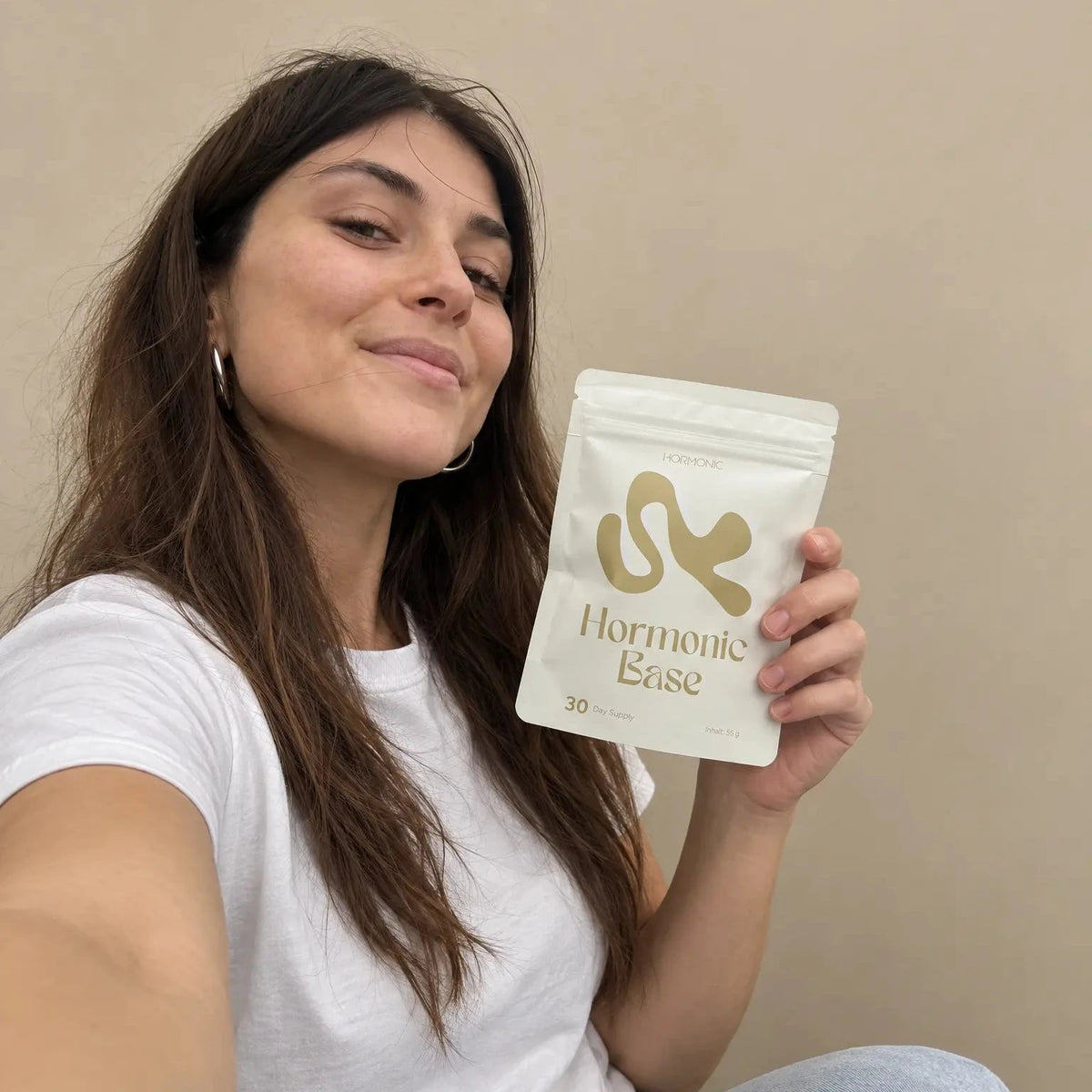
Hormonic Base - Hormonic - Nahrungsergänzungsmittel
Sale price€65,00
(5.0)
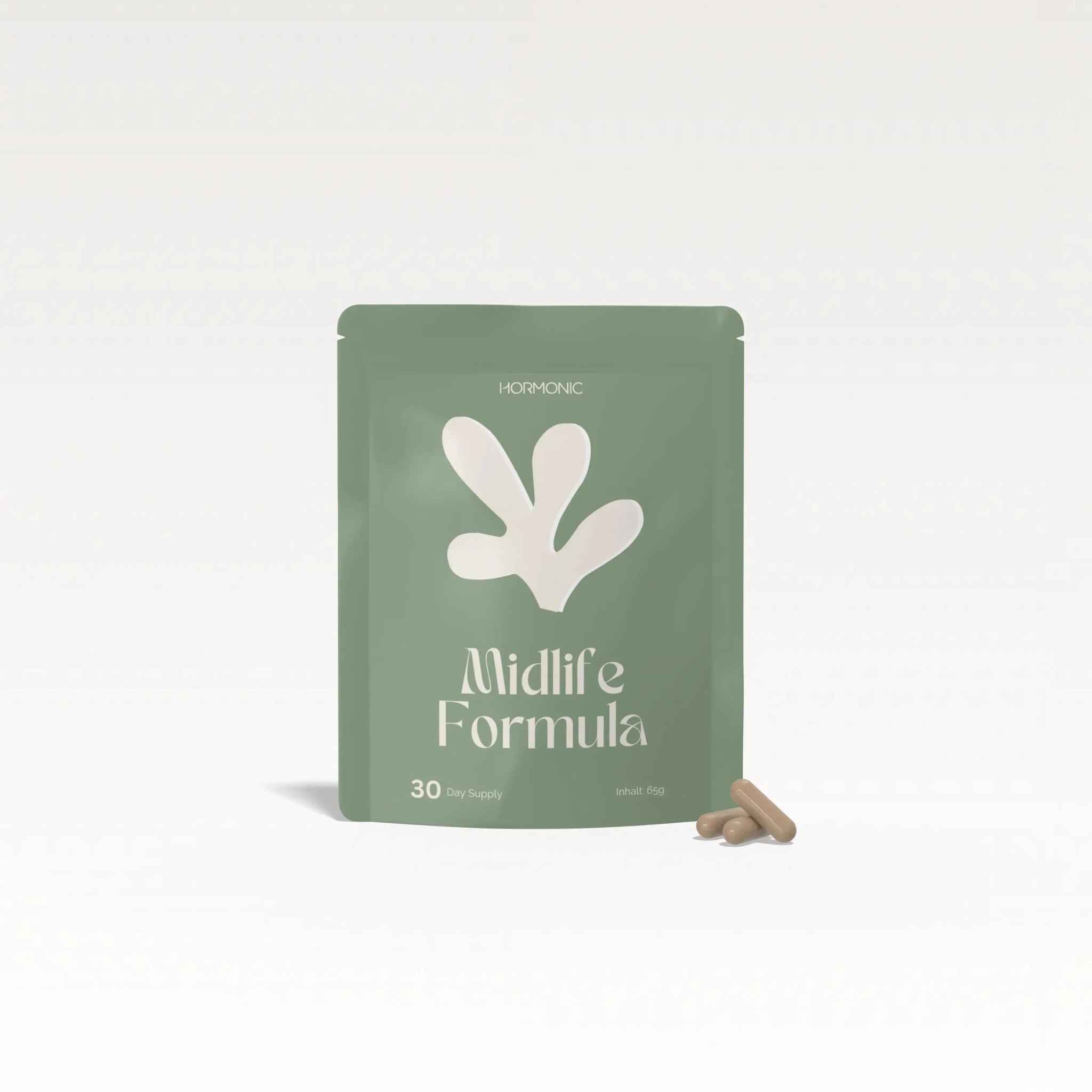
Midlife Formula - Hormonic - Nahrungsergänzungsmittel
Sale price€75,00
(5.0)
Cortisol senken: Was wirklich hilft (und was nicht) - Hormonic
HormoneJul 3, 20269 min read

Lowering Cortisol: What Really Helps (and What Doesn't)

Dieser Artikel ist Teil von: Thyroid and Hormones in Women: The Complete Guide

Key takeaways

  • Cortisol is a vital hormone; a short spike is not the problem, but chronic stress is.
  • The most powerful levers are free: good sleep, moderate exercise, stable blood sugar, and stress reduction.
  • Intense exercise briefly elevates cortisol, which is normal; only persistent overtraining is problematic.
  • Ashwagandha is the best-supported; magnesium and L-glycine primarily work indirectly through calm and sleep.
  • For severe symptoms, measure cortisol levels and consult a doctor instead of guessing.

To be honest, I stumbled upon this topic because half my feed was suddenly full of it: "Cortisol Face," "Cortisol Belly," expensive powders supposedly lowering the stress hormone overnight. As someone who studied psychology, this made me curious and skeptical at the same time. So I looked at what the studies really say and what's just clickbait.

The result is reassuring and a bit uncomfortable: Cortisol can be influenced, but not with one miracle cure. Let's look at what the hormone actually does, what demonstrably lowers its levels, and how a woman's cycle plays a role.

Did you know?

A true, pathological excess of cortisol, known as Cushing's syndrome, is rare. Most people with "stress symptoms" do not have a hormonal disorder, but an overloaded daily life. This is good news, because it means: The most effective levers lie in lifestyle, not in the pharmacy.

What Cortisol actually does

Cortisol is your most important stress hormone and follows a daily rhythm: high in the morning to make you awake and performant, low in the evening so you can rest. It regulates blood sugar, blood pressure, inflammation, and the wake-sleep cycle. In short: Without cortisol, you wouldn't get out of bed in the morning.

The problem isn't the normal rhythm, but a persistently elevated level due to chronic stress. Then the body remains in alarm mode, which can affect sleep, mood, weight, and in the long run, hormonal balance.

What really helps, at a glance

Lever How well supported
Sleep very good, the strongest single lever
Moderate exercise good, but avoid overtraining
Stable blood sugar good, often underestimated
Ashwagandha best-supported active ingredient, lowers measured cortisol
Magnesium indirectly through the nervous system and sleep

Sleep: the most powerful lever

If you only change one thing, make it your sleep. Poor or insufficient sleep is a stressor in itself and, especially in the evening, keeps cortisol levels higher than they should be (Balbo et al., 2010). Conversely, sufficient, regular sleep is the most reliable way to restore the natural cortisol curve to balance.

In practical terms, this means: fixed wake-up and bedtimes, daylight in the morning, dim light in the evening, and less screen time. This foundation is more effective than any supplement and costs nothing.

Dosing exercise correctly

Exercise is a double-edged sword. Regular, moderate exercise lowers baseline cortisol levels in the long term and strengthens your stress resilience. However, a single very intense session causes cortisol to rise temporarily, and continuous overtraining without recovery can throw the stress axis out of balance (Athanasiou et al., 2023).

For cortisol balance, therefore, it's better to be regular and moderate than rare and extreme. Walks, light endurance training, yoga, and moderate strength training with sufficient breaks are ideal, especially during stressful periods.

Mindfulness, breathing, and breaks

Techniques that calm the nervous system have a measurable effect. Mindfulness and meditation programs can lower cortisol and reliably reduce perceived stress levels, even if the effects on the pure cortisol value vary from study to study. For targeted breathing exercises, a meta-analysis shows a significant reduction in stress and anxiety (Fincham et al., 2023).

Even a few minutes of slow breathing a day, short breaks without a phone, or time in nature can make a difference. Also useful: avoid caffeine too late in the day and consume alcohol in moderation, as both can raise cortisol levels (Lovallo et al., 2005; Badrick et al., 2008).

Hormonic Base for a Calm Nervous System

Hormonic Base contains, among other ingredients, magnesium, which contributes to the normal functioning of the nervous system and normal psychological function, as well as L-glycine, an amino acid that is being investigated in connection with relaxation and sleep. Not a miracle cure for stress, but a well-thought-out micronutrient foundation that can support the basis for a calmer daily life.

€65,00

Start now

What really lowers cortisol levels

The most effective levers are free and unspectacular, and that's precisely what makes them easy to overlook. They all focus on the same point: the nervous system and the day-night rhythm that controls cortisol.

Sleep: the strongest lever of all

Lack of sleep reliably drives cortisol levels up, and high levels, in turn, rob you of sleep – a vicious circle. Regular wake-up and bedtimes, a dark, cool bedroom, and less screen time in the evening are therefore not just wellness tips, but the foundation of any cortisol strategy.

Exercise, but in the right dose

Honesty is key here: intense training temporarily raises cortisol, which is normal and even desirable. It only becomes problematic with chronic overtraining without recovery. Moderate exercise, on the other hand, such as a brisk walk, yoga, or leisurely cycling, measurably lowers levels. More is not automatically better here.

Keep blood sugar stable

An often-overlooked factor: strong blood sugar fluctuations stimulate cortisol release. A protein-rich breakfast instead of coffee on an empty stomach, fewer fast sugars, and regular meals keep blood sugar steadier and thus also the stress hormone.

Consider cycle and menopause

Cortisol does not act alone in women. It shares building blocks and regulatory circuits with sex hormones, which is why chronic stress can affect the menstrual cycle, PMS, and perimenopause, and vice versa. Especially during hormonal transitional phases, the system reacts more sensitively. Understanding this helps explain why stress often feels different for women.

Phytochemicals and nutrients: honestly assessed

The data situation for active ingredients varies greatly. Ashwagandhais the most thoroughly researched: Several recent meta-analyses show that standardized extracts can lower measured cortisol levels, but not always to the same extent for subjective stress perception (Della Porta et al., 2023). Ashwagandha is a standalone supplement and not part of Hormonic Base, but it is one of the few plants with reliable data.

Among the nutrients, magnesiumis relevant: High cortisol levels consume magnesium, and magnesium contributes to the normal functioning of the nervous system and normal psychological function. The indirect path is crucial, because a calmer nervous system and better sleep are more likely to soothe the stress axis than a single active ingredient. L-glycine, an amino acid, is being researched in connection with relaxation and sleep quality. Both magnesium and L-glycine are contained in Hormonic Base; more information can be found in the Science behind Hormonic Base.

Active ingredients related to cortisol, honestly assessed:

  • Ashwagandha: best supported by evidence, can lower measured cortisol levels (standalone supplement, not in the Base).
  • Magnesium: contributes to the normal functioning of the nervous system and normal psychological function, acts indirectly through calm and sleep.
  • L-glycine: amino acid, studied for relaxation and sleep.
  • No active ingredient replaces sleep, moderate exercise, and stable blood sugar as a foundation.

When you should seek medical clarification

Persistently high cortisol levels with symptoms such as rapid weight gain around the torso, a reddened round face, muscle weakness, or noticeable stretch marks should be medically clarified to rule out rare causes such as Cushing's syndrome. Even with persistent exhaustion, it is worth getting a measurement rather than guessing. What really lies behind popular buzzwords like "Cortisol Face" can be found in our Cortisol Fact Check. For an initial assessment of your values, you can take advantage of a free initial consultation with a Hormonic doctor.

Do you feel constantly stressed and exhausted?

In a free 15-minute introductory call, you can ask all your questions and receive an initial, non-binding assessment from one of our doctors. Conveniently via video call, with no waiting times.

Book a free consultation call

Conclusion

Cortisol is not an enemy, but a vital hormone that wakes you up in the morning and keeps you performing under stress. The problem is not a short-term increase, but chronic stress without recovery. And contrary to what many headlines suggest, it can rarely be lowered with a single miracle cure.

What really works is unspectacular and powerful in combination: good sleep, moderate exercise without overtraining, stable blood sugar, and conscious management of chronic stress. Active ingredients such as ashwagandha or magnesium can support, but do not replace the basics. For pronounced symptoms, cortisol levels should be measured and medically evaluated.

Frequently asked questions about lowering cortisol

What lowers cortisol the fastest?

High cortisol levels manifest non-specifically, for example through sleep problems, internal restlessness, cravings, difficulty concentrating, and increased fat accumulation around the abdomen. The insidious thing is that these signs can apply to many conditions, not just cortisol. A truly significantly elevated level with symptoms such as a round, flushed face or muscle weakness is rare and requires medical clarification. Only a measurement can provide certainty.

Which foods lower cortisol?

The fundamentals are most effective: sufficient and regular sleep, moderate exercise without chronic overtraining, stable blood sugar with protein-rich meals, and conscious management of chronic stress, for example through breathing exercises or mindfulness. These levers lower cortisol levels more reliably than any single active ingredient. Ashwagandha has been best studied as a supplement, and magnesium supports the nervous system and sleep.

Hilft Ashwagandha wirklich, Cortisol zu senken?
Bedingt. Am besten belegt ist Ashwagandha, ein pflanzliches Adaptogen, das in Studien den gemessenen Cortisolspiegel senken konnte. Magnesium trägt zu einer normalen Funktion des Nervensystems und zur normalen psychischen Funktion bei und wirkt vor allem indirekt über Ruhe und besseren Schlaf. Wichtig ist die ehrliche Erwartung: Nahrungsergänzung ist eine Begleitung, kein Ersatz für Schlaf, Bewegung und stabilen Blutzucker.
Woran erkenne ich zu hohes Cortisol?
Ja. Cortisol teilt sich Regelkreise und Bausteine mit den weiblichen Geschlechtshormonen, deshalb kann chronischer Stress Zyklus, PMS und die Wechseljahre beeinflussen und umgekehrt. In hormonellen Umbruchphasen wie der Perimenopause reagiert die Stressachse oft empfindlicher. Das ist ein Grund, warum sich Stress bei Frauen zu verschiedenen Zykluszeiten unterschiedlich anfühlen kann.

Scientific Sources

  • Della Porta, M. et al. (2023). Withania somnifera (ashwagandha) supplementation on stress and cortisol: a systematic review and meta-analysis of randomized controlled trials. Journal of Functional Foods / Nutrients. doi:10.3390/nu15245015
  • Lopresti, A. L. et al. (2019). An investigation into the stress-relieving and pharmacological actions of an ashwagandha extract: a randomized, double-blind, placebo-controlled study. Medicine (Baltimore). doi:10.1097/MD.0000000000017186
  • Boyle, N. B. et al. (2017). The effects of magnesium supplementation on subjective anxiety and stress: a systematic review. Nutrients. doi:10.3390/nu9050429
  • Hirotsu, C. et al. (2015). Interactions between sleep, stress, and metabolism: from physiological to pathological conditions. Sleep Science. doi:10.1016/j.slsci.2015.09.002
  • Hill, E. E. et al. (2008; reaffirmed). Exercise and circulating cortisol levels: the intensity threshold effect. Journal of Endocrinological Investigation.
  • Thau, L. et al. (2023). Physiology, Cortisol. StatPearls. NCBI Bookshelf.

About the Author

Lee Paulina Pape

Lee Paulina Pape

Founder · MSc Psychology · Hormonic

Lee is a psychologist (MSc) and co-founder of Hormonic. As CEO, she makes women's hormonal health understandable and accessible.

Note: This article is based on current guidelines and scientific work (as of 2026). It is for informational purposes only and does not replace medical advice, diagnosis, or treatment.

Share

You might also be interested in this.

Cortisol Face, Cortisol Belly & Co: der ehrliche Faktencheck - Hormonic
HormoneJul 15, 20259 min read
Cortisol Face, Cortisol Belly & Co: the honest fact check

Cortisol Face, Cortisol Belly, Coffee, Fasting, Adaptogens: We scientifically examine 8 common cortisol myths, especially for women.
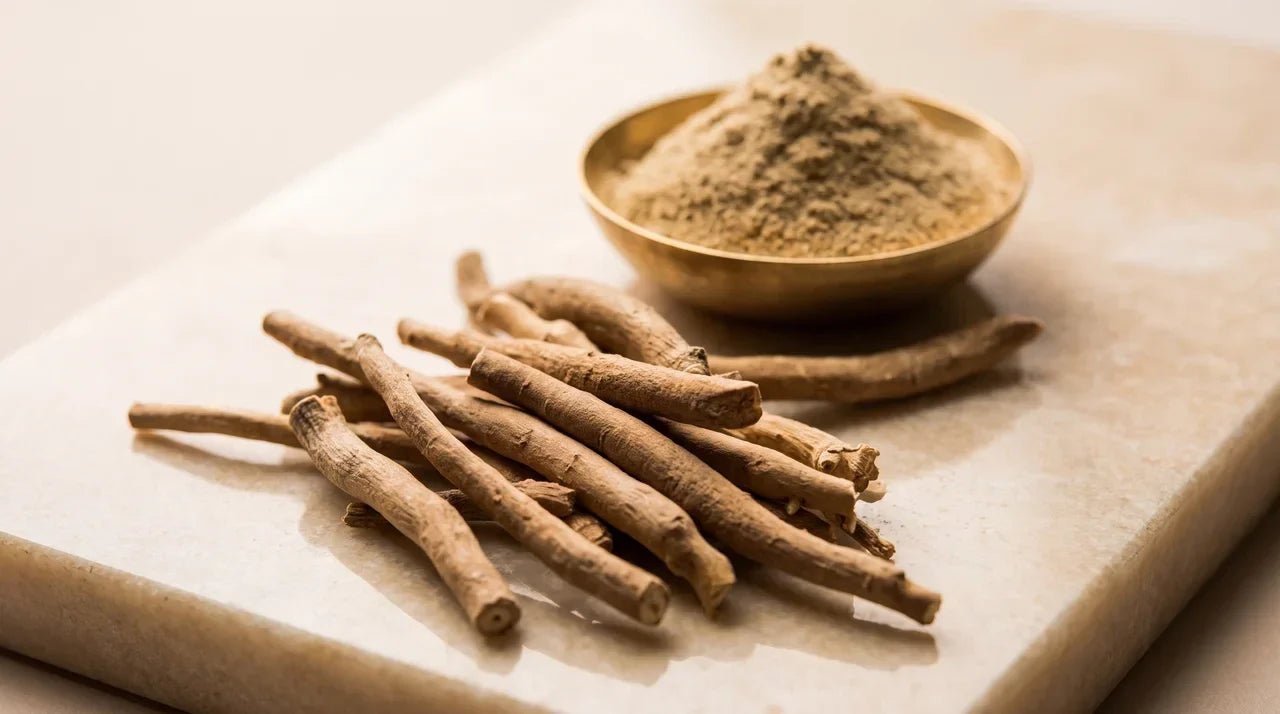
Ashwagandha bei Frauen: Was wirklich wirkt und was nur Marketing ist - Hormonic
MikronährstoffeJul 1, 20269 min read
Ashwagandha for Women: What Really Works and What's Just Marketing

Ashwagandha is considered a natural hormone balancer for women. We honestly evaluate what studies show regarding stress, cortisol, sleep, and menopause, and for whom the root is not suitable.
Cortisol und PCOS: Wie Stress deine Hormone beeinflusst - Hormonic
PCOSMay 6, 20248 min read
Cortisol and PCOS: How Stress Affects Your Hormones

How chronically high cortisol in PCOS can exacerbate insulin resistance, androgens, and belly fat, and what you can do specifically to lower your stress hormone.