Cart

Your cart is empty

Continue shopping

Trending searches

Featured products

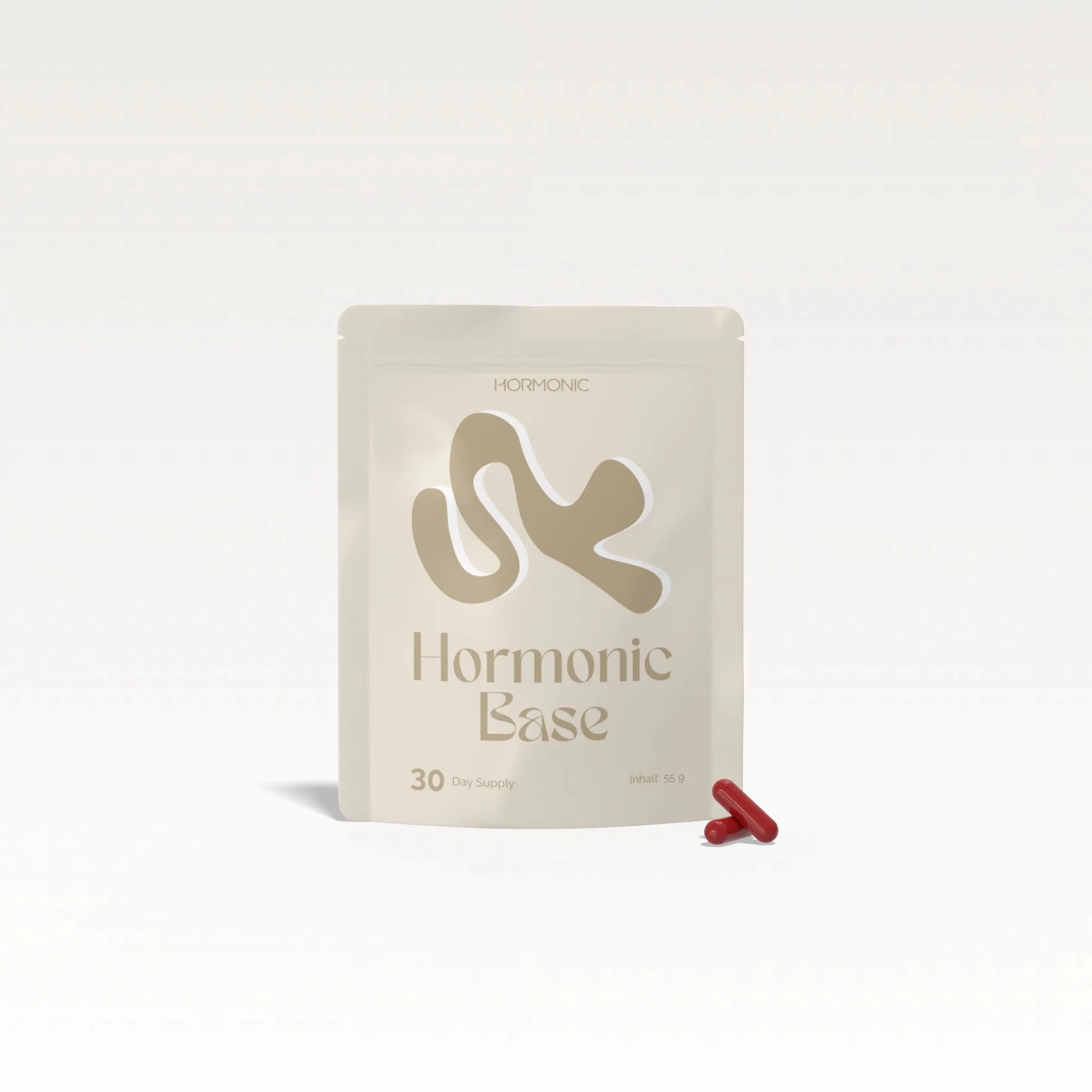
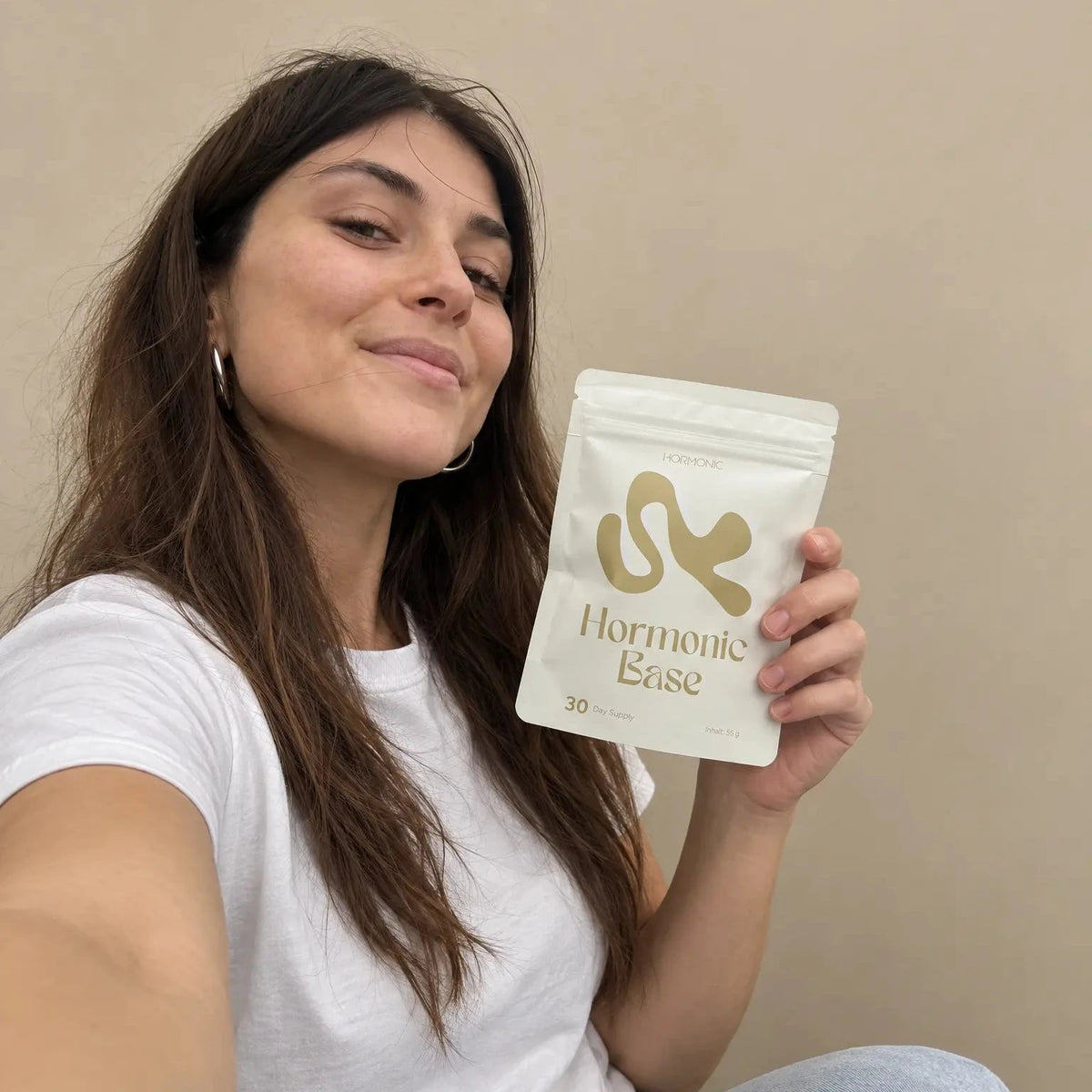
Hormonic Base - Hormonic - Nahrungsergänzungsmittel
Sale price€65,00
(5.0)
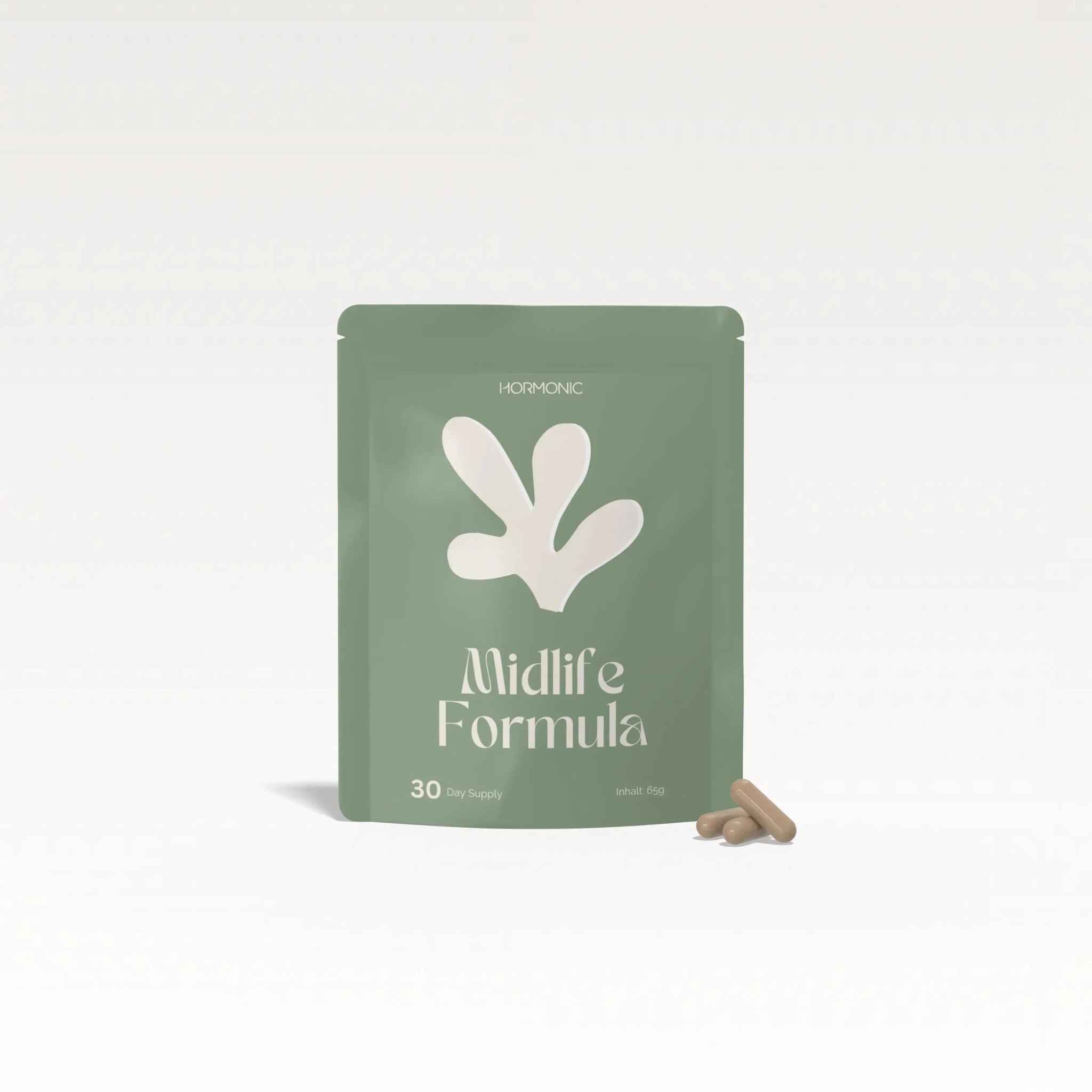
Midlife Formula - Hormonic - Nahrungsergänzungsmittel
Sale price€75,00
(5.0)
Ashwagandha bei Frauen: Was wirklich wirkt und was nur Marketing ist - Hormonic
MikronährstoffeJul 1, 20269 min read

Ashwagandha for Women: What Really Works and What's Just Marketing

This article is part of: Micronutrients and Hormones: The Female Guide

Ashwagandha is celebrated as a natural hormone balancer for women. We honestly assess what studies truly show regarding stress, cortisol, sleep, and menopause, and for whom the root is not suitable.

Key takeaways

Ashwagandha has a solid evidence base for stress, cortisol, and sleep. In contrast, there is little evidence for a direct balancing effect on female hormones. The root is not suitable for pregnant or breastfeeding women, or those with thyroid, autoimmune, or liver conditions.

Ashwagandha is everywhere right now. On social media, the root is celebrated as a natural remedy for stress, a sleep aid, and an alleged hormone balancer for women. Some providers even promise that it "balances" estrogen and progesterone, relieves PCOS, or stops hair loss. This sounds tempting. But how much of it is supported by studies, and how much is marketing? We've looked at the data and honestly assessed what Ashwagandha can really do for women, where the evidence is thin, and for whom the root is not suitable.

Briefly Explained
What is Ashwagandha?

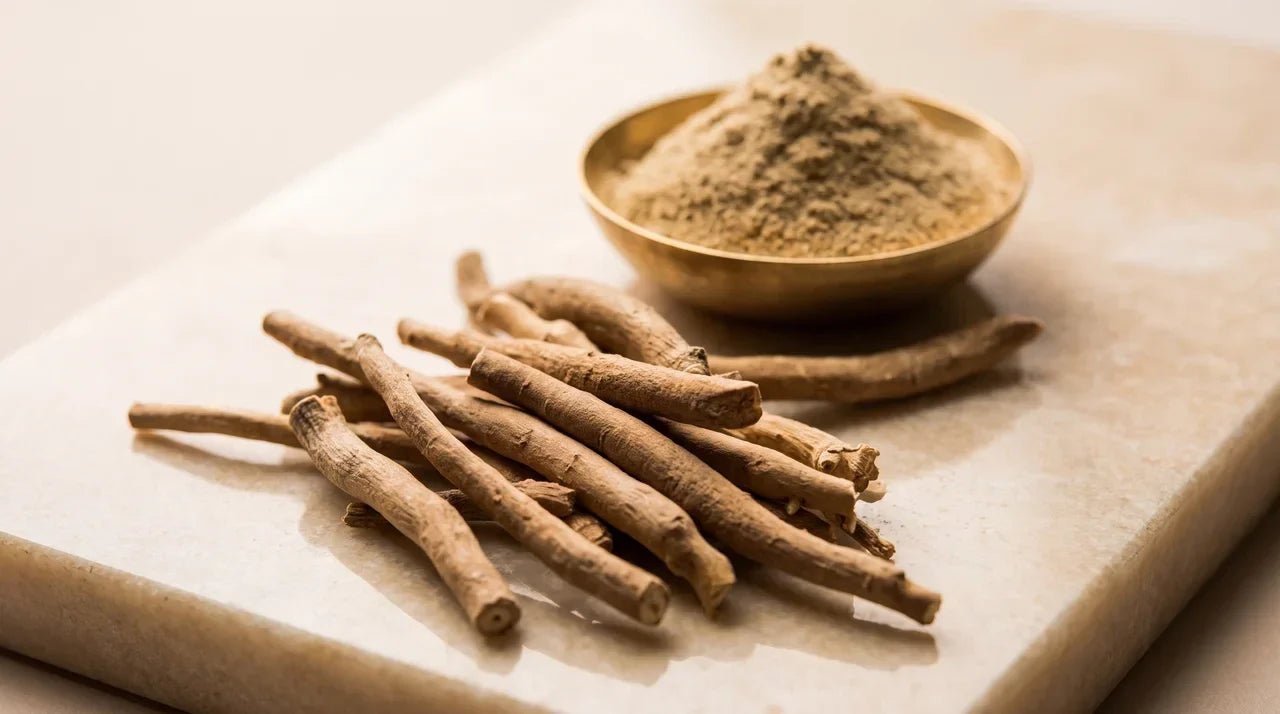
Ashwagandha (Withania somnifera) is a medicinal plant from Ayurveda, primarily sold today as a dietary supplement. It belongs to the adaptogens, plant compounds believed to help the body cope better with stress. Its most important active ingredients are withanolides.

What Ashwagandha Does in the Body

The best-studied mechanism of action of Ashwagandha concerns the stress system, specifically the HPA axis (hypothalamus, pituitary gland, adrenal cortex). This axis controls the release of cortisol, your most important stress hormone. Several studies have observed that Ashwagandha can lower cortisol levels in stressed adults (Della Porta et al., 2023).

Additionally, withanolides are said to have a calming effect via the GABA system, i.e., through the neurotransmitter that calms the nervous system. This could explain why the effect is mainly seen in sleep, inner restlessness, and tension. The order is important: Ashwagandha does not directly affect female sex hormones. Most of the documented effects occur via the stress and nervous systems, not via estrogen or progesterone.

Did You Know

Elevated cortisol levels can indirectly affect the menstrual cycle, sleep, and well-being. This is precisely where the most plausible benefit of Ashwagandha lies: not as a hormonal agent, but as support for an overwhelmed stress system.
What studies show: Stress, Cortisol, and Sleep

By far the most robust evidence for Ashwagandha concerns stress, anxiety, and sleep. A systematic review by Della Porta et al. (2023) summarized several controlled studies and concluded that Ashwagandha can lower cortisol levels in stressed individuals. A meta-analysis of randomized studies (Akhgarjand et al., 2022) also observed an improvement in perceived stress and anxiety symptoms.

Regarding sleep, a meta-analysis of five randomized studies with 400 participants showed a small but statistically significant effect on sleep quality (Cheah et al., 2021). The effect was more pronounced in people with sleep disorders and with a dosage of at least 600 mg per day over at least eight weeks.

One detail is often overlooked in advertising: a measured decrease in cortisol levels does not automatically mean you feel subjectively less stressed. In some studies, the laboratory value improved more significantly than the actual perception of stress, while in others it was the other way around. Cortisol is just one part of a complex system and not the sole switch for well-being.

So far, so good. However, two limitations are important: the studies are often short, the results vary greatly between individual investigations, and many studies were funded by manufacturers or conducted in a single region. Furthermore, a large proportion of the studies were conducted on mixed groups or predominantly on men. Specific data exclusively for women are significantly rarer. The data situation is thus promising, but not as unambiguous as advertising often portrays it.

What advertising promises and what studies deliver

When you compare Ashwagandha products, you repeatedly encounter the same promises. It is worthwhile to compare them side-by-side with the actual study situation, instead of simply believing them.

  • Less stress and more serenity: For this, there is the best evidence, even if the effects are moderate and do not occur in every woman.
  • Better sleep: There is evidence for this, most likely with higher dosages over several weeks and especially for existing sleep problems.
  • Balancing female hormones: This is the weakest claim, supported almost exclusively by a single study on perimenopause.
  • Help with PCOS, endometriosis, or hair loss: For these, robust studies in women are practically completely lacking.

Ashwagandha and female hormones: What is proven and what is not

This is where it gets interesting, because it is precisely at this point that marketing exaggerates the most. The honest answer is: For a direct hormonal balance in women, the evidence is thin.

The most significant data for women come from the perimenopause. A randomized, placebo-controlled study with women in menopausal transition (Gopal et al., 2021) observed a relief of typical symptoms such as hot flashes after eight weeks, as well as an increase in estradiol and a decrease in FSH and LH. This is an exciting finding, and it fits with the idea that a calmer stress system can also relieve sex hormones. Nevertheless, it is a single study. From this, it cannot yet be concluded that Ashwagandha generally "balances hormones" or regulates the cycle.

For other frequently advertised applications, the situation is even clearer: For PCOS and endometriosis, there are currently no robust randomized studies proving a benefit of Ashwagandha. The claim that Ashwagandha stops hair loss is also not scientifically supported, but at best indirectly conceivable via stress reduction. Initial small studies indicate a possible effect on female sexual function (Dongre et al.), but this is also preliminary and based on few participants. So, if you read that Ashwagandha is the natural hormonal balancer for women, you should remain skeptical.

Hormonic Base for your Stress System

Ashwagandha's most robust effect concerns the stress and nervous system. Hormonic Base provides you with a daily foundation for exactly that, using 16 well-researched active ingredients like magnesium, vitamin B6, and L-glycine, rather than relying on a single trendy ingredient.

Learn more

Dosage, Forms, and Intake

In studies with measurable effects, a standardized root extract was mostly used, often in a dosage of 300 to 600 mg per day. Standardized means that a defined proportion of withanolides, which are the active plant compounds, is contained.

When purchasing, pay close attention to this standardization and the stated withanolide content. Cheap, non-standardized powders vary greatly in their active ingredient content, and precisely this standardization was crucial in the studies. Common extracts in research are KSM-66 and Sensoril. KSM-66 primarily uses the root and is aimed at a high withanolide content, while Sensoril also includes leaf parts and is often dosed somewhat lower. Neither is a guarantee of efficacy, but they make products more comparable.

  • For sleep: Intake preferably in the evening, often from 600 mg per day in studies.
  • For stress: Distributed throughout the day or in the morning, usually for at least eight weeks.
  • Patience: Effects typically appeared after several weeks in studies, not after days.

Important: More is not automatically better. Higher doses and long-term use for more than three months are hardly well-studied, and this is precisely where the risk of side effects increases. Another point that is important for herbal products from the Ayurvedic sector is purity. Choose products with laboratory testing for contaminants and heavy metals, as quality varies considerably on the market.

Who Ashwagandha is Not Suitable For

This is the part that most promotional articles omit, but which is particularly important for women. Ashwagandha is not a harmless wellness powder for every situation, but an effective plant substance with real contraindications.

  • Pregnancy and breastfeeding: It is expressly advised against here. Traditionally, Ashwagandha is considered to promote labor, and safety data is lacking (NCCIH, 2023).
  • Thyroid: Ashwagandha can increase thyroid hormones. In a study with people with mild hypothyroidism, T3 and T4 increased while TSH decreased (Sharma et al., 2018). This can be problematic in hyperthyroidism or when taking thyroid medication.
  • Autoimmune diseases: Since Ashwagandha can stimulate the immune system, caution is advised in Hashimoto's and other autoimmune diseases.
  • Liver: In rare cases, liver damage has been reported in connection with Ashwagandha (LiverTox, NIH, 2024), and accordingly, the German Federal Institute for Risk Assessment (BfR) and the consumer protection agency have issued an official warning regarding the long-term use and high dosage of Ashwagandha. If you have existing liver disease, intake is advised against.
  • Interactions: Ashwagandha can interact with sedatives, blood sugar and blood pressure medications, and immunosuppressants. A break is also advised before surgery.

When to seek medical advice

Stop taking Ashwagandha and talk to your doctor if you experience symptoms such as persistent nausea, abdominal pain in the upper right abdomen, dark urine, or yellowing of the skin while taking it. These can be signs of liver strain. Also, if you are taking thyroid medication, want to become pregnant, or are already taking medication, a brief medical consultation before starting is more sensible than regretting it later.

An Adaptogen Does Not Replace a Foundation

This is perhaps the most important point for women who take their hormonal health seriously. Ashwagandha can be a tool in the right situation, but it is always just a single building block. If the foundation is not right, i.e., sleep, nutrient supply (basics like vitamin D, zinc, B vitamins), exercise, and dealing with chronic stress, then even the best adaptogen will not compensate for that.

Many complaints that women want to address with Ashwagandha are related to a chronically overstressed system and inadequate micronutrient supply. A stable daily foundation often works more sustainably here than a single trendy active ingredient that is discontinued after a few weeks. That is why it is worth covering the basics first, for example with a medical all-in-one preparation like Hormonic Base, and considering Ashwagandha at most as a targeted supplement for a limited time.

What you can do yourself

If you want to try Ashwagandha and none of the above situations apply to you, a few simple steps can help. First, clarify whether your problem is stress-related at all, because that is where the most plausible benefit lies. Choose a standardized product, start with a moderate dose, and give it a few weeks. If you are taking thyroid medication or have an autoimmune disease, talk to your doctor beforehand. And remember: a single adaptogen does not replace a stable basic supply of micronutrients, sufficient sleep, and dealing with the actual sources of stress.

Unsure if Ashwagandha is right for you? Let's figure it out together.

Especially with the thyroid, cycle, or menopause, your personal situation matters. Book a free video call with one of the Hormonic doctors now. We will listen and discuss what truly makes sense for you.

For a free consultation

Conclusion

Ashwagandha is not a panacea, but it's also not pure hype. For stress, cortisol, and sleep, there is a respectable, though not perfect, body of research. However, when it comes to "female hormone balance," PCOS, or hair loss, marketing is significantly ahead of research.

For women, it largely depends on their individual situation. Ashwagandha is not a good idea for thyroid issues, during pregnancy, or with autoimmune diseases. And even where it can help, it remains a targeted, temporary tool, not a foundation. You build a stable foundation daily, not with a single trendy active ingredient.

Frequently Asked Questions about Ashwagandha for Women

Does Ashwagandha help women lose weight?

There is no robust evidence for a direct effect on fat burning or weight in women. At most, an indirect influence is conceivable if high stress levels and elevated cortisol levels also affect weight. However, ashwagandha is not recommended as a weight loss aid.

Does Ashwagandha affect the menstrual cycle and female hormones?

Evidence is limited. A single study on perimenopausal women observed an increase in estradiol and a decrease in FSH and LH (Gopal et al., 2021). There are no conclusive studies for general cycle regulation or benefits in PCOS. The statement that Ashwagandha "balances" female hormones is therefore an exaggeration.

Wie lange dauert es, bis Ashwagandha wirkt?
In den Studien zu Stress und Schlaf zeigten sich Effekte meist erst nach mehreren Wochen, häufig nach etwa acht Wochen und ab einer Dosierung von rund 600 mg pro Tag. Ein Soforteffekt nach wenigen Tagen ist nicht zu erwarten.
Darf ich Ashwagandha mit Schilddrüsenmedikamenten nehmen?
Hier ist Vorsicht geboten. Ashwagandha kann die Schilddrüsenhormone erhöhen und so mit Schilddrüsenmedikamenten oder einer Schilddrüsenüberfunktion kollidieren. Bei Hashimoto und anderen Autoimmunerkrankungen solltest du vor der Einnahme unbedingt mit deiner Ärztin sprechen.

Scientific Sources

  • Della Porta M, Maier JA, Cazzola R. (2023). Effects of Withania somnifera on Cortisol Levels in Stressed Human Subjects: A Systematic Review. Nutrients, 15(24), 5015. doi:10.3390/nu15245015
  • Akhgarjand C, et al. (2022). Does Ashwagandha supplementation have a beneficial effect on the management of anxiety and stress? A systematic review and meta-analysis of randomized controlled trials. Phytotherapy Research, 36(11), 4115-4124. doi:10.1002/ptr.7598
  • Cheah KL, Norhayati MN, Husniati Yaacob L, Abdul Rahman R. (2021). Effect of Ashwagandha (Withania somnifera) extract on sleep: A systematic review and meta-analysis. PLoS One, 16(9), e0257843. doi:10.1371/journal.pone.0257843
  • Gopal S, et al. (2021). Effect of an ashwagandha (Withania somnifera) root extract on climacteric symptoms in women during perimenopause: A randomized, double-blind, placebo-controlled study. Journal of Obstetrics and Gynaecology Research, 47(12), 4414-4425. doi:10.1111/jog.15030
  • Sharma AK, Basu I, Singh S. (2018). Efficacy and Safety of Ashwagandha Root Extract in Subclinical Hypothyroid Patients: A Double-Blind, Randomized Placebo-Controlled Trial. Journal of Alternative and Complementary Medicine, 24(3), 243-248. doi:10.1089/acm.2017.0183
  • National Center for Complementary and Integrative Health (NCCIH), NIH. (2023). Ashwagandha: Usefulness and Safety. nccih.nih.gov/health/ashwagandha
  • LiverTox: Clinical and Research Information on Drug-Induced Liver Injury. (2024). Ashwagandha. National Institute of Diabetes and Digestive and Kidney Diseases. NCBI Bookshelf NBK548536
  • Tan W, et al. (2025). Evaluating the Safety of Ashwagandha as a Food Additive: A Focus on Reproductive, Thyroid, and Immune System Effects. PubMed 41454545

About the Author

Amelie Weiss

Amelie Weiss

Research Fellow, PhD · Hormonic

Amelie Weiss is a Research Fellow at Hormonic and conducts scientific research on hormonal health, micronutrients, and evidence-based women's health.

Note: This article is based on current guidelines and scientific work (as of 2026). It is for informational purposes only and does not replace medical advice, diagnosis, or treatment.

Share

You might also be interested in this.
Cortisol Face, Cortisol Belly & Co: der ehrliche Faktencheck - Hormonic
HormoneJul 15, 20259 min read
Cortisol Face, Cortisol Belly & Co: the honest fact check

Cortisol Face, Cortisol Belly, Coffee, Fasting, Adaptogens: We scientifically examine 8 common cortisol myths, especially for women.
Welche Supplements sollten Frauen täglich nehmen? Der evidenzbasierte Stack - Hormonic
MikronährstoffeDec 8, 20259 min read
Which supplements should women take daily? The evidence-based stack

These 4 supplements are recommended daily by science for women: Micronutrient basis, Omega-3, Creatine, and targeted gut-hormone add-ons. Without hype, with a study basis.

Magnesium in den Wechseljahren: Was die Forschung sagt - Hormonic
WechseljahreMay 24, 20268 min read
Magnesium in Menopause: What the Research Says

Magnesium can support sleep, mood, and bones in perimenopause and postmenopause. Here's what the research actually says, which forms work best, and what magnesium can't do.