


Cart

Your cart is empty

Continue shopping

Trending searches

Featured products

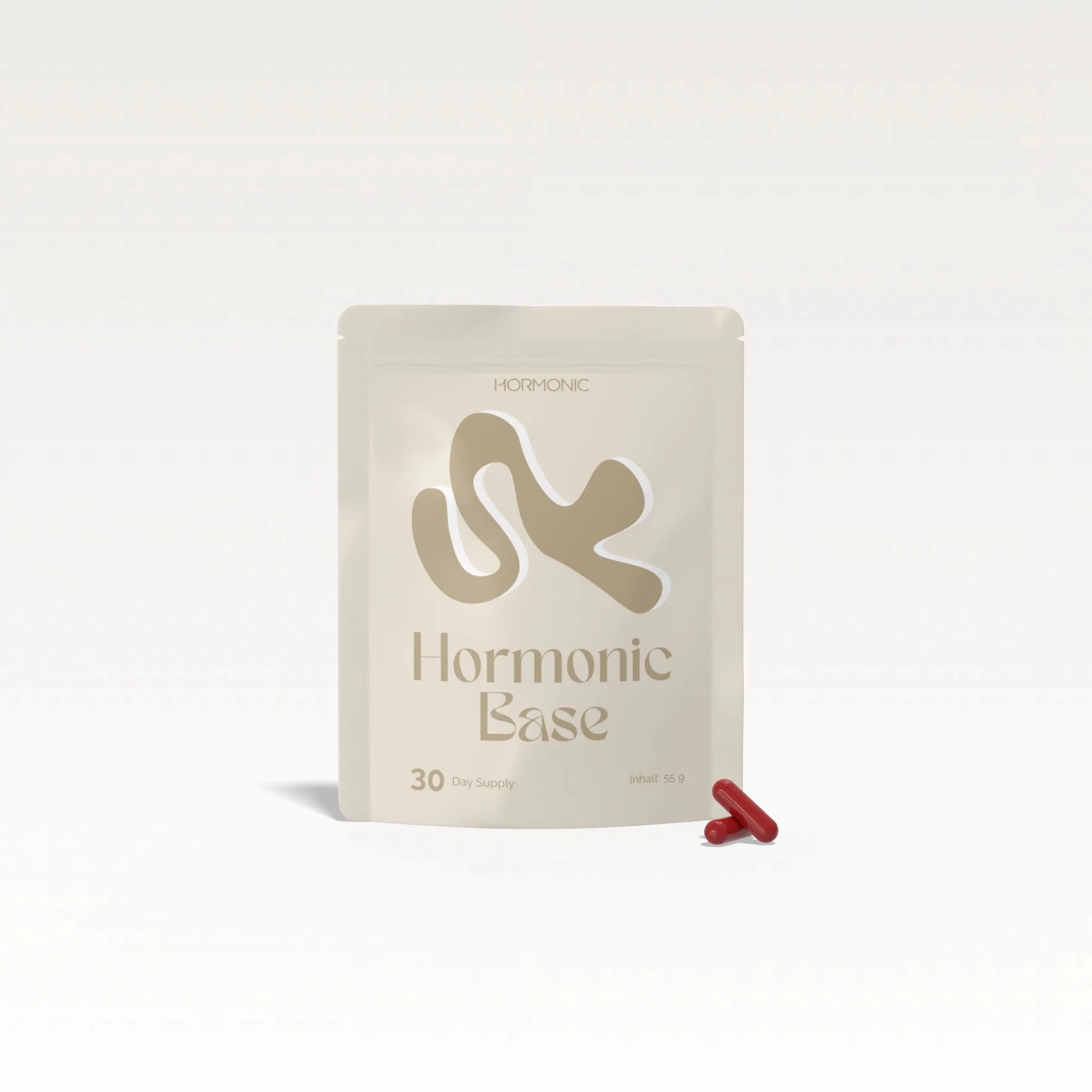
Hormonic Base Nahrungsergänzung mit 16 Mikronährstoffen
Sale price€65,00
(5.0)
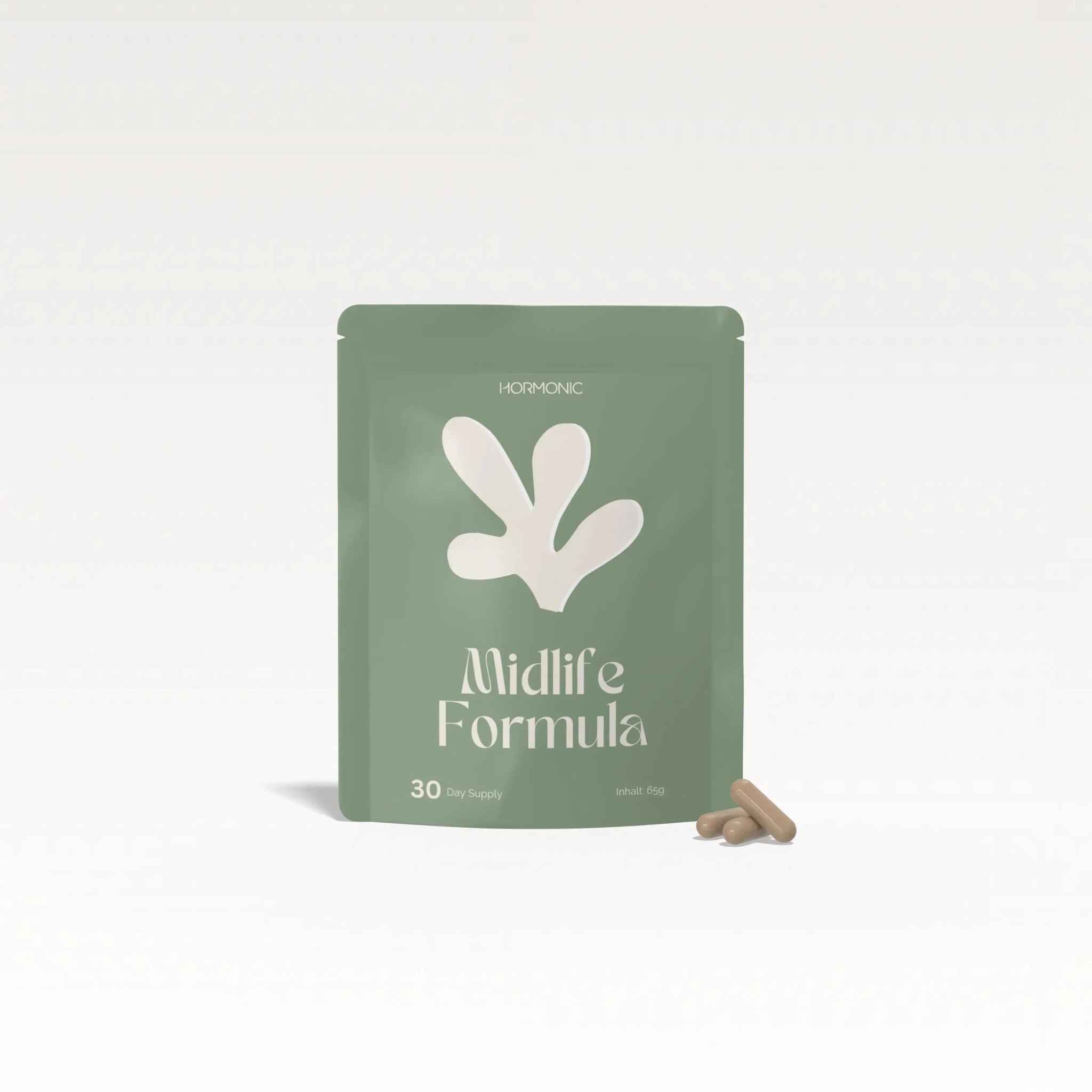
Hormonic Midlife Formula für die Perimenopause
Sale price€75,00
(5.0)
Magnesiummangel bei Frauen: Symptome und was wirklich hilft
MikronährstoffeJun 27, 20268 min read

Magnesium Deficiency in Women: Symptoms and What Really Helps

This article is part of: Micronutrients and Hormones: The Female Guide

Fatigue, inner restlessness, poor sleep, and premenstrual cramps: These symptoms can also be caused by a magnesium deficiency, which is often overlooked in women. This article outlines the typical signs, what the studies truly reveal, and what concrete steps you can take.

Key takeaways

Magnesium deficiency in women usually manifests as a combination of fatigue, restlessness, sleep problems, cramps, and exacerbated menstrual discomfort. Magnesium is best evidenced for migraines; for PMS, the evidence is promising but limited. The foundation is a magnesium-rich diet, supplemented by a well-tolerated, low-dose intake.

Brief Definition
What is magnesium deficiency and why does it particularly affect women?

Magnesium deficiency refers to a state where the body consistently has less magnesium available than it needs for its metabolic processes. Magnesium is an essential mineral: the body cannot produce it itself and relies entirely on intake through diet or supplements.

For women, there is an added complexity. Their needs fluctuate throughout the cycle, and hormonal transition phases, chronic stress, or the pill can influence magnesium balance. This overlap makes a mild deficiency particularly difficult to detect.

Do you often feel tired, irritable, or restless, sleep poorly, and experience leg cramps just before your period? Such symptoms are non-specific and have many possible causes. Magnesium deficiency is one of the factors most frequently overlooked, precisely because individual signs can be so easily explained differently.

In this article, we will look at how to recognize a possible magnesium deficiency, what magnesium actually does in the female body, what the studies really say about cycle, sleep, and mood, and what you can specifically do, from diet to the question of which form of magnesium is beneficial.

Typical signs of magnesium deficiency in women

Magnesium deficiency rarely manifests with a single, clear symptom. More often, it is a pattern of several minor complaints occurring together. Because magnesium is involved in so many processes, a low status can be noticeable in very different areas.

Common Signs
What to look out for
  • Muscles and nerves: Leg cramps, muscle twitching, e.g., in the eyelid, neck tension, and tingling in hands or feet
  • Energy and psyche: persistent fatigue, exhaustion, irritability, and a feeling of inner restlessness or tension
  • Sleep: Difficulty falling asleep, restless sleep, and waking up at night
  • Cycle: increased PMS symptoms, menstrual pain, and cravings in the days before the period
  • Head: Headaches and cycle-dependent migraines around menstruation

It is important to honestly assess: none of these signs alone proves a magnesium deficiency. Fatigue, poor sleep, or PMS can have many other causes, from iron deficiency to thyroid issues to simply not enough rest. It becomes noticeable when several of these complaints occur together over a longer period. An incipient deficiency often makes itself felt before it appears in a standard blood test, as the body keeps blood magnesium levels stable for a long time by drawing on reserves.

Magnesium deficiency is rarely a single symptom, but usually a pattern that shows over weeks.

What magnesium does in the female body

Magnesium is involved in over 300 enzymatic reactions, making it one of the most important minerals overall. It plays a central role in cellular energy production, muscle and nerve function, bone health, and the regulation of the nervous system. These fundamental functions are well-documented scientifically (de Baaij et al., 2015). When magnesium status decreases, many of these processes may not run as smoothly, which explains why the possible symptoms are so varied.

For women, one aspect is particularly relevant: estrogen influences how the body absorbs, distributes, and excretes magnesium. Therefore, magnesium balance shifts slightly throughout the cycle, and during phases of significant hormonal changes, such as in the second half of the cycle or during menopause, this can become more pronounced (review, 2025). Magnesium acts as a co-factor in the background, a building block that many hormonally controlled processes actually need to function.

Magnesium does not balance hormones and is not a substitute for hormonal therapy. It works as a building block in the background.

Not every woman has the same risk for low magnesium status. Certain life circumstances significantly increase the need or decrease absorption.

Risk Factors
What can lower magnesium levels
  • A unbalanced diet with many highly processed foods
  • Chronic stress and high continuous strain
  • Much sport with heavy sweating
  • Gastrointestinal diseases that impair absorption
  • Certain medications such as antacids or diuretics

Hormonal contraception is also discussed in this context: some older studies suggest lower magnesium levels when taking the pill, but this connection has not yet been clearly established.

Did you know
Studies suggest that low magnesium status is common in women with hormone-related complaints. Depending on the chosen threshold and group, the proportions in one analysis ranged between approximately 21 and 55 percent, with particularly low values around menopause (analysis, 2021). Such figures show a pattern but do not replace individual measurement.
The Most Important Evidence
How well is magnesium substantiated for which issues?
  • Magnesium is best substantiated for the prevention of migraines, including cycle-dependent migraines
  • For PMS, there is promising but still limited evidence, especially in combination with Vitamin B6
  • For sleep and mood, the observed effects are rather small and most noticeable in cases of pre-existing deficiency
  • Magnesium is a supportive foundation, not a substitute for medical treatment
Free initial consultation
Unsure if your symptoms are related to magnesium?

Fatigue, restlessness, cycle problems, or other complaints are difficult to assess from a distance. We offer you a free, no-obligation initial consultation with an experienced Hormonic doctor. Conveniently via video call from home, without waiting times.

Free initial consultation →
Magnesium and the Female Cycle

Many women notice their symptoms particularly in the second half of their cycle, i.e., after ovulation and before their period. For premenstrual syndrome (PMS), there is initial evidence that magnesium can help, especially in combination with vitamin B6. A controlled study observed that magnesium relieved symptoms such as water retention and mood swings (Walker et al., 1998). A review for gynecological practice classifies magnesium as a useful option for PMS, but emphasizes the overall limited study data (Parazzini et al., 2017). The evidence here is therefore promising but still preliminary.

Magnesium is also frequently discussed in relation to menstrual pain because it contributes to normal muscle function and is involved in the relaxation of smooth muscles, precisely the muscles that contract during menstruation. The data for this is currently based on individual smaller studies and is sparse (Parazzini et al., 2017). Magnesium is worth a try here but is not considered a proven remedy for menstrual pain.

Some women also report cravings, especially for chocolate, in the days leading up to their period. Since chocolate is comparatively rich in magnesium, it is often suspected that the body is signaling an increased need. However, clear scientific proof for this specific connection is lacking, even if the observation sounds plausible.

Menstrual Migraine: Here, the Evidence is Strongest

The connection between magnesium and migraines is best documented. Several professional societies list magnesium as an option for migraine prevention. A meta-analysis of ten randomized studies concluded that magnesium can reduce the frequency of migraine attacks (Chiu et al., 2016). For menstrual migraines, which occur cycle-dependently around the period, studies specifically investigated preventive administration during the second half of the cycle (Facchinetti et al., 1991; Peikert et al., 1996).

An important note on this: These studies used comparatively high, medically supervised magnesium doses over several weeks, which significantly exceed the general upper limit for over-the-counter supplements. This is a key reason not to start such an application on your own, but to coordinate it with a doctor. If you suffer from cycle-dependent migraines, it is worth discussing this specifically.

Magnesium, Sleep, and Inner Calm

Poor sleep and inner restlessness are among the most common reasons why women turn to magnesium. A recent randomized study from 2025 investigated magnesium bisglycinate in adults with sleep problems and observed a measurable improvement in sleep quality. The overall effect was small and was more pronounced in individuals with low magnesium intake. A review concluded that magnesium can slightly shorten the time it takes to fall asleep, but rated the certainty of this evidence as low (Mah and Pitre, 2021).

A plausible reason for these observations lies in magnesium's role in the nervous system. Magnesium is involved in processes that calm the nervous system and influences neurotransmitters associated with relaxation and sleep. This explains why many women prefer to take magnesium in the evening. However, primarily a small, supportive effect is proven, not a substitute for a sleeping aid and not a solution for serious sleep disorders.

Magnesium, Mood, and Stress

Because magnesium is involved in regulating the nervous system, a connection with mood and stress is also being investigated. A meta-analysis from 2023 found an indication of a positive effect on depressive symptoms, most clearly in individuals with a proven deficiency. For anxiety symptoms, the study data is weaker and inconsistent (Boyle et al., 2017). No treatment can be derived from this: magnesium does not replace therapy for depression or anxiety disorders, but it can support the body during stressful phases.

Especially during stressful periods of life, magnesium requirements also increase, while at the same time, food intake is often irregular and unbalanced. This can create a vicious circle in which stress and low magnesium status reinforce each other.

If you are unsure whether your symptoms are related to a magnesium deficiency or have another cause, a medical consultation can provide clarity. In a free initial consultationour doctors will assess your symptoms and discuss with you whether and which further steps are appropriate.

The all-in-one for your daily essential needs

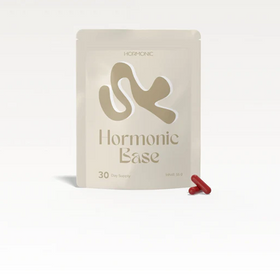
Hormonic Base combines 300mg magnesium complex with 13 other micronutrients such as vitamin B6 and vitamin D, which work together in the same metabolic pathway. Physician-developed as a daily base for your everyday life.
Learn more

Which magnesium is the right one?

On the shelf, you'll find magnesium in many compounds, and they differ mainly in terms of tolerability and how well the body can absorb them. As a rule of thumb, organic magnesium compounds, i.e., magnesium bound to an organic acid, are generally considered to be more bioavailable than purely inorganic forms like magnesium oxide (Schuchardt and Hahn, 2017). Ultimately, however, the decisive factor is finding a form that you tolerate well and can take regularly.

An overview of the most common forms:

  • Magnesium bisglycinate:bound to the amino acid glycine, usually well-tolerated by the stomach and popular for evening intake.
  • Magnesium citrate:highly bioavailable and widely used, can have a slightly laxative effect in higher doses.
  • Magnesium malate:bound to malic acid, often chosen for fatigue and exhaustion.
  • Magnesium oxide:inexpensive and with a high magnesium content, but is poorly absorbed and primarily used for constipation.

Many products combine several forms to balance tolerability and bioavailability. More important than the individual form is usually regularity: magnesium does not work acutely like a headache tablet but unfolds its benefits through continuous supply.

How much magnesium per day?

The German Nutrition Society recommends a guideline of approximately 300 milligrams of magnesium per day for women aged 25 and over, referring to the total intake from diet and supplements combined. For additional magnesium from supplements, the European authority EFSA states an upper limit of 250 milligrams per day, ideally divided into several smaller doses throughout the day. These amounts apply to healthy adults outside of specific medical applications.

In practice, this means: more is not automatically better. Higher amounts, especially when taken all at once, are most likely to lead to loose stools or diarrhea because unabsorbed magnesium binds water in the intestine. It is therefore advisable to start low, divide the dose throughout the day, and ideally take magnesium with a meal. Those who take medication or have pre-existing conditions should consult a doctor about taking it.

Getting magnesium through diet

The basis of a good magnesium supply is always diet. Plant-based foods with a high proportion of whole grains, seeds, nuts, and legumes are particularly rich in magnesium. Good everyday sources include:

  • Pumpkin seeds and sunflower seeds:are among the richest sources; a handful already provides a noticeable contribution.
  • Oat flakes and whole grain products:provide magnesium plus fiber, unlike highly processed white flour products.
  • Legumes:lentils, chickpeas, and beans are solid plant-based suppliers.
  • Nuts, especially almonds and cashews:are well-suited as a magnesium-rich snack.
  • Dark chocolate with a high cocoa content:a delicious source in moderation.
  • Green leafy vegetables like spinach and chard:provide magnesium along with other micronutrients.

Highly processed and refined foods, on the other hand, lose a large part of their magnesium during processing. A predominantly fresh, plant-based diet already adequately covers the needs of many women. A dietary supplement can be useful if dietary intake fluctuates, the need is increased, or there are symptoms that have been medically clarified.

90-day routine with a €100 price advantage

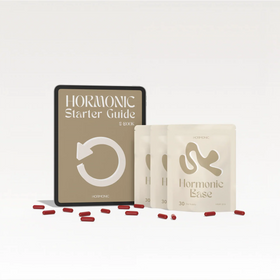
In the Starter Bundle, you receive 3x Hormonic Base for 90 days and a physician-developed starter guide to accompany you on your health journey. Physician-developed and available for a limited time only.

Start and save

When a blood test and medical advice make sense

A common misconception concerns magnesium measurement. Only about one percent of the body's magnesium is in the blood; the vast majority is stored in bones and cells. A normal magnesium level in a standard blood test, therefore, does not reliably rule out a deficiency in the tissue. A single blood measurement should always be evaluated in conjunction with your symptoms, not in isolation.

You should seek medical advice particularly in these situations:

  • if symptoms such as fatigue, cramps, or sleep problems persist for a long time or severely limit you in everyday life
  • if you are pregnant, breastfeeding, or planning a pregnancy
  • if you regularly take medication or have a gastrointestinal disease that affects absorption
  • for pronounced symptoms such as cardiac arrhythmias, severe muscle tremors, or numbness

In such cases, a doctor can specifically clarify whether a deficiency exists, what its cause is, and what form of support is right for you. Hereyou can book a free video consultation with one of the Hormonic doctors to ask all your questions.

Conclusion

A magnesium deficiency rarely manifests clearly in women, but rather as a pattern of fatigue, inner restlessness, sleep problems, muscle cramps, and increased cycle complaints. Because magnesium acts as a cofactor in over 300 processes and its levels fluctuate throughout the cycle, it is a factor worth checking for hormone-related complaints. Honest classification remains important: Magnesium is best documented for migraines, the evidence for PMS is promising but limited, and for sleep and mood, the effects are rather small and most noticeable in cases of pre-existing deficiency.

The basis remains a magnesium-rich diet with whole grains, seeds, nuts, and legumes. A well-tolerated supplement can usefully complement the supply, ideally low-dose, spread throughout the day, and regularly. Magnesium does not balance hormones and does not replace medical treatment. If your symptoms persist or severely bother you, the most reliable step is to have them assessed by a doctor instead of supplementing continuously on suspicion.

Frequent questions about magnesium deficiency in women

What symptoms in women indicate a magnesium deficiency?

A typical pattern involves several complaints rather than a single symptom: persistent fatigue, irritability and inner restlessness, difficulty falling and staying asleep, calf cramps or muscle twitching, as well as increased PMS symptoms and menstrual pain before the period. None of these signs alone proves a deficiency, as they can have many causes. It becomes noticeable when several occur together and over a longer period.

Which magnesium is best for women?

Generally, there is no single "best" magnesium for everyone. Organic compounds such as magnesium bisglycinate, citrate, or malate tend to be considered well-tolerated and highly bioavailable, while magnesium oxide is absorbed less effectively and has more of a laxative effect. Bisglycinate is popular for evening intake due to its gastric tolerability. More important than the individual form is that you tolerate it well and take it regularly.

Hilft Magnesium bei PMS und Regelschmerzen?
Es gibt erste Hinweise, dass Magnesium PMS-Beschwerden lindern kann, vor allem in Kombination mit Vitamin B6, die Studienlage ist aber begrenzt. Bei Regelschmerzen ist die Evidenz noch dünner und stützt sich auf einzelne kleinere Untersuchungen. Magnesium ist hier also einen Versuch wert, gilt aber nicht als gesichertes Mittel. Halten starke Schmerzen an, sollten sie ärztlich abgeklärt werden.
Wie viel Magnesium sollte eine Frau am Tag nehmen?
Die Deutsche Gesellschaft für Ernährung nennt für Frauen ab 25 Jahren einen Richtwert von rund 300 Milligramm pro Tag aus Ernährung und Nahrungsergänzung zusammen. Für zusätzlich zugeführtes Magnesium aus Supplementen gilt eine Obergrenze von 250 Milligramm pro Tag, am besten über mehrere kleinere Dosen verteilt und zu einer Mahlzeit. Mehr ist nicht besser: Höhere Mengen auf einmal führen am ehesten zu weichem Stuhl.

Scientific Sources

  • de Baaij JHF, Hoenderop JGJ, Bindels RJM (2015). Magnesium in man: implications for health and disease. Physiological Reviews, 95(1), 1-46. doi:10.1152/physrev.00012.2014
  • EFSA Panel on Dietetic Products, Nutrition and Allergies (2015). Dietary Reference Values for magnesium. EFSA Journal, 13(7), 4186. doi:10.2903/j.efsa.2015.4186
  • Hypomagnesemia and its association with hormone-related conditions in women (2021). BMC Pregnancy and Childbirth, 21, 80. doi:10.1186/s12884-021-03558-2
  • Sex differences in magnesium status and requirements (2025). Nutrients, 17(13), 2226. doi:10.3390/nu17132226
  • Chiu HY, Yeh TH, Huang YC, Chen PY (2016). Effects of intravenous and oral magnesium on reducing migraine: a meta-analysis of randomized controlled trials. Pain Physician, 19(1), E97-E112. PMID:26752497
  • Facchinetti F, Sances G, Borella P, Genazzani AR, Nappi G (1991). Magnesium prophylaxis of menstrual migraine. Headache, 31(5), 298-301. PMID:1860787
  • Peikert A, Wilimzig C, Köhne-Volland R (1996). Prophylaxis of migraine with oral magnesium: a randomized double-blind placebo-controlled study. Cephalalgia, 16(4), 257-263. doi:10.1046/j.1468-2982.1996.1604257.x
  • Walker AF, De Souza MC, Vickers MF, Abeyasekera S, Collins ML, Trinca LA (1998). Magnesium supplementation alleviates premenstrual symptoms of fluid retention. Journal of Women's Health, 7(9), 1157-1165. PMID:9861593
  • Parazzini F, Di Martino M, Pellegrino P (2017). Magnesium in the gynecological practice: a literature review. Magnesium Research, 30(1), 1-7. PMID:28392498
  • Schuchardt JP, Hahn A (2017). Intestinal absorption and factors influencing bioavailability of magnesium: an update. Current Nutrition and Food Science, 13(4), 260-278. doi:10.2174/1573401313666170427162740
  • Mah J, Pitre T (2021). Oral magnesium supplementation for insomnia in older adults: a systematic review and meta-analysis. BMC Complementary Medicine and Therapies, 21, 125. doi:10.1186/s12906-021-03297-z
  • Magnesium supplementation and depressive symptoms: a meta-analysis of randomized controlled trials (2023). Frontiers in Psychiatry, 14, 1333261. doi:10.3389/fpsyt.2023.1333261
  • Boyle NB, Lawton C, Dye L (2017). The effects of magnesium supplementation on subjective anxiety and stress: a systematic review. Nutrients, 9(5), 429. doi:10.3390/nu9050429
  • Magnesium bisglycinate and sleep quality: a randomized controlled trial (2025). Nature and Science of Sleep, 17, 1-12. doi:10.2147/NSS.S524348

About the Author

Amelie Weiss

Amelie Weiss

Research Fellow, PhD · Hormonic

Amelie Weiss is a Research Fellow at Hormonic and conducts scientific research on hormonal health, micronutrients, and evidence-based women's health.

Note: This article is based on current guidelines and scientific work (as of 2026). It is for informational purposes only and does not replace medical advice, diagnosis, or treatment.

Share

You might also be interested in this.

Frau Mitte 40 in heller Küche am Morgen, hält Schälchen mit Supplements, warme Töne, Wechseljahre Magnesium
WechseljahreMay 24, 20268 min read
Magnesium in Menopause: What the Research Says

Magnesium can support sleep, mood, and bones in perimenopause and postmenopause. Here's what the research actually says, which forms work best, and what magnesium can't do.

Supplement-Kapseln und Glas Wasser auf cremefarbenem Leinentuch, täglicher Frauenstack
MikronährstoffeDec 8, 20259 min read
Which supplements should women take daily? The evidence-based stack

These 4 supplements are recommended daily by science for women: Micronutrient basis, Omega-3, Creatine, and targeted gut-hormone add-ons. Without hype, with a study basis.

Frau mit PMS und Wärmflasche
ZyklusMay 27, 20269 min read
Causes, symptoms and treatment options for PMS

From symptoms to the real causes and treatment: the evidence-based overview of PMS, including the remedies with the best scientific evidence.