

Night sweats in women are common during menopause, but not always harmless. This article explains why women sweat at night, which warning signs warrant a visit to the doctor, and what really helps against nocturnal sweating.
Key takeaways
- The most common reason for night sweats in women aged 40 and older is menopause.
- The cause is declining estrogen, which makes the brain's thermoregulation more sensitive.
- Night sweats are a hot flash phenomenon and, according to studies, can last for several years on average.
- It's not always hormones: thyroid issues, infections, medications, or alcohol can also be a factor.
- Severe night sweats with weight loss or fever should always be medically investigated.
Night sweats are one of those topics that women often only bring up to me later in their consultation because they tend to dismiss them for a long time. Waking up drenched, sometimes several times a night, is not only uncomfortable but also robs you of genuine sleep. In the vast majority of cases in women between 40 and 55, there is a hormonal cause, but it is worth taking a closer look.
Because night sweats are a non-specific symptom. Most of the time it's menopause, but sometimes it's something else that shouldn't be overlooked. Let's start with the most common reason.
Why women sweat at night during menopause
Night sweats and hot flashes are essentially the same phenomenon, just at different times of the day. Both are among the so-called vasomotor symptoms. The trigger is the drop and fluctuation of estrogen during perimenopause. Estrogen influences the temperature regulation center in the brain, and when it drops, the range in which the body feels comfortable, the so-called thermoneutral zone, narrows.
The consequence: Even a small increase in body temperature, which would have gone unnoticed before, now exceeds the threshold, and the body reacts with its emergency program for heat dissipation, i.e., with vasodilation and sweating. At night, when the body is already warmer, this triggers the typical sweating attacks.
How common and how long?
Vasomotor symptoms affect about three out of four women transitioning into menopause, making them the most common complaint during this phase. And they last longer than many think: In a large long-term study, the average duration of frequent hot flashes and night sweats was around seven and a half years, and they continued for several years on average after the last menstrual period. Those who start early in perimenopause tend to experience them for the longest.
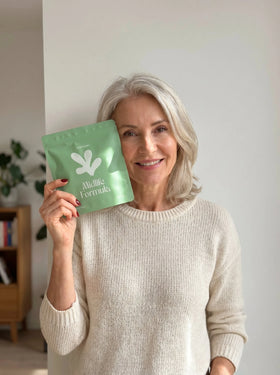
Your doctor-developed, plant-based companion for menopause
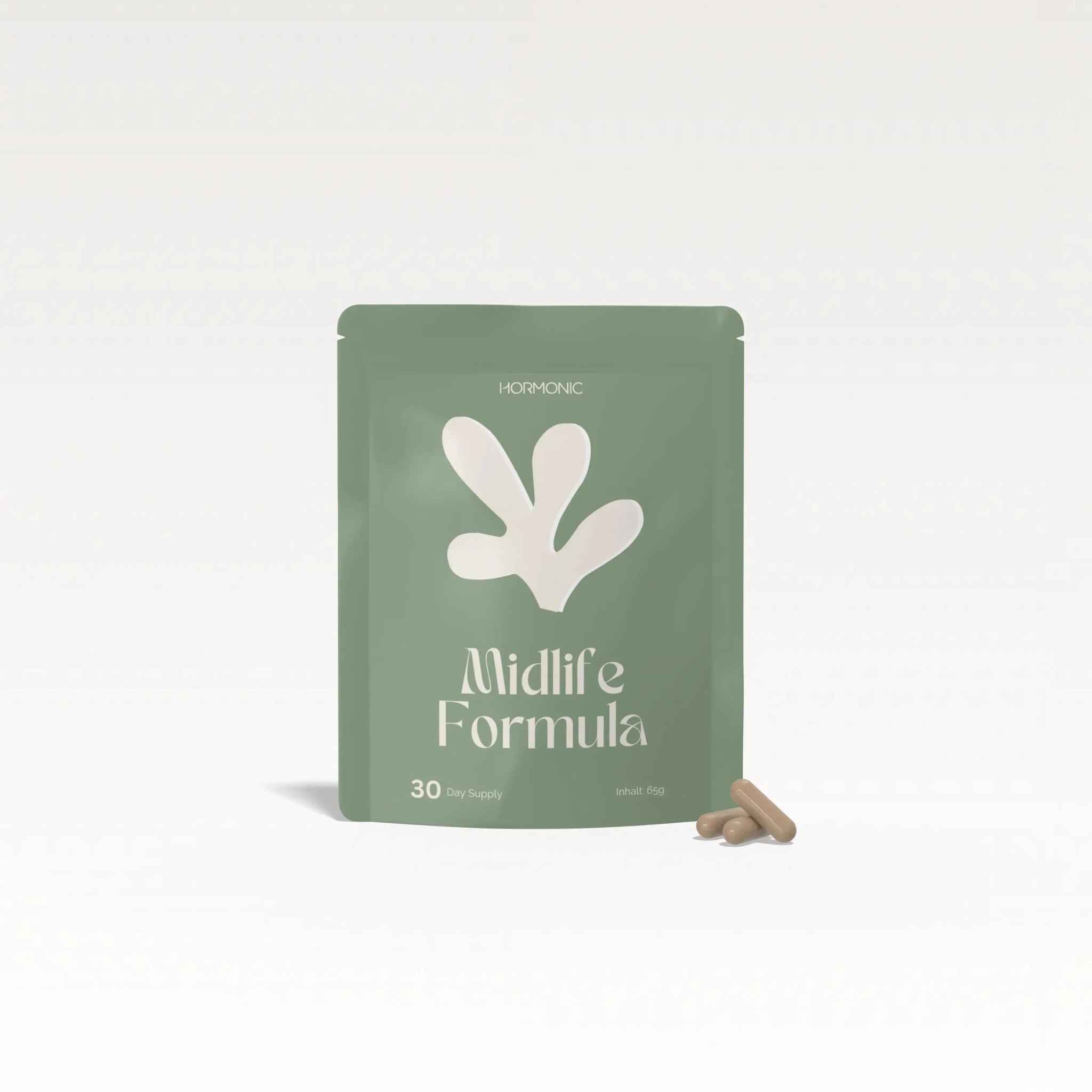
The Midlife Formula combines 9 herbal ingredients that are studied in connection with typical menopausal issues like night sweats, including red clover, saffron, and wild yam. Doctor-developed and produced in Austria.
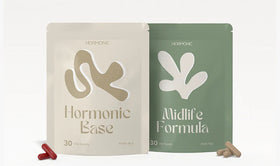
Midlife Bundle: Foundation plus Menopause Companion
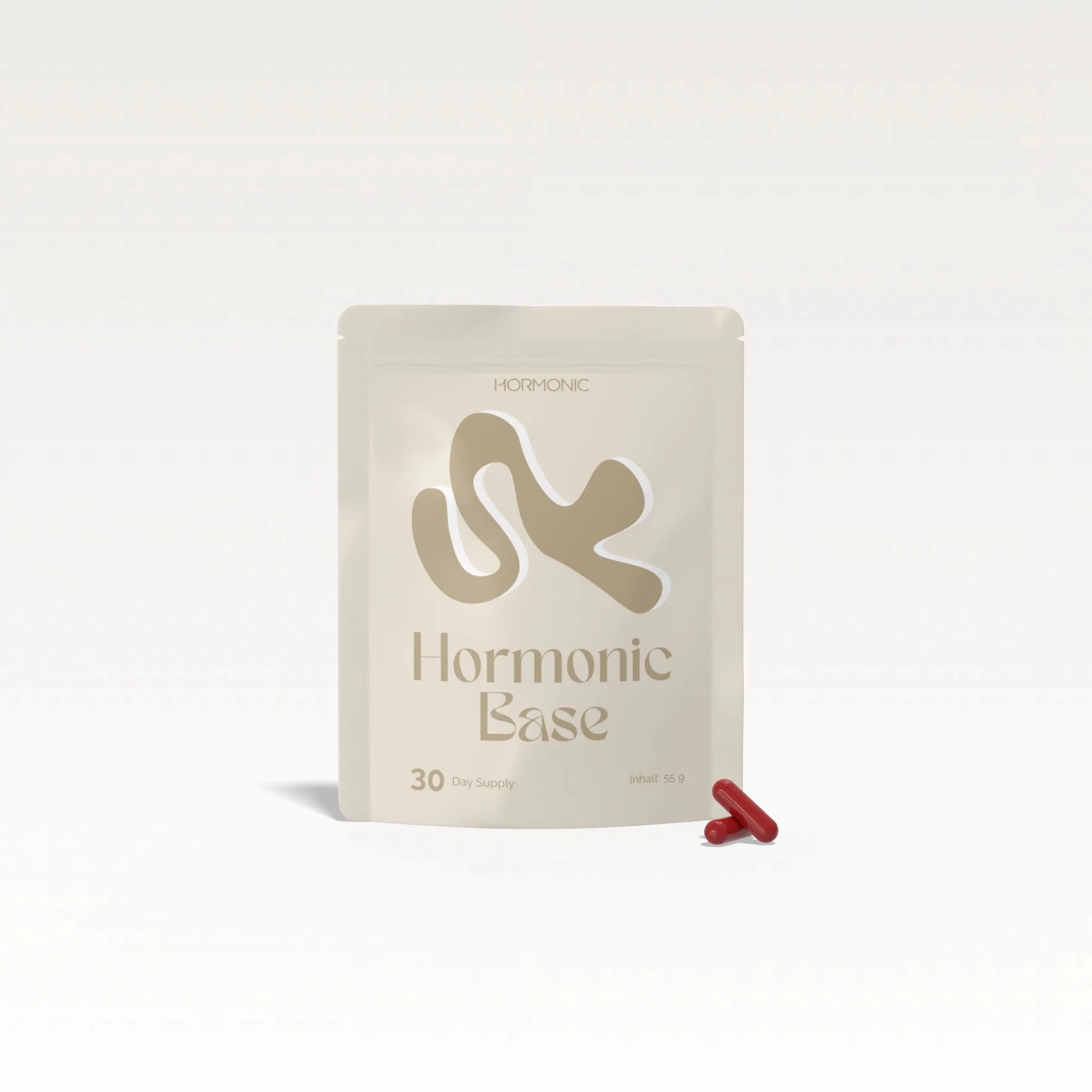
The Midlife Bundle combines Hormonic Base and Midlife Formula. Base provides 16 essential active ingredients that the body needs daily for central processes such as the nervous system and hormone regulation, including magnesium, vitamin B6, and zinc. The Midlife Formula supplements these with plant-based active ingredients specifically for hormonal changes.
Frequent Questions About Night Sweats in Women
Why do you sweat at night during menopause?
How long do night sweats last during menopause?
Wann ist Nachtschweiß ein Warnzeichen?
Was hilft gegen nächtliches Schwitzen?
Scientific Sources
- Rance, N. E. et al. (2013). Modulation of body temperature and LH secretion by hypothalamic KNDy neurons. Front Neuroendocrinol, 34(3), 211-227. doi:10.1016/j.yfrne.2013.07.003
- Avis, N. E. et al. (2015). Duration of menopausal vasomotor symptoms over the menopause transition (SWAN). JAMA Intern Med, 175(4), 531-539. PMID: 25686030
- Mold, J. W. et al. (2012). Night sweats: a systematic review of the literature. J Am Board Fam Med, 25(6), 878-893. PMID: 23136329
- The North American Menopause Society (2022). The 2022 Hormone Therapy Position Statement. Menopause, 29(7), 767-794.
- Lederman, S. et al. (2023). Fezolinetant for moderate-to-severe vasomotor symptoms (SKYLIGHT 1). Lancet, 401(10382), 1091-1102. PMID: 36924778
- Lethaby, A. et al. (2013). Phytoestrogens for menopausal vasomotor symptoms. Cochrane Database Syst Rev, (12), CD001395.
- Regulation (EU) No 432/2012; EFSA (no approved health claim for red clover for menopausal symptoms).
About the Author

You might also be interested in this.

Hot flashes during and before menopause: What happens hormonally, which measures truly help, and when other causes should be investigated.
Sleep disturbances during perimenopause are no coincidence. Learn about the hormonal and neurobiological causes behind them and what really helps.
What happens during menopause? Stages, symptoms, recognizing perimenopause, and what truly helps. Explained by doctors, scientifically proven.