


The other day, my blood test results were in front of me, and among all the values, there was a word I use constantly but rarely truly explain: Estradiol. Next to it was a number and a reference range so wide that it initially made me pause. Was it good now? Too much, too little? If you feel similarly about your hormone levels, you've come to the right place. Because estradiol is a woman's most important estrogen, and a single value tells almost nothing unless you know when in the cycle it was measured.
Estradiol (E2) is the strongest and most important estrogen in women. Before menopause, it is primarily produced in the ovaries, regulates the cycle, and affects the uterus, bones, skin, mood, and mucous membranes.
Key Takeaways
- Estradiol is the most important estrogen and a central regulator of the menstrual cycle.
- A single value can only be meaningfully interpreted in conjunction with the cycle day and your symptoms.
- High values often indicate the normal rise before ovulation, while low values frequently signify menopause.
- Reference ranges vary significantly depending on the laboratory and cycle phase.
- You can primarily influence the overall context: weight, fiber intake, alcohol, and a healthy ovulation.
Did you know?
Around ovulation, your estradiol can increase to many times the value from the early follicular phase. This is precisely why a single laboratory value is difficult to interpret without knowing the cycle day: the same woman can have completely different, but entirely normal, values on day 3 and day 13.
What is Estradiol?
Estradiol is the most active of the estrogens, which are female sex hormones. Before menopause, it is primarily produced in the maturing ovarian follicles, with a smaller portion originating in adipose tissue. In the first half of the cycle, it is responsible for building up the uterine lining, keeps bones and blood vessels healthy, and influences skin, sleep, and mood.
The value is often found on laboratory slips as Estradiol or E2, usually in picograms per milliliter (pg/ml) or in picomoles per liter (pmol/l). Both refer to the same hormone, just in different units. You can roughly convert by dividing pmol/l by 3.67 to get pg/ml.
Estradiol changes significantly throughout life. It rises from puberty onwards and then fluctuates rhythmically with each cycle. In perimenopause, the years before the last period, these fluctuations become more irregular before the value remains consistently low after menopause. These life stages explain most questions about excessively high or low values.
Estradiol in the Cycle: Normal Values
Because estradiol fluctuates greatly throughout the cycle, there isn't one single normal value, but rather ranges depending on the phase. The following table provides a rough orientation. The reference range of your laboratory and the cycle day on which the measurement was taken remain crucial.
| Cycle Phase | Estradiol (approx., pg/ml) |
|---|---|
| Early Follicular Phase | approx. 30 to 120 |
| Shortly before Ovulation | approx. 130 to 500 |
| Luteal Phase | approx. 70 to 250 |
| After Menopause | usually below 30 |
These values are deliberately given as ranges, as the limits vary depending on the measurement method and laboratory. A value at the lower or upper end is therefore no cause for concern as long as it matches the cycle day and your well-being.
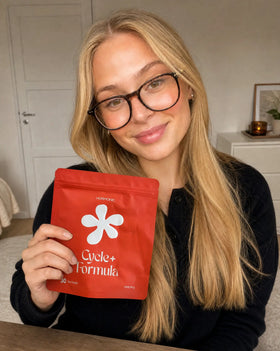
The Supplement for a Healthy Cycle Rhythm
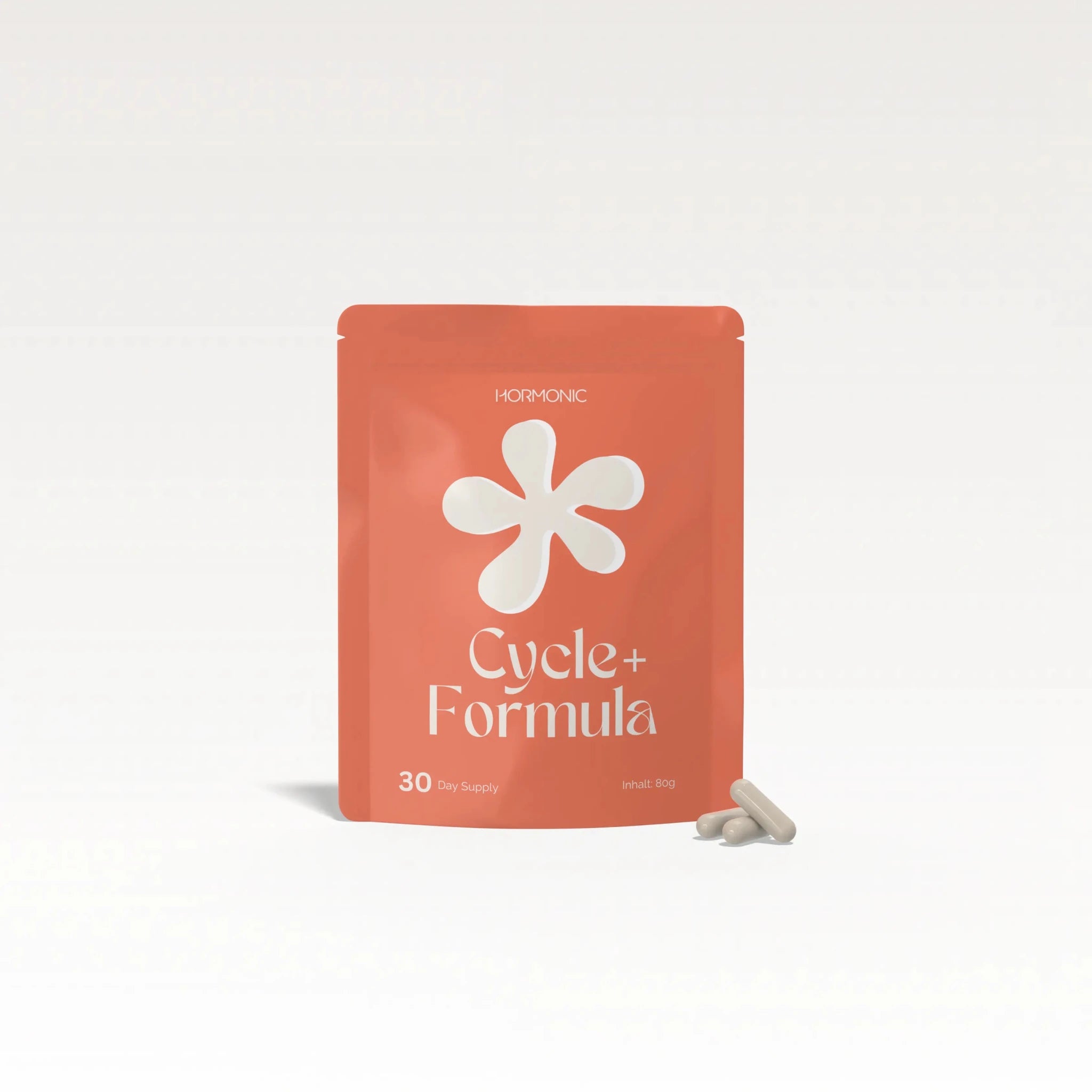
Cycle+ Formula combines eight active ingredients for your cycle, including myo-inositol and D-chiro-inositol, which have been linked in studies to more regular ovulation, as well as zinc, which contributes to normal fertility and reproduction.
€75,00
Do you want to understand your values better?
In a free 15-minute video call, you can ask all your questions and receive an initial assessment from one of our doctors, completely non-binding and conveniently from home.
Common Questions About Estradiol
What is a normal estradiol level?
What does a low estradiol level mean?
Was bedeutet ein zu hoher Östradiolwert?
Wie wird Östradiol gemessen?
Scientific Sources
- Verdonk, S. J. E. et al. (2019). Estradiol reference intervals in women during the menstrual cycle, postmenopausal women and men using an LC-MS/MS method. Clinica Chimica Acta. doi:10.1016/j.cca.2019.04.062
- AWMF (2020). Peri- and Postmenopause: Diagnostics and Interventions. S3 Guideline 015-062 (Short version: Archives of Gynecology and Obstetrics). doi:10.1007/s00404-020-05682-4
- Fitz, V. et al. (2024). Inositol for polycystic ovary syndrome: a systematic review and meta-analysis to inform the 2023 international evidence-based PCOS guidelines. The Journal of Clinical Endocrinology & Metabolism. doi:10.1210/clinem/dgad636
- Bahramrezaie, M. et al. (2023). Effects of resveratrol supplementation in women with polycystic ovary syndrome: a systematic review and meta-analysis of randomized controlled trials. Endocrine. doi:10.1007/s12020-023-03479-4
- Tin Tin, S. et al. (2024). Alcohol intake and endogenous sex hormones in women: a meta-analysis of cohort studies and Mendelian randomization. Cancer. doi:10.1002/cncr.35391
- EFSA NDA Panel (2009). Scientific Opinion on the substantiation of health claims related to zinc, including normal fertility and reproduction. EFSA Journal. doi:10.2903/j.efsa.2009.1229
About the Author

You might also be interested in this.

Estrogen Dominance and Progesterone Deficiency Explained: how to recognize the symptoms, what causes them, and what studies show truly helps.

What is estrogen deficiency and what are its underlying causes? Learn how estrogen works in the body, what symptoms a deficit triggers, who can be affected, even before menopause, and what a well-f...

What happens during menopause? Stages, symptoms, recognizing perimenopause, and what truly helps. Explained by doctors, scientifically proven.