

Offer ends in10:00

Cart

Your cart is empty

Continue shopping

Trending searches

Featured products

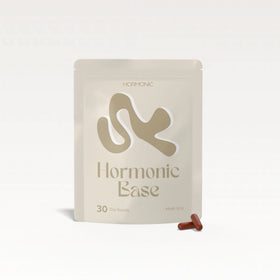
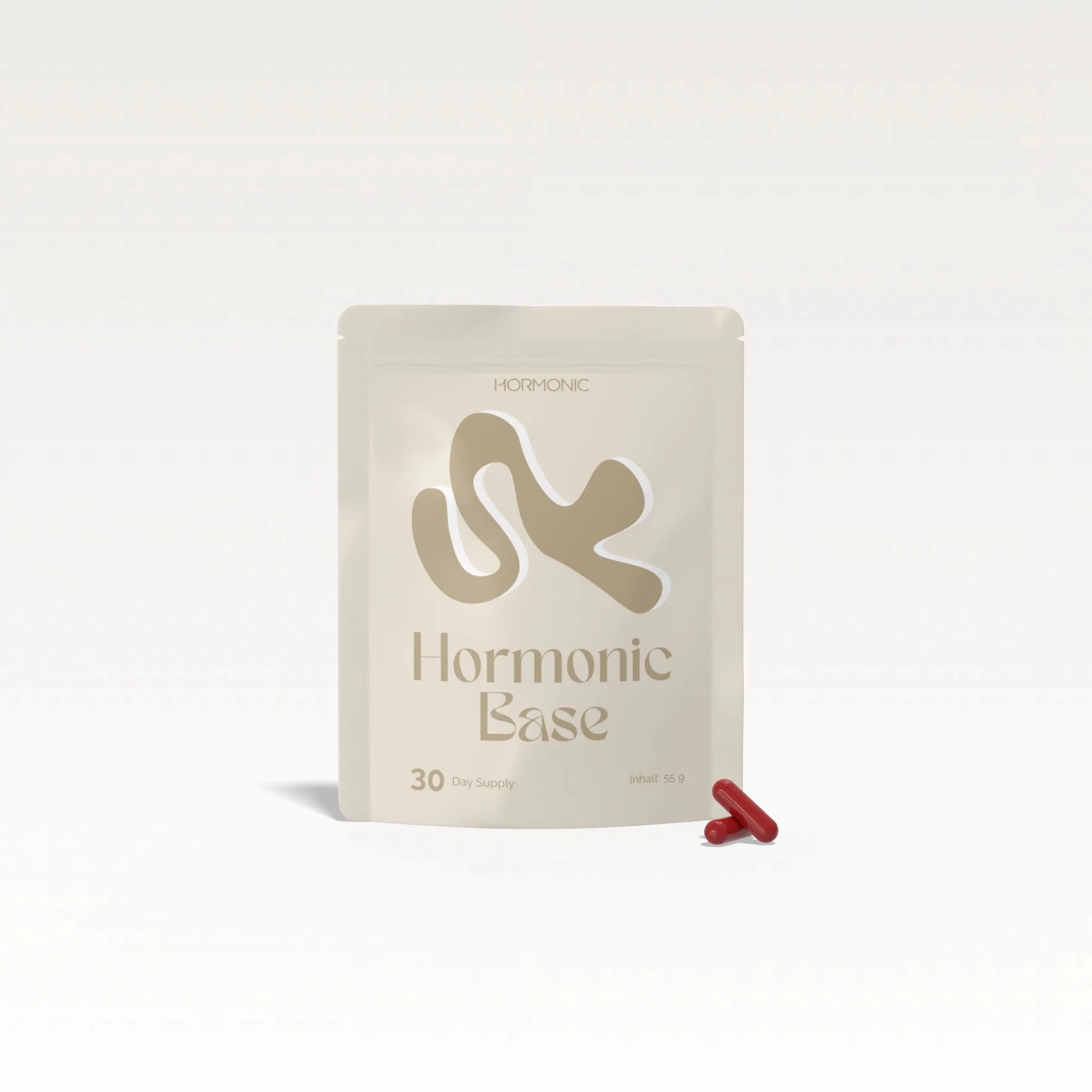
Hormonic Base - Hormonic - Nahrungsergänzungsmittel
Sale price€65,00
(5.0)
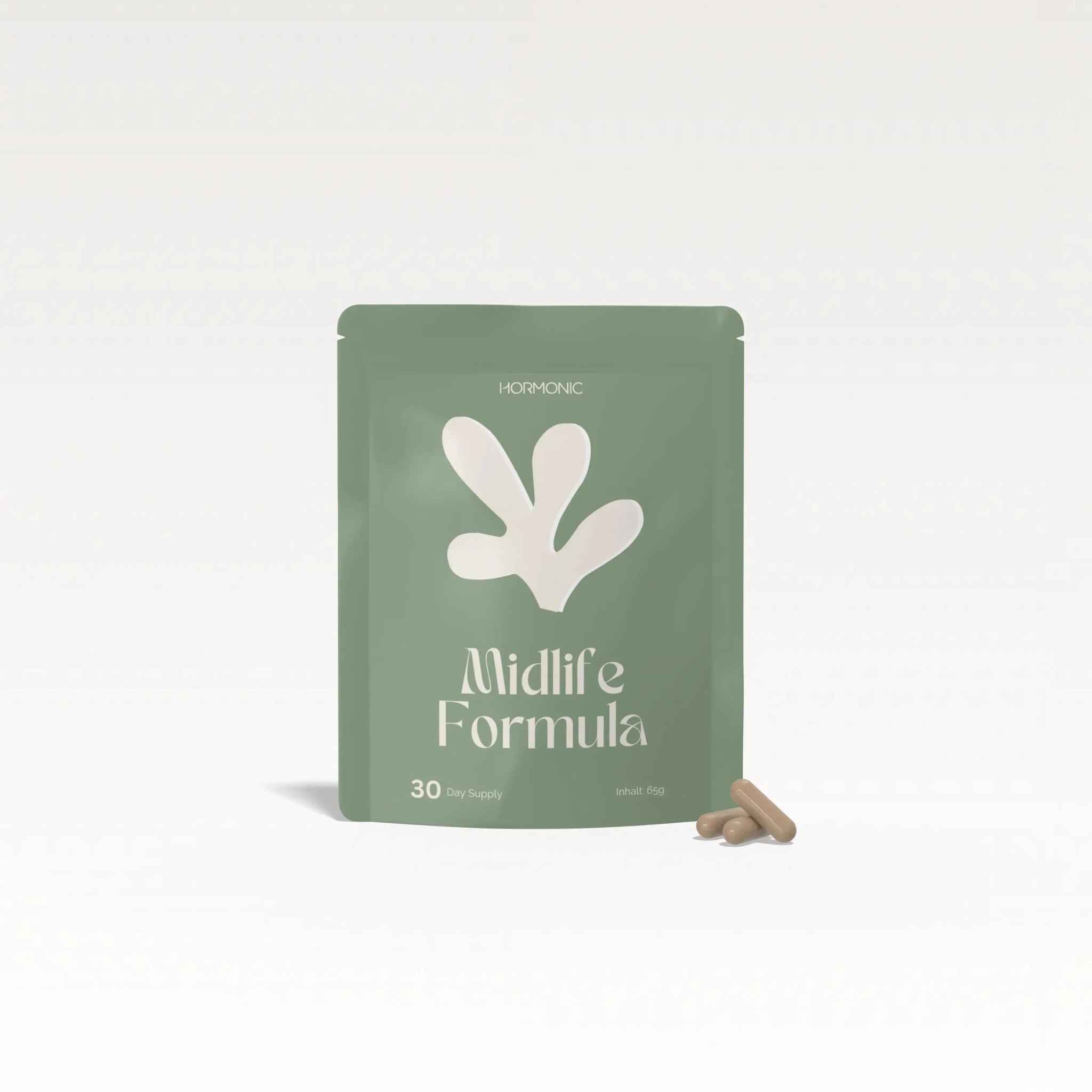
Midlife Formula - Hormonic - Nahrungsergänzungsmittel
Sale price€75,00
(5.0)
Östrogenmangel und Schilddrüse: der Zusammenhang - Hormonic
HormoneAug 20, 20268 min read

Estrogen Deficiency and the Thyroid: The Connection

This article is part of: Thyroid and Hormones in Women: The Complete Guide

Recently, a woman in her mid-40s sat across from me in my office, convinced that she had been in the middle of menopause for months. Tired, a few kilos heavier, thinning hair, irritable mood. Everything fit the picture. Only a look at her thyroid values showed otherwise: her TSH was significantly elevated, and a large part of her complaints came from an emerging underactive thyroid, not just from the falling estrogen.

I often see such mix-ups. This is because estrogen deficiency and the thyroid are more closely linked than most women realize, and they cause surprisingly similar symptoms. Sometimes it is the thyroid behind the supposed menopause fatigue, sometimes it is the exact opposite, and not infrequently both play a role together.

When two hormone systems trigger the same symptoms and both begin to waver simultaneously in midlife, gut feeling does not help. Only a look at the blood values does.

How are estrogen deficiency and the thyroid related?

Estrogen deficiency and the thyroid are related on two levels. First, estrogen directly influences how much thyroid hormone is bound in your blood because it controls the formation of the transport protein TBG. Second, the symptoms of estrogen deficiency and an underactive thyroid overlap so strongly that they are difficult to distinguish in everyday life. Furthermore, both occur more frequently in women around the menopause.

The result is a kind of fog: your symptoms are real, but their cause is not clearly identifiable from the outside. The following table shows how similar the symptoms are and which lab values provide clarity in the end.

Symptom Estrogen deficiency (peri-/postmenopause) Underactive thyroid
Fatigue, exhaustion common common
Weight gain possible common
Low mood, irritability common possible
Hair loss, dry skin possible common
Feeling cold, sensitivity to cold less common typical
Hot flashes, sweating typical less common
Clarifying values Estradiol, FSH TSH, fT4, TPO-Ab

What Estrogen Does to Your Thyroid

Estrogen and the thyroid do not work independently but are interconnected. An important mechanism involves a transport protein in the blood called thyroxine-binding globulin (TBG). It binds a large portion of your thyroid hormones, keeping them in reserve. Estrogen increases the production of TBG in the liver. When estrogen levels rise, more thyroid hormone is bound; when they fall, this balance shifts back.

This is most evident when estrogen is introduced externally. As early as 2001, Arafah observed in a study published in the New England Journal of Medicine that women with existing hypothyroidism often required more thyroid hormone during estrogen therapy because more of it was bound. Conversely, an estrogen deficiency in perimenopause and postmenopause does not automatically mean a thyroid disorder, but the delicate balance between the two systems changes, and your body feels it.

The indirect pathway is interesting: when estrogen levels drop, metabolism, body temperature, mood, and sleep change anyway. These are precisely the areas the thyroid also controls. When two systems operate the same controls and both simultaneously falter, it becomes difficult to say which one is dictating the pace.

Why Women and Menopause Are Particularly Affected

Thyroid disorders affect women significantly more often than men, and the risk increases around midlife. The European Menopause and Andropause Society (EMAS) states in its 2024 position paper that thyroid disorders are common in women in their late reproductive years and therefore often occur concurrently with menopause. Both conditions can present with a wide range of similar symptoms, making diagnosis difficult.

A large proportion of these diseases are autoimmune, especially Hashimoto's thyroiditis, in which the immune system attacks the thyroid gland, slowly leading it to hypothyroidism. Why women are so much more affected is not fully understood, but sex hormones and genetics play a role. When hormonal stability is lost during perimenopause, a long-smoldering thyroid dysfunction can fully manifest in some women.

This is why it is worthwhile to keep both aspects in mind during this phase of life. You can find more about the hormonal changes of these years in our Guide to Perimenopause and Menopause, and we delve into the thyroid itself in the Complete Thyroid Guide.

Why Symptoms Are So Easily Confused

The real crux is the symptom overlap. Fatigue, weight changes, low mood, hair loss, dry skin, concentration problems, and cycle changes occur with both estrogen deficiency and hypothyroidism. This is precisely why symptoms during this phase of life are quickly attributed broadly to menopause, even though the thyroid could also be the cause, or both simultaneously.

A few differences help with classification but do not replace diagnostics. Hot flashes and night sweats are more indicative of the hormonal changes of menopause. In contrast, pronounced coldness, significantly slowed digestion, and noticeably dry, cool skin are more typical of hypothyroidism. However, because the symptoms overlap, the only reliable answer is to look at the values. We will clarify what these are shortly. How hypothyroidism specifically manifests in women can be read in detail under the Symptoms of Hypothyroidism.

Hormonic Base for Your Basic Thyroid Care

Your thyroid needs specific micronutrients to function normally. According to the EFSA, selenium and zinc contribute to normal thyroid function and also protect cells from oxidative stress. Both are found in Hormonic Base, along with 14 other essential nutrients. Doctor-developed, produced in Austria.

Learn more

What you can do: clarify the right values

The most important step is not to guess, but to measure. For the thyroid, the central starting value is TSH, the control value from the pituitary gland. If it is abnormal, free T4 (fT4) usually follows, and, if an autoimmune disease is suspected, thyroid antibodies (TPO-Ab). For the estrogen side, estradioland FSHprovide information, with rising FSH being a typical marker for perimenopause.

It is important to keep the order in mind: A single value is a snapshot; hormones fluctuate greatly, especially during perimenopause. Therefore, your values should always be interpreted by a doctor and ideally considered over time, not fixed on a single day.

Nutrients your thyroid needs

Your thyroid depends on certain micronutrients to function normally at all. Two of these are particularly well-documented and, according to the EFSA, explicitly contribute to normal thyroid function: seleniumand zinc.

Selenium is found in enzymes that activate thyroid hormones and protects tissue from oxidative stress. For Hashimoto's, the study data is cautiously positive: A systematic review and meta-analysis of randomized studies from 2024 in the journal Thyroid observed that selenium supplementation can lower thyroid antibodies, while the results for thyroid function itself were more mixed and most beneficial when a deficiency was present. The evidence is encouraging, but not limitless, and selenium does not replace medical treatment.

Zinc is involved in the conversion of thyroid hormones into their active form. A randomized, double-blind study with overweight women with hypothyroidism (Mahmoodianfard, 2015) observed that zinc alone or together with selenium improved the active hormone level fT3. This is a smaller study, but the effect shows how closely nutrient supply and thyroid function are related, especially when a deficiency exists.

A third component is iodine, the basic substance of every thyroid hormone. However, caution is advised here: In Germany, the supply is often borderline, but too much iodine can also be harmful in Hashimoto's. Therefore, iodine should not be self-experimented with, but clarified by a doctor.

If you want to give your thyroid a solid foundation, selenium and zinc are the two nutrients where it is most worthwhile to look at your intake. We delve deeper into the selenium question in Hashimoto's in our article on selenium for thyroid and Hashimoto's.

When you should seek medical clarification

Seek medical guidance if your symptoms persist, worsen, or significantly restrict you in everyday life, and explicitly have your thyroid examined, rather than prematurely attributing everything to menopause. A check-up is particularly advisable for pronounced fatigue, unexplained weight changes, cold sensitivity, depressive moods, or if thyroid diseases occur in your family. If you are unsure where to start, you can have this clarified in a free introductory consultationwith one of our doctors.

If you also want to understand what is behind estrogen deficiency itself and what you can do about it, our articles on the symptoms and causes of estrogen deficiencywill help you.

You don't know what's wrong with you?

In a free 15-minute introductory call, one of our doctors will assess your situation and you can ask all your questions, without any obligation. Conveniently via video call, without waiting times.

Book a consultation

Conclusion

Estrogen deficiency and the thyroid are more closely related than they might appear at first glance. Estrogen influences how much thyroid hormone is bound through the transport protein TBG, and around menopause, declining estrogen and common, often autoimmune thyroid problems coincide. Because many symptoms overlap, the only reliable answer is a look at the values: TSH, fT4, and TPO-Ab for the thyroid, and estradiol and FSH for the hormonal side.

Good nutrient supply with selenium and zinc creates a solid foundation for the thyroid but does not replace diagnostics. The best way to take the crucial step of finding out what is actually behind your symptoms is to do so together with your doctor.

Frequent Questions About Estrogen Deficiency and the Thyroid

Can estrogen deficiency affect the thyroid?

Yes. Estrogen controls, among other things, how much of the transport protein TBG your liver produces, thus influencing how much thyroid hormone is bound in the blood. An estrogen deficiency during menopause changes this balance and can also trigger symptoms that closely resemble an underactive thyroid. However, this is not a thyroid disease in itself, but a reason to have both aspects assessed by a doctor.

Why are thyroid problems more common during menopause?

Because two things are superimposed. Thyroid diseases, especially autoimmune Hashimoto's thyroiditis, affect women significantly more often anyway, and their risk increases around midlife. At the same time, hormonal stability disappears during perimenopause, so that a long-standing thyroid dysfunction only becomes noticeable now. Therefore, the European Menopause Society recommends considering the thyroid during this phase.

Welche Werte sollte ich testen lassen?
Für die Schilddrüse ist der TSH-Wert der zentrale Startpunkt, ergänzt bei Auffälligkeiten um das freie T4 (fT4) und die Antikörper (TPO-AK). Für die hormonelle Seite geben Östradiol und FSH Auskunft, wobei ein erhöhtes FSH typisch für die Perimenopause ist. Wichtig ist, die Werte ärztlich einordnen und im Verlauf betrachten zu lassen, denn gerade in der Perimenopause schwanken sie stark.
Hilft Selen bei der Schilddrüse?
Selen trägt laut EFSA zu einer normalen Schilddrüsenfunktion bei und schützt die Zellen vor oxidativem Stress. Bei Hashimoto deutet eine Meta-Analyse von 2024 darauf hin, dass Selen die Schilddrüsen-Antikörper senken kann, am ehesten bei einem bestehenden Mangel. Es ersetzt aber keine ärztliche Behandlung und sollte nicht unkontrolliert hochdosiert werden.

Scientific Sources

  • Mintziori G, et al. (2024). EMAS position statement: Thyroid disease and menopause. Maturitas 185:107991. doi:10.1016/j.maturitas.2024.107991
  • Selenium Supplementation in Patients with Hashimoto Thyroiditis: A Systematic Review and Meta-Analysis of Randomized Clinical Trials (2024). Thyroid 34(5):563-574. doi:10.1089/thy.2023.0556
  • Arafah BM (2001). Increased need for thyroxine in women with hypothyroidism during estrogen therapy. New England Journal of Medicine 344(23):1743-1749. doi:10.1056/NEJM200106073442302
  • Mahmoodianfard S, et al. (2015). Effects of Zinc and Selenium Supplementation on Thyroid Function in Overweight and Obese Hypothyroid Female Patients: A Randomized Double-Blind Controlled Trial. Journal of the American College of Nutrition 34(5):391-399. doi:10.1080/07315724.2014.926161
  • Winther KH, et al. (2020). Selenium in thyroid disorders: essential knowledge for clinicians. Nature Reviews Endocrinology 16(3):165-176. doi:10.1038/s41574-019-0311-6

About the Author

Lisa Maria Emmer

Lisa Maria Emmer

Founder · Physician · Hormonic

Lisa Maria Emmer is co-founder and medical director at Hormonic. She supports women with hormonal problems every day and specializes in cycle health, PCOS, and menopause.

Note: This article is based on current guidelines and scientific work (as of 2026). It is for informational purposes only and does not replace medical advice, diagnosis, or treatment.

Share

You might also be interested in this.

Östrogenmangel – Was hilft wirklich? Natürliche Maßnahmen im Überblick - Hormonic
HormoneFeb 26, 20269 min read
Estrogen deficiency: What really helps? An overview of natural measures

Do you suspect an estrogen deficiency? This article shows which natural measures are actually effective according to current research, starting with the most powerful lever: energy availability. Pl...

Östradiol: Werte, Wirkung und was sie bedeuten - Hormonic
DiagnostikJul 8, 20268 min read
Estradiol: Levels, Effects, and What They Mean

Estradiol is the most important estrogen in women. What normal levels are, what high and low levels mean, and how to support your cycle.

Östrogenmangel: Symptome, Ursachen & was im Körper passiert - Hormonic
HormoneJun 4, 20268 min read
Estrogen Deficiency: Symptoms, Causes & What Happens in the Body

What is estrogen deficiency and what are its underlying causes? Learn how estrogen works in the body, what symptoms a deficit triggers, who can be affected, even before menopause, and what a well-f...