
Cart

Your cart is empty

Continue shopping

Trending searches

Featured products

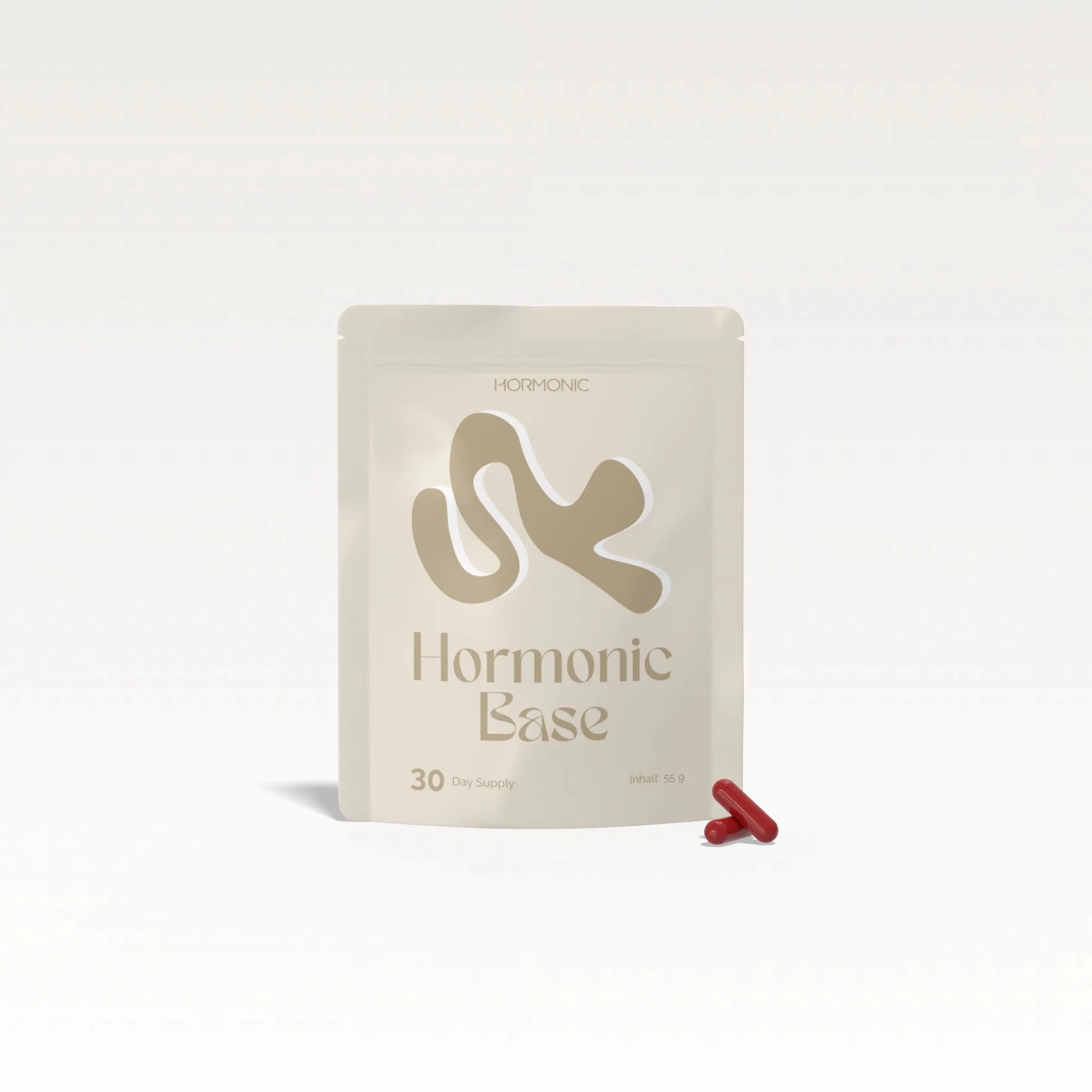
Hormonic Base Nahrungsergänzung mit 16 Mikronährstoffen
Sale price€65,00
(5.0)
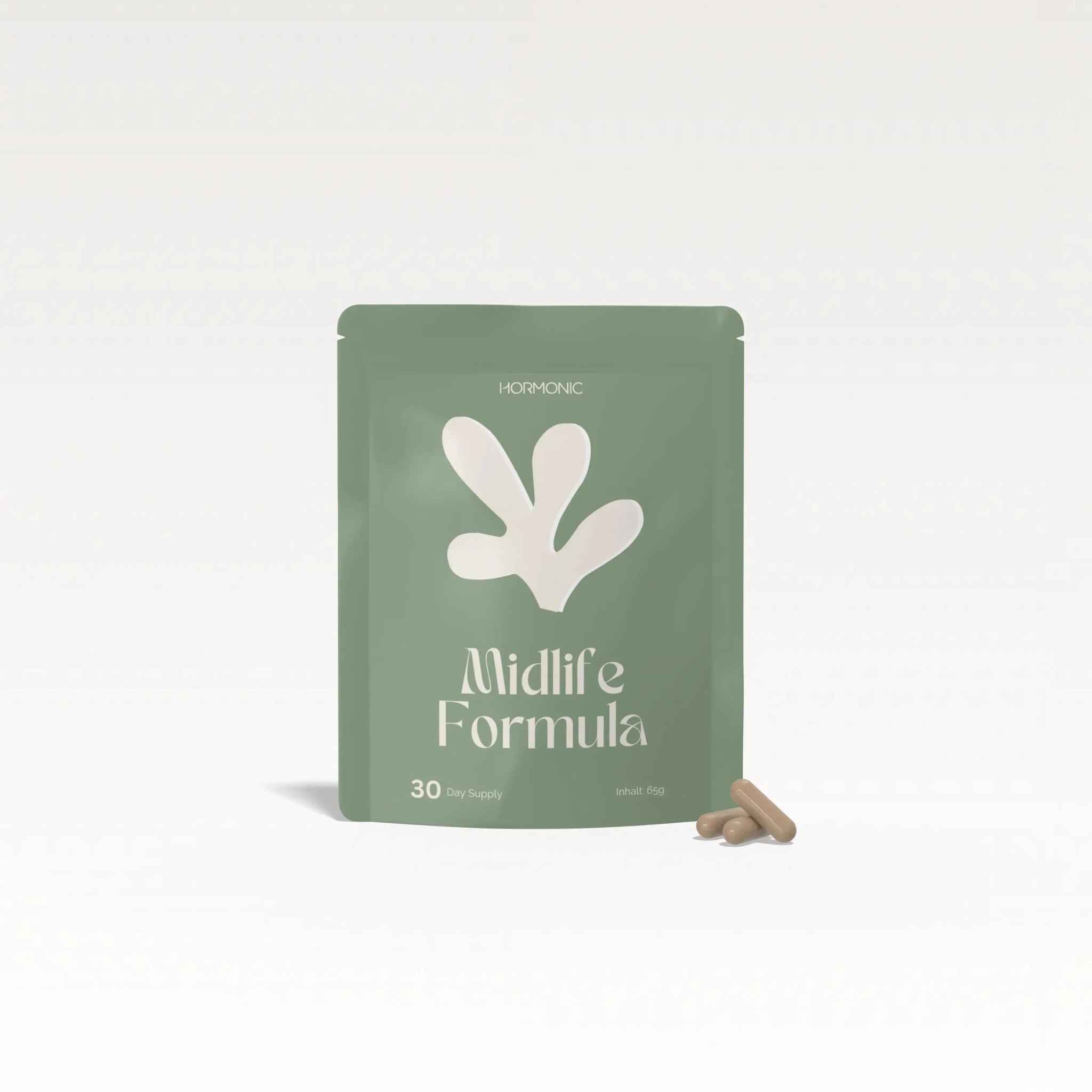
Hormonic Midlife Formula für die Perimenopause
Sale price€75,00
(5.0)
Östrogenmangel – Was hilft wirklich? Natürliche Maßnahmen im Überblick
MikronährstoffeFeb 26, 20269 min read

Estrogen Deficiency – What Really Helps? A Summary of Natural Measures

Do you suspect an estrogen deficiency and want to know what actually helps? This article skips the symptom theory and focuses on natural measures that work according to current studies.

Key takeaways
  • Energy availabilityis the most strongly modifiable factor in functional estrogen deficiency.
  • Natural measures work via the HPO axis, not directly on the ovaries.
  • They help with functionalcauses, not with primary ovarian insufficiency, genetic causes, or during menopause.

The Essentials in Brief

  • Energy availability is the strongest modifiable factor in functional estrogen deficiency.
  • Natural measures work via the HPA axis, not directly on the ovaries.
  • They help with functional causes, not primary ovarian insufficiency, genetic causes, or menopause.

Still unsure whether you even have an estrogen deficiency? We have summarized symptoms, causes, and diagnostics in the complete estrogen deficiency guide.

Functional vs. Clinical Estrogen Deficiency: Why the Distinction is Crucial

Treating estrogen deficiency naturally only works if the cause is functional. Medicine distinguishes between two forms:

  • Functional Deficiency: Estrogen production is suppressed by external factors such as energy deficit, stress, or training load. Here, the evidence for lifestyle measures is strongest and usually reversible.
  • Clinical Deficiency: Based on a primary ovarian dysfunction (e.g., POI) or superordinate control centers. Here, natural measures are supportive but not causal.

A single low estradiol value is hardly meaningful without the cycle context, as estrogen naturally fluctuates considerably throughout the cycle. The overall picture of the life stage, cycle, symptoms, and axis function is crucial.

Understanding the HPO Axis: Where Natural Measures Take Effect

The HPO axis (Hypothalamic-Pituitary-Ovarian axis) is the control chain for estrogen production. The hypothalamus processes information about energy status, stress, and sleep and sends GnRH to the pituitary gland. The pituitary gland then releases LH and FSH, which stimulate the ovaries to produce estradiol.

The crucial point: Natural measures do not directly influence the ovaries, but rather the conditions under which the hypothalamus sends its signals. This is precisely why energy, stress, and sleep are the most important levers.

1. Energy Availability, the Strongest Lever in Estrogen Deficiency

Energy availability describes how much energy remains for hormonal, immunological, and metabolic processes after subtracting physical activity. It is by far the best-studied influencing factor on estrogen production in young women.

The Problem: Chronic Energy Deficit

If energy intake is chronically too low, due to restrictive eating, high training volume, or both, the hypothalamus reduces GnRH secretion. LH and FSH decrease, follicular maturation is suppressed, and estrogen production drops. If menstruation stops, it is called functional hypothalamic amenorrhea (FHA).

In sports medicine, the REDs model (Relative Energy Deficiency in Sport) describes this syndrome. The updated IOC Consensus Statement 2023 (Mountjoy et al., Br J Sports Med 2024) states that low energy availability acts on a continuum, from short-term adaptive to problematic. It is now highlighted that carbohydrate availability also plays a central role: even with the same caloric intake, low-carbohydrate diets disrupted reproductive hormones.

Practical Takeaway: Very low-carbohydrate diets (strict low-carb/keto) can further burden cycle function in women with borderline energy availability, even if the calories "are right."

The Solution: Restoring Energy Availability

Restoring adequate energy availability is considered the most effective measure for normalizing cycle function in functional estrogen deficiency.

Guideline: at least 45 kcal per kilogram of fat-free mass per day.

Example: A woman weighing 65 kg with 25% body fat has ~48.75 kg of fat-free mass and therefore needs at least ~2,190 kcal/day, in addition to training expenditure.

2. Body Fat & Peripheral Aromatization, Properly Classified

Adipose tissue is endocrinologically active and contains the enzyme aromatase, which converts androgens into estrogens (peripheral aromatization). In reproductive age, however, the majority of active estradiol comes from the ovaries.

Therefore: A very low body fat percentage is usually not a direct trigger for low estradiol levels, but rather a marker of low energy availability. This is mediated, among other things, by leptin: If fat mass decreases significantly, leptin levels fall, and the HPO axis is dampened.

  • Energy availability is the dominant regulator, not body fat percentage itself.
  • Body fat acts as an energy signal and modulator, not as an independent "estrogen lever."
  • Focus on adequate energy intake rather than a specific body fat number.
3. Stress Regulation & Sleep: Relieving the Axis

Chronic stress activates the HPA axis: The hypothalamus increasingly releases CRH, which leads to cortisol release. CRH can inhibit GnRH secretion, thereby reducing estrogen production. Sleep deprivation and irregular sleep times further disrupt circadian, pulsatile LH/GnRH secretion.

The goal of stress reductionhere is not emotional relaxation, but the restoration of GnRH pulsatility. Specific levers:

  • Daylightin the morning within 30 minutes of waking.
  • Fixed wake-up time(more important than a fixed bedtime).
  • Adjust training:Deload weeks, volume reduction, less high-intensity during an energy deficit.
  • Regular mealsinstead of intermittent restriction; refeed strategies for chronic restriction.
  • Cognitive Behavioral Therapy (CBT)has proven effective for FHA.
  • 7 to 9 hours of sleep.

4. Metabolism & Thyroid: The Metabolic Players

The HPO axis does not work in isolation. Hypothyroidismcan alter GnRH pulsatility and cause menstrual cycle disturbances. Get your thyroid checked if cycle disturbances coincide with feeling cold, hair loss, or fatigue.

Leptinsignals the hypothalamus about the energy state; low levels inhibit GnRH secretion. Stable blood sugar and insulin regulationthrough regular, balanced meals also supports the axis.

5. Nutrition & Micronutrients: Creating the Framework

Don't underestimate fat intake

Estrogen is a steroid hormone and is based on cholesterol. Extremely low-fat diets can impair steroid synthesis. Guideline: at least 20 to 25% of total energy from fat.Omega-3 fatty acids are clearly superior to trans fats.

Micronutrients: Close Gaps, Don't Expect Miracles

Important:Micronutrients do not pharmacologically increase estradiol. But a deficiency can exacerbate hormonal dysregulation; closing the gap normalizes the framework.

  • Vitamin D:Affects aromatase and FSH receptor expression as well as AMH; low levels associated with cycle disturbances. Evidence: moderate.
  • Zinc:Cofactor in steroid hormone synthesis; deficiency can impair follicle maturation. Evidence: moderate.
  • Magnesium:Involved in HPA axis regulation and sleep quality, indirectly hormonally relevant. Evidence: moderate/mechanistic.
  • B vitamins (B6, B12, Folate):Relevant for methylation and estrogen breakdown in the liver. Evidence: mechanistic.
  • Selenium:Important for thyroid function (T4 to T3) and antioxidant protection of the ovaries. Evidence: moderate (indirect).
  • Omega-3:Positive effects on fertility parameters; no consistent estradiol increase. Evidence: moderate (indirect).

Hormonic Base provides exactly these 16 essential micronutrients in a medically developed, lab-tested formula, as a solid foundation, not as a substitute for energy, sleep, and stress regulation.

Targeted safeguarding of your nutrient base

Hormonic Base provides the 16 essential micronutrients, medically developed and lab-tested, that have been associated in studies with hormonal balance, cycle, and metabolism. Magnesium, zinc, vitamin D, and many more. Replace 16 products with one.

€65,00

Discover Hormonic Base

6. Phytoestrogens, a Differentiated Classification

Phytoestrogens(e.g., soy isoflavones, flaxseed lignans) bind to estrogen receptors with low affinity. This dual, context-dependent effect is described as SERM-like: weakly estrogenic at low levels, but more competitively inhibiting at high levels.

The strongest evidence is found in postmenopausal women: Current meta-analyses (PeerJ 2025; Na Takuathung et al. 2024) show a moderate reduction in vasomotor symptomslike hot flashes. However, a meta-analysis in Advances in Nutrition (2024) found that soy isoflavones do not measurably increase estradiol levels; they modulate symptoms but are not an estradiol substitute.

Individual effects depend on gut flora: Only those who can convert daidzein into the more active equolbenefit more, and not everyone can do this.

7. Gut, Liver & the Estrobolome

Estrogen is metabolized in the liver and excreted via the gut. Certain gut bacteria, collectively known as the estrobolome, can reactivate it via the enzyme beta-glucuronidase (enterohepatic circulation). A disturbed gut flora (dysbiosis) can affect estrogen metabolism.

Supportive measures include a fiber-rich diet, fermented foods, and prebiotic fibers. Classification: This field is young; the evidence is predominantly mechanistic, and a direct causal effect on estrogen levels has not been proven.

What is Realistic, and Where Natural Measures Reach Their Limits

For functional causes, the evidence for lifestyle measures is strongest. Natural measures are not sufficientfor:

  • Primary Ovarian Insufficiency (POI), requires medical hormone therapy.
  • Genetic causes(e.g., Turner Syndrome).
  • Advanced Perimenopause; ovarian decline is physiological and not reversible.

In these cases, natural measures act as supportive but not as a replacement.

Your Action Plan at a Glance

  • Energy intake (highest priority):at least 45 kcal/kg fat-free mass/day; compensate for deficit.
  • Carbohydrates (highest priority):sufficient carbohydrates, especially around training.
  • Meals (high):regular instead of intermittent fasting.
  • Training (high):reduce high-intensity, deload weeks.
  • Sleep & light (high):7 to 9 h; fixed wake-up time; 30 min morning light.
  • Stress (high):CBT elements, breathing techniques, recovery.
  • Micronutrients (supportive):check vitamin D, zinc, magnesium, B vitamins, selenium.
  • Gut (supportive):fiber, fermented foods.

When Medical Evaluation is Necessary

  • Period absent for more than 3 months (without pregnancy, breastfeeding, or contraception).
  • Repeated anovulatory cycles.
  • Distressing symptoms (hot flashes, vaginal dryness, bone pain) in women under 40.
  • Unexplained weight loss with menstrual cycle disorders.
  • Suspected POI or REDs.

Early evaluation is particularly important in young women, as long-term estrogen deficiency can sustainably impair bone health.

Unsure if you truly have an estrogen deficiency?

With the Hormonic Diagnostics Kit, you can conveniently test your estrogen and other hormone and blood markers from home. Medically supervised and highly precise.

Clarity instead of guesswork

Conclusion: The right support

Natural measures for estrogen deficiency work via the HPO axis, and their strongest lever is energy availability. Those who establish energy, sleep, and stress as a foundation create the conditions under which the body can restart its hormone production. Micronutrients, phytoestrogens, and gut health are useful additions but do not replace this foundation.

Have you established the foundations and want to specifically secure your nutrient base?Hormonic Basedelivers exactly the 16 essential micronutrients that have been associated with hormonal balance, cycle, and metabolism in studies, developed by doctors and tested in laboratories.

Common Questions About Natural Approaches to Estrogen Deficiency

How to naturally treat estrogen deficiency?

In cases of functional estrogen deficiency, the most effective natural measure is to restore sufficient energy availability, meaning enough calories after exercise (guideline: at least 45 kcal per kg of lean mass per day). Complementary measures include stress regulation, regular sleep, sufficient carbohydrates and fat, and correcting micronutrient deficiencies. However, these measures are only effective for functional causes.

How quickly do natural measures for estrogen deficiency work?

That depends on the cause. If an energy deficit is compensated, initial hormonal improvements can be seen within 2 to 4 weeks. However, it often takes several cycles for the menstrual cycle to normalize; 3 to 6 months of consistent implementation is a realistic timeframe.

Welche Mikronährstoffe sind bei Östrogenmangel relevant?
Mehrere Mikronährstoffe sind an Hormonsynthese und -regulation beteiligt: Vitamin D, Zink, Magnesium, B-Vitamine und Selen. Wichtig: Mikronährstoffe erhöhen Estradiol nicht pharmakologisch, können aber eine hormonelle Dysregulation verstärken, wenn ein Mangel besteht.
Helfen Phytoöstrogene wie Soja bei Östrogenmangel?
Phytoöstrogene binden mit geringer Affinität an Östrogenrezeptoren und wirken SERM-ähnlich. Die stärkste Evidenz liegt bei postmenopausalen Frauen: Metaanalysen 2024/2025 zeigen eine moderate Reduktion von Hitzewallungen. Sie erhöhen den Estradiolspiegel jedoch nicht messbar. Die Wirkung hängt davon ab, ob die Darmflora Daidzein in Equol umwandeln kann.

Scientific Sources

  • IOC REDs Consensus 2023 (Mountjoy et al., Br J Sports Med 2024)
  • Endocrine Society FHA Guideline
  • Soy Isoflavone Meta-analyses (PeerJ 2025; Advances in Nutrition 2024)

About the Author

Amelie Weiss

Amelie Weiss

Research Fellow, PhD · Hormonic

Amelie Weiss is a Research Fellow at Hormonic and conducts scientific research on hormonal health, micronutrients, and evidence-based women's health.

Note: This article is based on current guidelines and scientific work (as of 2026). It is for informational purposes only and does not replace medical advice, diagnosis, or treatment.

Share

You might also be interested in this.
Supplement-Kapseln und Glas Wasser auf cremefarbenem Leinentuch, täglicher Frauenstack
MikronährstoffeDec 8, 20259 min read
Which supplements should women take daily? The evidence-based stack

These 4 supplements are recommended daily by science for women: Micronutrient basis, Omega-3, Creatine, and targeted gut-hormone add-ons. Without hype, with a study basis.

GLP-1 und Frauenhormone: Zyklus, Wechseljahre und die Spritze
StoffwechselNov 4, 20248 min read
GLP-1 and Female Hormones: Cycle, Menopause, and the Shot

Did you know that a natural form of “Ozempic” already exists in your body? The hormone GLP-1 (Glucagon-Like Peptide-1) plays a key role in weight management, blood sugar regulation, and appetite co...

Östrogenmangel: Symptome, Ursachen & was im Körper passiert
HormoneJun 4, 20268 min read
Estrogen Deficiency: Symptoms, Causes & What Happens in the Body

What is estrogen deficiency and what causes it? Learn how estrogen works in the body, what symptoms a deficiency triggers, who can be affected – even before menopause – and what a comprehensive dia...