
Cart

Your cart is empty

Continue shopping

Trending searches

Featured products

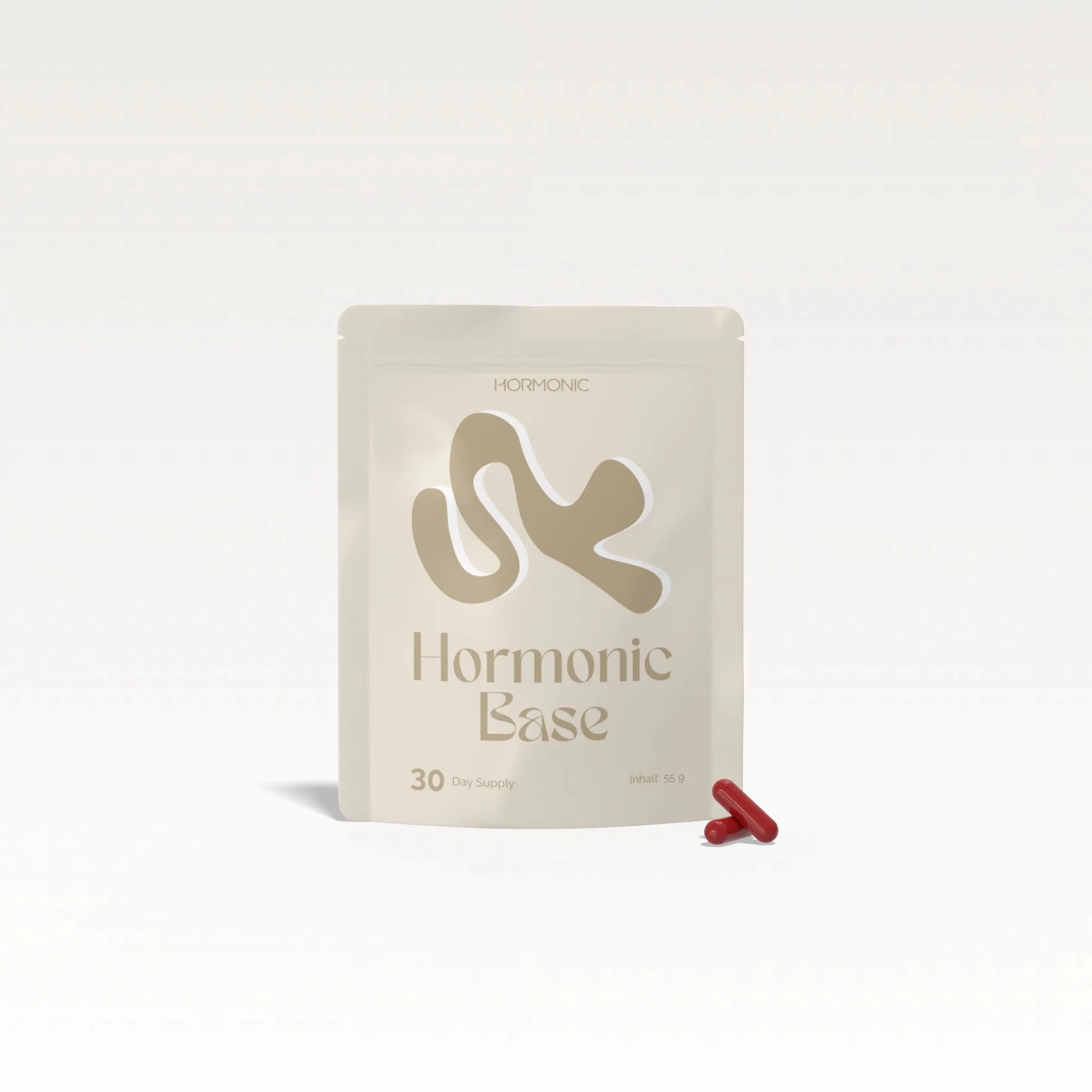
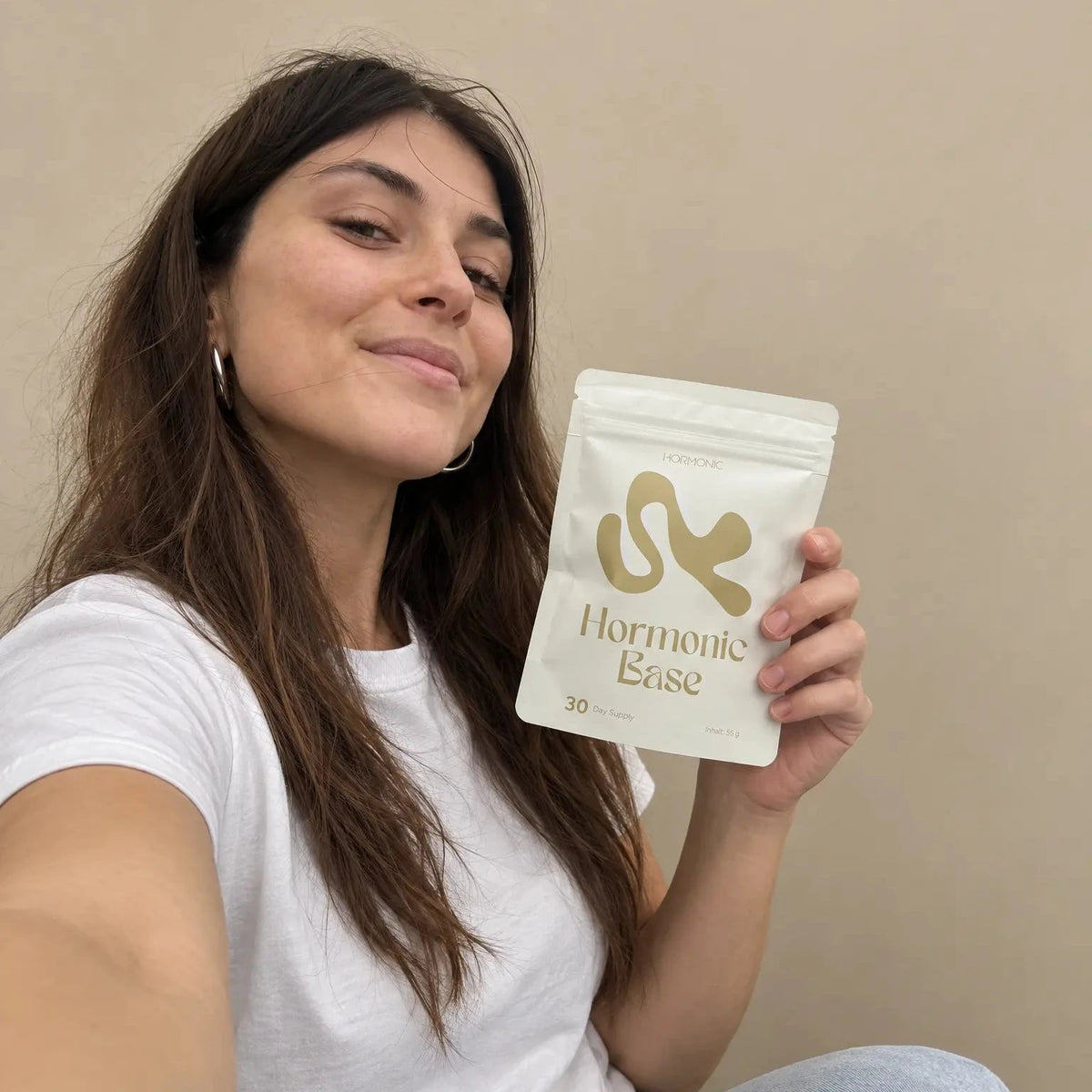
Hormonal Base
Sale price€65,00
(5.0)
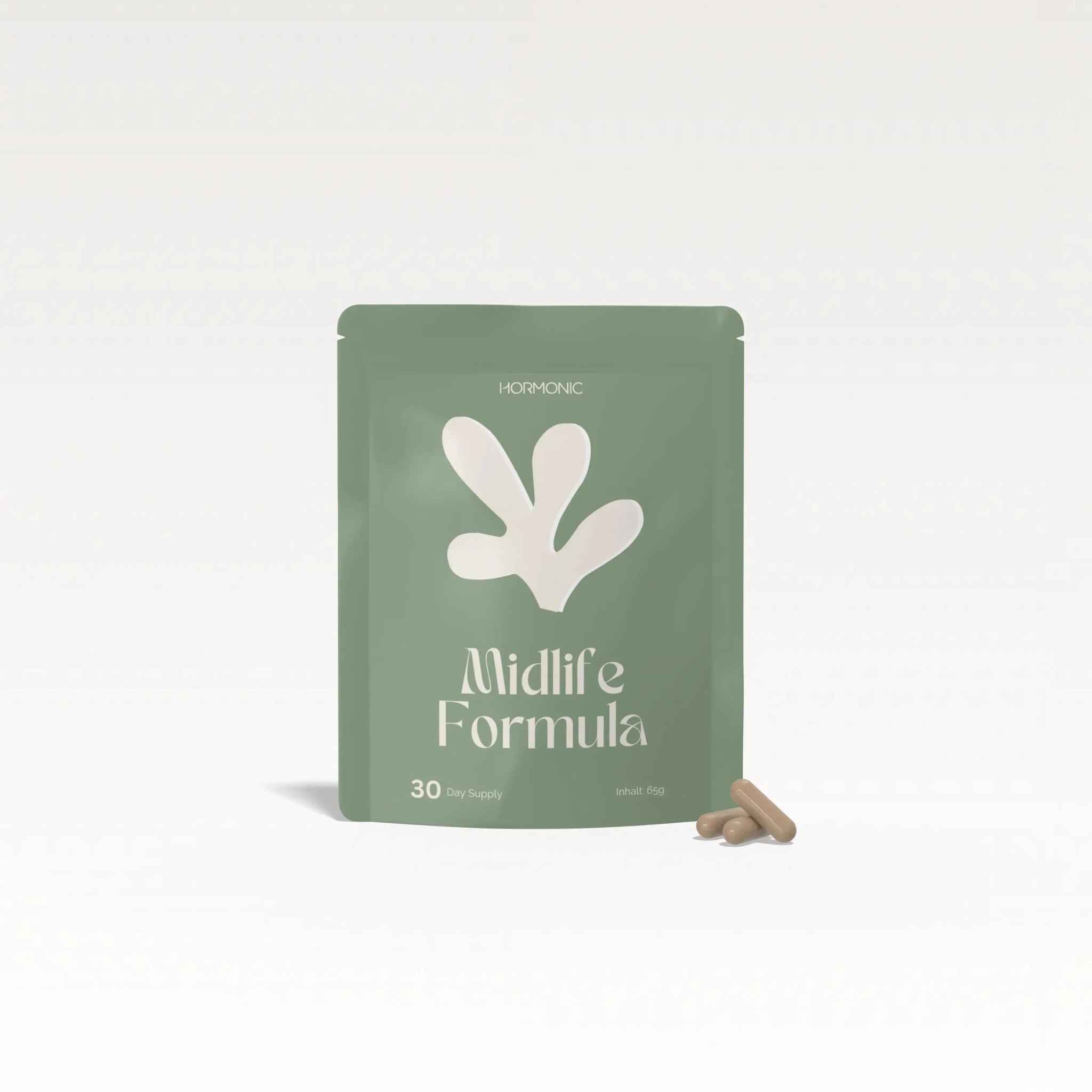
Midlife balance
Sale price€75,00
(5.0)
Pflanzliches Proteinpulver und Mikronährstoffe für hormonelle Balance und Muskelaufbau bei Frauen
ErnährungMay 30, 20259 min read

Plant Protein and Hormones: What the Research Says

Muscle building without bloating, energy without hormonal fluctuations: Many women are looking for protein that suits them both athletically and hormonally. This article classifies research on plant-based protein compared to whey, explains the role of micronutrients such as zinc, B12, and vitamin C, and shows what matters for PCOS, endometriosis, or irritable bowel syndrome.

Key takeaways

Plant-based protein from pea, rice, and almond, when combined, provides all essential amino acids and can achieve similar muscle gains to whey with appropriate dosing. It is lactose and gluten-free, often better tolerated, and triggers a lower IGF-1 response, which can be beneficial for PCOS and hormonally-induced acne. In combination with micronutrients such as zinc, vitamin B12, and vitamin C, as well as probiotics, absorption can be improved. The effects are individual and do not replace medical therapy.

Muscle building without bloating, energy without hormonal fluctuations, balance despite PCOS, endometriosis or stress: Many women are looking for protein sources that suit them not only athletically, but also hormonally. Plant-based protein combined with targeted micronutrients can be a well-tolerated option here. This article categorizes the research, compares plant-based protein with whey, and explains what matters in hormone-sensitive nutrition.

Why muscle building is a dilemma for many women

Muscle building stands for strength, health, and longevity, but the path to it comes with side effects for many: bloating after protein shakes, skin impurities, water retention, or the feeling of hormonal imbalance. Conventional protein products often rely on animal whey, which reaches its limits especially with sensitive digestion, PCOS, or endometriosis.

Plant-based protein sources are lactose- and gluten-free, two of the most common triggers for bloating. In combination with probiotics such as Lactobacillus rhamnosus and plantarum, they can also become more easily digestible, as these lactic acid bacteria can reduce gas-forming processes in the gut. Important: Plant-based protein also requires an adjustment period, and the effects vary individually.

Did you know that…

…whey can raise IGF-1 levels more strongly than plant-based protein? IGF-1 is anabolic, but can stimulate androgen production and sebaceous glands. For women with PCOS, who often have increased androgen sensitivity, this can be a reason to try plant-based alternatives.

Plant-based protein or whey? An overview

Whey was long considered the gold standard: quickly available, rich in leucine, highly bioavailable. Plant-based protein has caught up, especially in terms of tolerability and hormonal sensitivity. The following overview categorizes the most important differences.

Criterion Plant-based protein Whey
Muscle building Comparable effectiveness with appropriate dosage and combination. Slightly higher leucine content, quickly available.
Tolerability Lactose- and gluten-free, usually more gut-friendly. Can cause bloating or skin impurities in sensitive individuals.
Hormonal effect Lower IGF-1 response, often more favorable for PCOS. Stronger IGF-1 response, can trigger androgens and acne.
Absorption Slower, with fiber and phytochemicals. Very quickly absorbed.

It's not about maximum protein quantity, but about the form that your body tolerates well and that suits you hormonally.
Did you know that...

… whey can raise IGF-1 levels more than plant-based protein? IGF-1 is anabolic but can stimulate androgen production and sebaceous glands. For women with PCOS, who often have increased androgen sensitivity, this can be a reason to try plant-based alternatives.

Is plant-based protein as effective as whey?

Whey scores with high biological value and rapid absorption. Plant-based protein is absorbed more slowly, but provides a complete amino acid profile when properly combined. A mixture of pea, rice, and almond protein compensates for the weaknesses of individual sources.

Crucial for muscle building is the amino acid leucine, which is considered to be the trigger for muscle protein synthesis via the mTOR signaling pathway. Whey contains slightly more leucine (around 9 to 10%) than pea protein (around 6 to 8%). However, studies suggest that plant-based protein, with adjusted dosage and combination over several weeks of training, can achieve comparable muscle gains.

Functional amino acids particularly interesting for women

  • Lysine supports calcium absorption and collagen formation and, together with arginine, has a stress-regulating effect.
  • Arginine promotes blood circulation via nitric oxide. In combination with lysine, studies have shown a reduction in the stress hormone cortisol.
  • Tryptophan is the precursor to serotonin and melatonin and is therefore relevant for mood and sleep.
  • Methionine from rice protein supports liver function and is a precursor for the antioxidant glutathione.
  • Glutamine is a preferred fuel for intestinal and immune cells and can support regeneration after intense training.

Additionally, plant-based protein is free of lactose, casein, and milk-related components, which more frequently trigger symptoms in women with PCOS, endometriosis, or irritable bowel syndrome. This makes it an interesting option within a more anti-inflammatory diet. However, individual tolerance remains varied.

The micronutrient basis for your protein

Protein works best with the right micronutrient matrix. Hormonic Base provides 16 laboratory-tested active ingredients such as zinc, B vitamins, selenium, and NAC in clear, everyday dosages that have been linked to hormone regulation, metabolism, and cell protection in studies. Developed by doctors, without unnecessary additives.

€65,00

Discover Hormonic Base

Why Micronutrients and Protein Belong Together

Even the best formula is of little use if the body does not absorb it. Micronutrients are often better utilized when taken not in isolation, but in a meaningful matrix of protein and, if necessary, probiotics.

  • Bioavailability through Synergy:Minerals like calcium and zinc in citrate form require less stomach acid for absorption, which is beneficial for PCOS or when taking metformin. Calcium can also support the absorption of vitamin B12.
  • Probiotics:Strains like Lactobacillus plantarum and rhamnosus can break down phytic acid, which otherwise binds zinc, iron, and magnesium, thereby improving their availability.
  • Protein as a Carrier:Protein stabilizes blood sugar, prolongs the retention time of food, and can support the utilization of minerals and the intestinal barrier via amino acids like lysine and glutamine.
  • Antioxidant Boost:Vitamin C improves iron absorption and, together with zinc, supports the immune system.

What This Has to Do with Hormonal Balance

A stable hormonal balance is a central goal for many women, especially with PCOS or irregular cycles. The combination of plant-based protein and selected micronutrients can provide support on several levels without pharmacological intervention.

  • Zincplays a role in hormone regulation and ovarian function. A zinc deficiency can be associated with increased insulin resistance, and adequate supply can contribute to normal hormone synthesis.
  • Vitamin B12supports energy metabolism and can be relevant for hormonally induced fatigue.
  • Vitamin Cis important for adrenal function and can have a regulating effect on cortisol secretion.
  • Gut Florainfluences circulating estrogen levels and insulin sensitivity via the hormone-gut axis. Probiotics have shown effects on inflammation markers and androgen levels in studies.

Additionally: Plant-based combination protein provides all essential amino acids without significantly affecting IGF-1 levels, an advantage for hormonally induced acne or elevated androgens. These effects aim at the normal function of the body and do not replace medical therapy.

Take-Home Messages

  • Comparable Effectiveness:Plant-based protein can achieve similar muscle gains as whey when combined appropriately.
  • Often Better Tolerated:Lactose-free and gluten-free, often more gut-friendly with probiotics.
  • Hormonally Favorable for PCOS:Lower IGF-1 response, fewer androgen and acne triggers.
  • Synergy Counts:Micronutrients work better together with protein and probiotics than in isolation.

Aligning Nutrition, Cycle, and Training

Hormonic Care offers a physician-supervised 1:1 consultation that analyzes your hormone profile, cycle, and metabolism, and then creates a plan tailored to you. Book your free 15-minute initial consultation.

Book your free initial consultation

Conclusion

Plant-based protein is more than just a substitute for whey for many women. It can combine muscle building, digestibility, and hormonal sensitivity, especially with PCOS, endometriosis, or irritable bowel syndrome. The combination of sources, a good micronutrient matrix, and regularity in daily life are crucial.

These approaches do not replace medical therapy but are part of a preventive lifestyle. If you want to align your cycle, metabolism, and training, the medical team at Hormonic Care will support you with a personal analysis.

Frequently Asked Questions About Plant-Based Protein and Hormones

Is plant-based protein as effective as whey?

Yes, with appropriate dosing and combination. Plant-based sources such as peas, rice, and almonds complement each other to form a complete amino acid profile. While whey contains slightly more leucine, which triggers muscle protein synthesis, studies suggest that plant-based protein, with a slightly increased dosage over several weeks of training, can achieve comparable muscle gains. For many women, better digestibility is an added benefit.

Which protein is best for PCOS?

For women with PCOS, plant-based protein may be the better choice. Whey raises IGF-1 levels more significantly, which can stimulate androgen production and sebaceous glands, thus exacerbating acne and hormonal symptoms, especially given the often increased androgen sensitivity in PCOS. Plant-based protein elicits a lower IGF-1 response, is lactose-free, and contains fiber that helps stabilize blood sugar. This is not a cure, but it can support daily life with PCOS.

Warum verursacht Proteinpulver bei mir einen Blähbauch?
Häufige Auslöser sind Laktose und Casein in Whey, auf die viele Frauen mit sensibler Verdauung reagieren. Pflanzliches Protein ist laktose- und glutenfrei und wird oft besser vertragen, vor allem in Kombination mit Probiotika wie Lactobacillus rhamnosus und plantarum, die gasbildende Prozesse im Darm reduzieren können. Auch ein hoher Natriumgehalt kann Wassereinlagerungen begünstigen. Wichtig: Auch pflanzliches Protein braucht eine Eingewöhnung, und die Verträglichkeit ist individuell unterschiedlich.
Warum sollte ich Mikronährstoffe zusammen mit Protein einnehmen?
Weil die Aufnahme von der Matrix abhängt. Protein stabilisiert den Blutzucker und verlängert die Verweildauer der Nahrung, was die Nährstoffaufnahme verbessern kann. Aminosäuren wie Lysin und Glutamin unterstützen die Verwertung von Mineralien und die Darmbarriere. Probiotika können Phytinsäure abbauen, die sonst Zink, Eisen und Magnesium bindet. So kommen Vitamine und Mineralstoffe eher in den Zellen an, statt ungenutzt ausgeschieden zu werden.
Beeinflusst pflanzliches Protein die Hormone?
Pflanzliches Protein löst eine geringere IGF-1-Antwort aus als Whey, was bei hormonell bedingter Akne und erhöhten Androgenen günstig sein kann. In Kombination mit Mikronährstoffen wie Zink, das zur normalen Hormonsynthese beiträgt, und einer gesunden Darmflora, die über die Hormon-Darm-Achse auf Östrogenspiegel und Insulinempfindlichkeit wirkt, kann es die hormonelle Balance unterstützen. Diese Effekte zielen auf die normale Körperfunktion ab und ersetzen keine medizinische Therapie.

Scientific Sources

  • van Vliet S et al. (2015). The skeletal muscle anabolic response to plant- versus animal-based protein. J Nutr.
  • Babault N et al. (2015). Pea proteins oral supplementation promotes muscle thickness gains, randomized trial. J Int Soc Sports Nutr.
  • Smeuninx B et al. (2020). Amino acid composition and muscle protein synthesis of plant proteins.
  • Jdrkiewicz et al. (2023). Lysine and arginine supplementation and cortisol response, review.
  • Melnik BC (2015). Milk, IGF-1 and acne, mechanistic review.
  • Calcaterra V et al. (2023). Zinc and PCOS, insulin resistance and androgens, review.
  • Tremellen K, Pearce K (2012). Gut microbiota and PCOS, the gut-hormone axis hypothesis.
  • Cruz-Aguilar et al. (2021). Probiotics, phytic acid degradation and mineral bioavailability.

About the Author

Lisa Maria Emmer

Lisa Maria Emmer

Medical Director · Hormonic

Lisa Maria Emmer is co-founder and medical director at Hormonic. She supports women with hormonal problems every day and specializes in cycle health, PCOS, and menopause.

Note: This article is based on current scientific studies and reviews and has been prepared with the utmost care. It is intended for informational purposes only and does not replace professional medical advice, diagnosis, or treatment. Mentioned dietary supplements are not a substitute for a balanced diet and a healthy lifestyle. If you have existing medical conditions, are pregnant or breastfeeding, or are taking medication, always consult a doctor before taking any dietary supplements.

Share

You might also be interested in this.
PCOS Ernährung: Was wirklich hilft bei Blutzucker & Hormonen
ErnährungJul 27, 20248 min read
PCOS Nutrition: What Really Helps with Blood Sugar & Hormones

PCOS cannot be cured by diet alone, but nutrition is one of the most effective levers. This evidence-based guide shows which foods stabilize blood sugar, reduce inflammation, and support ovulation.
Frau liegt erschöpft im Bett, Symbolbild für Müdigkeit bei Insulinresistenz
StoffwechselApr 10, 20268 min read
Insulin Resistance in Women: Causes, Symptoms & What Helps

Insulin resistance affects many women, but often remains undetected for a long time. Learn how hormones and metabolism are connected and what can specifically help with insulin resistance.

Myo-Inositol bei PCOS: Wirkung, Studien & Dosierung
FruchtbarkeitMay 31, 202610 min read
Myo-inositol for PCOS: Effects, Studies & Dosage

How does inositol work for PCOS, what do studies show regarding ovulation, testosterone, and insulin resistance, and what is a sensible dosage? The evidence-based overview.