Offer ends in10:00

Cart

Your cart is empty

Continue shopping

Trending searches

Featured products

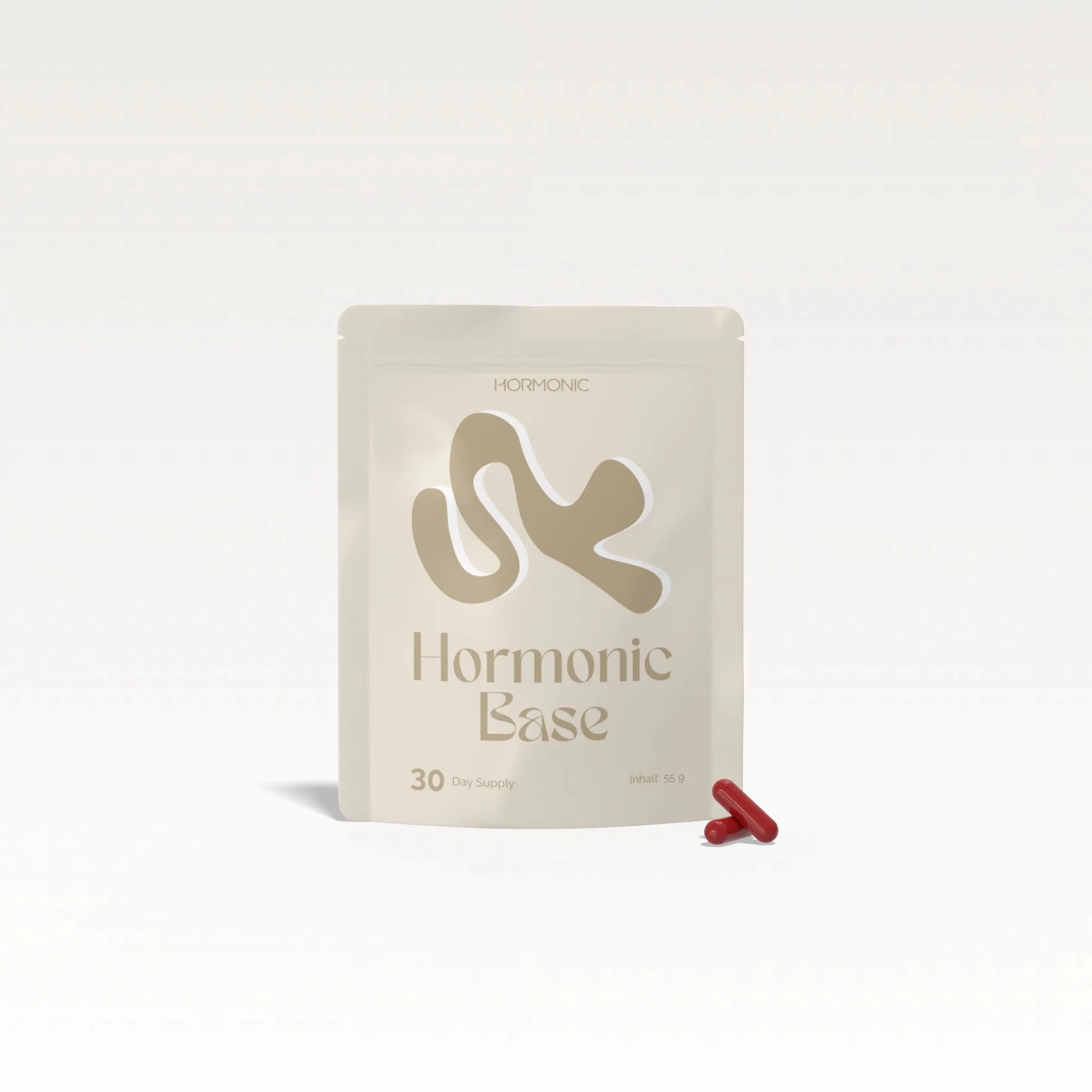
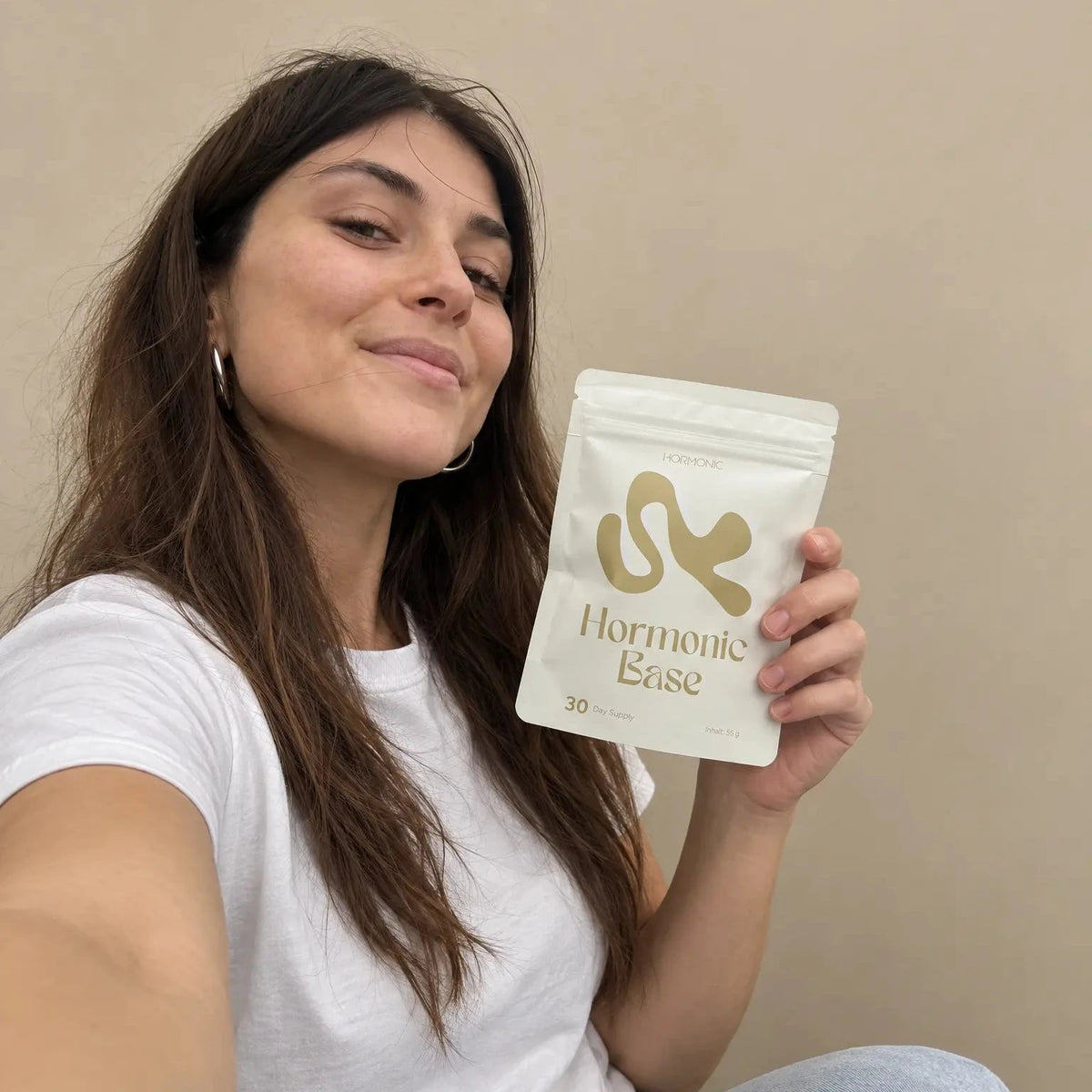
Hormonic Base - Hormonic - Nahrungsergänzungsmittel
Sale price€65,00
(5.0)
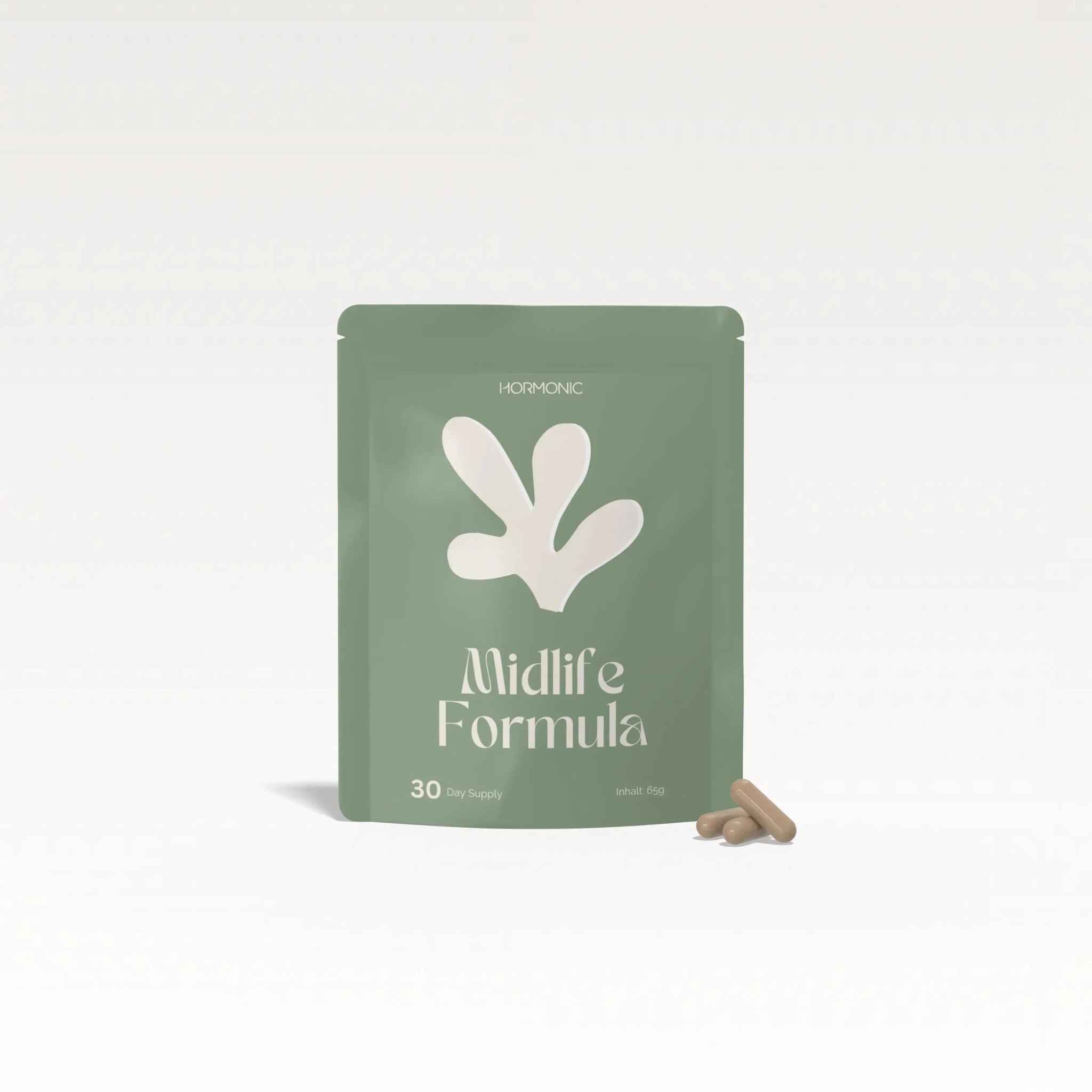
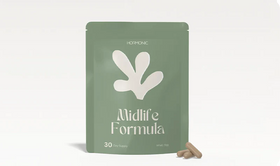
Midlife Formula - Hormonic - Nahrungsergänzungsmittel
Sale price€75,00
(5.0)
Frau in den Wechseljahren liegt entspannt auf Leinenbettwäsche, Symbolbild für Scheidentrockenheit und ihre Ursachen
HormoneOct 4, 20268 min read

Vaginal dryness: causes, symptoms, and what really helps

In my office recently, a patient in her late 40s said something to me that I hear in a similar way every week: "I thought I was imagining it, and you don't go to the doctor for something like that." She had been experiencing pain during sex, burning while cycling, and a constant feeling of soreness for over a year. A year in which an easily treatable condition gradually diminished her quality of life.

Vaginal dryness is exactly that: very common, very distressing, and at the same time one of the most treatable issues in women's health. In this article, I will explain what is behind it, how you can recognize it, and what studies show actually helps.

What happens in your body during vaginal dryness?

Vaginal dryness occurs when the vaginal mucous membrane has less blood flow and produces less secretion, and the most important driver for this is estrogen. This hormone keeps the mucous membrane thick, elastic, and well-perfused. It also ensures that the cells of the vaginal wall store glycogen, a sugar that the lactic acid bacteria of your vaginal flora live on.

If the estrogen level drops, several things happen at once: the mucous membrane becomes thinner and more vulnerable, blood flow decreases, less moisture is produced, and because the lactobacilli lack food, the pH value rises. Medical professionals now group these changes under the term genitourinary syndrome of menopause (GSM), as the urethra and bladder also react to the lack of estrogen. This explains why dry mucous membranes often occur together with a frequent urge to urinate or recurring bladder infections.

Symptoms of vaginal dryness: How you recognize it

Typical symptoms of vaginal dryness are burning, itching, a feeling of soreness or tightness in the intimate area, pain during sexual intercourse, and small tears in the mucous membrane that can bleed easily when wiping. Many women also describe a feeling of friction in everyday life, such as when walking, sitting, or exercising.

Because burning and itching also occur with infections, vaginal dryness is often confused with a yeast infection and treated incorrectly as a result. The table shows you the most important differences:

Feature Vaginal dryness Yeast infection Bacterial vaginosis
Primary sensation Dryness, burning, soreness Severe itching Usually little itching
Discharge Little to none Whitish, crumbly Thin, grayish
Odor None Usually none Fishy
Typical trigger Estrogen deficiency, medication Antibiotics, immune status Disrupted vaginal flora
First step Moisturizing, clarify cause Medical evaluation Medical evaluation

Important: This table does not replace a diagnosis. If you are unsure, if discharge or odor changes, or if symptoms persist despite moisturizing, have it medically evaluated before using anti-fungal products on your own.
The most common causes of vaginal dryness

By far the most common cause of vaginal dryness is falling estrogen levels. However, this does not only affect women during menopause, but occurs at very different stages of life.

Menopause and perimenopause

Starting in perimenopause, estrogen levels first fluctuate significantly and then drop permanently. The mucous membranes are particularly sensitive to this, and unlike hot flashes, which usually subside over the years, the dryness persists or increases without treatment. This is exactly what the figures from the AGATA study show, in which the frequency increased with every year after menopause (Palma et al., 2016). You can read about how the hormonal transition feels overall and what helps against it in the article on Vaginal dryness and loss of libido during menopause.

Breastfeeding and the postpartum period

After childbirth, estrogen levels are low, and the breastfeeding hormone prolactin keeps them down even further. Many young mothers are surprised that their mucous membranes feel similar during this phase to those of a woman in menopause. This is hormonally completely logical and generally resolves after weaning.

The pill and other hormonal contraceptives

Combined pills suppress the body's own estrogen production and simultaneously increase a binding protein that traps free testosterone. A review in the Journal of Sexual Medicine describes vaginal dryness and pain during sex as possible side effects of hormonal contraception, especially with low-dose preparations (Burrows et al., 2012). The evidence is based primarily on observational data, but the connection is considered plausible. If your symptoms began with a change of pill, it is worth discussing alternatives.

Medications, smoking, and excessive hygiene

Even without hormonal changes, the mucous membrane can dry out: antihistamines for allergies, some antidepressants, diuretics, and anti-hormone therapies are typical triggers. Smoking impairs blood circulation to the mucous membranes and additionally reduces the effect of estrogen. And more often than many think, the hygiene itself is the problem: intimate deodorants, perfumed wash lotions, and frequent washing with soap destroy the protective acid mantle that the mucous membrane needs to remain moist.

Stress and lack of arousal

In the short term, dryness during sex is often not a mucous membrane problem at all, but an arousal problem: lubrication during sexual intercourse is produced by increased blood flow, which requires relaxation and time. Chronic stress, on the other hand, keeps the body in alarm mode, in which blood flow to the pelvic organs is not a priority. If your vagina is unremarkable in everyday life and only feels dry during sex, it is worth looking at the pace, pressure, and mental state before assuming a hormonal problem. Persistent dryness even outside of sex, on the other hand, points more towards a physical cause.

Rarer causes: diabetes and autoimmune diseases

Poorly controlled diabetes damages small vessels and nerves over time, including those of the mucous membranes. And with Sjögren's syndrome, an autoimmune disease, the immune system attacks the moisture-producing glands; dry eyes, a dry mouth, and a dry vagina are then typically present simultaneously. Both are significantly rarer than hormonal causes, but they belong on the radar if multiple mucous membranes are affected at the same time.

What really helps: From immediate relief to medical therapy

First the good news: vaginal dryness is one of the conditions with the best treatment options, and you can get the first stage without a prescription.

Moisturizing gels and lubricants: the first choice

Hormone-free moisturizing gels nourish the mucous membrane regularly, applied two to three times a week, regardless of sex. Lubricants supplement them situationally during intercourse. The S3 guideline for peri- and postmenopause mentions this combination as the first non-hormonal option. Look for products without perfume and with a physiological pH value if possible.

Hyaluronic acid: a well-researched hormone-free alternative

Hyaluronic acid binds water in the mucous membrane. A systematic review concluded that vaginal hyaluronic acid preparations can alleviate dryness symptoms just as well as local estrogen, without acting hormonally (dos Santos et al., 2021). For women who cannot or do not want to use hormones, this is the best-documented alternative.

Local estrogen therapy: the most effective medical option

Low-dose estrogen creams, suppositories, or rings act directly on the mucous membrane and rebuild it. The S3 guideline rates local estrogen therapy as the most effective treatment for vaginal atrophy; very little hormone enters the bloodstream. It is prescription-only and should be medically supervised, which is precisely why it is worth actively addressing the topic.

Vitamin E, sea buckthorn oil, and vitamin D: herbal and nutritional approaches

Some natural remedies have also been investigated in randomized studies: vaginal vitamin E suppositories improved atrophy symptoms in a controlled study (Golmakani et al., 2019), and orally ingested sea buckthorn oil showed a positive effect on mucous membrane integrity in a placebo-controlled study (Larmo et al., 2014). For orally ingested vitamin D, however, a randomized study with postmenopausal women found no clear benefit over placebo; the overall situation here is mixed (Kamronrithisorn et al., 2020). The evidence for these approaches is smaller than for the first three options, but real. You can find the complete, honest overview, including the home remedies you are better off avoiding, in the article on Home remedies and natural treatments for vaginal dryness.

Midlife Formula: 9 Plant Compounds for Your Menopause

Estrogen deficiency never affects only the mucous membranes: sleep, mood, and muscles also change. The Midlife Formula combines 9 plant substances, including red clover isoflavones—studied primarily for hot flashes—saffron and L-theanine from research on mood and relaxation, as well as creatine for energy metabolism. Because the more steadily you navigate this phase, the easier it becomes to achieve the relaxation and arousal through which your body naturally regulates lubrication during sex.

Discover Midlife Formula

What you can do yourself

Beyond the actual treatment, your daily habits play a role in how your mucous membranes feel. These points have the greatest impact:

  • Wash gently: For the intimate area, warm water or a mild, unscented wash lotion with an acidic pH is sufficient. Anything that foams or has a fragrance will cause further dryness.
  • Wear breathable underwear: Cotton instead of synthetics, and ideally nothing at all at night. This reduces friction and heat buildup.
  • Use lubricants without guilt: It is not an admission of a problem, but simply the most effective immediate aid during sex.
  • Stay sexually active if you like: Arousal and orgasm promote blood flow to the mucous membrane, whether alone or with a partner. You don't have to force anything.
  • Stop smoking: Smoking constricts blood vessels and accelerates the decline in estrogen; both directly affect your mucous membranes.
  • Stay hydrated: Chronic dehydration is also noticeable in the mucous membranes, from the eyes to the vagina.

Menopause as the most common cause: the big picture

If your dryness is part of menopause, it is worth not just treating the one symptom, but supporting yourself well throughout this entire phase: sleep, mood, muscles, and bones all change during this time because estrogen receptors are located throughout the body. And these aspects are interconnected: if you sleep poorly and are tense, you have less access to arousal, and arousal is the natural mechanism by which the mucous membrane becomes moist during sex. This is exactly where herbal support is so valuable during this phase of life.

Local treatment of the mucous membrane remains the foundation; internally, you can additionally support this phase with targeted plant substances and nutrients. Isoflavones from red clover are structurally similar to estrogen and bind preferentially to the beta-type of its receptors; they have been studied primarily for hot flashes. Saffron and L-theanine are being researched in studies on mood and relaxation, while creatine supports energy metabolism. Many women combine a daily basic supply with a menopause complex for this, for example in the Midlife Bundle, which combines the Hormonic Base with its 16 micronutrients, including vitamin D3, zinc, and a magnesium complex of bisglycinate, malate, and citrate, with the Midlife Formula and its 9 plant substances—a total of 25 active ingredients. Important for your expectations: such nutrients do not replace local treatment of the vaginal mucosa. They strengthen the surrounding factors, and those factors play a part in how much dryness affects your daily life.

When should you see a doctor?

At the latest when moisturizing does not provide noticeable relief after four to six weeks, the symptoms are burdening your daily life or your relationship, or one of these warning signs occurs:

  • Bleeding outside of your period or after menopause
  • Severe itching with altered discharge or odor
  • Pain that persists even without touch
  • Recurrent bladder infections

Postmenopausal bleeding always requires prompt medical clarification. And if you would first like to determine whether an estrogen deficiency is behind your symptoms and which examination makes sense: in a free 15-minute initial consultationyou can discuss your situation with one of our doctors, without obligation and from the comfort of your home.

Do you want to know if an estrogen deficiency is behind it?

In a free 15-minute consultation, one of our doctors will provide an initial assessment of your symptoms and explain which tests make sense in your situation, completely non-binding and from the comfort of your home.

Secure your free initial consultation

Conclusion

Vaginal dryness is a symptom, not a destiny. It is almost always caused by an explainable factor, usually declining estrogen levels during menopause, breastfeeding, or hormonal contraception; sometimes, it is also caused by medication or simply the wrong type of care.

Treatment follows a clear hierarchy: moisturizing gels and lubricants as a base, hyaluronic acid as a well-documented hormone-free option, and local estrogen as the most effective medical therapy. In addition, adopt daily habits that protect your mucous membranes rather than irritating them. What you do not have to live with is silence: the sooner you address the issue, the faster you will be rid of it.

Frequently Asked Questions about Vaginal Dryness

What provides immediate relief for vaginal dryness?

The fastest help comes from a hormone-free moisturizing gel for regular care and a lubricant for sex. You can get both over the counter. The mucous membrane usually improves noticeably within a few weeks of regular use; if the dryness persists, the cause should be clarified by a doctor.

What do doctors recommend for vaginal dryness?

Guidelines initially recommend moisturizing gels and lubricants. If that is not enough, low-dose local estrogen is considered the most effective treatment, as it directly regenerates the mucous membrane. For women who do not want hormones, vaginal hyaluronic acid is the best-studied alternative.

Wann hört Scheidentrockenheit auf?
Das hängt von der Ursache ab. Nach Stillzeit oder dem Absetzen der Pille erholt sich die Schleimhaut meist von selbst, sobald der Östrogenspiegel steigt. In und nach den Wechseljahren verschwindet die Trockenheit ohne Behandlung in der Regel nicht, sie bleibt oder nimmt zu. Mit Befeuchtung, Hyaluron oder lokalem Östrogen lässt sie sich aber dauerhaft gut in den Griff bekommen.
Woran erkenne ich, ob es Scheidentrockenheit oder ein Pilz ist?
Ein Pilz macht vor allem starken Juckreiz mit weißlichem, krümeligem Ausfluss. Scheidentrockenheit zeigt sich eher als Brennen, Wundgefühl und Schmerzen beim Sex, mit wenig oder keinem Ausfluss. Sicher unterscheiden kann das nur ein Abstrich in der Praxis. Wichtig: Nicht auf Verdacht mit Anti-Pilz-Cremes behandeln, das reizt eine trockene Schleimhaut zusätzlich.

Scientific Sources

  • Palma F et al. (2016). Vaginal atrophy of women in postmenopause. Results from a multicentric observational study: The AGATA study. Maturitas. doi:10.1016/j.maturitas.2015.09.001
  • S3 Guideline on Peri- and Postmenopause: Diagnosis and Interventions. AWMF Registry Number 015-062.
  • dos Santos CCM et al. (2021). Hyaluronic Acid in Postmenopause Vaginal Atrophy: A Systematic Review. The Journal of Sexual Medicine. doi:10.1016/j.jsxm.2020.10.016
  • Golmakani N et al. (2019). Vitamin E as alternative local treatment in genitourinary syndrome of menopause: a randomized controlled trial. International Urogynecology Journal. doi:10.1007/s00192-018-3698-z
  • Larmo PS et al. (2014). Effects of sea buckthorn oil intake on vaginal atrophy in postmenopausal women: a randomized, double-blind, placebo-controlled study. Maturitas. doi:10.1016/j.maturitas.2014.07.010
  • Burrows LJ et al. (2012). The effects of hormonal contraceptives on female sexuality: a review. The Journal of Sexual Medicine. doi:10.1111/j.1743-6109.2012.02848.x
  • Kamronrithisorn T et al. (2020). Effect of Vitamin D Supplement on Vulvovaginal Atrophy of the Menopause. Nutrients. doi:10.3390/nu12092876

About the Author

Lisa Maria Emmer

Lisa Maria Emmer

Founder · Physician · Hormonic

Lisa Maria Emmer is co-founder and medical director at Hormonic. She supports women with hormonal problems every day and specializes in cycle health, PCOS, and menopause.

Note: This article is based on current guidelines and scientific work (as of 2026). It is for informational purposes only and does not replace medical advice, diagnosis, or treatment.

Share

You might also be interested in this.

Östrogenmangel: Symptome, Ursachen & was im Körper passiert - Hormonic
HormoneJun 4, 20268 min read
Estrogen Deficiency: Symptoms, Causes & What Happens in the Body

What is estrogen deficiency and what causes it? Learn how estrogen works in the body, what symptoms a deficiency triggers, who can be affected – even before menopause – and what a comprehensive dia...

Staubtrocken, aber nicht hoffnungslos: Das hilft bei Scheidentrockenheit und Libidoverlust in den Wechseljahren - Hormonic
WechseljahreMar 6, 20268 min read
Bone-dry but not hopeless: How to combat vaginal dryness and loss of libido during menopause

When intimacy suddenly becomes bone dry, many women feel alone. But vaginal dryness and loss of libido during menopause are common – and treatable. This guide shows you why your body is changing an...

Progesteronmangel: Symptome erkennen, Ursachen verstehen & gegensteuern - Hormonic
HormoneMay 27, 202610 min read
Progesterone Deficiency: Recognizing Symptoms, Understanding Causes & Counteracting It

Progesterone deficiency affects women at all stages of life. Here you can find out how corpus luteum insufficiency develops, what symptoms it causes, and what micronutrients such as B6, magnesium, ...