Cart

Your cart is empty

Continue shopping

Trending searches

Featured products

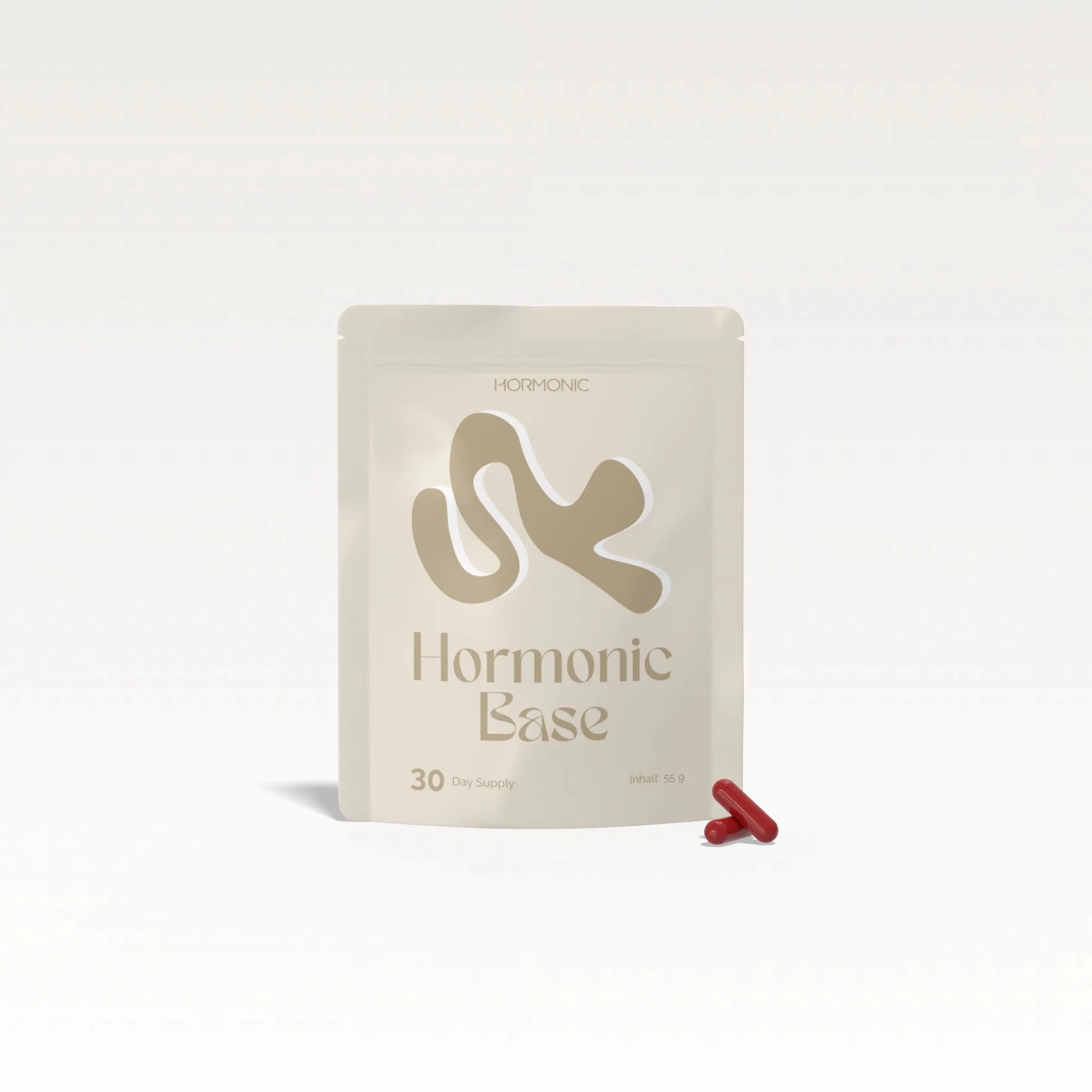
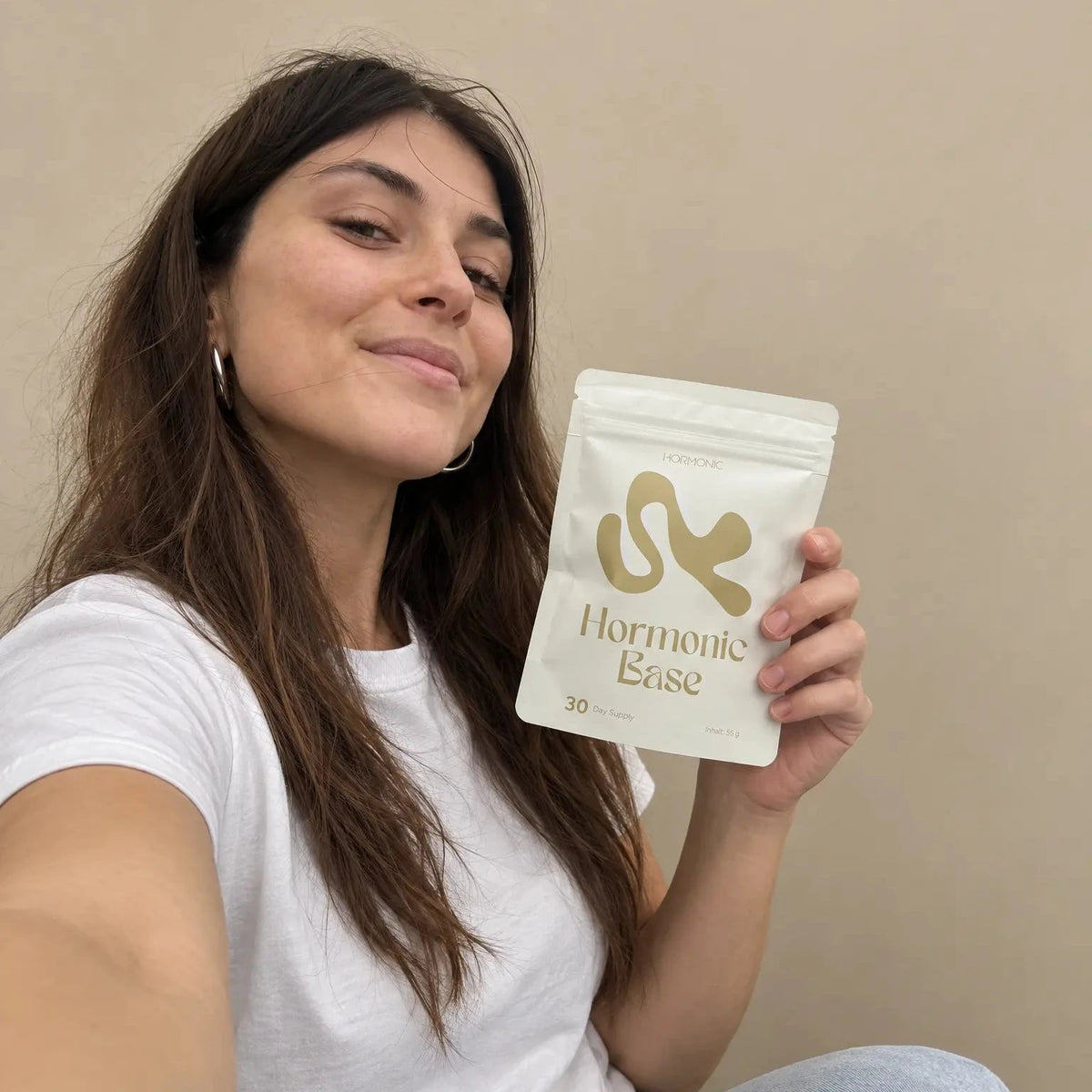
Hormonic Base - Hormonic - Nahrungsergänzungsmittel
Sale price€65,00
(5.0)
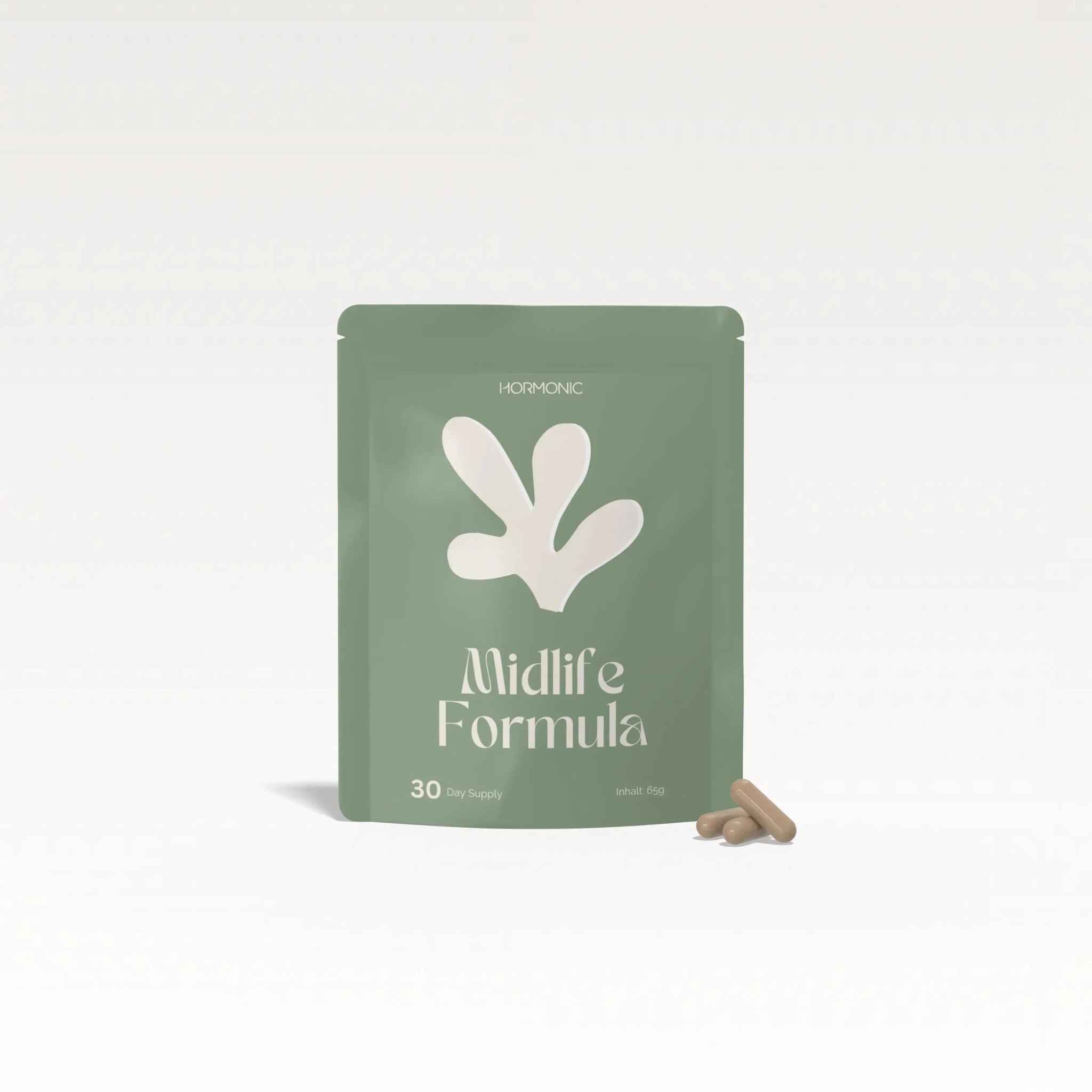
Midlife Formula - Hormonic - Nahrungsergänzungsmittel
Sale price€75,00
(5.0)
Vitamin B6 bei PMS: Wirkung, Dosierung und Hormone - Hormonic
ZyklusJul 10, 20267 min read

Vitamin B6 for PMS: Effects, Dosage, and Hormones

This article is part of: Micronutrients and Hormones: The Female Guide

Vitamin B6 is a water-soluble vitamin that your body needs for nerve metabolism and the formation of neurotransmitters. It is widely recommended for PMS. This article shows what B6 can really do for PMS, how it affects hormones, and what dose is safe.

Key Takeaways

  • Vitamin B6 can alleviate PMS symptoms, but the effects are not moderate.
  • B6 is a cofactor for serotonin, which explains its potential effect on mood.
  • Based on strong evidence, the EFSA allows the claim: B6 contributes to the regulation of hormonal activity.
  • Important: The safe upper intake level according to the EFSA is only 12 mg, as high doses can damage nerves.
  • The daily requirement of about 1.4 mg can usually be met through diet.

Hardly any nutrient is recommended for PMS as often as vitamin B6, and hardly any is presented as often with an overdose. As a founder, I constantly hear from women who buy high-dose B6 supplements because some article promised "100 mg for PMS." That's why I want to honestly clarify here: What can B6 really do, and where is caution advised?

Vitamin B6 belongs to the B vitamins and is involved in over 100 enzymatic reactions, especially in protein and nerve metabolism. It is interesting for the cycle because it contributes to the formation of neurotransmitters like serotonin and, according to the EFSA, contributes to the regulation of hormonal activity.

Did you know?

PMS studies often used 50 to 100 mg of B6 per day. However, the EFSA lowered the safe upper intake level to just 12 mg in 2023, because continuously high doses can damage nerves. More is not better here.

What Vitamin B6 does in the body

Vitamin B6 is the collective name for several related substances that the body converts into the active form pyridoxal 5'-phosphate. In this form, it acts as a cofactor, an essential helper, in a great many enzymatic reactions. For women, the following EFSA-recognized functions are particularly relevant:

Area What Vitamin B6 contributes according to EFSA
Hormones to the regulation of hormonal activity
Psyche to normal psychological function
Energy to the reduction of tiredness and fatigue
Nerves to the normal functioning of the nervous system

The first line in particular is remarkable: Unlike many other nutrients, with vitamin B6, one can seriously speak of a contribution to hormonal activity; this is an officially approved statement. This is exactly what makes B6 so interesting for the female cycle.

Does Vitamin B6 really help with PMS?

In short: Vitamin B6 can alleviate PMS symptoms, but the evidence is weaker than many marketing claims suggest. The most well-known evaluation, a meta-analysis of nine studies with 940 women, found that women taking B6 reported an improvement about twice as often as those taking a placebo, especially for premenstrual dysphoria (Wyatt et al., 1999).

That sounds strong, and the effect is plausible, but honesty is important: the underlying studies were small and methodologically weak, and no clear dose-response relationship was found. So B6 is a possible, not a proven, PMS helper. You can read about what fundamentally causes PMS in our article on the Causes and Symptoms of PMS.

Why B6 can affect mood at all

The interesting part is why. Vitamin B6, in its active form, is an essential cofactor in the production of neurotransmitters in the brain, primarily serotonin, but also dopamine and GABA. Serotonin is the substance strongly associated with mood and well-being, and disrupted serotonin signaling in the second half of the menstrual cycle is considered a leading explanation for premenstrual mood lows.

Through this indirect route, providing more building blocks for serotonin, the mood-stabilizing effect of B6 becomes explainable. Additionally, according to approved claims, B6 contributes to normal psychological function and the reduction of fatigue, two things that many women lack around their period.

Hormonic Base: Vitamin B6 for Your Hormonal Activity

Vitamin B6 is one of 16 active ingredients in Hormonic Base. It contributes to the regulation of hormonal activity, normal psychological function, and the reduction of fatigue, in a safe, everyday dosage instead of high individual doses. Doctor-developed and loved by thousands of women.

Discover now

Important: the right dose, without stressing the nerves

Here's the point that most guides omit. PMS studies often used 50 to 100 mg of B6 per day. However, in 2023, the European Food Safety Authority significantly lowered the safe daily maximum amount to just 12 mg, because consistently high doses can cause nerve damage, noticeable as tingling or numbness in the hands and feet (EFSA, 2023).

This does not mean that B6 is dangerous; on the contrary, in usual amounts, it is very safe. But high doses over months should not be self-medicated, but rather taken under medical supervision. For everyday use, a moderate, well-tolerated amount as part of a balanced supply is the smarter approach.

B6, the pill and the menstrual cycle

An often-overlooked connection: estrogen-containing birth control pills can lower B6 levels in the body. This is relevant if you suffer from PMS-like mood swings or are currently discontinuing the pill. Premenstrual cravings are also related to the second half of the cycle; you can find more about this in the article on Cravings before your period.

A related mineral that is being investigated for period pain and PMS is Zinc, which is often well combined with B6.

How to meet your B6 requirements

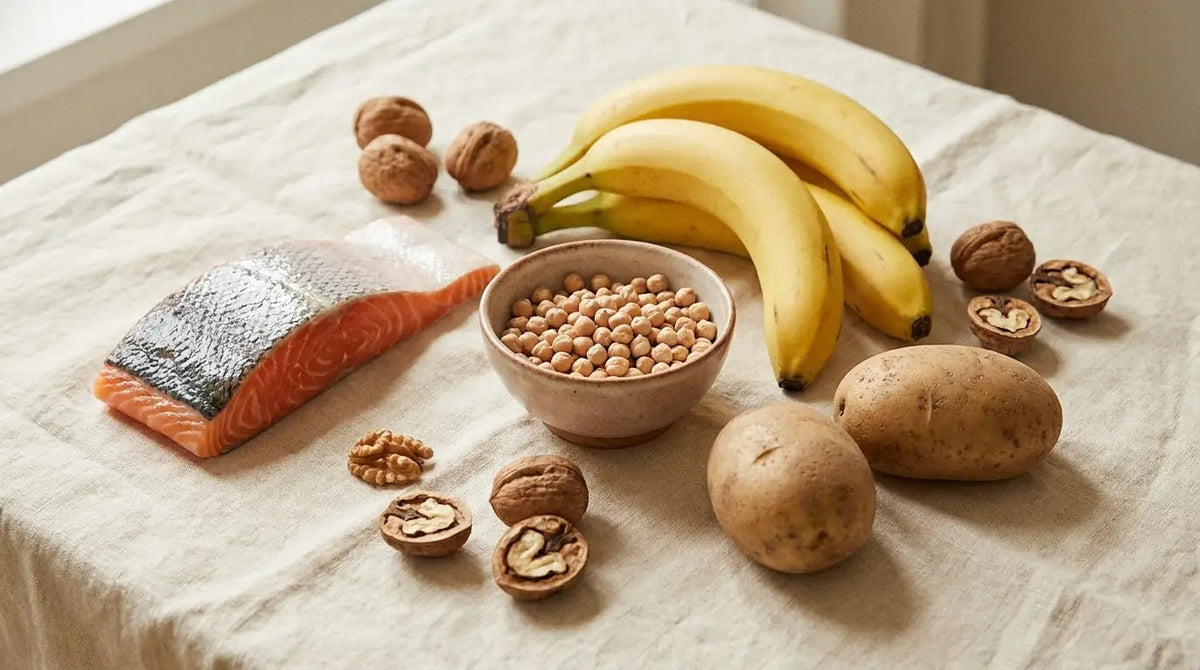
The daily requirement for an adult woman is approximately 1.4 mg, slightly higher during pregnancy and lactation. Good sources include fish such as salmon, poultry, chickpeas, bananas, walnuts, potatoes, and whole grain products. A varied diet usually covers the requirement well, which is why a true deficiency is rare in healthy women.

Does your PMS bother you month after month?

In a free 15-minute video call, one of our doctors will address your questions about PMS, mood, and your cycle and show you possible next steps, with no obligation.

For a free consultation

Conclusion

Vitamin B6 is an interesting, well-tolerated nutrient for PMS: It provides building blocks for serotonin, contributes to the regulation of hormonal activity and normal psychological function, and performed better than a placebo in older studies. At the same time, the evidence is not as strong as often claimed, and more is explicitly not better.

The sensible approach is a solid, moderate supply through diet and, where appropriate, a well-considered supplement within the safe range, instead of high doses on your own. In cases of severe, distressing PMS or suspected premenstrual dysphoric disorder, medical clarification is necessary.

Frequent questions about vitamin B6 for PMS

Does vitamin B6 really help with PMS?

The most well-known review from 1999, which included nine studies and 940 women, found that women taking vitamin B6 were approximately twice as likely to report an improvement in their PMS symptoms compared to those taking a placebo, especially regarding premenstrual mood changes. This effect is plausible because B6 is involved in serotonin production. However, the studies were small and methodologically weak, which is why B6 is considered a possible, but not a proven, aid.

How much vitamin B6 should I take for PMS?

Studies mostly used 50 to 100 mg per day. Important: In 2023, the EFSA lowered the safe daily maximum amount to just 12 mg because persistently high doses can cause nerve damage such as tingling or numbness. Therefore, higher doses should not be taken permanently and only under medical supervision, never as self-medication for months.

Was hat Vitamin B6 mit den Hormonen zu tun?
Die EFSA erlaubt die Aussage, dass Vitamin B6 zur Regulierung der Hormontätigkeit beiträgt. Praktisch ist B6 Cofaktor für Botenstoffe wie Serotonin, Dopamin und GABA, die Stimmung und Zyklus mitbeeinflussen. Zusätzlich trägt B6 zur normalen psychischen Funktion und zur Verringerung von Müdigkeit bei, beides rund um die Periode für viele Frauen relevant.
Senkt die Pille meinen Vitamin-B6-Spiegel?
Östrogenhaltige Antibabypillen können den Vitamin-B6-Status senken. Das ist relevant, wenn Du unter PMS-ähnlichen Stimmungsschwankungen leidest oder gerade die Pille absetzt. Am besten deckst Du den Bedarf über eine ausgewogene Ernährung und klärst anhaltende Beschwerden ärztlich ab, statt hoch dosiert zu supplementieren.

Scientific Sources

  • Wyatt, K. M. et al. (1999). Efficacy of vitamin B-6 in the treatment of premenstrual syndrome: systematic review. BMJ, 318(7195), 1375-1381. doi:10.1136/bmj.318.7195.1375
  • EFSA NDA Panel (2023). Scientific opinion on the tolerable upper intake level for vitamin B6. EFSA Journal, 21(5), e08006. doi:10.2903/j.efsa.2023.8006
  • EFSA NDA Panel (2010). Scientific Opinion on health claims related to vitamin B6 (regulation of hormonal activity, psychological function). EFSA Journal, 8(10), 1759. doi:10.2903/j.efsa.2010.1759
  • Retallick-Brown, H. et al. (2020). A Pilot RCT of Vitamin B6 versus Broad-Spectrum Micronutrients for Premenstrual Syndrome. J Altern Complement Med, 26(2), 88-97. doi:10.1089/acm.2019.0305
  • Systematic review (2025). Nutritional interventions for psychological symptoms of premenstrual syndrome: a systematic review of randomised controlled trials. PMC11723155.
  • Kashanian, M. et al. (2016). Vitamin B6 for premenstrual syndrome: a systematic review and meta-analysis. (supporting evidence).

About the Author

Lee Paulina Pape

Lee Paulina Pape

Founder · MSc Psychology · Hormonic

Lee is a psychologist (MSc) and co-founder of Hormonic. As CEO, she makes women's hormonal health understandable and accessible.

Note: This article is based on current guidelines and scientific work (as of 2026). It is for informational purposes only and does not replace medical advice, diagnosis, or treatment.

Share

You might also be interested in this.

Ursachen, Symptome und Behandlungsmöglichkeiten für PMS - Hormonic
ZyklusMay 27, 20269 min read
Causes, symptoms and treatment options for PMS

From symptoms to the real causes and treatment: the evidence-based overview of PMS, including the remedies with the best scientific evidence.

Zinkmangel bei Frauen: Symptome, Ursachen und was hilft - Hormonic
MikronährstoffeJul 10, 20268 min read
Zinc Deficiency in Women: Symptoms, Causes, and Solutions

Zinc influences cycle, skin, thyroid, and fertility. What zinc deficiency means for women, what studies show, and how you can meet your needs.

Mikronährstoffe und Hormone: Der Guide für Frauen - Hormonic
MikronährstoffeJun 19, 20269 min read
Micronutrients and Hormones: The Female Guide

Which micronutrients truly support your hormones? The honest, evidence-based guide to magnesium, vitamin D, omega-3, and B vitamins, with a clear evaluation of the study situation.