



A vitamin D deficiency in women is defined as a 25-OH vitamin D level in the blood that is too low – according to the German Nutrition Society (DGE), below 30 nmol/l (12 ng/ml). Vitamin D acts more like a hormone than a classic vitamin and is involved in bone, muscle, and immune system health. Since we mainly produce it in our skin through sunlight, a deficiency is widespread, especially in the winter months.
- Vitamin D deficiency is very common in women in Germany, especially during the winter half-year.
- Typical symptoms can include fatigue, muscle weakness, bone pain, and increased susceptibility to infection.
- Risk groups include pregnant women, women with PCOS or Hashimoto's, those in perimenopause, as well as those with darker skin types or limited sun exposure.
- The evidence is particularly strong for bones, muscles, and the immune system – provided there is an actual deficiency.
- A deficiency is defined as a level below 30 nmol/l (12 ng/ml); levels above 50 nmol/l (20 ng/ml) are considered sufficient.
- The principle is: first test, then dose – and do not permanently exceed the safe upper limit (EFSA: 4000 IU/day).
In my consultations, I hear one sentence particularly often: "I'm constantly tired, something isn't right." And yes, sometimes a vitamin D deficiency is indeed behind it. Vitamin D is a valuable building block that many women in Germany carry around with insufficient levels for large parts of the year.
In this article, I want to show you how to recognize a deficiency, what the studies truly reveal (and what they don't), and how you can approach it pragmatically in your daily life. Without scaremongering, without promises of miracles, but honestly and structured, just as I would explain it to a friend.
How do I recognize a vitamin D deficiency as a woman?
The honest answer: often not reliably from the symptoms alone. A vitamin D deficiency can manifest as persistent fatigue, muscle weakness, muscle or bone pain, and increased susceptibility to infection. The problem: These symptoms are very non-specific and can have many other causes, from iron deficiency to thyroid issues to sleep deprivation. Therefore, a deficiency can ultimately only be truly determined through a blood test (25-OH vitamin D). The following overview shows where the research is clearest.
| Area | What studies show |
|---|---|
| Bones & Muscles | In case of a deficiency, the risk of muscle weakness, falls, and bone problems increases; correcting the deficiency can help here. |
| Immune System | A large meta-analysis (Martineau 2017) suggests that supplementation can reduce respiratory infections – especially with previously low levels. |
| Mood | The data is mixed; a clear, reliable effect on mood cannot be consistently proven. |
| Risk Groups | Pregnant women, women with PCOS or Hashimoto's, darker skin types, and people with little sun exposure are more frequently undersupplied. |
| Reference Value | According to the DGE, a deficiency exists below 30 nmol/l (12 ng/ml); levels from 50 nmol/l (20 ng/ml) are considered sufficient. |
According to data from the nationwide DEGS1 study by the Robert Koch Institute (RKI), a large proportion of adults in Germany do not reach the recommended vitamin D level – around 30% are in the deficiency range, and over half do not achieve optimal supply, with significant fluctuations between summer and winter.
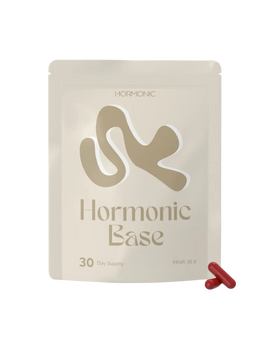
Hormonic Base: Vitamin D3 plus 15 Micronutrients
Hormonic Base provides vitamin D3 along with 15 other micronutrients for your daily basic supply. Vitamin D contributes to the normal function of the immune system and the maintenance of normal bones.

Not sure if you have a deficiency?
Test it together with the important hormone and blood markers conveniently from home with the Hormonic Diagnostic Kit. Medically supervised, for more clarity instead of puzzles.
Common Questions About Vitamin D Deficiency in Women
What are the symptoms of vitamin D deficiency in women?
How much vitamin D per day for women?
Ab wann spricht man von einem Vitamin-D-Mangel?
Kann man Vitamin D überdosieren?
Scientific Sources
- Rabenberg, M. et al. (2015). Vitamin D status among adults in Germany (DEGS1). BMC Public Health, 15, 641. doi:10.1186/s12889-015-2016-7
- Martineau, A. R. et al. (2017). Vitamin D supplementation to prevent acute respiratory tract infections: individual participant data meta-analysis. BMJ, 356, i6583. doi:10.1136/bmj.i6583
- LeBoff, M. S. et al. (2022). Supplemental Vitamin D and Incident Fractures in Midlife and Older Adults (VITAL). New England Journal of Medicine, 387, 299-309. doi:10.1056/NEJMoa2202106
- Łagowska, K. et al. (2018). The Role of Vitamin D Oral Supplementation in Insulin Resistance in Women with PCOS: a meta-analysis of RCTs. Nutrients, 10(11), 1637. doi:10.3390/nu10111637
- Mikola, T. et al. (2023). The effect of vitamin D supplementation on depression: dose-response meta-analysis of RCTs. Psychological Medicine, 53(16), 7509-7520. doi:10.1017/S0033291723002333
- Palacios, C. et al. (2024). Vitamin D supplementation for women during pregnancy. Cochrane Database of Systematic Reviews. doi:10.1002/14651858.CD008873.pub5
About the Author

You might also be interested in this.
Fatigue, PMS, poor sleep: Magnesium deficiency in women is often overlooked. Symptoms, studies, and what really helps.

Why is selenium important for the thyroid? What studies on selenium in Hashimoto's show, how much is useful, and what the upper limit is.

Zinc influences cycle, skin, thyroid, and fertility. What zinc deficiency means for women, what studies show, and how you can meet your needs.