
Cart

Your cart is empty

Continue shopping

Trending searches

Featured products

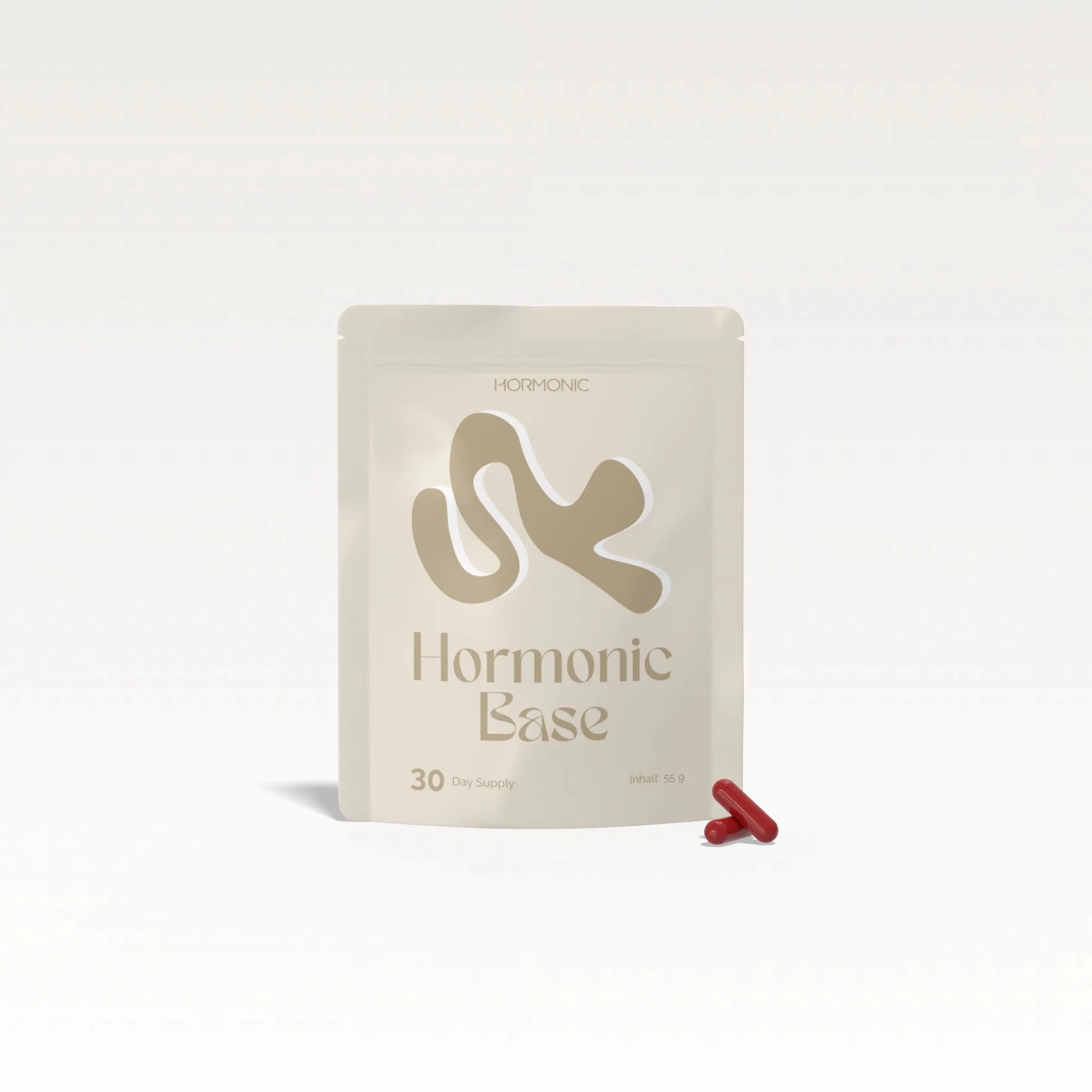
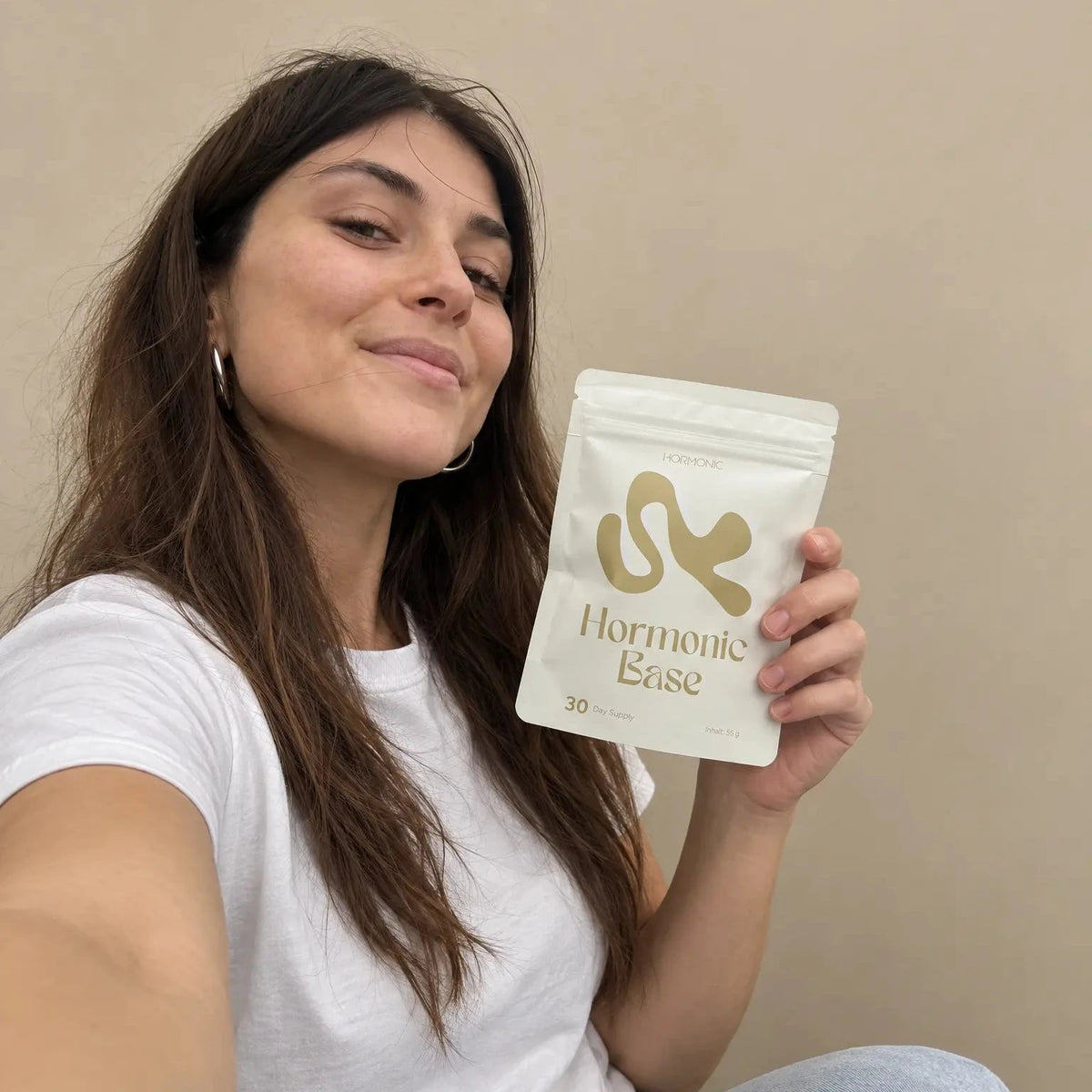
Hormonic Base - Hormonic - Nahrungsergänzungsmittel
Sale price€65,00
(5.0)
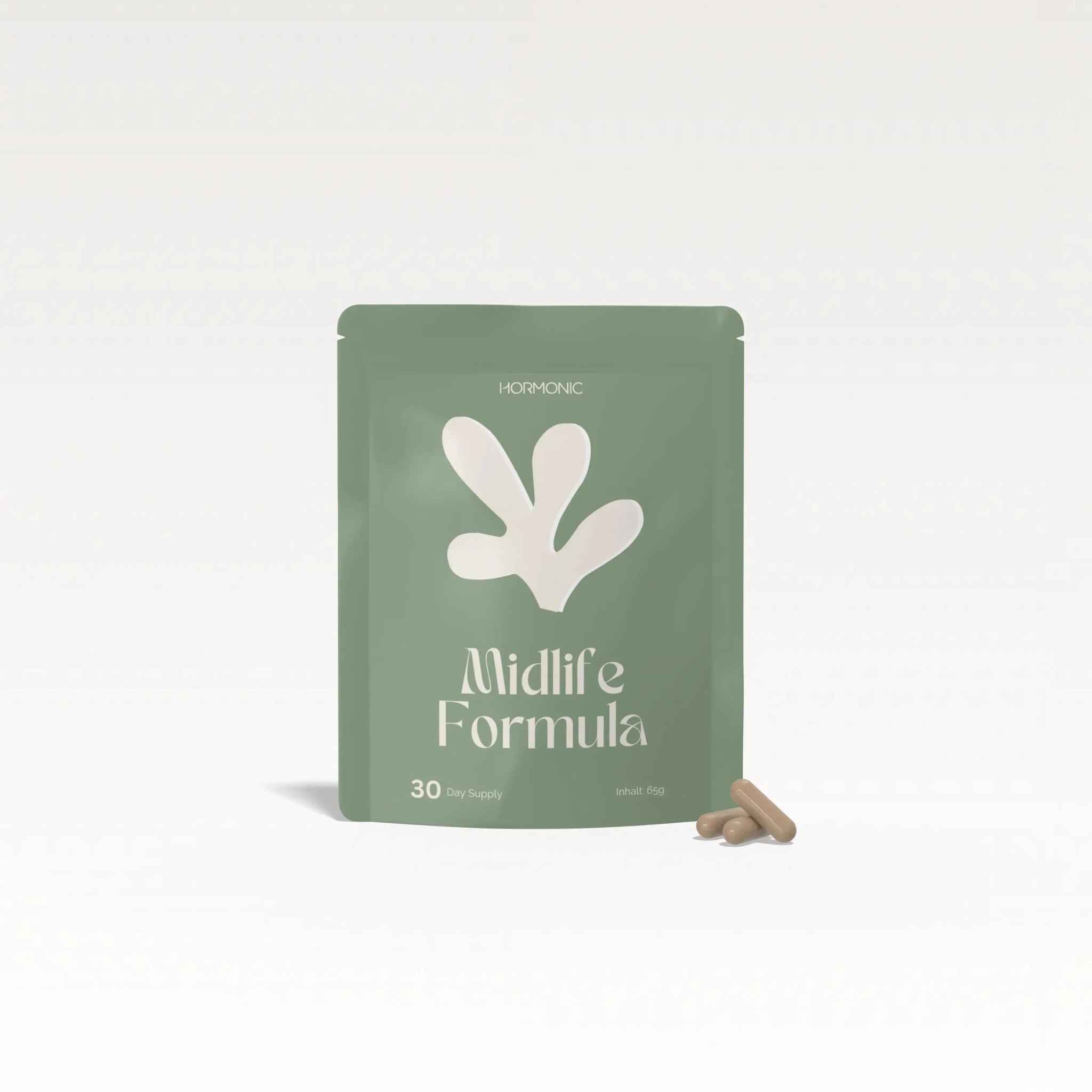
Midlife Formula - Hormonic - Nahrungsergänzungsmittel
Sale price€75,00
(5.0)
Vitamin D und Progesteron: Was die Forschung zum Zyklus zeigt - Hormonic
MikronährstoffeJun 20, 20268 min read

Vitamin D and Progesterone: What Research Shows About the Cycle

This article is part of: Micronutrients and Hormones: The Female Guide

A vitamin D deficiency is supposedly responsible for low progesterone, a lack of ovulation, and unfulfilled family planning. This article honestly assesses what the studies truly reveal about vitamin D, progesterone, and your cycle, and when supplementation is advisable.

Hardly any nutrient is as frequently associated with hormones as vitamin D. Online, one quickly reads that a vitamin D deficiency is to blame for low progesterone, lack of ovulation, or unfulfilled desire for children. This sounds plausible, as vitamin D indeed behaves like a hormone in the body. However, there is a big difference between "involved" and "responsible." This article clarifies what the research on vitamin D, progesterone, and your cycle actually reveals.

This topic affects many women, as a deficiency is not uncommon in Germany. According to the Robert Koch Institute, around 30 percent of adults have an insufficient supply of vitamin D, and this proportion increases further with age in women. Especially during the darker months between October and March, the body's own production via the skin can hardly take place.

Why vitamin D acts like a hormone

Strictly speaking, vitamin D is a precursor to a hormone. Formed in the skin by sunlight or absorbed through food, it is converted into its active form in the liver and kidneys. This active form binds to specific vitamin D receptors, which are found in almost all body tissues, including the ovaries, the uterine lining, and the placenta.

Because these receptors are located exactly where your cycle is controlled, it is biologically plausible that vitamin D is involved in hormone regulation. In laboratory studies, it has been observed that active vitamin D can influence the production of sex hormones in ovarian cells. It is important to classify: Plausibility in the laboratory does not yet mean that an additional intake will automatically raise progesterone in a healthy woman.

This is where it becomes relevant for your cycle. The body knows no isolated adjustments. Vitamin D is one of many variables that interact, and it is most effective when there was indeed a deficiency beforehand. With an already good supply, a further increase generally brings no additional hormonal benefit.

Vitamin D is involved in your cycle, but it's not the single switch that controls everything.

Why the topic is particularly relevant for women

Women are more susceptible to the hormonal effects of a vitamin D deficiency for several reasons. On the one hand, hormone balance changes significantly throughout the cycle, during pregnancy, and during menopause, so fluctuations in status are more likely to be noticeable. On the other hand, data from the Robert Koch Institute show that the proportion of women with insufficient supply increases with age, while it remains relatively stable in men.

In addition, there is bone health. With the drop in estrogen during menopause, the risk of bone loss increases, and vitamin D, together with calcium, plays a central role in stable bones. Vitamin D is therefore important for women on several levels, even if the direct effect on individual cycle hormones such as progesterone is less well substantiated than often claimed.

Vitamin D and Progesterone: What the Research Shows

It's worth taking a closer look here, because statements found online often differ from the actual evidence. Observational studies suggest that women with higher vitamin D levels tend to have more regular cycles and less frequently experience very long cycles. However, such studies only show a correlation, not a cause. Women with good vitamin D status often spend more time outdoors, exercise more, and have different diets, all of which also affect the cycle.

An interesting observation also comes from studies that measured vitamin D levels throughout the entire cycle. These studies suggested that the active form of vitamin D fluctuated slightly over the cycle in some investigations, indicating that vitamin D metabolism and sex hormones influence each other. However, the direction of this relationship is not clear. It is therefore not unambiguous whether vitamin D controls hormones or whether hormones control vitamin D metabolism.

When looking specifically at progesterone, the picture becomes less clear. A systematic review of vitamin D levels over the cycle found inconsistent results: some studies observed slight fluctuations in vitamin D levels during the luteal phase, while others found no clear association between vitamin D and progesterone. There is currently no direct, robust chain of evidence, such as "more vitamin D equals more progesterone," in healthy women.

An effect is most likely to be seen where a real deficiency exists. It is therefore plausible that correcting a significant vitamin D deficiency can support hormone balance. However, a body that is already well supplied does not benefit from even higher doses. More is not better here.

This distinction between correcting a deficiency and routinely administering high doses runs through all research on vitamin D. Those who start from a low baseline can benefit from correction. Those who are already well supplied usually see no additional benefit in studies. Therefore, the general statement "Vitamin D balances your cycle" is not tenable in its generality.

Ovulation, Ovarian Reserve, and Fertility

In the context of fertility, vitamin D is particularly often discussed, especially in connection with AMH levels, which are considered a marker for ovarian reserve. Here, the data situation in 2026 has become much clearer, and it urges caution: A meta-analysis of eleven randomized controlled studies with almost 1000 women found no significant effect of vitamin D intake on AMH levels overall. The idea of specifically increasing ovarian reserve with vitamin D cannot be supported by current evidence.

In women with PCOS, there is evidence that vitamin D can influence individual hormone levels such as FSH or the LH-to-FSH ratio. However, in women without PCOS, the same study showed no such effect. This is a good example of why study results should not be hastily applied to all women.

The data on ovulation in women with PCOS is somewhat more consistent. A review concluded that vitamin D supplementation in this group can be associated with higher ovulation and pregnancy rates. However, here too, the limitation applies: many of the included studies were small or methodologically weaker, and the results cannot be directly transferred to women without PCOS.

In summary: Good vitamin D supply is sensible and forms a solid basis for cycle and fertility. However, according to current knowledge, vitamin D is not a panacea that improves ovulation or egg quality at the push of a button.

Hormonic Base: Replaces your entire supplement drawer

Vitamin D works best in conjunction with other micronutrients. Hormonic Base provides 16 clinically dosed micronutrients, including vitamins D3 and K2, as a solid daily foundation for your hormonal health.

€65,00
Discover now

Vitamin D in Menopause

As estrogen levels decline during menopause, bone health becomes a particular focus, and this is precisely where the evidence for vitamin D is strongest. Vitamin D contributes to the normal absorption of calcium and the maintenance of normal bones. Since the proportion of women with insufficient vitamin D levels increases with age, it is especially important during this phase of life to check your status, ideally in consultation with your doctor.

Test your status instead of guessing

The most important step is not to take the highest possible dose, but to understand your current status. The so-called 25-OH vitamin D level in the blood is measured. Only when you know where you stand can you meaningfully decide whether and how much vitamin D is right for you. A blanket high dose without measurement is not recommended, as too much vitamin D can also have side effects.

Since diet only contributes about 10 to 20 percent to vitamin D supply and the skin can produce very little in winter, a targeted supplement during the darker months is a sensible consideration for many women. In this context, vitamin D is useful as part of a good basic supply, not as an isolated hormone treatment.

Who should pay particular attention to vitamin D

Some women have a higher risk of deficiency. These include women who spend a lot of time indoors, are mostly covered when outdoors, have darker skin, or get little daylight during the winter months. The skin's ability to produce vitamin D also decreases with increasing age. If you fall into one of these groups, it is particularly sensible to check your status.

What you can do specifically

  • Have your 25-OH vitamin D level determined before taking a high dose.
  • Make use of daylight whenever possible during the months between October and March.
  • Regularly eat vitamin D-containing foods such as fatty sea fish, eggs, and mushrooms, even if they only make a small contribution.
  • View vitamin D as a building block of basic care, not as a substitute for medical clarification of cycle problems.

Unsure if your vitamin D is causing hormonal chaos?

Then test your vitamin D and important hormone markers conveniently from home with the Hormonic Diagnostic Kit. Highly precise and including medical evaluation of results.

Clarity instead of guesswork

Conclusion

Vitamin D acts like a hormone in the body and is involved in many processes, including the female cycle. However, a clear, causal effect on progesterone or ovarian reserve cannot be derived from the current study data. What can be said is that correcting a true deficiency is useful, whereas an overdose is not.

The most honest advice, therefore, is to know your vitamin D status and to consider vitamin D as a solid building block of basic care, rather than seeing it as a panacea for hormonal complaints. This way, you support your body on a scientifically sound basis.

Frequently Asked Questions about Vitamin D and Hormones

Does vitamin D influence progesterone?

According to current studies, there is no direct, proven connection. While ovaries do have vitamin D receptors, and in the lab, vitamin D can influence hormone production, studies on healthy women have not shown a clear "more vitamin D equals more progesterone" effect. The most likely way to support hormone balance is by correcting a true deficiency.

How do I properly measure my vitamin D status?

The 25-OH vitamin D level in the blood is measured. This is the storage form and the best marker for your status. A measurement is particularly useful if you get little sun during the winter months, belong to a risk group, or want to take a higher dose. This way you avoid both an unnoticed deficiency and an unnecessary overdose.

Hilft Vitamin D bei unerfülltem Kinderwunsch?
Eine gute Versorgung gehört zu einer soliden Grundlage fuer die Fruchtbarkeit. Eine Metaanalyse aus elf randomisierten Studien fand jedoch keinen signifikanten Effekt einer Vitamin-D-Einnahme auf den AMH-Wert, also die Eizellreserve. Vitamin D ist damit kein gezieltes Mittel, um die Fruchtbarkeit zu steigern. Sinnvoll ist es, einen echten Mangel zu beheben und Zyklusprobleme aerztlich abklaeren zu lassen.
Wie viel Vitamin D sollte ich als Frau einnehmen?
Eine pauschale Empfehlung gibt es nicht, weil die richtige Menge von deinem gemessenen Status abhaengt. Sinnvoll ist es, zuerst den 25-OH-Vitamin-D-Wert bestimmen zu lassen und die Dosierung dann mit deiner Aerztin oder deinem Arzt abzustimmen. Gerade in den Wintermonaten ist eine Ergaenzung fuer viele Frauen sinnvoll, eine unkontrollierte Hochdosis dagegen nicht.

Scientific Sources

  • Robert Koch Institute (2016). Vitamin D status in Germany. Journal of Health Monitoring 1(2). doi:10.17886/RKI-GBE-2016-036
  • Cui A. et al. (2026). Influence of vitamin D supplementation on ovarian reserve as reflected by anti-Müllerian hormone levels: a meta-analysis of randomized controlled trials. Frontiers in Endocrinology. doi:10.3389/fendo.2026.1832704
  • Pilz S. et al. (2018). Effects of Vitamin D Supplementation on Surrogate Markers of Fertility in PCOS Women: A Randomized Controlled Trial. Nutrients 10(11). doi:10.3390/nu10111700
  • Knight J.A. et al. (2019). Vitamin D metabolites across the menstrual cycle: a systematic review. BMC Women's Health 19(1):16. doi:10.1186/s12905-019-0721-6
  • Jukic A.M.Z. et al. (2020). Vitamin D and Reproductive Hormones Across the Menstrual Cycle. Human Reproduction 35(3). doi:10.1093/humrep/dez283
  • Shojaei-Zarghani S. et al. (2023). Effects of vitamin D supplementation on ovulation and pregnancy in women with polycystic ovary syndrome: a systematic review and meta-analysis. Frontiers in Endocrinology 14:1148556. doi:10.3389/fendo.2023.1148556

About the Author

Amelie Weiss

Amelie Weiss

Research Fellow, PhD · Hormonic

Amelie Weiss is a Research Fellow at Hormonic and conducts scientific research on hormonal health, micronutrients, and evidence-based women's health.

Note: This article is based on current guidelines and scientific work (as of 2026). It is for informational purposes only and does not replace medical advice, diagnosis, or treatment.

Share

You might also be interested in this.

Mikronährstoffe und Hormone: Der Guide für Frauen - Hormonic
MikronährstoffeJun 19, 20269 min read
Micronutrients and Hormones: The Female Guide

Which micronutrients truly support your hormones? The honest, evidence-based guide to magnesium, vitamin D, omega-3, and B vitamins, with a clear evaluation of the study situation.
Welche Supplements sollten Frauen täglich nehmen? Der evidenzbasierte Stack - Hormonic
MikronährstoffeDec 8, 20259 min read
Which supplements should women take daily? The evidence-based stack

These 4 supplements are recommended daily by science for women: Micronutrient basis, Omega-3, Creatine, and targeted gut-hormone add-ons. Without hype, with a study basis.

Vitamin D und Hormone: Wirkung, Mangel und PCOS - Hormonic
MikronährstoffeJun 2, 20248 min read
Vitamin D and Hormones: Effects, Deficiency, and PCOS

Vitamin D acts like a hormone and is important for insulin, the immune system, and the menstrual cycle. Why women with PCOS are particularly prone to deficiency and what really helps.