Cart

Your cart is empty

Continue shopping

Trending searches

Featured products

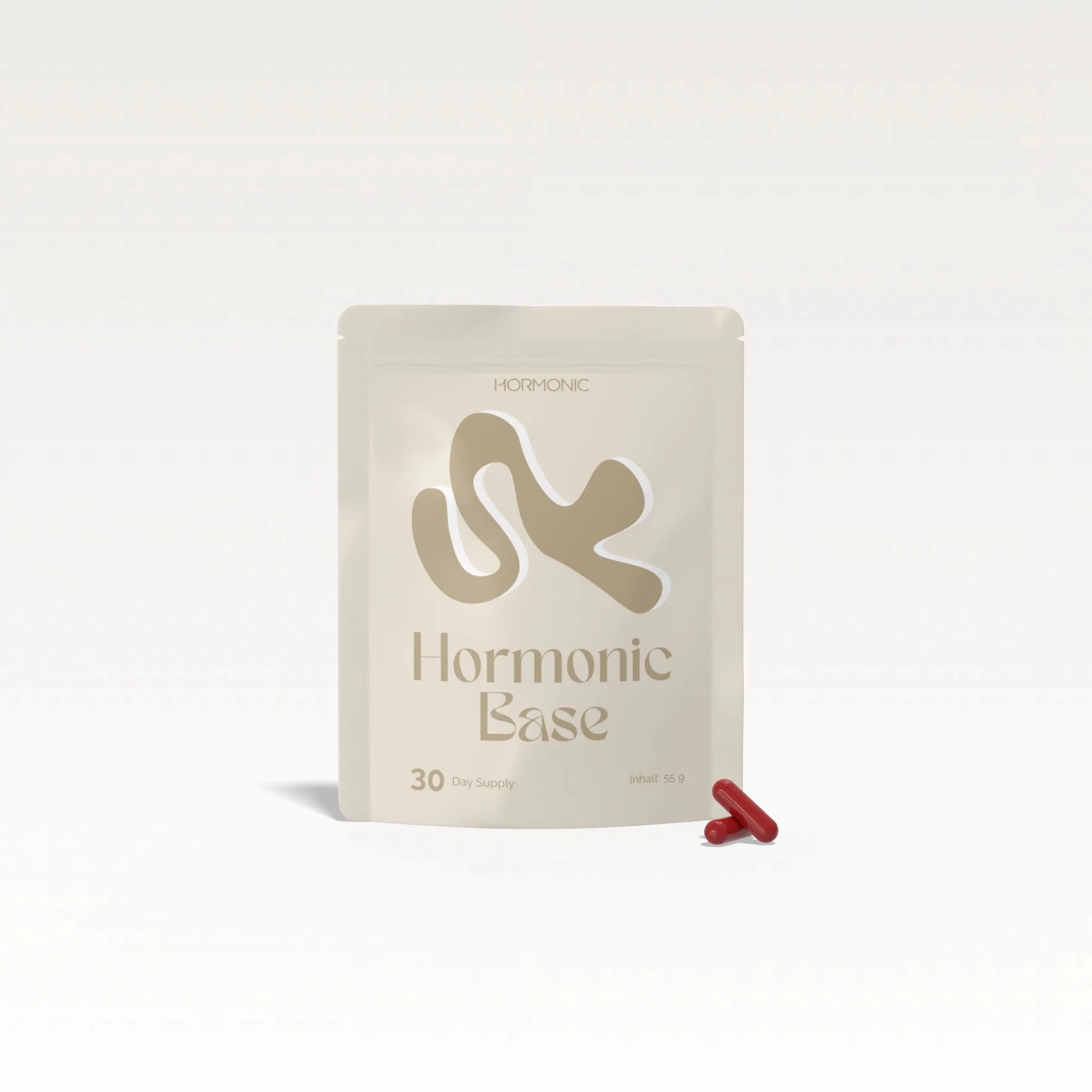
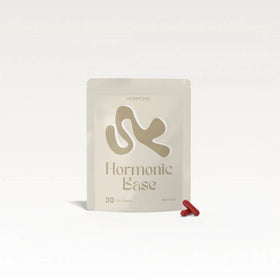
Hormonic Base - Hormonic - Nahrungsergänzungsmittel
Sale price€65,00
(5.0)
Midlife Formula - Hormonic - Nahrungsergänzungsmittel
Sale price€75,00
(5.0)
Osteoporose: Symptome, Ursachen und was im Körper wirklich passiert - Hormonic
WechseljahreDec 19, 20258 min read

Osteoporosis: Symptoms, causes and what really happens in the body

This article is part of: Perimenopause and Menopause: The Complete Medical Guide

Osteoporosis often progresses silently and is frequently only discovered after the first bone fracture. This article explains what happens in the body, what warning signs there are, and how women can proactively support their bones.

The Most Important Points in Brief

  • Osteoporosis is an excessive loss of bone density and stability, which significantly increases the risk of fractures.
  • Women are particularly affected: around one in three women over 50 suffers an osteoporosis-related fracture.
  • Bone loss begins insidiously in midlife and accelerates with the drop in estrogen during menopause.
  • Early signs such as height loss or a rounded back are often overlooked, and routine screening is not available.
  • Diet, exercise, vitamin D, and a healthy weight can significantly influence its progression.

Osteoporosis is one of the diseases that particularly concern me as a scientist because it remains invisible for so long and yet can cost so much quality of life. Colloquially, it's known as "bone thinning," and that's exactly what it describes: bones gradually lose substance until they break under what would normally be a harmless load. The insidious thing is that most sufferers don't feel anything for a long time.

This topic is especially important for women because their bone metabolism is closely linked to hormones. When protective estrogen declines during menopause, bone loss noticeably accelerates. The good news: understanding what's happening in the body allows for early and targeted countermeasures.

What is Osteoporosis?

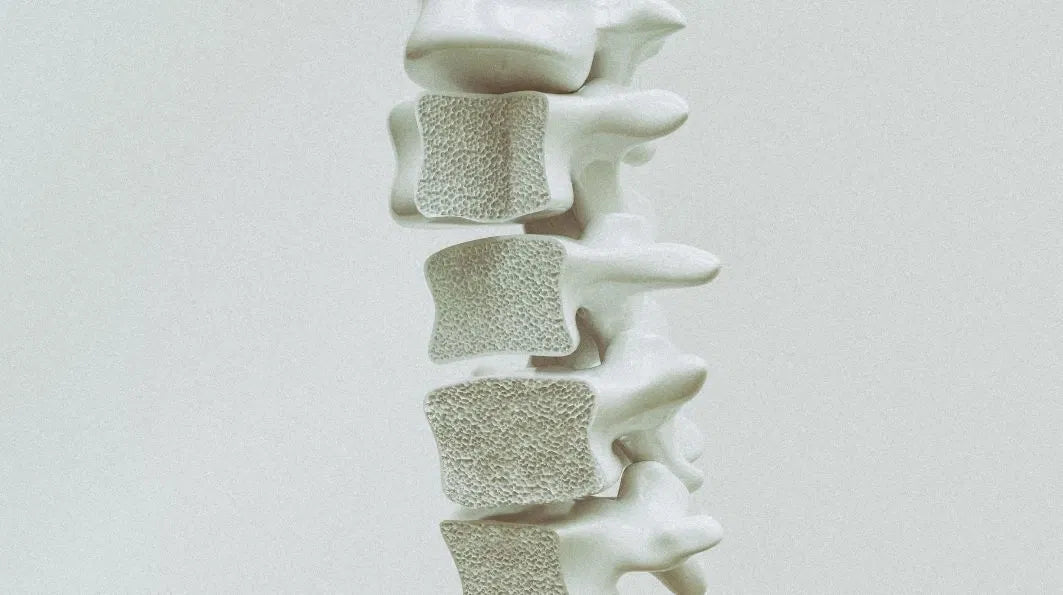
Osteoporosis is a chronic bone disease in which bone density decreases and the internal structure of the bone becomes porous and brittle. This significantly increases the risk of bone fractures even with minor stress or slight falls. It is one of the most common bone diseases worldwide: estimates suggest that about one in three women over 50 will suffer an osteoporosis-related fracture in their lifetime, compared to about one in five men. Because it often progresses without symptoms for a long time, osteoporosis is also referred to as a silent disease.

How Does Osteoporosis Develop in the Body?

Our bones are continuously remodeled throughout life. Specialized cells break down old bone tissue (osteoclasts) and form new tissue (osteoblasts), ideally in balance. Until about age 30, bone formation predominates; after that, both processes are in equilibrium for a while, and over the years, the balance shifts towards bone breakdown.

In women, this process accelerates particularly during menopause because protective estrogen levels drop sharply. Younger women with severe estrogen deficiency can also be affected. If factors such as lack of exercise, underweight, a diet low in calcium and vitamin D, or long-term use of certain medications (such as cortisone) are added, more bone is broken down than newly formed. If this loss exceeds the normal extent, osteoporosis develops.

Osteoporosis Symptoms: How Bone Loss Manifests

Osteoporosis develops insidiously and often goes unnoticed for a long time. In its early stages, it typically causes no symptoms. Possible initial signs, such as vague back pain or a gradual loss of height, are often not recognized or are attributed to age.

In the advanced stage, the consequences become clear. Typical signs include bone fractures that occur with minor stress, especially in the vertebrae, wrist, and femoral neck. Vertebral fractures can cause sudden severe back pain, reduce body height, and over time lead to a forward-curved posture, known as a rounded back.
Why osteoporosis often goes undetected for a long time

Many sufferers are unaware of their osteoporosis for years. This is due to several interacting reasons.

  • Lack of symptoms:In the early stages, bone loss causes no pain or noticeable symptoms.
  • Non-specific signs:Back pain or a slightly stooped posture are often attributed to normal aging.
  • No routine diagnostics:Bone density measurements are usually only performed when there is a specific suspicion; there is no screening in younger years.
  • Hidden fractures:Even small vertebral fractures sometimes go unnoticed or are misinterpreted as back pain.

As a result, osteoporosis is often only diagnosed at an advanced stage, often after the first fracture.

Who is at increased risk for osteoporosis?

Osteoporosis can affect anyone, but some factors significantly increase the likelihood.

  • Age:The risk increases with age, especially after 70.
  • Gender and hormones:Women are significantly more affected, especially after menopause due to the drop in estrogen. Early menopause further increases the risk.
  • Genetic predisposition:Osteoporosis and fractures in the family indicate a higher personal risk.
  • Body type:Very slender, delicate individuals with low weight have less bone reserve.
  • Lifestyle:Smoking, heavy alcohol consumption, lack of exercise, and chronic stress weaken the bones.
  • Nutrition:A calcium-poor diet, vitamin D deficiency, or eating disorders strain bone metabolism.
  • Medication and diseases:Long-term cortisone therapy and diseases such as rheumatism, diabetes, or an overactive thyroid increase the risk.

The more of these factors combine, the higher the probability. A connection that becomes particularly relevant during and after menopause.

Hormonic Base: Nutrients for Your Bones

For strong bones, basic care is essential. Hormonic Base provides, among other things, vitamin D, magnesium, and zinc, which contribute to the maintenance of normal bones, and vitamin D also supports the normal absorption of calcium. Doctor-developed, clinically dosed, and quality-tested in German laboratories.

€65,00

Discover Hormonic Base

Can osteoporosis be prevented?

A bone-friendly lifestyle can prevent osteoporosis or slow its progression. These are the most important building blocks.

  • Calcium-rich diet:Dairy products, green vegetables, and nuts provide the building material, and sufficient protein is also important.
  • Vitamin D:It promotes calcium absorption and is produced in the skin with sunlight. In case of deficiency, supplements may be useful.
  • Exercise:Weight-bearing and strengthening exercises such as brisk walking, climbing stairs, and strength training strengthen bones and muscles and prevent falls.
  • Avoid risk substances:Do not smoke and consume alcohol only in moderation, as both weaken bones in the long run.
  • Healthy weight:Neither severe underweight nor extreme overweight are good for bones.

Nutrients that support bones

The European Food Safety Authority (EFSA) recognizes the contribution of several micronutrients to bone health.Vitamin D, Magnesiumand Zinccontribute to the maintenance of normal bones, and vitamin D additionally supports the normal absorption and utilization of calcium. Calcium itself is the central building block of bone substance.

In practice, a solid basic supply of these nutrients, combined with sufficient calcium through diet and regular exercise, is useful. Those who belong to a risk group, such as women in menopause, should discuss bone health with a doctor, possibly with a bone density measurement.

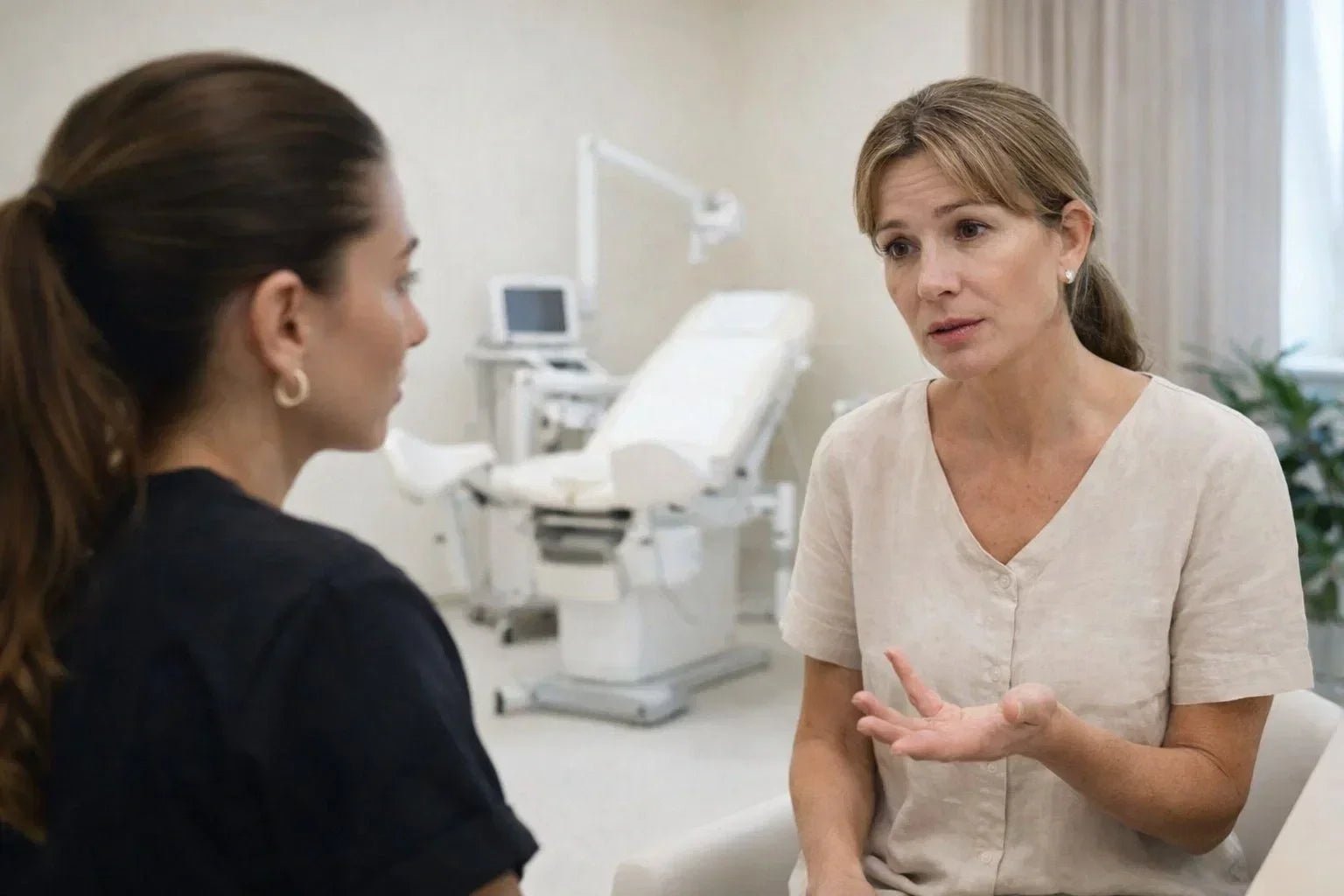
Questions about bone health during menopause?

In a free 15-minute consultation, one of our doctors will assess your situation and discuss sensible next steps with you, without obligation.

Secure your free initial consultation

Conclusion: Osteoporosis is more than just a disease of old age

Osteoporosis is often dismissed as a mere disease of old age, but this is too simplistic. Bone loss usually begins in middle age, and women feel the effects of hormone-related loss around menopause, even if nothing is visible for a long time.

The earlier you take care of your bone health through conscious nutrition, exercise, a healthy weight, and medical check-ups for risk factors, the better you can slow down bone loss. Bone health is not just a question of age, but belongs in every phase of life.

Frequently Asked Questions about Osteoporosis

How do you detect osteoporosis?

Osteoporosis often causes no noticeable symptoms for a long time. It is often only discovered after a bone fracture, such as a vertebral or wrist fracture from minor trauma. Indirect indications include a decrease in height or the development of a hunched back.

When can osteoporosis occur?

All people experience some bone loss from around 30 years of age. Pathological osteoporosis usually occurs later, intensifying in women after menopause due to declining estrogen levels. The frequency increases sharply in old age. Rarely, osteoporosis can also occur earlier, for example due to hereditary factors, underweight, or chronic diseases.

Warum haben Frauen häufiger Osteoporose als Männer?
Nach den Wechseljahren fällt bei Frauen das schützende Östrogen stark ab, wodurch die Knochen schneller an Dichte verlieren. Zudem erreichen Frauen meist eine etwas geringere maximale Knochendichte und leben im Durchschnitt länger. Deshalb sind rund 80 Prozent der Osteoporose-Betroffenen weiblich.
Kann man Osteoporose stoppen oder verlangsamen?
Ja, der Knochenabbau lässt sich in vielen Fällen aufhalten oder verlangsamen. Neben einer geeigneten ärztlichen Therapie sind Ernährung, Bewegung und eine ausreichende Vitamin-D-Versorgung wichtig. Eine frühzeitige Diagnose erhöht die Chancen, den Verlauf wirksam zu bremsen.

Scientific Sources

  • Dachverband Osteologie (DVO) (2023). Guideline on the Prophylaxis, Diagnosis and Treatment of Osteoporosis.
  • Compston, J. E., McClung, M. R., Leslie, W. D. (2019). Osteoporosis. The Lancet, 393(10169), 364-376. doi:10.1016/S0140-6736(18)32112-3
  • Eastell, R. et al. (2019). Pharmacological Management of Osteoporosis in Postmenopausal Women (Endocrine Society Guideline). J Clin Endocrinol Metab, 104(5), 1595-1622.
  • Rachner, T. D., Khosla, S., Hofbauer, L. C. (2011). Osteoporosis: now and the future. The Lancet, 377(9773), 1276-1287.
  • International Osteoporosis Foundation (2021). Epidemiology of Osteoporosis (Facts & Statistics).
  • Regulation (EU) No 432/2012; EFSA Journal (Vitamin D, Magnesium, Zinc: contribution to the maintenance of normal bones; Vitamin D: normal calcium absorption).

About the Author

Amelie Weiss

Research Fellow, PhD · Hormonic

Amelie Weiss is a Research Fellow at Hormonic and conducts scientific research on hormonal health, micronutrients, and evidence-based women's health.

Note: This article is based on current guidelines, scientific studies, and reviews and has been prepared with the utmost care. It is intended for informational purposes only and does not replace medical advice, diagnosis, or treatment.

Share

You might also be interested in this.

Wechseljahre & Perimenopause: Der komplette medizinische Guide - Hormonic
WechseljahreApr 15, 20268 min read
Perimenopause and Menopause: The Complete Medical Guide

What happens during menopause? Stages, symptoms, recognizing perimenopause, and what truly helps. Explained by doctors, scientifically proven.
Gelenkschmerzen in den Wechseljahren: Ursachen & was hilft - Hormonic
WechseljahreJun 4, 20268 min read
Joint Pain During Menopause: Causes & What Helps

Joint pain during menopause is often caused by estrogen deficiency. What happens in the body and which strategies have been shown to really help.

Ernährung in den Wechseljahren: Was wirklich hilft - Hormonic
WechseljahreMar 12, 202511 min read
Menopause Nutrition: What Really Helps

As hormone levels change, energy requirements decrease while the need for protein and micronutrients remains high. This guide, based on current guidelines, shows you which diet really suits you and...