

For many women, losing weight feels like working against their own bodies, especially when hormones, cycle, or menopause are involved. Here are honest experiences: what didn't work, what made a difference, and why patience and metabolism are more important than the next crash diet.
What women report about weight loss and hormonal balance
We explain why hormones influence weight in our guide to metabolism, hormones, and weight. This section focuses on the experience.
- Classic diets often work short-term, then the yo-yo effect kicks in.
- Cravings, especially for sweets, are the biggest saboteur.
- Stable blood sugar, protein, strength, and sleep are most frequently cited as turning points.
- A calm routine beats short-term radical programs.
Free Self-Test · approx. 2 minutes
What is slowing down your weight loss? Take the test.
Answer a few questions about cravings, energy, and your cycle to get an initial assessment. Anonymous, no registration required to start.
To the self-test →What women typically go through
- Frustration: Despite discipline, nothing moves, often during cycle phases, after the pill, or during menopause.
- Realization: Cravings and blood sugar fluctuations sabotage more than calories themselves.
- The switch: Away from restrictions, towards protein, strength, sleep, and stable energy.
- Calm: Fewer attacks, more consistency, a path that can be sustained.
Testimonials
"I've really tried everything, and nothing has lasted long. Only when I stopped punishing myself and instead focused on stable meals and fewer cravings did it become easier."
PLACEHOLDER – Topic: Diet frustration → rethinking (no number promise) · ~40 words
"My biggest problem was afternoon cravings. With a solid routine and more protein, the attacks have significantly decreased, and so has the frustration."
PLACEHOLDER – Topic: Cravings/blood sugar + routine (Shape) · ~40 words
"After menopause, my body felt completely different. Instead of being even stricter, I focused on strength and sleep, and that changed my everyday life."
PLACEHOLDER – Topic: Weight loss during/after menopause · ~35 words
"What has changed for me is not just the scale, but that I feel more comfortable and energetic again. That motivates more than any number."
PLACEHOLDER – Topic: Well-being/energy instead of numbers · ~30 words
What has helped many
The common thread: a stable metabolic daily routine instead of deprivation. Our Shape Formula was developed as an accompaniment to a metabolism-conscious lifestyle, based on a solid nutritional foundation.
For Metabolism & Weight
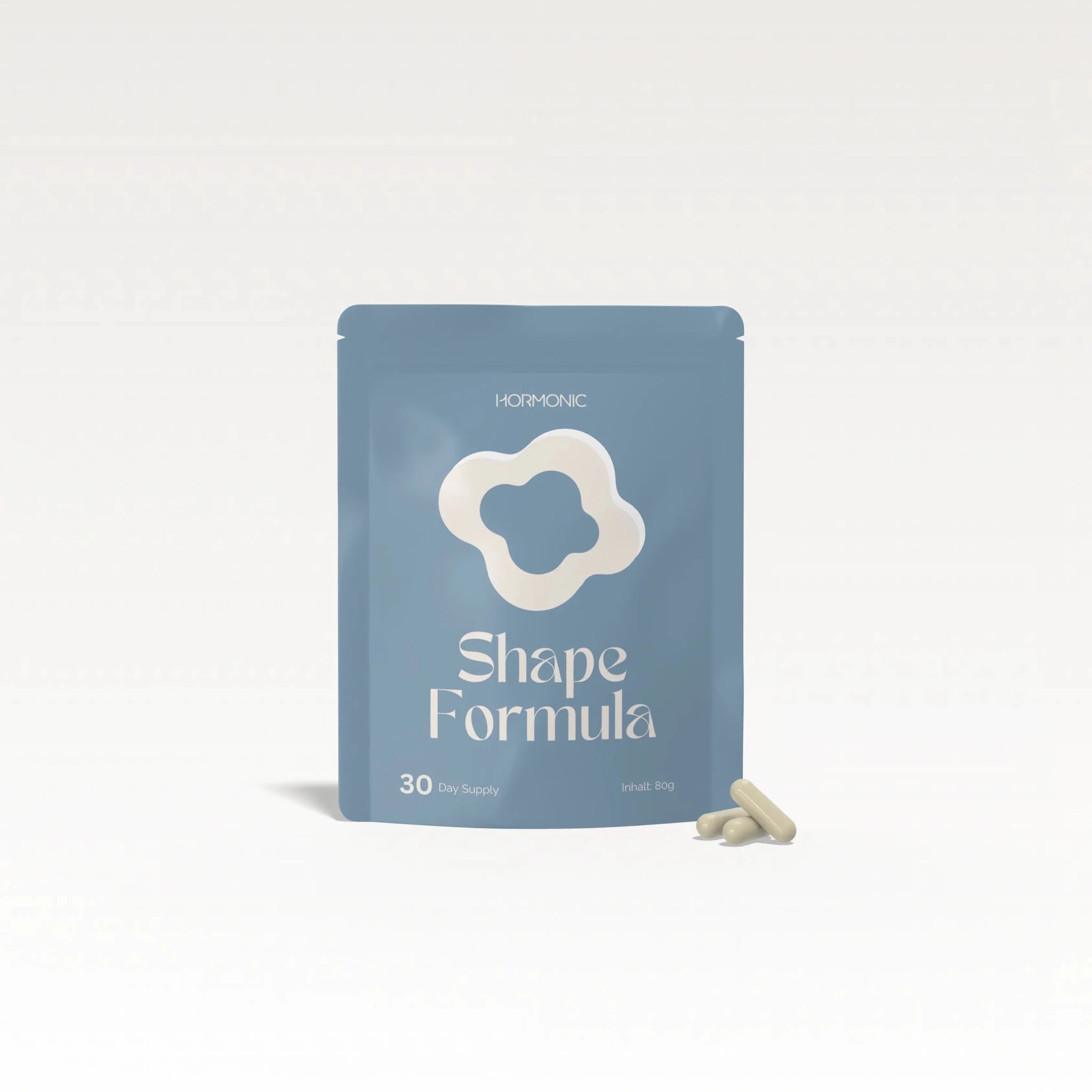
Shape Formula
10 specifically selected active ingredients, including chromium, which contributes to normal blood sugar levels, as a supplement to a modern, metabolism-conscious diet.
€60 per subscription · €75 one-time
Discover Shape →The Foundation
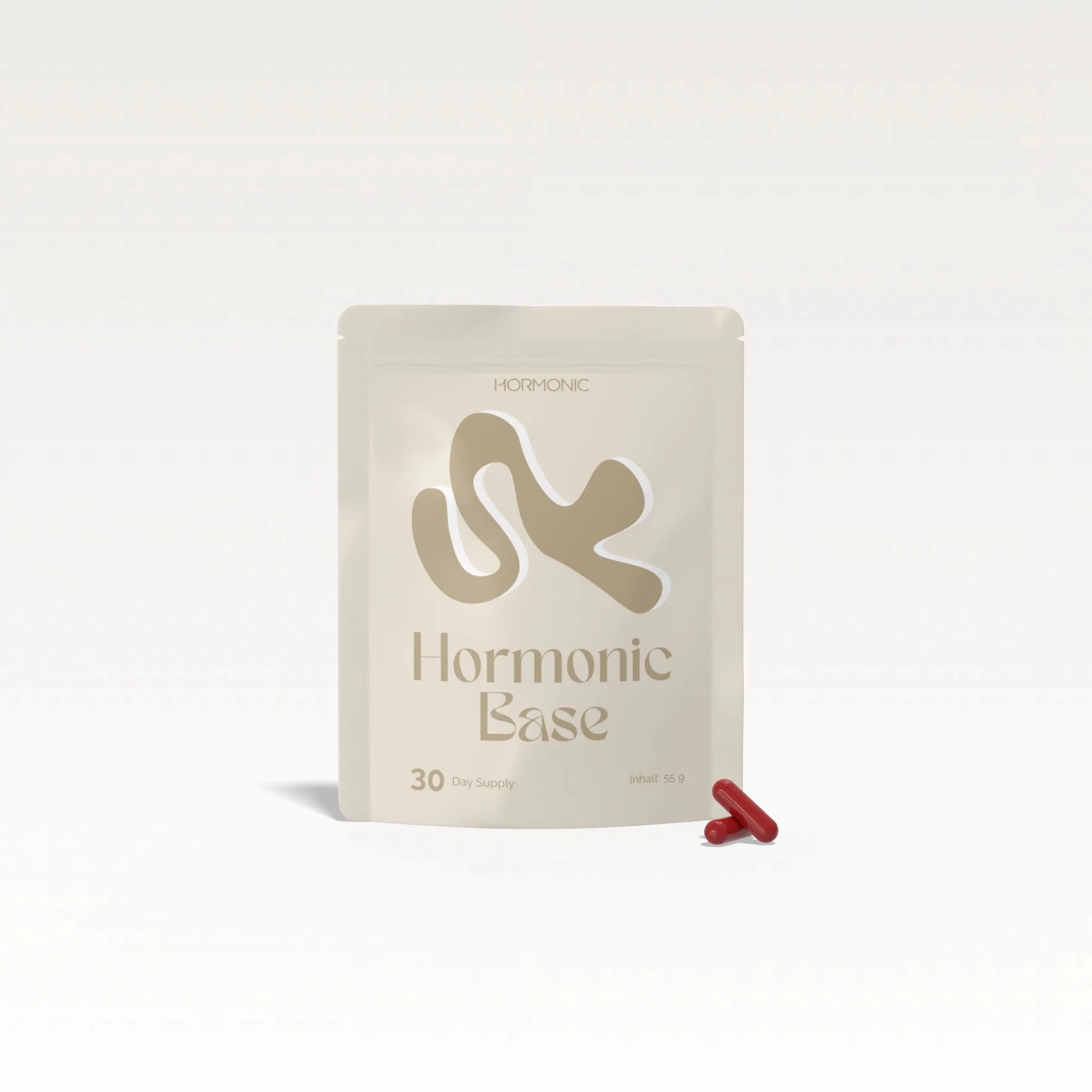
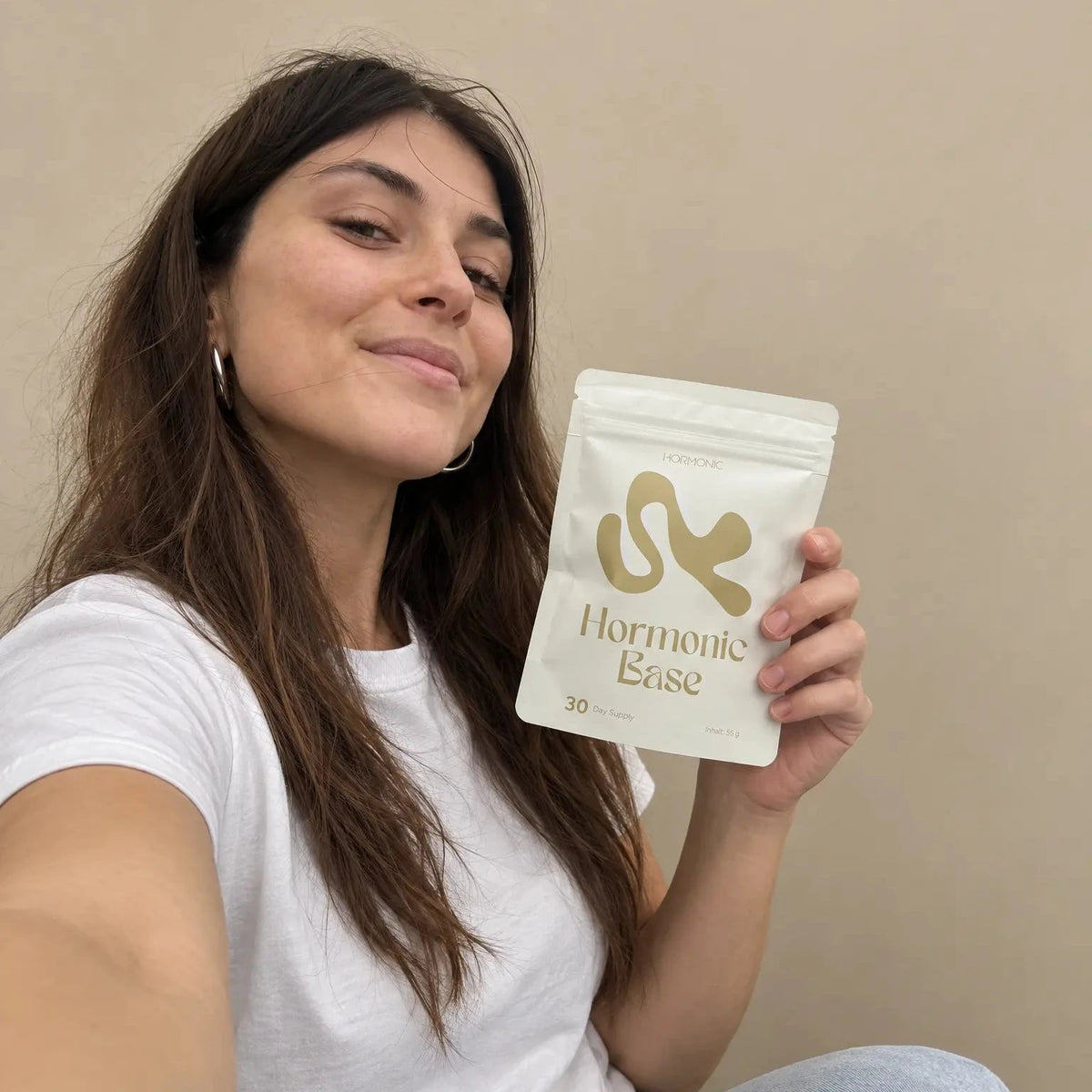
Hormonic Base
16 micronutrients as a daily base, including chromium and a magnesium complex, which contribute to normal energy metabolism. Ideal for combining with Shape.
€52 per subscription · €65 one-time
Discover Base →Unsure what suits you? Our doctors will be happy to assist you in a free initial consultation.
Frequently asked questions about weight loss with hormones
Why is losing weight so difficult with hormonal changes?
What helps against food cravings?
Ersetzt ein Supplement Ernährung und Bewegung?
Warum nehme ich in den Wechseljahren leichter zu?
Scientific Sources
- EFSA (2010). Scientific Opinion on health claims related to chromium and contribution to normal macronutrient metabolism. EFSA Journal 8(10):1732.
- Kim JY (2021). Optimal Diet Strategies for Weight Loss and Weight Loss Maintenance. J Obes Metab Syndr 30(1):20-31.
- German Nutrition Society (DGE). Selected Questions and Answers on Overweight and Obesity.
About the Author

You might also be interested in this.

Metabolism and hormones are closely linked in women. What studies say really helps with insulin resistance, weight, and during menopause.

Losing weight during menopause feels harder, and there are reasons for that. What studies say really helps, from protein to strength training to diet.

In brief: In polycystic ovary syndrome (PCOS), many affected individuals' bodies respond less effectively to the hormone insulin. This insulin resistance indeed makes weight loss more difficult, ...