Cart

Your cart is empty

Continue shopping

Trending searches

Featured products

Hormonic Base - Hormonic - Nahrungsergänzungsmittel
Sale price€65,00
(5.0)
Midlife Formula - Hormonic - Nahrungsergänzungsmittel
Sale price€75,00
(5.0)
PCOS und Abnehmen: Warum es schwerer ist und was wirklich hilft - Hormonic
Aug 5, 20268 min read

PCOS and Weight Loss: Why it's Harder and What Really Helps

This article is part of: PCOS: The Guide to Causes, Symptoms, and Treatment

In brief: In polycystic ovary syndrome (PCOS), many affected individuals' bodies respond less effectively to the hormone insulin. This insulin resistance indeed makes weight loss more difficult, but not impossible, if the right adjustments are made.

The most important points in brief

  • Around 70 to 80 percent of women with PCOS have insulin resistance, which is the main reason why weight loss is more difficult.
  • High insulin levels promote hunger and fat storage and slow down fat breakdown, regardless of willpower.
  • A protein-rich diet, strength training, good sleep, and stable blood sugar are best supported by evidence.
  • Myo-inositol has been investigated in studies in relation to insulin sensitivity.
  • There is no magic bullet: realistic goals and patience are particularly important with PCOS.

This is something I hear almost daily from women in our community: You eat less, move more, do everything "right," and yet the scale barely budges. With PCOS, this is not imagination, and certainly not a question of discipline. Your body plays by different rules, and you first have to understand them.

That's exactly what I want to explain honestly here: why losing weight with PCOS is biologically more difficult, and what really helps according to studies, without empty promises. Because if you know what's happening in your body, you can specifically address the levers that actually make a difference.

Why is losing weight with PCOS so much harder?

The main reason is insulin resistance. The cells of many women with PCOS respond less effectively to insulin, so the pancreas produces more of it. Persistently high insulin levels act like a fat-storage signal: they promote fat storage, make fat breakdown more difficult, and fuel cravings. In addition, PCOS is associated with elevated androgens, which tend to store fat around the abdomen. Losing weight is therefore not impossible, but it requires a strategy that specifically addresses this.

Lever Why it works for PCOS
More protein satiates for a long time, keeps blood sugar stable, and protects muscles
Strength training Muscles improve insulin sensitivity and increase basal metabolic rate
Good sleep poor sleep exacerbates insulin resistance and cravings
Keep blood sugar stable fewer insulin spikes mean less fat storage and fewer cravings
Realistic goals even 5 to 10 percent less weight improves cycle and metabolism

Did you know?

You don't even need to lose a lot of weight for things to change. Studies show that a weight loss of just 5 to 10 percent can make your cycle more regular and improve insulin levels. With PCOS, the body often reacts sooner than the scale suggests.
Insulin Resistance: The Real Obstacle

To understand why losing weight with PCOS is so difficult, it helps to look at the hormone insulin. It transports sugar from the blood into the cells. With insulin resistance, the cells respond less effectively, so the body produces more and more insulin to achieve the same effect. This insulin resistance is considered a central mechanism of PCOS and, according to review articles, affects the majority of those affected, regardless of weight (Diamanti-Kandarakis & Dunaif, 2012).

The problem: High insulin levels are a storage signal. They inhibit fat breakdown, promote fat storage, and also stimulate the ovaries to produce more androgens. These male hormones, in turn, increase the tendency to store fat around the abdomen. This creates a vicious cycle in which the body actively works against weight loss, and this has nothing to do with a lack of discipline.

Why Conventional Diets Often Fail

Very strict crash diets are particularly unhelpful for PCOS. They often lead to muscle loss, and less muscle mass further worsens insulin sensitivity. Additionally, cravings occur because severe blood sugar fluctuations are even more pronounced with insulin resistance. The result is often the well-known yo-yo effect.

A more sensible approach keeps blood sugar levels as stable as possible and preserves muscle mass, rather than just radically cutting calories. You can read in detail about how nutrition can look in practice in our article on PCOS nutrition. The good news: the very adjustments that stabilize blood sugar also help with weight loss.

Women with PCOS swear by it

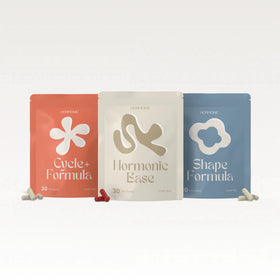
The Hormonic Cycle+ Formula contains 9 clinically proven active ingredients and was specifically developed for women with hormonal challenges. Its key ingredient, Myo-inositol, is being studied for its connection to insulin sensitivity. Expert-developed, made in Austria
Discover now

What really helps with weight loss with PCOS

When the body functions differently, strategies that address these specific issues are needed. The following levers are the best researched because they directly target insulin, blood sugar, and muscles, which are the main problem areas in PCOS.

1. More protein on your plate

Protein keeps you feeling full longer than carbohydrates, barely raises blood sugar, and protects muscles. In a randomized study of women with PCOS, a higher protein diet led to greater weight loss and more favorable glucose metabolism than a carbohydrate-focused diet, all without strict calorie restrictions (Sørensen et al., 2012). A good rule of thumb is to build every meal around a protein source.

2. Strength training instead of endless cardio sessions

Muscles are your best ally in insulin resistance: they consume sugar and improve insulin sensitivity. A pilot study showed that progressive strength training is well feasible for women with PCOS and positively influences body composition and metabolic values (Vizza et al., 2016). And a review confirmed that exercise, alone or combined with diet, improves body composition and insulin resistance in PCOS (Kite et al., 2019). We explain why strength and interval training are so suitable in the article Strength and HIIT Training for PCOS.

3. Take sleep seriously

Sleep is the most underestimated factor. Lack of sleep worsens insulin sensitivity and increases cravings after just a few nights. Women with PCOS also more frequently suffer from sleep disorders, which further burdens metabolism (Fernandez et al., 2018). Anyone who wants to lose weight should therefore take sleep as seriously as diet and exercise.

4. Smooth out blood sugar in everyday life

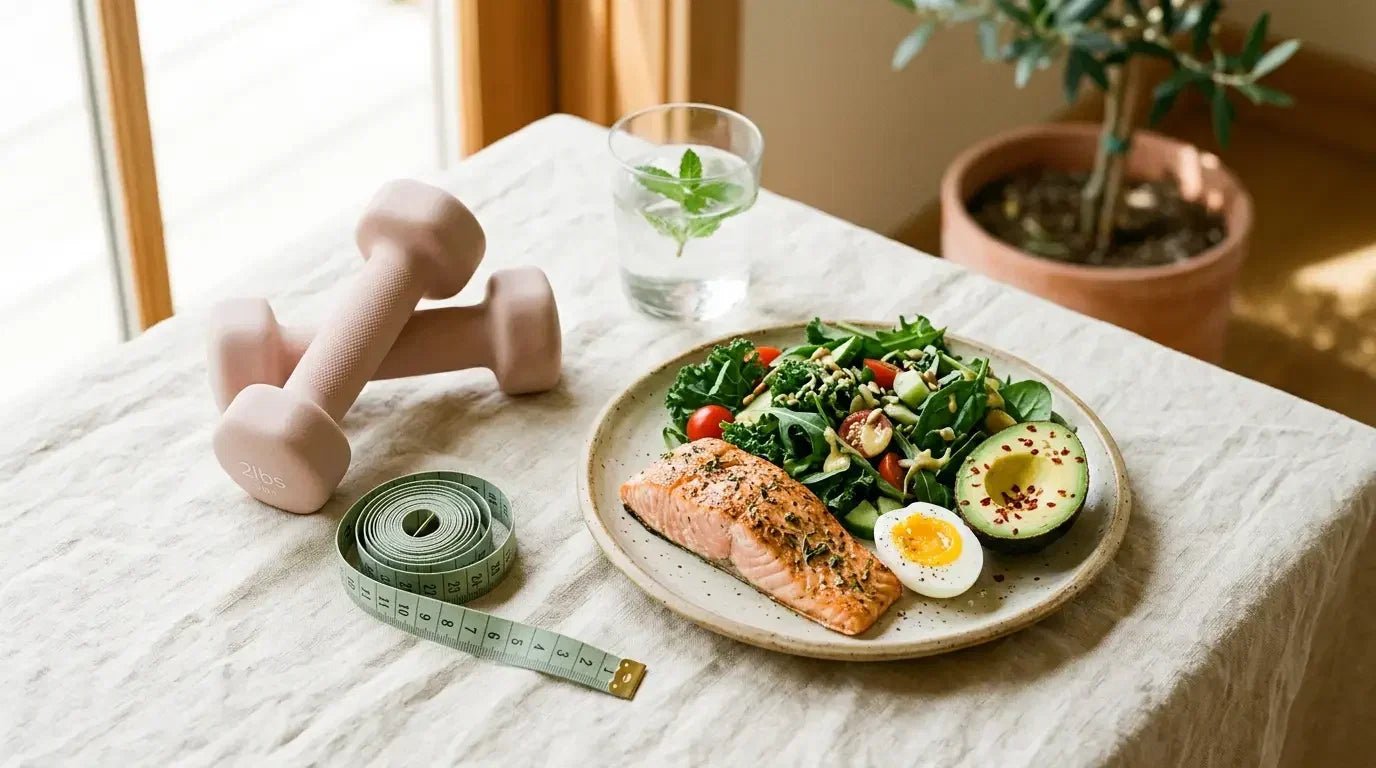
Not only what you eat, but also how you eat, makes a difference. Fiber, protein, and healthy fats with every meal, carbohydrates mostly from whole food sources, and a short walk after eating keep insulin spikes flat. Fewer insulin spikes mean less fat storage and fewer cravings, a cycle that finally works in your favor.

Can nutrients help?

Honestly, upfront: no supplement replaces diet, exercise, and sleep, and none makes you "thin." However, there are nutrients that are scientifically studied in connection with insulin, blood sugar, and metabolism, and which can play a role as a thoughtful addition alongside the basics. The most well-known is Myo-Inositol. A meta-analysis of randomized studies concluded that inositol can be effective and well-tolerated in PCOS in connection with metabolic and hormonal values such as insulin sensitivity (Greff et al., 2023). Myo-inositol is also the central active ingredient in our Cycle+ Formula, which was specifically developed for women with PCOS. You can find more about the study situation in our article on Myo-Inositol in PCOS.

Chromium: the active ingredient with approved claims

When it comes to blood sugar, Chromium is the trace element with the best official basis. As the only active ingredient in this area, chromium, according to approved European claims, "contributes to the maintenance of normal blood glucose levels" and "contributes to normal macronutrient metabolism." It is also well-researched specifically in PCOS: in a meta-analysis of six randomized studies with women with PCOS, insulin resistance was significantly lower with chromium supplementation, and BMI and fasting insulin were also more favorable (Fazelian et al., 2017). This is precisely why chromium is a core building block of our Shape Formula.

What else is in the Shape Formula and is being researched

Beyond chromium, the Shape Formula combines other plant-based active ingredients and nutrients that are scientifically studied around blood sugar, insulin sensitivity, and satiety. Important for classification: there are no approved efficacy claims for these individual substances, and the data situation is sometimes promising, sometimes mixed. The idea behind it is therefore not a "fat burner," but a well-thought-out combination of well-researched active ingredients that are intended to support metabolism alongside the basics:

L-carnitine plays a role in the fat metabolism of cells. In a meta-analysis of 37 randomized studies, L-carnitine intake was associated with a moderate decrease in body weight and BMI (Talenezhad et al., 2020), and specifically in women with PCOS, the active ingredient is being investigated in further studies (Heidari et al., 2022). The effects are real, but moderate, not magical.

Alpha-lipoic acid (ALA) is primarily researched in connection with insulin sensitivity and blood sugar. A meta-analysis of randomized studies suggests that ALA can improve glucose control in people with metabolic disorders, even if not all studies show consistent results (Akbari et al., 2018).

Cinnamon is widely studied for blood sugar and insulin. Reviews indicate favorable effects on fasting blood sugar, but the results are mixed and depend heavily on dose and duration (Gao et al., 2023). Staying honest here means: an interesting building block, not a sure thing.

Green coffee extract (rich in chlorogenic acid) showed a modest effect on body weight in a meta-analysis (Kanchanasurakit et al., 2023). In addition, there is fenugreek (early studies on appetite and glucose), acacia fiber as a prebiotic fiber for satiety, tryptophan, green tea with EGCG, and black pepper (piperine), which is primarily considered as a building block for the bioavailability of other active ingredients.

Briefly on safety: high-dose green tea extracts should not be overdone, and fenugreek is not suitable during pregnancy. The basic idea of the Shape Formula is deliberately not a high-dose single substance, but well-researched active ingredients in a sensible combination, with consideration for bioavailability, as a supplement alongside protein, strength training, and sleep.

This results in two complementary Hormonic options: Cycle+ Formula with Myo-inositol targets the hormonal basis and insulin sensitivity, Shape Formula focuses on metabolism and stable blood sugar. Both are intended as support where precisely these adjustments are important for weight loss with PCOS, and explicitly as a supplement, not a replacement for diet and exercise.

Realistic Expectations: Why patience is essential

Perhaps the most important point: losing weight with PCOS is slower than for women without the condition, and that's normal. Anyone who measures themselves against the quick successes promised in advertisements will inevitably become frustrated. Therefore, set goals that suit your body. Even a 5 to 10 percent reduction in body weight can significantly improve cycle, insulin levels, and well-being. If you are unsure where to start, you can discuss this in a free intro call with our wellness team.

Are you stuck with your weight loss?

Discover the Hormonic Trio: The expert-developed nutritional support for women who not only want to support their hormones, cells, and cycle daily, but also seek targeted metabolic support.

Learn more

Conclusion

Losing weight with PCOS is harder because insulin resistance directs metabolism towards storage and fuels cravings. This is not a question of willpower, but of biology. That's precisely why generic crash diets rarely work and often only lead to frustration.

What helps is an approach that addresses the root cause: plenty of protein, strength training, good sleep, and stable blood sugar. Myo-inositol and chromium can play a supplementary role, but they don't replace the basics. Be patient with yourself; even small improvements make a noticeable difference with PCOS. Your body isn't working against you; it just needs the right plan.

Frequent Questions About PCOS and Weight Loss

Why am I not losing weight with PCOS despite dieting?

The most common reason is insulin resistance, which most women with PCOS experience. Persistently high insulin levels promote fat storage, inhibit fat breakdown, and intensify cravings. Very strict diets often make it worse because they reduce muscle mass and increase blood sugar fluctuations. A more sensible approach involves plenty of protein, strength training, and stable blood sugar.

How much weight do I need to lose with PCOS for things to improve?

Less than many think. Studies show that a weight loss of just 5 to 10 percent can make cycles more regular and improve insulin levels and symptoms. So, with PCOS, it's not about an ideal weight on the scale, but about noticeable metabolic improvements, which often occur sooner than visible changes.

Does Myo-inositol help with weight loss in PCOS?
Myo-inositol is studied in PCOS primarily in connection with insulin sensitivity. A meta-analysis of randomized studies concluded that inositol can favorably influence metabolic and hormonal values and is well tolerated. However, it is not a direct weight-loss remedy. It works best as a supplement alongside a protein-rich diet, strength training, and good sleep.
Which diet is best for weight loss with PCOS?
The best-supported diet is one that keeps blood sugar as stable as possible: plenty of protein, enough fiber, healthy fats, and carbohydrates mainly from whole food sources. A protein-rich diet keeps you full and protects your muscles. Strict crash diets, on the other hand, are unfavorable because they break down muscle and increase cravings.

Scientific Sources

  • Diamanti-Kandarakis, E. & Dunaif, A. (2012). Insulin resistance and the polycystic ovary syndrome revisited: an update on mechanisms and implications. Endocrine Reviews, 33(6), 981-1030. doi:10.1210/er.2011-1034
  • Sørensen, L. B. et al. (2012). Effects of increased dietary protein-to-carbohydrate ratios in women with polycystic ovary syndrome. The American Journal of Clinical Nutrition, 95(1), 39-48.
  • Vizza, L. et al. (2016). The feasibility of progressive resistance training in women with polycystic ovary syndrome: a pilot randomized controlled trial. BMC Sports Science, Medicine and Rehabilitation, 8, 14. doi:10.1186/s13102-016-0039-8
  • Kite, C. et al. (2019). Exercise, or exercise and diet for the management of polycystic ovary syndrome: a systematic review and meta-analysis. Systematic Reviews, 8, 51. doi:10.1186/s13643-019-0962-3
  • Greff, D. et al. (2023). Inositol is an effective and safe treatment in polycystic ovary syndrome: a systematic review and meta-analysis of randomized controlled trials. Reproductive Biology and Endocrinology, 21, 10. doi:10.1186/s12958-023-01055-z
  • Fernandez, R. C. et al. (2018). Sleep disturbances in women with polycystic ovary syndrome: prevalence, pathophysiology, impact and management strategies. Nature and Science of Sleep, 10, 45-64. doi:10.2147/NSS.S127475
  • Fazelian, S. et al. (2017). Chromium supplementation and polycystic ovary syndrome: A systematic review and meta-analysis. Journal of Trace Elements in Medicine and Biology, 42, 92-96. doi:10.1016/j.jtemb.2017.04.008
  • Talenezhad, N. et al. (2020). Effects of l-carnitine supplementation on weight loss and body composition: a systematic review and meta-analysis of 37 randomized controlled trials with dose-response analysis. Clinical Nutrition ESPEN, 37, 9-23. doi:10.1016/j.clnesp.2020.03.008
  • Akbari, M. et al. (2018). The effects of alpha-lipoic acid supplementation on glucose control and lipid profiles among patients with metabolic diseases: a systematic review and meta-analysis of randomized controlled trials. Metabolism, 87, 56-69. doi:10.1016/j.metabol.2018.07.002
  • Gao, X. et al. (2023). The effect of cinnamon supplementation on glycemic control in patients with type 2 diabetes or with polycystic ovary syndrome: an umbrella meta-analysis on interventional meta-analyses. Diabetology & Metabolic Syndrome, 15, 127. doi:10.1186/s13098-023-01057-2
  • Kanchanasurakit, S. et al. (2023). Chlorogenic acid in green bean coffee on body weight: a systematic review and meta-analysis of randomized controlled trials. Systematic Reviews, 12, 163. doi:10.1186/s13643-023-02311-4
  • Heidari, H. et al. (2022). Effects of L-carnitine supplementation for women with polycystic ovary syndrome: a systematic review and meta-analysis. PeerJ, 10, e13992. doi:10.7717/peerj.13992

About the Author

Lee Paulina Pape

Lee Paulina Pape

Co-founder · Hormonic

Lee Paulina Pape is the co-founder of Hormonic. She writes about hormonal health, metabolism, and everyday life with PCOS, always striving to provide honest and scientifically sound information rather than empty promises.

Note: This article is based on current guidelines and scientific work (as of 2026). It is for informational purposes only and does not replace medical advice, diagnosis, or treatment.

Share

You might also be interested in this.

Insulinresistenz bei Frauen: Ursachen, Symptome & was hilft - Hormonic
StoffwechselApr 10, 20268 min read
Insulin Resistance in Women: Causes, Symptoms & What Helps

Insulin resistance affects many women, but often remains undetected for a long time. Learn how hormones and metabolism are connected and what can specifically help with insulin resistance.

Myo-Inositol bei PCOS: Wirkung, Studien & Dosierung - Hormonic
FruchtbarkeitMay 31, 202610 min read
Myo-inositol for PCOS: Effects, Studies & Dosage

How does inositol work for PCOS, what do studies show regarding ovulation, testosterone, and insulin resistance, and what is a sensible dosage? The evidence-based overview.

Ausdauer war gestern: Warum Frauen mit PCOS von Kraft- und HIIT-Training profitieren - Hormonic
PCOSJul 21, 20243 min read
Endurance was yesterday: Why women with PCOS benefit from strength and HIIT training

Women with PCOS (polycystic ovary syndrome) struggle with numerous health issues, including insulin resistance, weight gain despite a healthy diet and exercise, and hormonal imbalances. However, th...