
Cart

Your cart is empty

Continue shopping

Trending searches

Featured products

Hormonic Base - Hormonic - Nahrungsergänzungsmittel
Sale price€65,00
(5.0)
Midlife Formula - Hormonic - Nahrungsergänzungsmittel
Sale price€75,00
(5.0)
Bauchfett in den Wechseljahren: Ursachen und was wirklich hilft - Hormonic
WechseljahreJul 11, 20269 min read

Belly Fat in Menopause: Causes and What Really Helps

Dieser Artikel ist Teil von: Menopause & Perimenopause: The Complete Medical Guide

Many women don't change their diet during menopause and exercise as usual, yet their belly grows. This article explains why fat now shifts to the abdomen, why this visceral fat is a real health issue, how you can assess your risk, and what really helps according to studies.

Key takeaways

  • As estrogen levels decline, fat storage shifts from the hips and thighs to the abdomen, often without a significant increase in weight.
  • Visceral fat (internal abdominal fat) is metabolically active and more strongly associated with insulin resistance and cardiovascular risk than subcutaneous fat.
  • A waist circumference over 88 centimeters, or more than half of one's height, is a simple warning sign, regardless of weight.
  • Spot reduction is not possible: abdominal exercises, creams, teas, and belts do not help.
  • Strength training and protein for muscle preservation, along with exercise, good sleep, and fewer refined carbohydrates, are most effective.

In my consultations, I often hear women say almost verbatim the same thing: I haven't changed my diet, I exercise as usual, and yet everything settles around my midsection. Almost always, there's a subtle self-reproach, as if it's due to a lack of discipline. I want to reassure you from the start: what is happening here is a hormonally controlled, well-researched change, not a sign of carelessness. I will calmly explain what is going on in your body, why the abdomen is particularly affected, why this is more than a matter of appearance, and what truly makes a difference.

Around menopause, two things change simultaneously. Firstly, the body generally stores fat somewhat more easily and gradually loses muscle mass. Secondly, and this is the crucial point, the location of fat storage shifts: away from the typically female pattern on the hips and thighs, towards the abdomen. The insidious thing about this is that this redistribution often happens gradually, with the scale barely reacting. That's why it feels so unfair.

Did you know?

In the large SWAN study, fat gain approximately doubled in the two years before the last period, while muscle mass simultaneously decreased. Because both balance each other out on the scale, weight often increases only slowly, although body composition shifts significantly.

Why fat shifts to the abdomen during menopause

Estrogen is much more than a reproductive hormone; it also controls where your body stores fat. During the fertile years, it directs storage to the hips, buttocks, and thighs, a depot the body keeps for pregnancy and lactation. When estrogen fluctuates first in perimenopause and then permanently declines, this steering effect is lost. The body increasingly stores fat in the abdominal area, closer to the more abdomen-focused pattern usually seen in men.

Large long-term studies clearly show how pronounced this shift is. In the SWAN study, internal abdominal fat significantly increased, especially in the two years around the last menstrual period, by about eight percent per year before and almost six percent per year after, and this increase was closely linked to the drop in estradiol. At the same time, fat gain doubled during this phase, while muscle mass decreased.

For you, this means two things. First, the growing belly is not your imagination and not personal failure, but a measurable biological change. And second, it's not just about more fat, but primarily about a different distribution. That's why your silhouette can noticeably change, even if the number on the scale remains almost the same, because the slow muscle loss masks fat gain in terms of weight.

Visceral fat and subcutaneous fat: why the difference matters

Before we talk about solutions, it's worth making a distinction, because not all abdominal fat is the same. The body stores fat in the abdomen in two very different ways, and this difference determines more about your health than about your appearance.

Type of fat Location Significance
Subcutaneous fat directly under the skin, palpable metabolically less active, less critical for health
Visceral fat (internal abdominal fat) deep in the abdominal cavity, around the organs metabolically active, associated with insulin resistance and cardiovascular risk

Why visceral fat is so much more critical lies in its location and behavior. It sits deep in the abdominal cavity around the liver, intestines, and pancreas and releases its fatty acids directly to the liver via the portal vein. Additionally, it is hormonally active: it releases pro-inflammatory signaling molecules and thus disrupts sugar and fat metabolism from within. Subcutaneous fat, directly under the skin, is metabolically less active and significantly less harmful to health.

How do you recognize which type it is? A soft belly that you can easily grasp between your fingers is more likely subcutaneous fat. A firm, forward-protruding belly that can hardly be lifted suggests a lot of internal fat. A more precise and yet simple indicator is your waist circumference, and you can read how to measure it correctly further down.

Why abdominal fat is a health issue during menopause

Visceral fat is not a silent store that you only want to get rid of for aesthetic reasons; it is metabolically active tissue with real consequences. It continuously releases free fatty acids and pro-inflammatory messengers, thereby influencing how well your cells react to insulin and how high your blood lipid levels are.

The closest connection is to insulin sensitivity. In analyses of several studies, visceral fat is more strongly associated with insulin resistance than subcutaneous fat, body mass index, or pure body weight. Insulin resistance is a precursor to type 2 diabetes and can also exacerbate many menopausal symptoms, from cravings to fatigue. You can read about how incipient insulin resistance manifests in womenin our dedicated article.

In addition, there is the cardiovascular risk. In the SWAN study, an increase in inner abdominal fat was associated with early signs of arterial calcification, and visceral fat is linked to unfavorable blood lipid levels and high blood pressure. It is important to note that this risk does not only affect women with significant overweight. Even at a normal weight, a lot of inner abdominal fat can burden the metabolism, so an overall slim body with a firm stomach is no excuse. This is precisely why it is worthwhile to take abdominal fat seriously, without panicking.

How to correctly assess your abdominal fat

You don't need expensive equipment to roughly assess your risk. In the morning, on an empty stomach and standing, measure your waist circumference at the level of your navel, with the tape measure resting loosely without you pulling in your stomach. For women, a value above 80 centimeters is considered slightly elevated and above 88 centimeters as a clear signal for a metabolism-related risk, largely regardless of what the scales show.

Even more meaningful than the pure circumference is the ratio of waist circumference to height. As a simple rule of thumb, your waist circumference should be less than half your height. For a height of 168 centimeters, the limit is therefore around 84 centimeters. This value often reflects inner abdominal fat better than the Body Mass Index, which does not distinguish between muscle and fat and can therefore be misleading, especially for women in menopause.

What really helps against abdominal fat

Even if hormones dictate the direction, you are not at their mercy. A large network meta-analysis of 84 randomized studies showed that exercise reliably reduces visceral fat, including endurance training, strength training, a combination of both, and high-intensity interval training. So there isn't just one right sport. The most important thing is the one you stick to regularly, ideally a mix of more everyday movement and two to three targeted sessions per week.

Strength training plays a special role, especially for women. Its direct effect on visceral fat in studies on women is somewhat weaker than in men. However, its real value lies in muscle preservation, and that is crucial: muscles are your most important metabolic anchor; they consume energy even at rest and draw sugar from the blood, which counteracts insulin resistance. Since muscle mass decreases anyway during menopause, strength training is the lever that is most likely to keep your metabolism stable. You can read about how strength training strengthens hormones, metabolism and bonesin the detailed article.

However, strength training only works with the right building material, and that is protein. In studies with postmenopausal women, those with a higher protein intake lost significantly less muscle mass during weight loss. Around 1.2 grams of protein per kilogram of body weight is recommended, sensibly distributed throughout the day rather than all in the evening, so that the body can use it well for muscle. Protein also keeps you feeling full for longer, thus incidentally facilitating a balanced calorie balance.

Because in the end, the total balance of energy intake and consumption still counts for the amount of fat; there is no getting around that. The only difference in menopause is that you should manage this balance more wisely: not through radical dieting, which primarily costs muscle, but through more protein, more exercise, and fewer empty calories. We have summarized what else matters when losing weight during menopausein detail there.

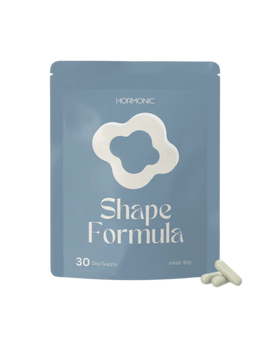
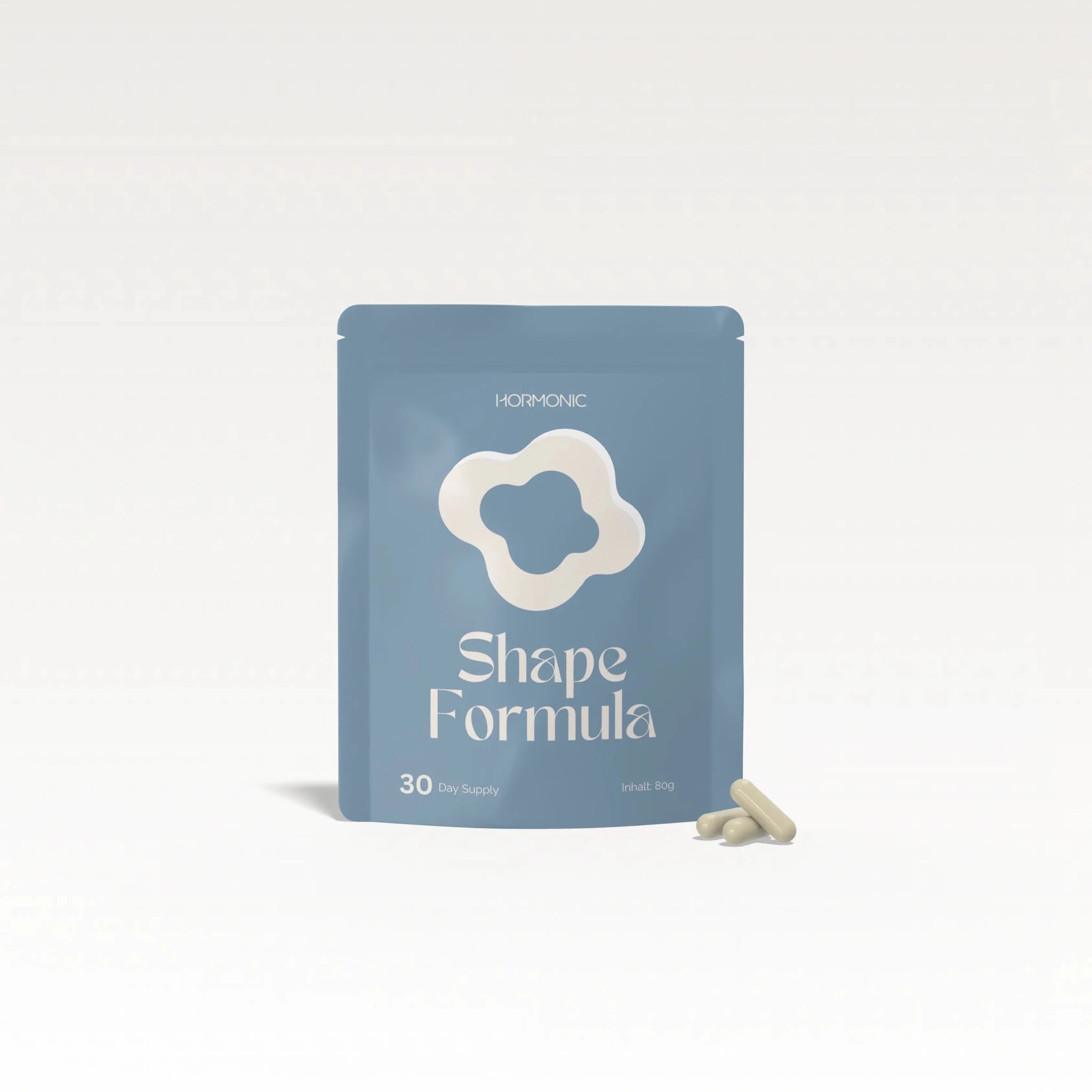
Shape Formula for Metabolism & Weight

Shape Formula combines L-Carnitine, cinnamon extract, and 8 other active ingredients that have been studied for metabolism, weight, and blood sugar issues. Doctor-developed and loved by thousands of women.

Start now

Creatine, muscles, and what it really does

If muscles are key, it's worth taking a look at creatine, one of the most thoroughly researched dietary supplements available. In combination with strength training, creatine can support the building and maintenance of muscle mass, as several recent analyses show, particularly in older women, most notably with intake over at least several months. For pure strength gain, the study results are more mixed; some studies see an additional benefit, while others do not.

Three things are important to me here. First: creatine is not a fat burner. It does not melt belly fat, but only helps indirectly by supporting training and muscle maintenance. Second, the approved claims: The EFSA permits that creatine can increase physical performance during intensive training and, in adults over 55, can enhance the effect of strength training on muscle strength. Third, practical application: typical amounts are about three to five grams daily, and creatine is considered well-tolerated. More on this in the article on Creatine in Menopause.

Sleep, stress, and blood sugar

Besides exercise and protein, there are three often underestimated levers, and the first is sleep. In analyses of several long-term studies, short, poor sleep is associated with more belly fat, presumably because sleep deprivation shifts appetite and stress hormones and poorly regulates blood sugar. Especially in perimenopause, when sleep already suffers due to hot flashes and rumination, this is a vicious cycle worth breaking.

The second lever is stress. Chronic tension and persistently elevated cortisol are associated with an abdominal fat distribution, partly because cortisol is particularly activated in belly fat. This connection is not as clearly proven as the benefits of exercise but plausible enough to see relaxation, breaks, and good sleep not as a luxury but as part of the solution.

The third is blood sugar. Many fast carbohydrates from sugar and white flour drive insulin levels, and insulin promotes fat storage and simultaneously slows down fat breakdown. A protein and fiber-rich diet in the Mediterranean style, with plenty of vegetables, legumes, good fats, and fewer highly processed products, targets precisely this and keeps blood sugar steadier. This is not a list of prohibitions, but a shift in priorities.

Hormone therapy and weight-loss injections

Two questions almost always come up in my consultation hours. First, hormone therapy: observational studies suggest that hormone replacement therapy can mitigate the shift of fat to the abdomen because it partially compensates for the drop in estrogen. Honest classification is important: it is expressly not a weight-loss drug, its effect on overall weight is small, and it is never prescribed solely for abdominal fat. Whether it makes sense for you always remains an individual assessment of benefits and risks with your doctor.

Second, GLP-1 weight-loss injections like semaglutide: They demonstrably reduce visceral fat significantly, in studies by a considerable portion of abdominal fat. However, they are prescription medications with their own side effects, costs, and open questions, not a lifestyle product. We explain this in detail in the article on GLP-1 and Female Hormones.

What doesn't work

It's just as valuable to know what you can save yourself. The most persistent myth is targeted fat burning in a single spot. In a controlled study, participants trained their abdominal muscles intensely for six weeks, without the fat above decreasing. Abdominal exercises strengthen the muscles underneath, but do not melt the fat above, because the body decides for itself where it breaks down fat.

Also, creams, wraps, detox teas, waist trainers, and draining cures do not remove internal belly fat; at most, they cost money. And crash diets are even counterproductive: they make the scale drop short-term, but primarily cost muscle and thereby further slow down the metabolism, which facilitates regaining weight afterward. The quiet, unspectacular path is actually the most effective here.

When you should seek medical advice

A waist circumference over 88 centimeters, or more than half your body height, is a good reason to take a closer look, especially together with fatigue, severe thirst, high blood pressure, or unusual blood values. A look at fasting blood sugar and long-term sugar (HbA1c), insulin, blood lipids, and blood pressure is then useful to detect insulin resistance or metabolic syndrome early.

Such values can be measured and, if necessary, treated specifically, the earlier the better. If you are unsure where you stand and what makes sense for you, you can have it assessed in a free initial consultationwith one of our doctors, without obligation.

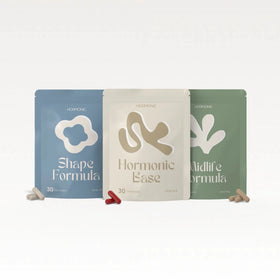
The Complete Midlife Bundle

The trio of Hormonic Base, Shape, and Midlife Formula provides you with daily essential nutrients and targeted active ingredients for menopause, supporting metabolism, blood sugar, strength, muscle, and energy maintenance.

To the full routine

Conclusion

A belly in menopause is not a sign of negligence, but rather the result of declining estrogen, which shifts fat distribution towards the midsection, often without the scales showing much change. Precisely because visceral fat is metabolically active and associated with insulin resistance and cardiovascular risk, it's worth taking it seriously, without panicking.

What helps most sounds least spectacular: regular exercise, strength training, and enough protein to protect muscles, along with good sleep, less stress, and fewer fast carbohydrates. There are no targeted belly miracles, creams, or crash diets, but the direction can be reliably influenced with these levers.

And if you're unsure whether your abdominal fat is already affecting your metabolism, a simple look at your waist circumference and some blood values can provide clarity. This turns a diffuse feeling of change into a topic you can address calmly and purposefully.

Frequently Asked Questions About Menopausal Belly Fat

Why do you get a belly during menopause?

Because estrogen levels drop. Estrogen plays a role in where the body stores fat, and during the fertile years, it causes fat to be stored on the hips and thighs. When this effect ceases during menopause, fat storage shifts to the abdominal area. This can even happen if your overall weight barely increases, because it's primarily the distribution that changes.

Is belly fat dangerous during menopause?

It can be relevant. The visceral abdominal fat is metabolically active and associated with insulin resistance, unfavorable blood lipids, and a higher cardiovascular risk, more so than subcutaneous fat. Even at a normal weight, a lot of visceral belly fat can strain the metabolism. A waist circumference over 88 centimeters in women is considered a warning sign that should be medically investigated.

Wie werde ich Bauchfett in den Wechseljahren wieder los?
Gezielt an nur einer Stelle abnehmen geht nicht, Bauchübungen allein reichen nicht. Am besten wirkt eine Kombination: Krafttraining und genug Eiweiß, um die Muskeln zu schützen, dazu guter Schlaf, weniger schnelle Kohlenhydrate und regelmäßige Bewegung insgesamt. Cremes, Tees und Gürtel bringen nichts. Wichtig ist Geduld, die Verteilung ändert sich langsam.
Hilft Krafttraining gegen Bauchfett in den Wechseljahren?
Ja, vor allem indirekt. Bewegung senkt in Studien das viszerale Fett, und Krafttraining schützt zusätzlich die Muskeln, die als Stoffwechsel-Anker in Ruhe Energie verbrauchen und den Blutzucker stabilisieren. Kreatin kann das Training und den Muskelerhalt unterstützen, ist aber kein Fatburner. Der Muskelerhalt ist der eigentliche Hebel gegen die bauchbetonte Fettverteilung.

Scientific Sources

  • Greendale, G. A. et al. (2019). Changes in body composition and weight during the menopause transition. JCI Insight, 4(5), e124865. doi:10.1172/jci.insight.124865
  • El Khoudary, S. R. et al. (2021). Abdominal visceral adipose tissue over the menopause transition and carotid atherosclerosis: the SWAN Heart Study. Menopause, 28(6), 626-633.
  • Lovejoy, J. C. et al. (2008). Increased visceral fat and decreased energy expenditure during the menopausal transition. Int J Obes, 32(6), 949-958. doi:10.1038/ijo.2008.25
  • Systematic review and meta-analysis (2015): Association of fat depots with insulin resistance, visceral fat stronger than subcutaneous fat and BMI.
  • Shah, R. V. et al. (2014). Visceral adiposity and the risk of metabolic syndrome across body mass index: the MESA Study. JACC Cardiovasc Imaging, 7(12), 1221-1235.
  • Chen, X. et al. (2024). Effects of various exercise types on visceral adipose tissue: a network meta-analysis of 84 RCTs. Obesity Reviews, 25, e13666. doi:10.1111/obr.13666
  • Systematic review (2024): short sleep duration and increased risk of central obesity in prospective cohort studies.
  • Papadakis, G. E. et al. (2018). Menopausal Hormone Therapy Is Associated With Reduced Total and Visceral Adiposity: The OsteoLaus Cohort. J Clin Endocrinol Metab, 103(5), 1948-1957.
  • Forbes, S. C. et al. (2025). Creatine supplementation with resistance training on strength and lean mass in aging adults: systematic review and meta-analysis. Eur Rev Aging Phys Act. doi:10.1186/s11556-025-00392-9
  • Vispute, S. S. et al. (2011). The effect of abdominal exercise on abdominal fat. J Strength Cond Res, 25(9), 2559-2564.
  • Regulation (EU) No 432/2012 and (EU) 2017/672, EU register of Health Claims: Creatine and physical performance in strength training.

About the Author

Lisa Maria Emmer

Lisa Maria Emmer

Founder · Physician · Hormonic

Lisa Maria Emmer is co-founder and medical director at Hormonic. She supports women with hormonal problems every day and specializes in cycle health, PCOS, and menopause.

Note: This article is based on current guidelines and scientific work (as of 2026). It is for informational purposes only and does not replace medical advice, diagnosis, or treatment.

Share

You might also be interested in this.
Gewichtszunahme in den Wechseljahren: Ursachen, Hormone & was wirklich hilft - Hormonic
WechseljahreNov 18, 202512 min read
Weight Gain in Menopause: Causes, Hormones & What Really Helps

Why do women gain weight during menopause – and what really helps? Learn about the hormonal causes, typical mistakes & scientifically sound strategies for weight loss.

Abnehmen in den Wechseljahren: Was wirklich hilft - Hormonic
WechseljahreJul 3, 20269 min read
Losing Weight During Menopause: What Really Helps

Losing weight during menopause feels harder, and there are reasons for that. What studies say really helps, from protein to strength training to diet.

Stoffwechsel, Hormone und Gewicht: Der komplette Guide für Frauen - Hormonic
StoffwechselJun 15, 202611 min read
Metabolism, Hormones, and Weight: The Complete Guide for Women

Metabolism and hormones are closely linked in women. What studies say really helps with insulin resistance, weight, and during menopause.