Offer ends in10:00

Cart

Your cart is empty

Continue shopping

Trending searches

Featured products

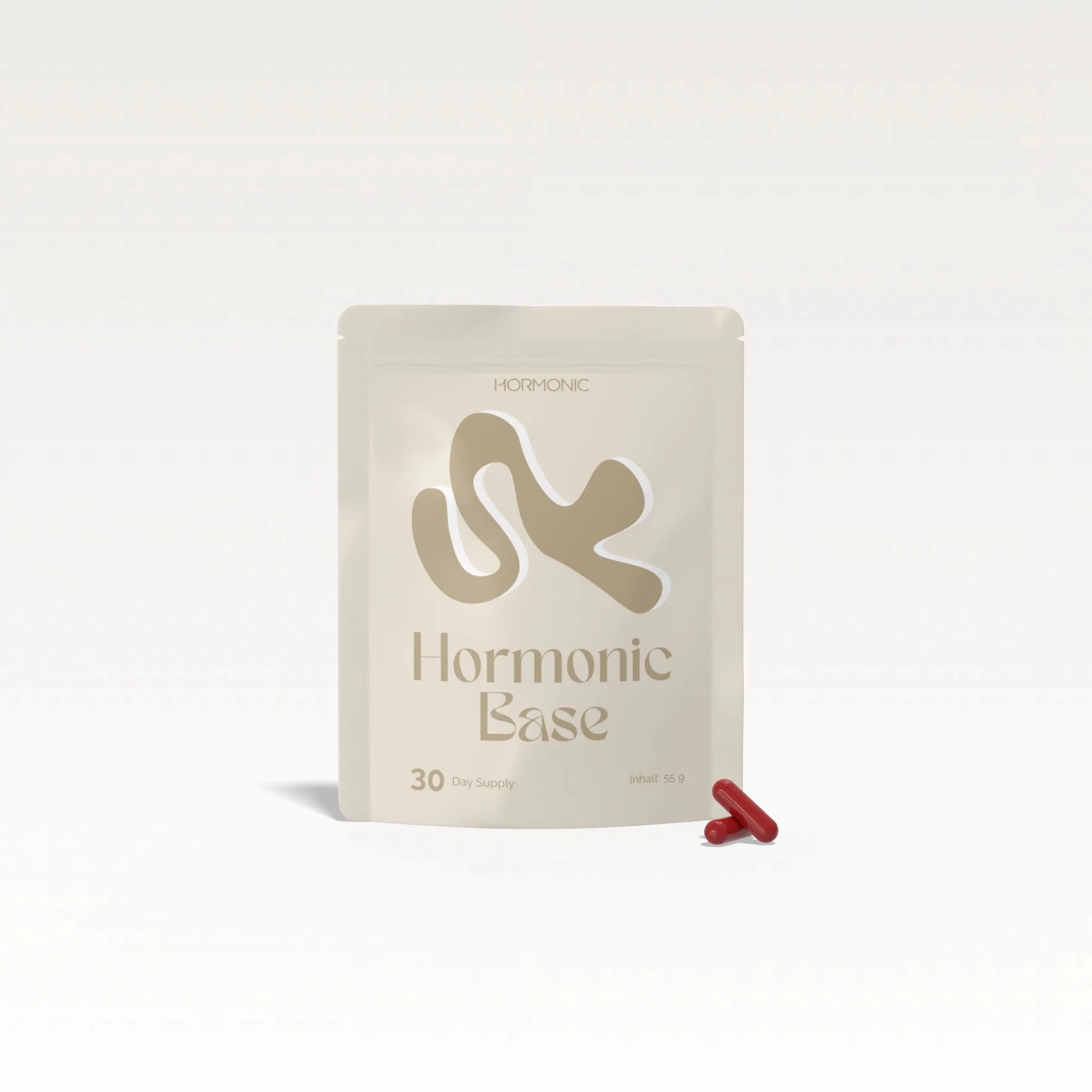
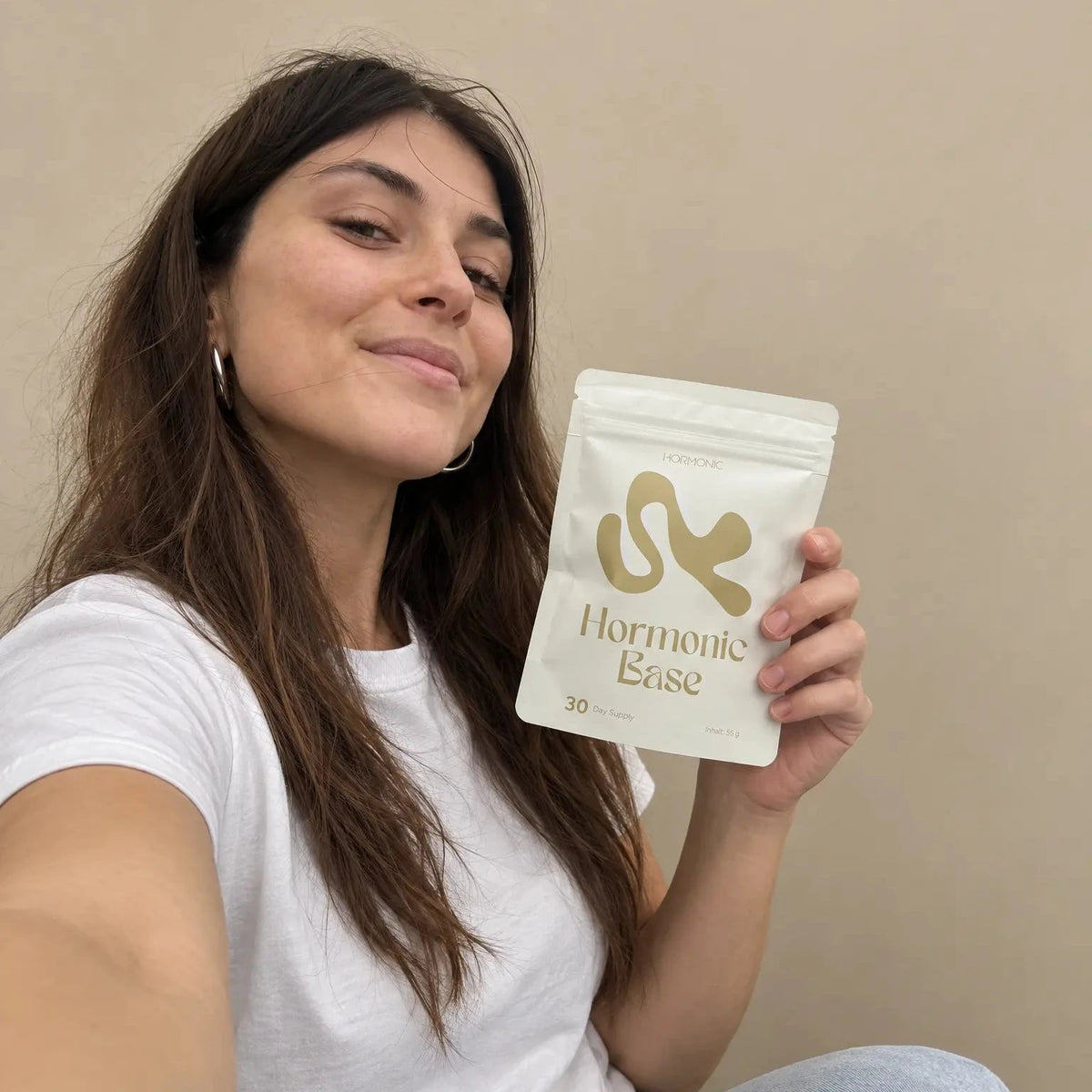
Hormonic Base - Hormonic - Nahrungsergänzungsmittel
Sale price€65,00
(5.0)
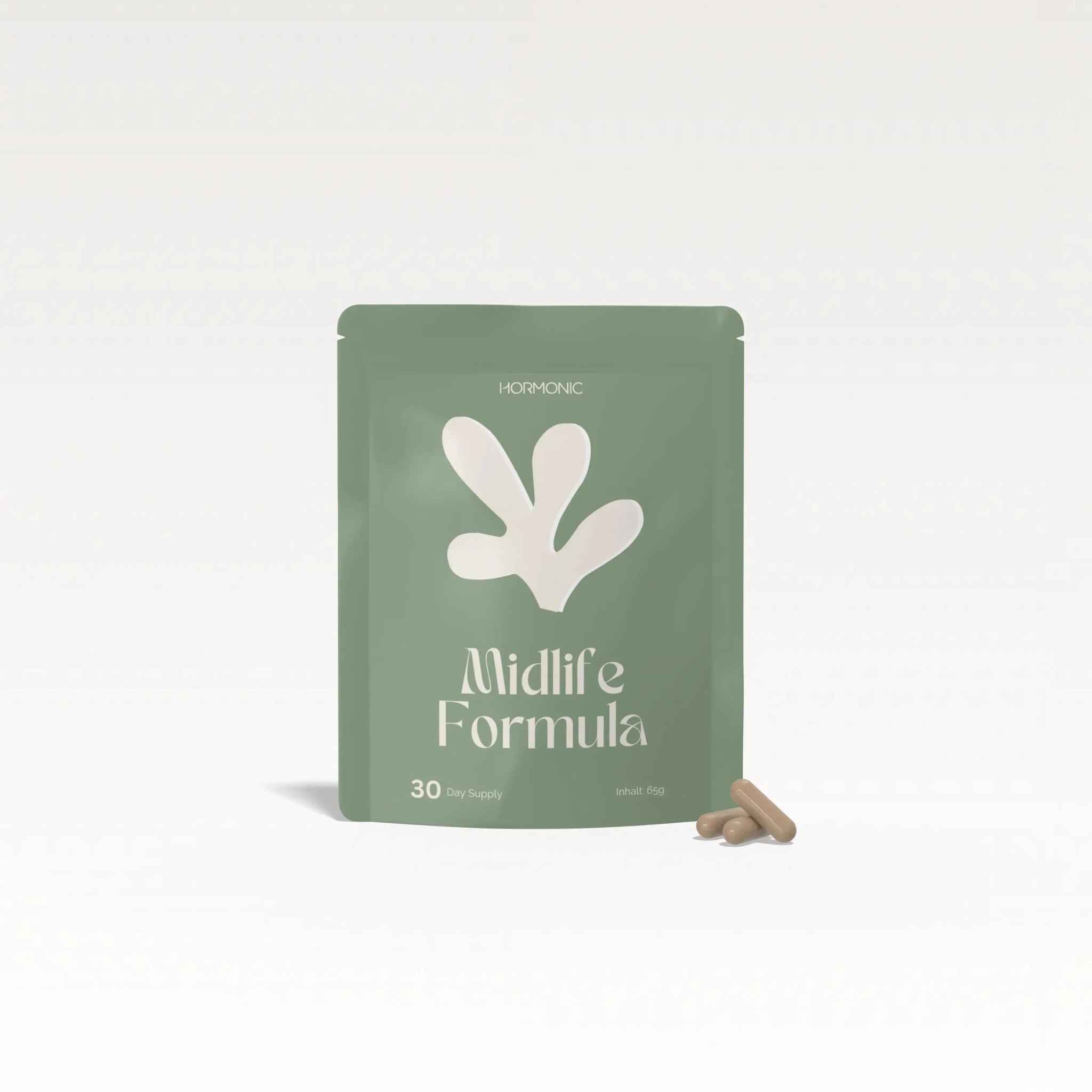
Midlife Formula - Hormonic - Nahrungsergänzungsmittel
Sale price€75,00
(5.0)
Die besten Supplements bei Endometriose: Was Studien zeigen - Hormonic
EndometrioseAug 3, 20268 min read

The Best Supplements for Endometriosis: What Studies Show

This article is part of: Endometriosis: Symptoms, Causes, and What Really Helps

As a doctor, I see how much women with endometriosis desire support, especially when pain and exhaustion dominate their daily lives. Supplements are then quickly sold as a beacon of hope, often with more promises than evidence.

That is why I am providing an honest assessment here of what individual nutrients and plant compounds can do according to studies, and what indirect pathways they use to work at all. One thing is important to me upfront: none of this treats or cures endometriosis. It is about a possible accompaniment to your therapy, always in consultation with your doctor.

Through which pathways do supplements work for endometriosis?

Endometriosis is not just "tissue in the wrong place." It is driven by three biological processes that many nutrients indirectly target: chronic inflammation with elevated prostaglandins, high oxidative stress in the abdominal cavity, and locally increased estrogen metabolism via the enzyme aromatase. Antioxidants such as vitamin C, E, zinc, and selenium tackle oxidative stress, omega-3 addresses inflammation, and plant compounds such as curcumin (turmeric) and resveratrol have been studied for their effects on aromatase and inflammation. Very important and honest: these studies concern symptoms and individual lab values, not a cure, and do not replace medical treatment.

Nutrient Target & Evidence
Vitamin C + E Oxidative stress. Less pelvic pain in endometriosis-specific RCTs.
Omega-3 Inflammation, prostaglandins. Very effective for menstrual pain; lower risk in cohorts.
Zinc, Selenium Oxidative stress, immune system. Zinc highly effective for menstrual pain.
Vitamin D, Magnesium Immune system, muscle, inflammation. First positive, mixed signals.
Curcumin, Resveratrol Aromatase, inflammation. Mechanistically interesting; in humans, primarily as a supplement.

The best-evidenced nutrients

Antioxidants: Vitamins C and E.They have the strongest endometriosis-specific evidence because they directly target oxidative stress, which is elevated in the abdominal cavity of affected individuals. Vitamin E protects cell membranes, and Vitamin C regenerates spent Vitamin E, forming a complementary duo. In one randomized study, daily pain improved in about 43 percent of women, and inflammatory markers in the abdominal cavity decreased (Santanam et al., 2013). A second randomized study confirmed less pelvic pain and lower oxidative markers (Amini et al., 2021), and a 2024 meta-analysis found overall fewer pain symptoms. The studies are small and short, but the signal is consistent and encouraging. According to EFSA, both vitamins contribute to the protection of cells from oxidative stress.

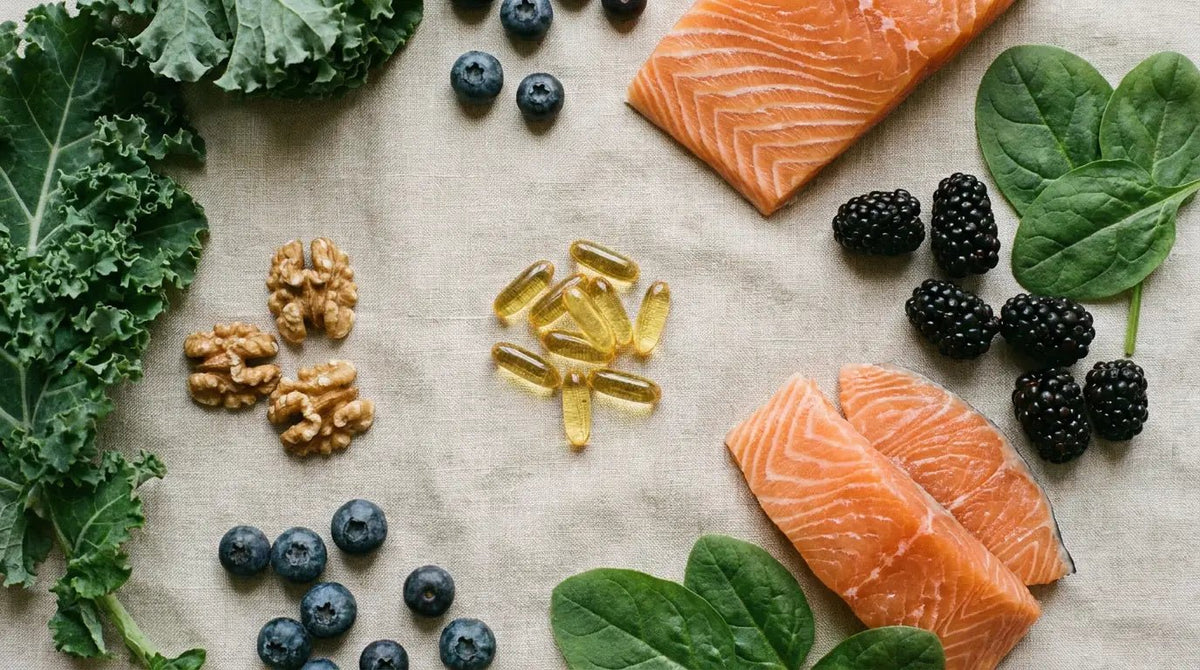
Omega-3 fatty acids.They have the best data concerning menstrual pain and work by addressing inflammation: EPA and DHA shift prostaglandin formation in a less inflammatory direction. In a meta-analysis, intake was associated with significantly less pain and reduced need for pain medication (Snipe et al., 2024). In a large cohort, women with high omega-3 intake had an approximately 22 percent lower risk of endometriosis, while high intake of trans fats was associated with a 48 percent higher risk (Missmer et al., 2010). To be honest: the evidence specifically for endometriosis pain is weaker, and omega-3 is not in our formulas; you best get it through fatty fish or algae oil.

Hormonic Base: several studied nutrients in one base

Hormonic Base combines several of the substances examined here: NAC and curcumin, as well as the antioxidants vitamin E, selenium, and zinc, vitamin D, and a magnesium complex. Developed by doctors and manufactured in Austria.

Laying the right foundation

The indirect levers: inflammation, oxidative stress, estrogen

Many nutrients in endometriosis do not act on the tissue itself, but on the underlying processes. It is precisely these indirect levers that make them interesting as broad support.

  • Vitamin D: acts on the immune system and inflammation. In a randomized study, vitamin D improved pelvic pain, and the inflammatory marker hs-CRP decreased (Mehdizadehkashi et al., 2021); other studies are mixed. Correcting a deficiency is low-risk and beneficial. According to EFSA, vitamin D contributes to the normal function of the immune system.
  • Zinc: has anti-inflammatory and antioxidant effects. A 2024 meta-analysis found a significant pain-relieving effect in menstrual pain (Hsu et al., 2024), and zinc status is often lower in endometriosis. According to EFSA, zinc contributes to the protection of cells from oxidative stress.
  • Selenium: another antioxidant that protects cells from oxidative stress and contributes to the normal function of the immune system (EFSA), both processes that play a role in endometriosis.
  • Magnesium: relaxes muscles and can help with menstrual pain; however, according to Cochrane, the evidence is of low quality and not endometriosis-specific. According to EFSA, magnesium contributes to normal muscle function and the reduction of fatigue.

NAC, Curcumin, and Resveratrol: the most exciting candidates

NAC (N-acetylcysteine).For many women with endometriosis, NAC is the most interesting substance on this list. In an Italian observational study, endometriomas slightly shrank on average with NAC, while they grew in the control group, pain improved, and many women canceled their planned surgery (Porpora et al., 2013). To be honest: this was not a randomized, placebo-controlled study, but the signal is unusually clear. NAC acts as a powerful antioxidant and is one of the active ingredients in our Hormonic Base. We delve deeper into the topic in the article on NAC for Endometriosis.

Curcumin (from turmeric).Mechanistically one of the most interesting candidates: In cell studies with endometriosis tissue, curcumin reduced estradiol production and inhibited cell growth, indicating an effect on aromatase (Zhang et al., 2013). In humans, it depends on the combination: alone, it did not provide a clear pain advantage in a clean RCT, but high-dose nano-curcumin significantly enhanced pain relief when added to standard hormonal therapy (dienogest) (Phytomedicine, 2025). The sticking point is poor absorption, which is why highly bioavailable forms are important; curcumin is also contained in our Hormonic Base.

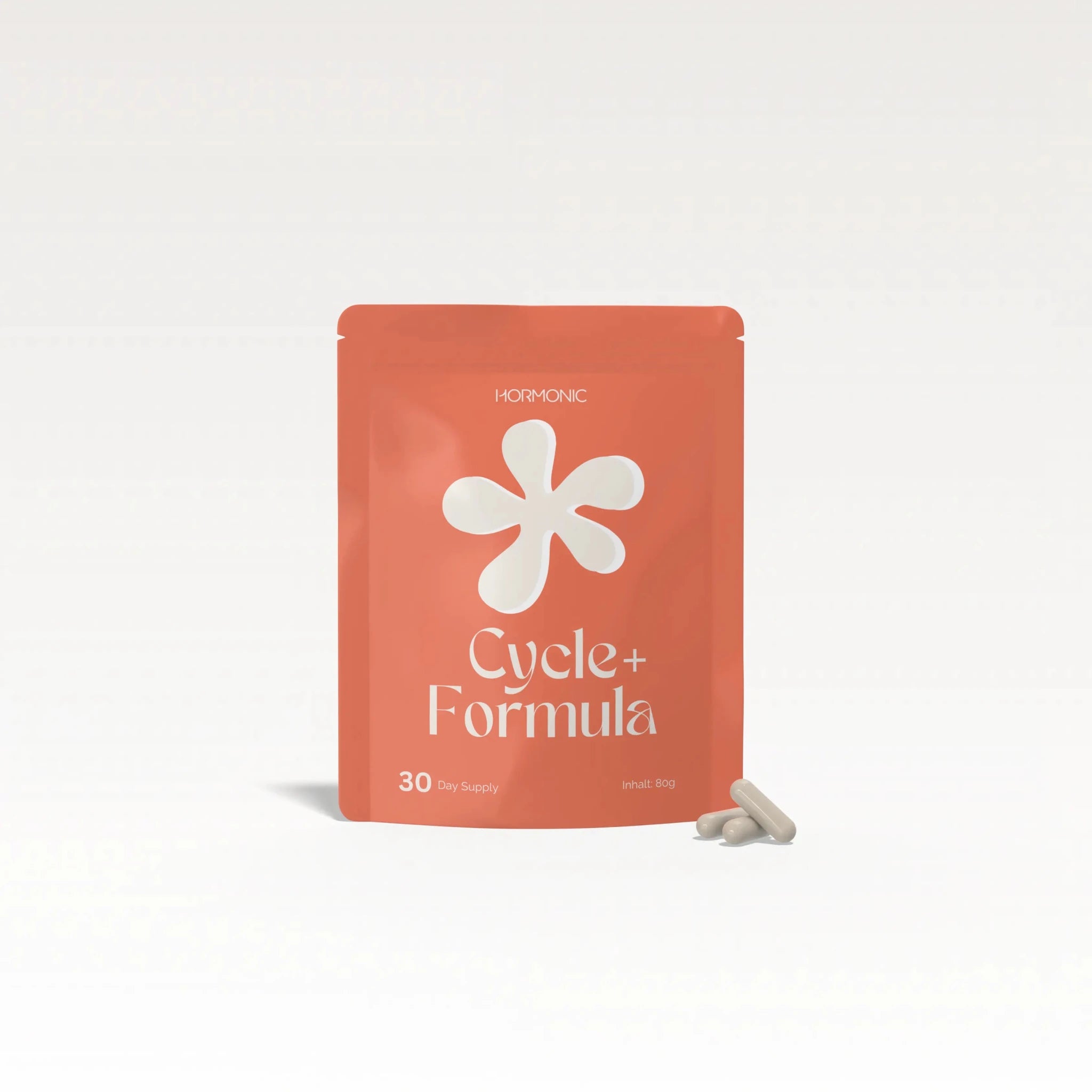
Resveratrol.Resveratrol also has a compelling mechanism: In an open study, it reduced aromatase and COX-2 activity in tissue and improved pain when added to the pill (Maia et al., 2012). To be fair, the better study showed that in a randomized, controlled trial, resveratrol added to the pill provided no extra benefit compared to the pill alone (Mendes da Silva et al., 2017). So the approach is still being researched. Trans-resveratrol is one of the active ingredients in our Cycle+ Formula.

How Hormonic can help

What's exciting: Several of the substances discussed here are found in our formulas, which is why we focus on a broad, moderate basic supply instead of individual high doses. Our Hormonic Basecontains NAC and curcumin, two of the most interesting endometriosis candidates, plus the antioxidants vitamin E, selenium, and zinc (protection of cells from oxidative stress), vitamin D (immune system), and a magnesium complex. The Cycle+ Formula supplements trans-resveratrol and quercetin, as well as zinc and myo-inositol; myo-inositol has primarily been studied for the cycle and metabolism, not for endometriosis, which we honestly classify. The easiest way to combine both is in the Cycle Bundle.

Both products are expressly not a medication for endometriosis, but a complementary nutrient supply. You can read how nutrition can additionally help under Endometriosis Nutrition.

Most importantly: Discuss new preparations with your treating doctor, gladly also in a free initial consultationconveniently via video call at Hormonic. Endometriosis belongs in expert hands.

Unsure what makes sense for your endometriosis?

In a free 15-minute introductory call, one of our doctors will address your questions about endometriosis, pain, and accompanying medications, with no obligation.

Secure your free initial consultation

Conclusion

The most exciting news is that several well-tolerated nutrients target precisely the three drivers of endometriosis: inflammation, oxidative stress, and estrogen metabolism. The most convincing are the antioxidants vitamin C and E, with endometriosis-specific studies, as well as omega-3 for menstrual pain. Zinc, vitamin D, selenium, and magnesium support by addressing inflammation, oxidative stress, and the immune system, and the plant compounds curcumin and resveratrol are mechanistically fascinating and worth considering as supplements. The honest truth remains: no supplement can cure or treat endometriosis. They can play a supportive role; the actual therapy belongs in the hands of a doctor, and that is exactly how you should use them: as a possible supplement, not as a replacement.

Frequently Asked Questions about Supplements for Endometriosis

Which supplements help with endometriosis?

The most thoroughly researched substances are omega-3 fatty acids, the antioxidants vitamins C and E, and NAC, all primarily for pain and inflammation. It is important and honest to state that these studies concern symptoms and symptom regulation, not healing. No supplement replaces medical treatment for endometriosis.

Does omega-3 help with endometriosis pain?

For period pain, Omega-3 is well-documented: A meta-analysis found significantly less pain and need for painkillers. Specifically for endometriosis pain, the data is weaker, with signals in inflammation markers. So, Omega-3 can be a useful accompaniment, but it is not a treatment for endometriosis.

Bringt NAC etwas bei Endometriose?
In einer Beobachtungsstudie schrumpften Endometriome unter NAC leicht, während sie in der Kontrollgruppe wuchsen, und die Schmerzen besserten sich. Das ist vielversprechend, war aber keine echte randomisierte Studie mit Placebo. NAC kann ein Versuch wert sein, sollte aber mit der behandelnden Ärztin abgestimmt werden.
Ersetzen Supplements die Endometriose-Therapie?
Nein. Endometriose ist eine chronische Erkrankung, die ärztlich behandelt gehört. Supplements können Symptome wie Schmerz und Entzündung begleitend unterstützen, heilen oder behandeln die Erkrankung aber nicht. Besprich neue Präparate immer mit Deiner behandelnden Ärztin oder Deinem Arzt.

Scientific Sources

  • Santanam, N. et al. (2013). Antioxidant supplementation reduces endometriosis-related pelvic pain in humans. Translational Research, 161(3), 189-195. doi:10.1016/j.trsl.2012.05.001
  • Amini, L. et al. (2021). The effect of combined vitamin C and vitamin E supplementation on oxidative stress markers in women with endometriosis: a randomized, triple-blind placebo-controlled trial. Pain Research and Management, 2021, 5529741. doi:10.1155/2021/5529741
  • Snipe, R. M. J. et al. (2024). The effects of omega-3 fatty acid supplementation on the severity and duration of primary dysmenorrhoea: a systematic review and meta-analysis. Nutrition & Dietetics. doi:10.1111/1747-0080.12835
  • Missmer, S. A. et al. (2010). A prospective study of dietary fat consumption and endometriosis risk. Human Reproduction, 25(6), 1528-1535. doi:10.1093/humrep/deq044
  • Porpora, M. G. et al. (2013). A promise in the treatment of endometriosis: an observational cohort study on ovarian endometrioma reduction by N-acetylcysteine. Evidence-Based Complementary and Alternative Medicine, 2013, 240702. doi:10.1155/2013/240702
  • Mehdizadehkashi, A. et al. (2021). The effect of vitamin D supplementation on clinical symptoms and metabolic profiles in patients with endometriosis. Gynecological Endocrinology, 37(7), 640-645. doi:10.1080/09513590.2021.1878138
  • Hsu, C. et al. (2024). The Effect of Zinc Supplementation on Primary Dysmenorrhea: A Systematic Review and Meta-Analysis. Nutrients, 16(23), 4116. doi:10.3390/nu16234116
  • Zhang, Y. et al. (2013). Curcumin inhibits endometriosis endometrial cells by reducing estradiol production. Iranian Journal of Reproductive Medicine, 11(5), 415-422.
  • Add-on effect of curcumin to dienogest in endometriosis-associated pain: a randomized, double-blind, placebo-controlled trial. Phytomedicine (2025). PMID 40220411
  • Maia, H. et al. (2012). Advantages of the association of resveratrol with oral contraceptives for the management of endometriosis-related pain. International Journal of Women's Health, 4, 543-549. doi:10.2147/IJWH.S36825
  • Mendes da Silva, D. et al. (2017). The effects of resveratrol on the expression of aromatase and pain in women with endometriosis: a randomized clinical trial. Journal of the Endocrine Society, 1(4), 359-369. doi:10.1210/js.2017-00053
  • Pattanittum, P. et al. (2016). Dietary supplements for dysmenorrhoea. Cochrane Database of Systematic Reviews, 3, CD002124. doi:10.1002/14651858.CD002124.pub2

About the Author

Lisa Maria Emmer

Lisa Maria Emmer

Founder · Doctor · Hormonic

Lisa Maria Emmer is a doctor and co-founder of Hormonic. She combines clinical experience with an evidence-based perspective on women's health, micronutrients, and hormonal balance.

Note: This article is based on current guidelines and scientific papers (as of 2026). It is for informational purposes only and does not replace professional medical advice, diagnosis, or treatment.

Share

You might also be interested in this.
NAC bei Endometriose: Wirkung, Studien und was es wirklich kann - Hormonic
EndometrioseJun 3, 20268 min read
NAC for Endometriosis: Effects, Studies, and What It Can Really Do

NAC is considered a supplementary measure for endometriosis. Here's an honest assessment of what studies show regarding pain, endometriomas, and fertility.
Ernährung bei Endometriose: Was wirklich hilft - Hormonic
EndometrioseJun 3, 20268 min read
Nutrition for Endometriosis: What Really Helps

Anti-inflammatory diet for endometriosis: What omega-3, Mediterranean diet, and co. can achieve according to research, and where the evidence reaches its limits.

Zink und Antioxidantien bei Endometriose: Was hilft - Hormonic
EndometrioseJun 4, 20268 min read
Zinc and Antioxidants in Endometriosis: What Helps

Zinc, Vitamins C and E for Endometriosis: What Studies on Oxidative Stress and Pain Show, with Honest Classification and Practical Tips for Everyday Life.