
Offer ends in10:00

Cart

Your cart is empty

Continue shopping

Trending searches

Featured products

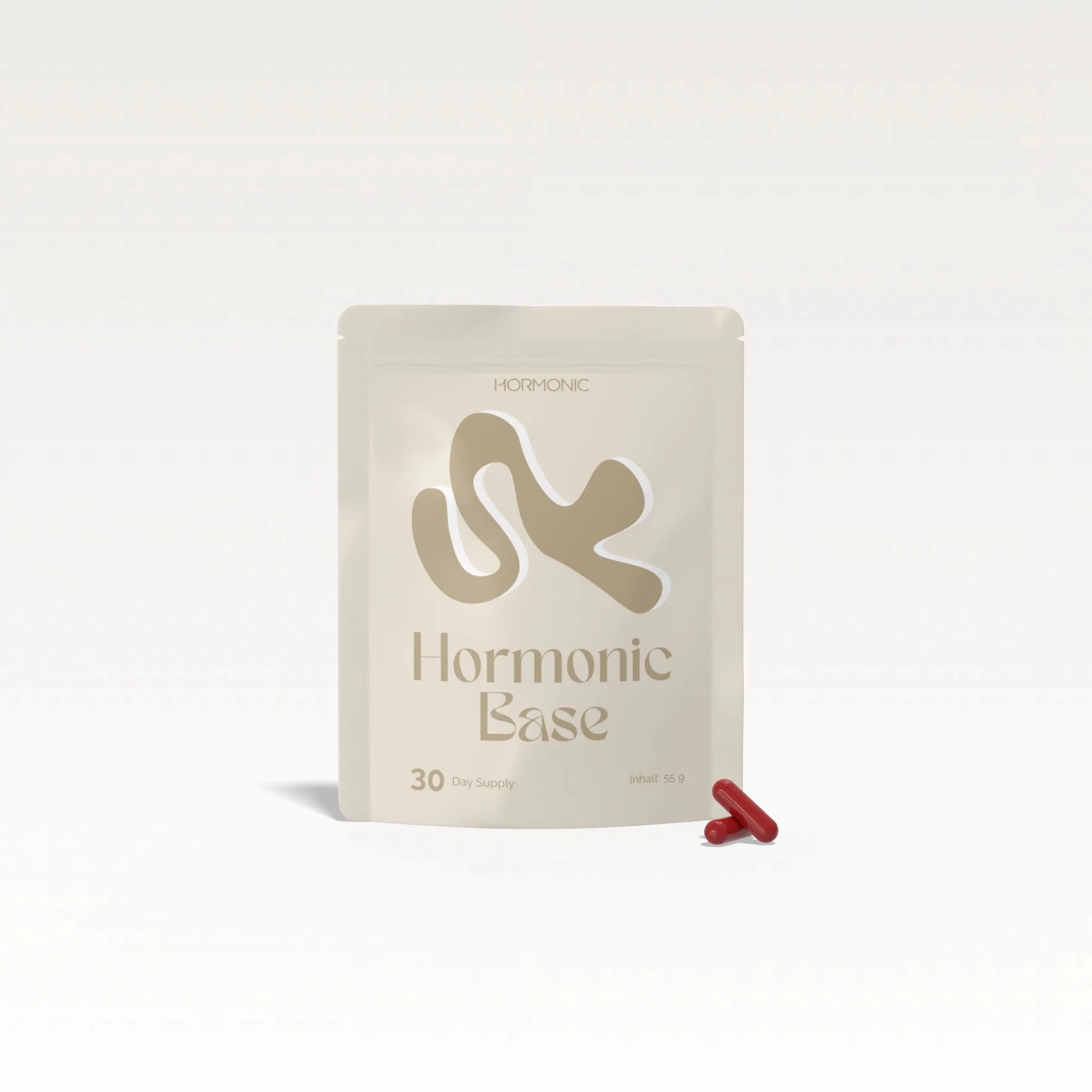
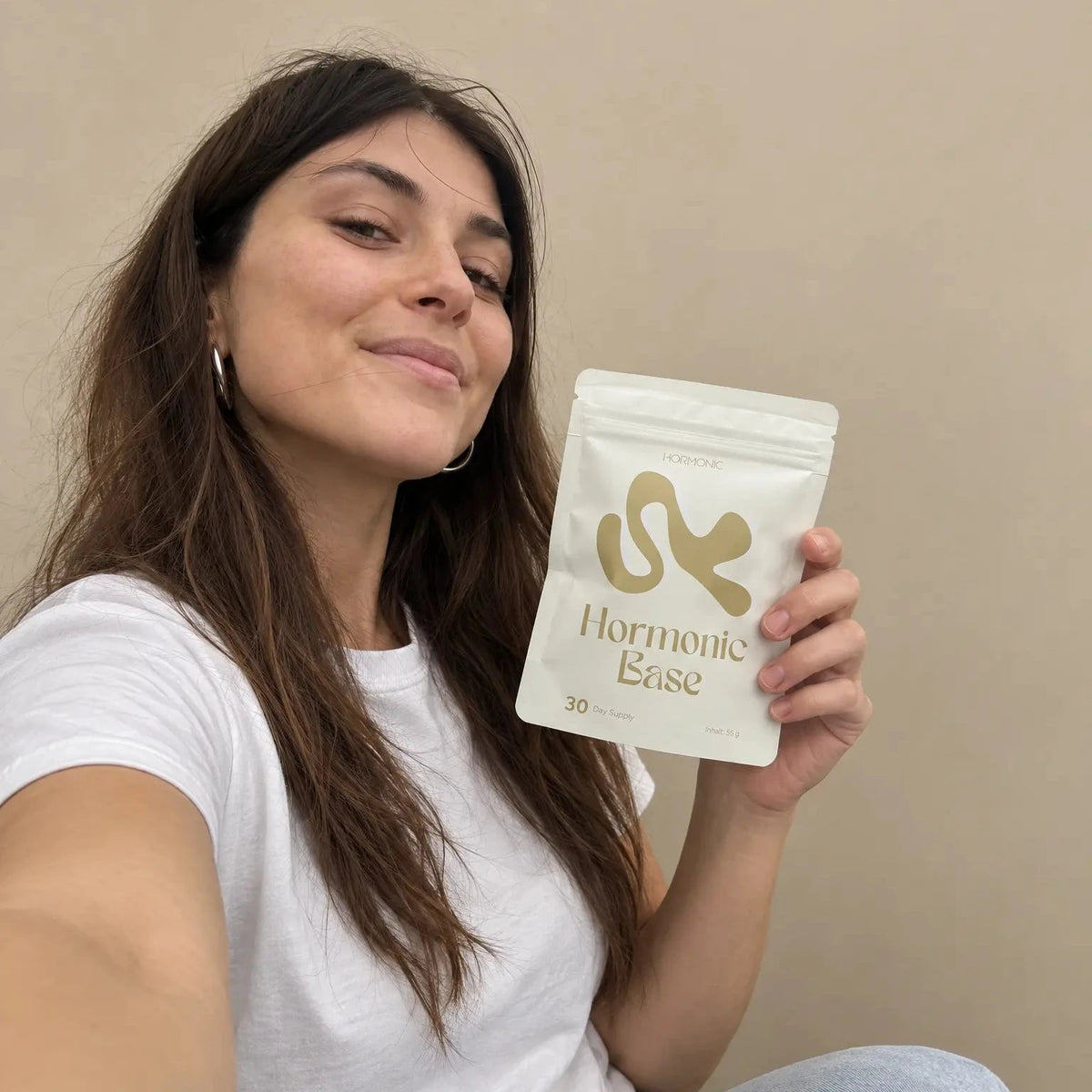
Hormonic Base - Hormonic - Nahrungsergänzungsmittel
Sale price€65,00
(5.0)
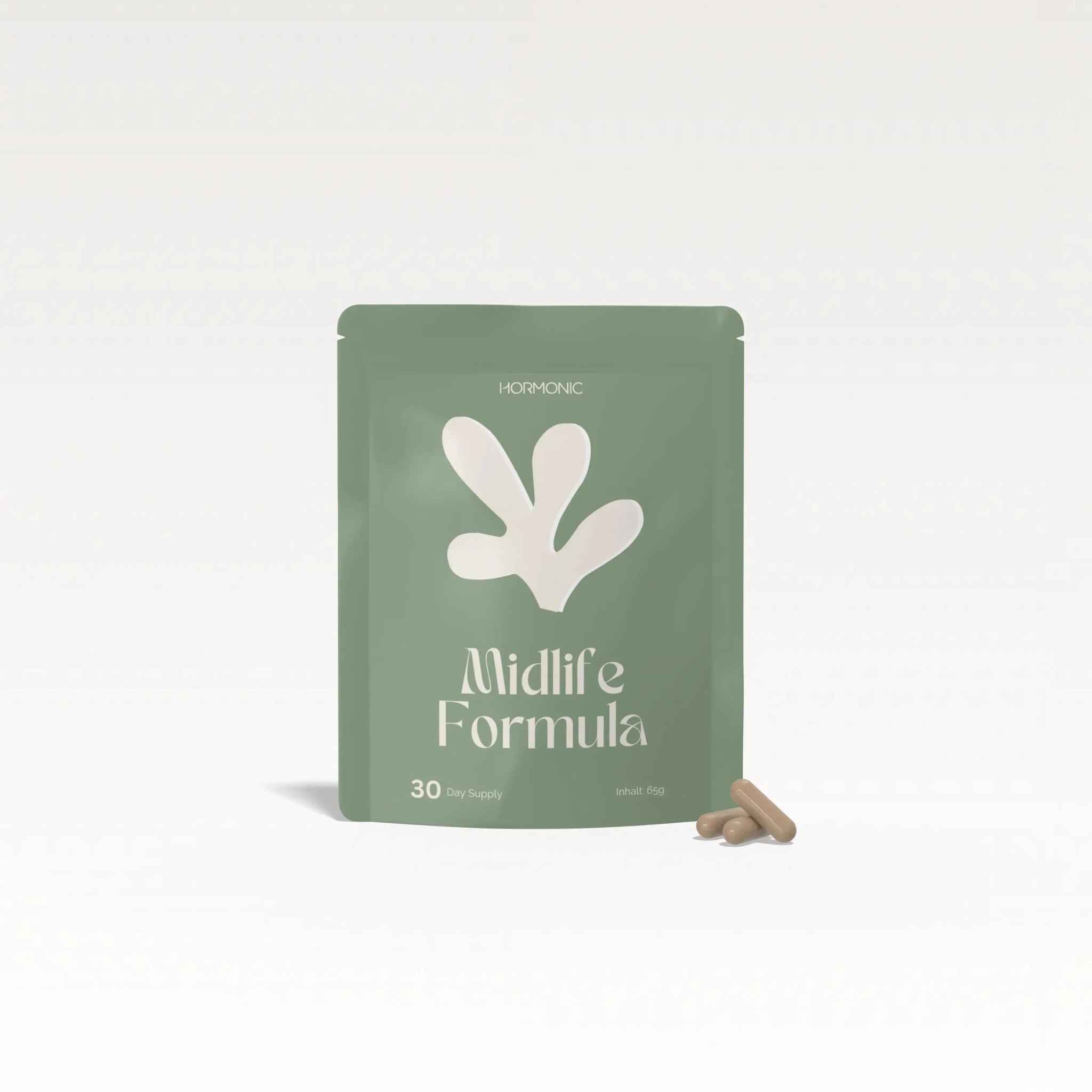
Midlife Formula - Hormonic - Nahrungsergänzungsmittel
Sale price€75,00
(5.0)
Beste Supplements bei Insulinresistenz und Stoffwechsel: Was die Studien zeigen - Hormonic
MikronährstoffeAug 15, 20269 min read

Best Supplements for Insulin Resistance and Metabolism: What the Studies Show

This article is part of: Metabolism, Hormones, and Weight: The Complete Guide for Women

When I reviewed the study evidence for the most popular metabolic supplements, one thing honestly surprised me: out of the many active ingredients marketed as "natural fat burners," exactly one carries an officially approved blood sugar claim. Anyone looking for the best supplements for insulin resistance and a sluggish metabolism will find plenty of grand promises online, but rarely an honest assessment based on evidence. That is exactly what I want to provide you with here. I’m Amelie, Research Fellow, and I have categorized popular active ingredients according to their actual study evidence.

However, one thing needs to be clarified immediately so that it is not misleading. An authorized EFSA health claim is a very strict, complex, and expensive approval process for which someone must submit and finance an extensive scientific dossier. The fact that an active ingredient does not (yet) have a claim is often simply because no one has gone through this process or because the regulatory hurdle is very high; it is not a judgment on its potential. Several of the ingredients presented here, such as alpha-lipoic acid, L-carnitine, curcumin, and cinnamon, have promising study data even without a formal claim.

The result is refreshingly honest. Some of these substances have a surprisingly solid data foundation from current meta-analyses. Others are promising but still preliminary. And a few of the best-known weight-loss ingredients hardly stand up to close scrutiny. These differences are important because only then can you decide what is truly worth it for you.

Which supplements help with insulin resistance and metabolism?

The best evidence for insulin resistance and metabolism exists for chromium, alpha-lipoic acid, L-carnitine, and curcumin. Chromium is the only active ingredient with an EFSA-approved claim: it contributes to the maintenance of normal blood glucose levels and normal macronutrient metabolism. The fact that the other active ingredients do not have their own claim is usually due to the strict, expensive approval process and not to weak evidence: many of them have been studied in trials but legally cannot be presented as treatments for insulin resistance or diabetes. You can read about what insulin resistance actually is and how it develops in detail in our article on insulin resistance in women.

The following table categorizes the most important active ingredients by strength of evidence. This is intentionally focused on the ingredients themselves, not on lifestyle. You can find out which everyday levers lower blood sugar in our overview on lowering blood sugar naturally.

Active ingredient Evidence EFSA Blood Sugar Claim Studied for
Chromium A to B Yes, approved Blood sugar, macronutrient metabolism
Alpha-lipoic acid A to B No Insulin sensitivity, HOMA-IR
L-carnitine A No Weight, fat mass
Curcumin (base) A No HOMA-IR, inflammatory markers
Fenugreek B No Fasting blood sugar (not during pregnancy)
Green coffee B No Fasting blood sugar
Cinnamon B No Fasting blood sugar, insulin, HOMA-IR (watch for coumarin)
Acacia fiber B No Satiety, gut flora, glucose spikes
Magnesium, zinc (base) A to C Metabolism claim (energy or carbohydrates) Energy and carbohydrate metabolism
EGCG (green tea) C No Fat oxidation (under 800 mg per day)
Tryptophan C No Satiety, cravings
Piperine X (alone) No Only bioavailability of other substances

How to read the EFSA claim column: It shows whether an active ingredient has undergone the strict and expensive approval process. A "No" therefore does not mean ineffective; it only means that no formal claim has yet been submitted or approved.
Chromium: the only active ingredient with an approved blood sugar claim

Chromium is the anchor among metabolism-boosting active ingredients, as it is the only one with an approved EFSA claim: chromium contributes to the maintenance of normal blood glucose levels and to normal macronutrient metabolism. This is an officially verified statement, not a marketing promise.

Chromium acts as a co-factor in the insulin signaling pathway: it is involved in the step where insulin docks to the cell and transmits its signal into the cell interior. Simply put, chromium helps insulin do its job better at the cell. A meta-analysis by Asbaghi and colleagues (2020) observed lower fasting glucose and HbA1c levels, as well as an improved HOMA-IR value, a measure of insulin resistance, in people with type 2 diabetes receiving chromium supplementation. The effects are moderate and vary in strength across individual studies, but the direction is consistent. Important: A normal blood sugar level is not the same as a reduction in blood sugar in the case of an illness, and chromium is not a substitute for medical diabetes therapy.

Precisely for this reason, chromium is included in both the Shape Formula and the Hormonic Base; it is the shared active ingredient of both products. You can read more about its effects, dosage, and cravings in our detailed article on Chromium for women.

Alpha-lipoic acid: strong data on insulin sensitivity

Alpha-lipoic acid follows closely behind chromium when it comes to data quality. A meta-analysis by Asbaghi and colleagues (2020) found that alpha-lipoic acid can reduce fasting insulin and HOMA-IR values, with a weighted difference of approximately minus 0.48. The effect on fasting blood glucose and HbA1c was weaker.

Mechanistically, the benefit is easily understandable: alpha-lipoic acid activates the enzyme AMPK, the central energy sensor of the cell, and at the same time has a strong antioxidant effect. Both together can relieve the insulin signal transmission and bring more GLUT4 glucose transporters to the cell surface, so that glucose can more easily enter the cell from the blood. This indirect pathway, less oxidative stress plus activated AMPK, is the most plausible explanation for the improved insulin sensitivity observed in studies. It is often mentioned in connection with diabetic nerve damage, but this is a purely medical application area and not a role that a supplement can claim for itself. For everyday life, the effect on insulin sensitivity is particularly important here, which you can read more about in our article on Alpha-lipoic acid and metabolism.

L-Carnitine: the classic in fat metabolism

L-carnitine has a solid Grade-A basis with several meta-analyses. Talenezhad and colleagues (2020) evaluated 37 controlled studies with over 2,200 participants and found an average moderate reduction in body weight (around minus 1.2 kilograms) and fat mass (around minus 2.1 kilograms), especially in overweight individuals. Another analysis by Wang and colleagues (2023) additionally observed an improved HOMA-IR value.

The indirect pathway is crucial here and mechanistically elegant: L-carnitine is the transport molecule that shepherds long-chain fatty acids through the mitochondrial membrane, precisely where they are burned for energy. If more carnitine is available, fat burning can run more efficiently. Through the reduction in weight and especially visceral belly fat observed in studies, insulin sensitivity can also indirectly improve, because less belly fat usually means better insulin action. Thus, one effect interlocks with the next. Details on the effect can be found in our article on L-carnitine, weight loss and metabolism.

Fenugreek, Cinnamon, and Green Coffee: The Plant-Based Glucose Actives

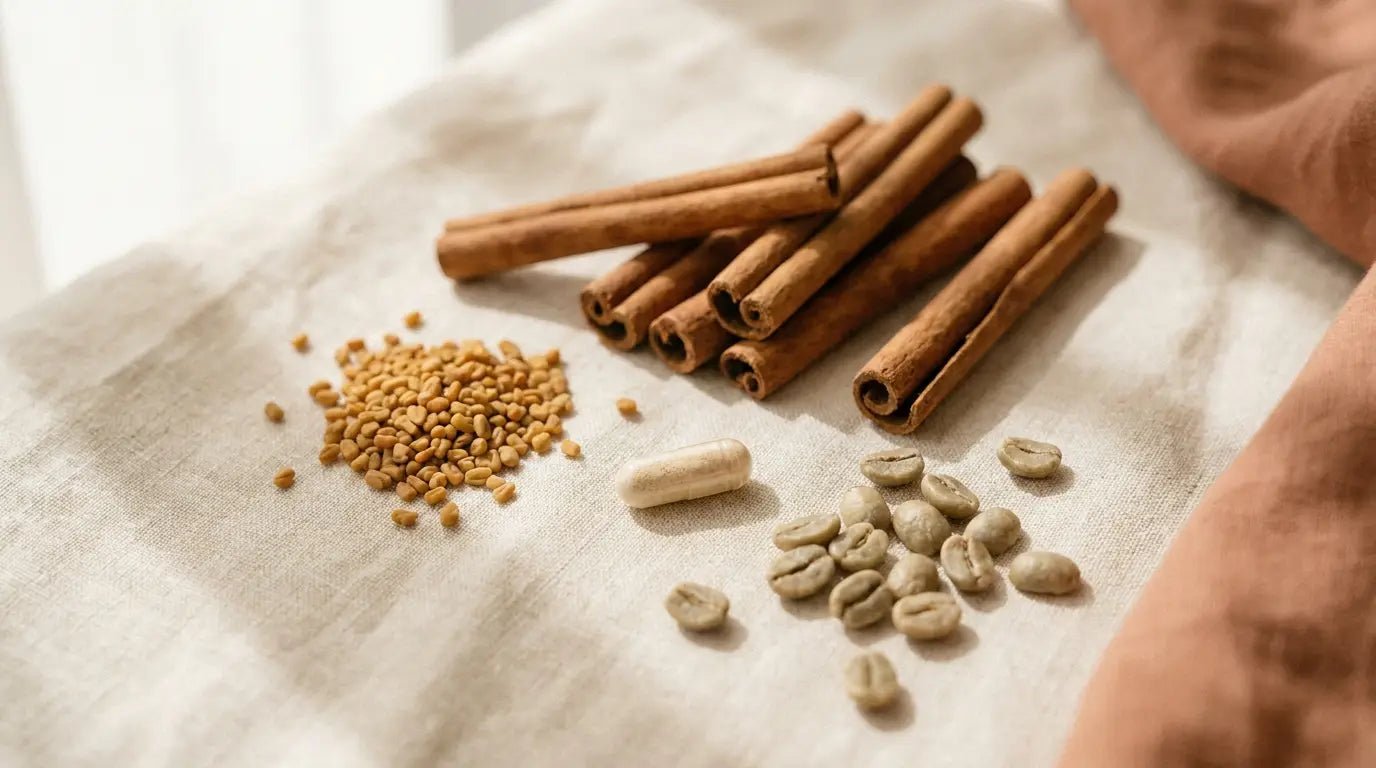
These three botanicals all target the post-meal glucose response and are now all moderately supported by evidence (Grade B). Fenugreek is the best-substantiated. Ansari and colleagues (2024) described lower fasting blood glucose, HbA1c, and postprandial glucose levels in a review. Two interlocking mechanisms underpin this: the soluble fiber galactomannan makes the chyme more viscous, thus slowing down how quickly glucose passes from the intestine into the blood, resulting in a flatter glucose curve after eating. Additionally, the rare amino acid 4-hydroxyisoleucine can specifically support the pancreas's insulin response. Delayed absorption plus finely tuned insulin secretion is the plausible explanation for the observed lower values. An important safety note: Fenugreek is uterine-active and should not be used during pregnancy.

Green coffee provides chlorogenic acid, which can inhibit carbohydrate digestion enzymes in the intestine and thus dampen glucose absorption. Nikpayam and colleagues (2019) found an effect primarily on fasting blood glucose, while insulin and HOMA-IR hardly changed (Grade B). Pay attention to the caffeine content, which can cause palpitations or sleep problems.

Cinnamon has noticeably gained evidence in recent years. A recent umbrella meta-analysis by Zarezadeh, Musazadeh and colleagues (2023), which combines eleven earlier meta-analyses of randomized studies, observed consistently lower values for fasting glucose (on average around minus 11 mg/dl), fasting insulin and the HOMA-IR value, as well as a slightly lower HbA1c, in people with type 2 diabetes or PCOS taking cinnamon, even without significant scatter between the analyses for insulin and HOMA-IR. On this broader basis, we now classify cinnamon higher (Grade B) than the older individual evaluation by Deyno and colleagues (2019) suggested, which still described the data quality as weak. Mechanistically, cinnamon is likely to support insulin sensitivity and slightly slow down glucose absorption in the intestine. One safety point remains important despite the good data: Cassia cinnamon contains coumarin, for which the BfR has set a tolerable daily intake; continuously high intake can be detrimental to the liver. Ceylon cinnamon is significantly lower in coumarin.

Satiety, absorption, and an honest look: acacia fiber, EGCG, tryptophan, and piperine

Acacia fiber is a soluble, slowly fermentable dietary fiber that supports gut flora as a prebiotic and has been associated with increased satiety and a lower glucose peak after eating in studies (Grade B). It is very well tolerated, but can initially cause mild bloating.

EGCG from green tea is often advertised as a fat burner, but the data are rather preliminary. Xu and colleagues (2020) found only a small effect on fasting blood glucose and no effect on insulin, HbA1c, or HOMA-IR across 27 studies (Grade C). More important here is safety: In 2018, EFSA determined that EGCG amounts of 800 milligrams or more per day from food supplements can be detrimental to the liver. The dose should remain well below this.

Tryptophan is the precursor to serotonin and is being investigated in connection with satiety and carbohydrate cravings. The mechanism is plausible, but the clinical data on weight and cravings are weak and inconsistent (Grade C). Caution is advised if you are already taking serotonergic medications.

Piperine from black pepper deserves the most honest look. As a standalone metabolic active ingredient, it has no robust human evidence (Grade X). Its only well-documented benefit: it increases the bioavailability of other botanicals. Shoba and colleagues (1998) showed that 20 milligrams of piperine can increase the absorption of curcumin many times over. In a formula, piperine is thus an enhancer, not a fat burner. Because it inhibits the enzymes CYP3A4 and P-glycoprotein, it can also increase drug levels, which you should consider if you are on long-term medication.

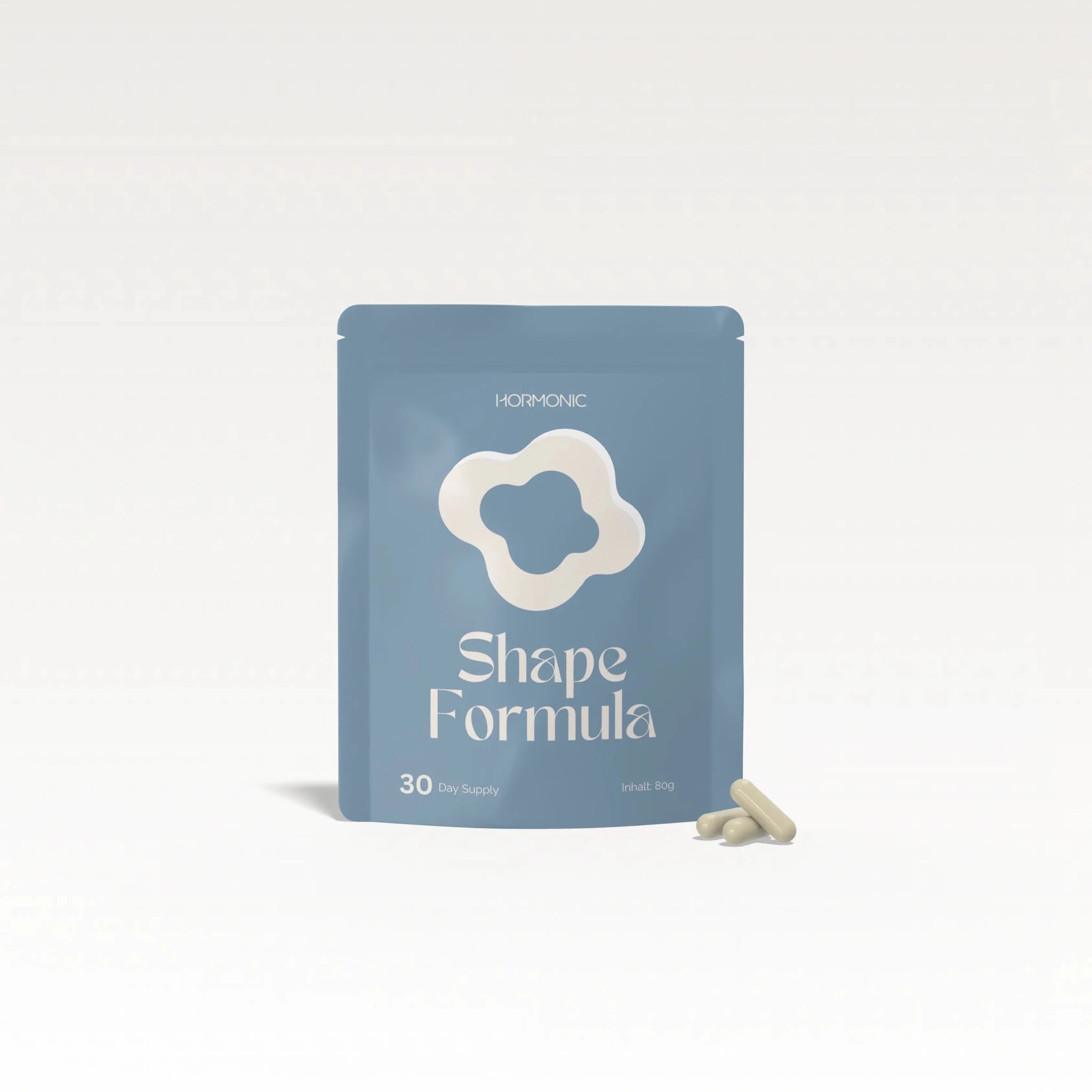
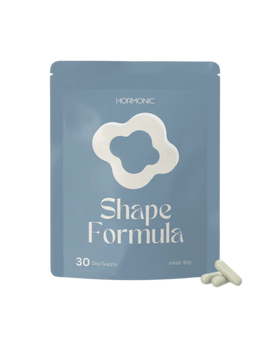
Shape Formula: Ten Active Ingredients for Your Metabolism

The Shape Formula combines chromium, which, according to the EFSA, contributes to normal blood sugar levels, with 9 other active ingredients studied in various trials, such as alpha-lipoic acid, L-carnitine, and fenugreek. This way, you get metabolically relevant substances in a perfectly coordinated formula.
Start now

What Hormonic Base contributes to metabolism

Hormonic Base is the micronutrient foundation upon which the Shape Formula is built. Several of its active ingredients are relevant to metabolism, each with varying degrees of evidence and clear legal limitations.

Magnesium in the Base is a complex of bisglycinate, malate, and citrate, meaning three highly absorbable organic forms. According to the EFSA, it contributes to normal energy metabolism. Mechanistically, it is also interesting that magnesium is a cofactor of the insulin signaling cascade: the enzymes that transmit the insulin signal in the cell need magnesium to function at all. Corroborating this, an analysis by Veronese and colleagues (2022) observed better values for fasting glucose and HOMA-IR with supplementation for more than four months. However, the evidence specifically for insulin sensitivity is still limited (Grade C), and the EFSA claim explicitly refers only to energy metabolism.

According to the EFSA, zinc contributes to normal carbohydrate and fatty acid metabolism. A meta-analysis by Wang and colleagues (2019) found consistently better glycemic values with zinc supplementation (Grade A). However, this cannot be marketed as blood sugar reduction; the approved claim refers to normal metabolism, not a disease.

Curcumin is one of the best-documented herbal active ingredients, and its mechanism is particularly convincing. Insulin resistance is almost always accompanied by silent, low-grade inflammation: inflammatory messengers such as TNF-alpha and elevated CRP directly disrupt insulin signal transmission in the cell. Curcumin dampens precisely these inflammatory signals, and this indirect pathway explains why meta-analyses consistently observe lower CRP values and improved HOMA-IR values with curcumin (Grade A). Less inflammation, better insulin signaling – this is the plausible chain. The fact that curcumin, despite these strong data, does not have an approved EFSA claim is due to the complex approval process and not to weak evidence. Legally, therefore, only its role as studied in trials may be described. This is where the circle closes with piperine, which significantly improves the absorption of curcumin.

Vitamin D, coenzyme Q10, and NAC complete the picture. For vitamin D, observations of better glycemia in type 2 diabetes exist (Chen and colleagues, 2024), but it does not carry a blood sugar claim. Coenzyme Q10 has a well-established data basis for glucose and HOMA-IR values (Zhang and colleagues, 2022), also without a claim, which is why the strictest caution applies here. NAC has primarily been studied for insulin sensitivity in PCOS (Grade B). Finally, vitamin B6 contributes to normal energy metabolism.

How to sensibly combine active ingredients

The individual active ingredients target different areas: chromium and alpha-lipoic acid at the insulin signal, L-carnitine at fat metabolism, fiber like acacia fiber and fenugreek at satiety and glucose response. This is precisely why a combination makes sense, and why there are combined formulas instead of individual capsules.

The Hormonic Base forms the foundation; the Shape Formula specifically supplements the metabolically active plant compounds. Because chromium is contained in both products, it is worthwhile to keep an eye on the total amount and not to stack indiscriminately. Combinations like piperine plus curcumin are useful because one improves the absorption of the other. And the most important point remains: no supplement replaces the foundation of a balanced diet, sufficient protein, sleep, and, above all, strength training. How you can support your metabolism in everyday life can be found in our article on naturally boosting your metabolism.

What is not proven for metabolism supplements

Despite all justified enthusiasm, an honest look at the legal limits is worthwhile. Only chromium may carry a blood sugar-related claim. However, this is a regulatory question and not a judgment of quality: active ingredients such as cinnamon, alpha-lipoic acid, or fenugreek do indeed have very promising study data, they just have not (yet) gone through the strict, expensive approval process. Legally, this means that they may never be presented as a means that lowers blood sugar or treats insulin resistance or diabetes; they have been studied in trials, and the legal situation says no more.

Piperine is not an independent fat burner; that is the most common marketing myth in this category. Green tea extract (EGCG) and tryptophan are only weakly evidenced with Grade C, not a quick solution. And even for cinnamon, which is now better evidenced, the following applies: it may not be presented as a blood sugar-lowering agent, and for Cassia cinnamon, the coumarin warning remains important. Anyone expecting a medicinal effect like with a weight loss injection will be disappointed. What actual alternatives to GLP-1 medications exist and where their limitations lie, we have classified in our article on natural Ozempic alternatives.

When you should have your metabolism checked by a doctor

Persistent fatigue after eating, stubborn cravings, weight gain around the abdomen despite unchanged diet, or abnormal fasting blood sugar are reasons to have it checked by a doctor. Values such as fasting insulin, HOMA-IR, and HbA1c provide information about possible insulin resistance and belong in a doctor's hands.

Special caution applies if you are already taking medication. Alpha-lipoic acid and fenugreek can potentiate blood sugar-lowering agents, piperine can increase drug levels, and fenugreek should not be taken during pregnancy. If you are unsure what suits you, you can bring your questions to a free 15-minute intro call with our wellness team, completely without obligation.

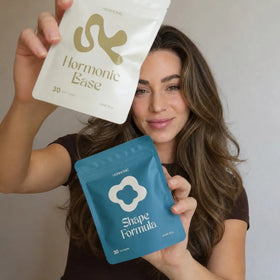
The Power Duo for Hormones & Metabolism

Hormonic Base provides the 16 essential active ingredients the body needs daily for central processes and hormonal issues. These include B vitamins, magnesium, zinc, and coenzyme Q10. Shape supplements targeted plant compounds for metabolism & blood sugar.

Secure your price advantage

Conclusion

If you honestly sort metabolic supplements by evidence, a clear picture emerges: Chromium is the anchor because it is the only one with an approved blood sugar claim, but this claim is primarily a matter of the extensive approval process and not a sole seal of quality. Right next to it are alpha-lipoic acid, L-carnitine, and curcumin with solid study evidence, followed by moderately supported botanicals such as fenugreek, green coffee, cinnamon, and acacia fiber, with cinnamon gaining ground through a recent umbrella meta-analysis. Green tea extract (EGCG), tryptophan, and piperine are less well-supported, and piperine alone is ineffective, acting only as an enhancer.

For you, this means: sensibly combined active ingredients can supplement your metabolism, but they are no substitute for a good diet, exercise, and strength training, and certainly not for medical treatment. It is precisely within this framework, as honest, targeted supplements, that the Shape Formula and Hormonic Base are intended.

Frequent Questions about Supplements for Insulin Resistance

Which supplements help with insulin resistance?

Chromium, alpha-lipoic acid, L-carnitine, and curcumin have the best research evidence for insulin resistance. Chromium is the only active ingredient with an approved EFSA claim for normal blood glucose levels; such a claim is an elaborate approval process and not a judgment of quality. The others have some promising data from meta-analyses but cannot legally be presented as a treatment. Herbal active ingredients such as fenugreek, green coffee, and cinnamon are moderately proven (cinnamon by a current umbrella meta-analysis from 2023), green tea extract (EGCG) is more preliminary.

Does chromium help with blood sugar?

According to the EFSA, chromium contributes to normal blood sugar levels and normal macronutrient metabolism, making it the only officially approved blood sugar claim among metabolic active ingredients. In a meta-analysis by Asbaghi and colleagues (2020), fasting glucose, HbA1c, and HOMA-IR values were improved in people with type 2 diabetes when chromium was administered. The effects are moderate, but the direction is consistent.

What does alpha-lipoic acid do?
Alpha-lipoic acid is an antioxidant that has been studied primarily in connection with insulin sensitivity. A meta-analysis by Asbaghi and colleagues (2020) found that it can lower fasting insulin and the HOMA-IR value, while the effect on fasting blood sugar was weaker. It is not a substitute for medical treatment of insulin resistance or diabetes.
Can you combine several supplements?
Yes, many metabolic active ingredients target different areas and can be sensibly combined, which is precisely why combined formulas exist. It is important to keep an eye on the total amount of shared active ingredients like chromium and to consult a doctor beforehand if you are taking medication or are pregnant. Food supplements do not replace a balanced diet and exercise.

Scientific Sources

  • Asbaghi O et al. (2020). The effects of chromium supplementation on glycemic control in adults. Pharmacological Research. doi:10.1016/j.phrs.2020.105098
  • Zhao F et al. (2022). Effect of chromium supplementation on glucose and lipid metabolism. Biological Trace Element Research. doi:10.1007/s12011-021-02693-3
  • Asbaghi O et al. (2020). Effects of alpha-lipoic acid on glycemic control and insulin resistance. Nutrition. doi:10.1016/j.nut.2020.111041
  • Talenezhad N et al. (2020). Effects of L-carnitine supplementation on weight loss and body composition. Clinical Nutrition ESPEN. doi:10.1016/j.clnesp.2020.03.008
  • Wang J et al. (2023). L-carnitine supplementation and insulin resistance. Food & Function. doi:10.1039/d2fo02930h
  • Effects of curcumin on glycemic control and insulin resistance (2023). PLOS ONE. doi:10.1371/journal.pone.0288997
  • Gorabi AM et al. (2022). Effect of curcumin on C-reactive protein. Phytotherapy Research. doi:10.1002/ptr.7284
  • Ansari P et al. (2024). Fenugreek and glycemic control. Annals of Medicine and Surgery. doi:10.1097/ms9.0000000000001750
  • Nikpayam O et al. (2019). Green coffee extract and metabolic parameters. Diabetology & Metabolic Syndrome. doi:10.1186/s13098-019-0489-8
  • Xu R et al. (2020). Effect of green tea catechins on glucose metabolism. Nutrition & Metabolism. doi:10.1186/s12986-020-00469-5
  • EFSA (2018). Scientific opinion on the safety of green tea catechins. EFSA Journal. doi:10.2903/j.efsa.2018.5239
  • Gum arabic, satiety and glycemic response (2021). Nutrients. doi:10.3390/nu13020618
  • Deyno S et al. (2019). Efficacy and safety of cinnamon on blood glucose. Diabetes Research and Clinical Practice. doi:10.1016/j.diabres.2019.107815
  • Zarezadeh M, Musazadeh V et al. (2023). The effect of cinnamon supplementation on glycemic control in patients with type 2 diabetes or with polycystic ovary syndrome: an umbrella meta-analysis on interventional meta-analyses. Diabetology & Metabolic Syndrome. doi:10.1186/s13098-023-01057-2
  • Wang X et al. (2019). Zinc supplementation and glycemic control. American Journal of Clinical Nutrition. doi:10.1093/ajcn/nqz041
  • Veronese N et al. (2022). Magnesium and insulin resistance. British Journal of Nutrition. doi:10.1017/S0007114521005201
  • Chen C et al. (2024). Vitamin D and glycemic control in type 2 diabetes. Diabetes, Obesity and Metabolism. doi:10.1111/dom.15941
  • Zhang X et al. (2022). Coenzyme Q10 and glycemic parameters. eClinicalMedicine. doi:10.1016/j.eclinm.2022.101602
  • Liu Y et al. (2023). N-acetylcysteine in women with PCOS. Frontiers in Nutrition. doi:10.3389/fnut.2023.1209614
  • Shoba G et al. (1998). Influence of piperine on the pharmacokinetics of curcumin. Planta Medica. doi:10.1055/s-2006-957450

About the Author

Amelie Weiss

Amelie Weiss

Research Fellow, PhD · Hormonic

Amelie Weiss is a Research Fellow at Hormonic and conducts scientific research on hormonal health, micronutrients, and evidence-based women's health.

Note: This article is based on current guidelines and scientific work (as of 2026). It is for informational purposes only and does not replace medical advice, diagnosis, or treatment.

Share

You might also be interested in this.

Wie Du deinen Stoffwechsel ankurbelst - Hormonic
StoffwechselJun 4, 20267 min read
Boost metabolism: What really helps women

Boost metabolism: We separate myth from evidence and show which levers really count for women, from protein and muscles to thyroid, insulin, and the menstrual cycle.
Blutzucker natürlich senken: Was wirklich hilft - Hormonic
ErnährungAug 11, 20268 min read
Lowering Blood Sugar Naturally: What Really Works

Naturally Lower Blood Sugar: The four most important levers from diet, exercise, sleep, and nutrients, honestly assessed according to scientific studies.

Stoffwechsel, Hormone und Gewicht: Der komplette Guide für Frauen - Hormonic
StoffwechselJun 15, 202611 min read
Metabolism, Hormones, and Weight: The Complete Guide for Women

Metabolism and hormones are closely linked in women. What studies say really helps with insulin resistance, weight, and during menopause.