
Cart

Your cart is empty

Continue shopping

Trending searches

Featured products

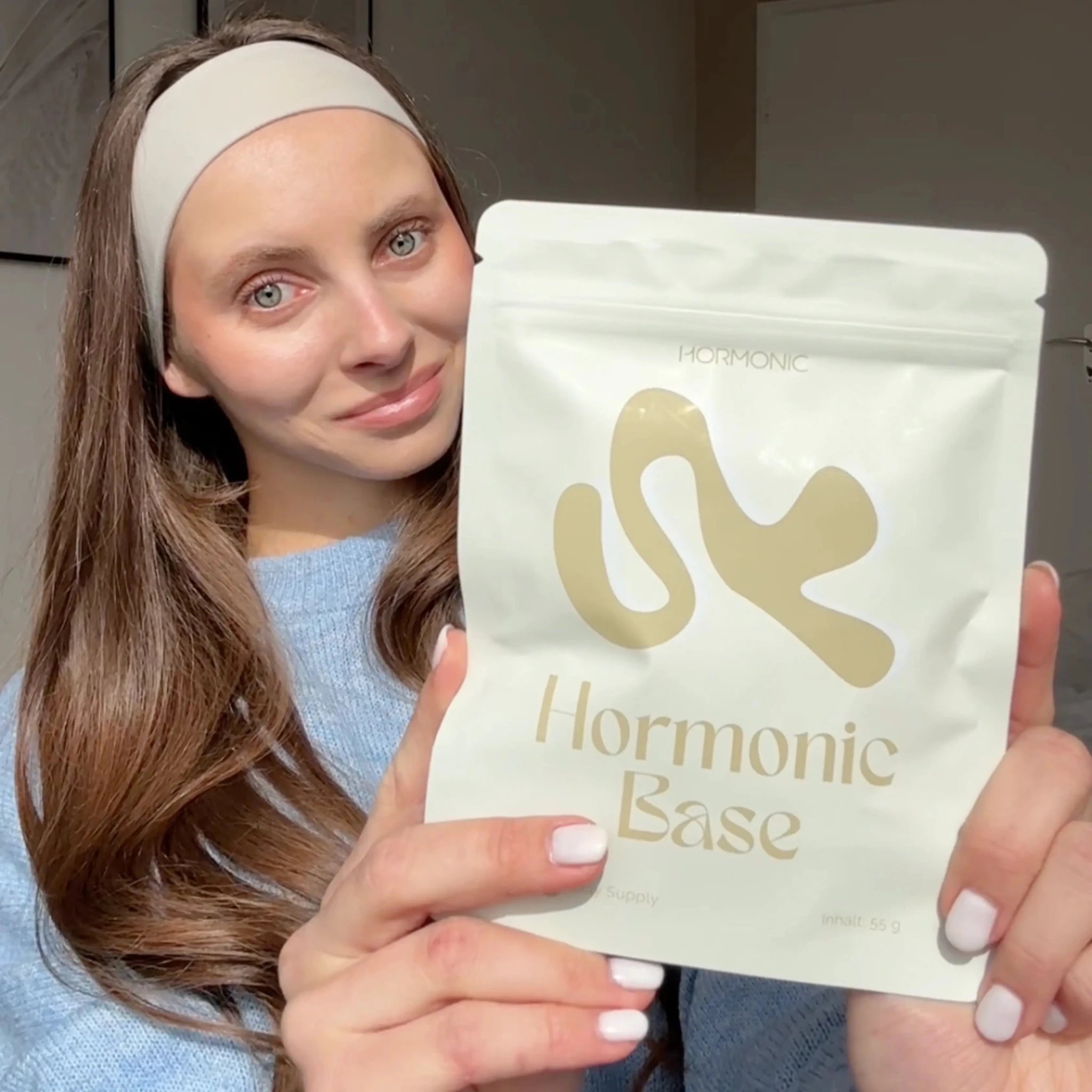
Hormonic Base - Hormonic - Nahrungsergänzungsmittel
Sale price€65,00
(5.0)
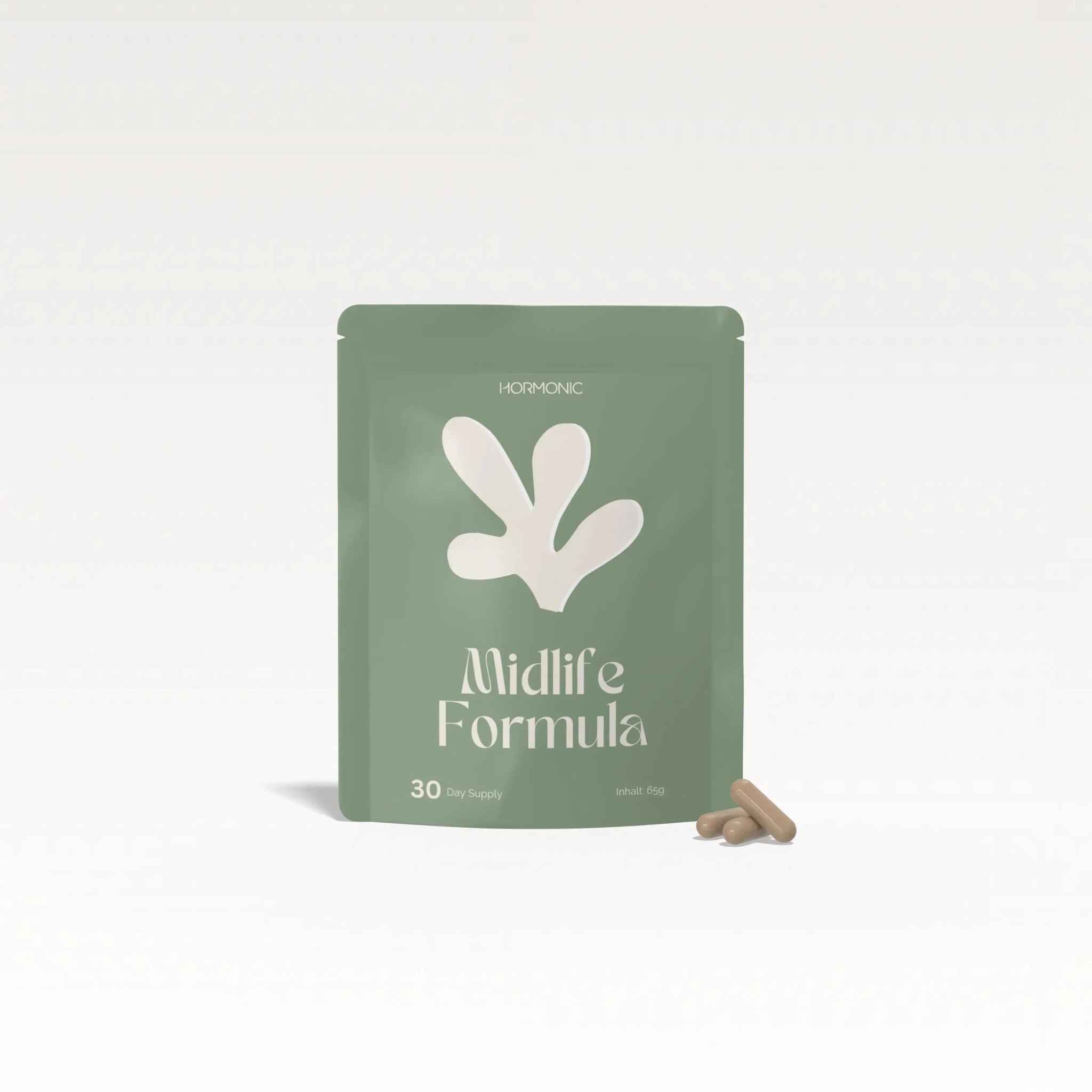
Midlife Formula - Hormonic - Nahrungsergänzungsmittel
Sale price€75,00
(5.0)
Bindegewebe stärken: was gegen Cellulite wirklich hilft - Hormonic
StoffwechselJul 28, 20267 min read

Strengthening connective tissue: what really helps against cellulite

This article is part of: Metabolism, Hormones, and Weight: The Complete Guide for Women

Hardly any topic is so loaded with guilt as cellulite, yet it is simply female normality. When I looked at the studies, the most important finding was almost a relief: it's not due to a lack of discipline, but to the way female connective tissue is structured.

In this article, I honestly explain what is behind cellulite, what strengthens connective tissue, what really helps according to research, and what you can confidently keep your money away from.

Can you really get rid of cellulite?

Honestly: you can't get rid of it completely, and that's not bad news, but biology. A comprehensive scientific overview concluded that no single method shows truly convincing effectiveness. What is realistically possible is to improve the skin's appearance: a healthy body fat percentage and strength training that builds muscle and tightens the skin are best supported. In addition, there are initial studies on collagen peptides. Creams, wraps, and detox cures, on the other hand, belong in the realm of promises.

Approach What the studies show
Strength Training Improves skin elasticity and dermal thickness, visually tightens.
Healthy body fat percentage Can reduce visibility but does not remove cellulite.
Collagen peptides One RCT: slight improvement, manufacturer-related, especially for normal weight.
Creams, detox, wraps No convincing evidence, effects at best short-lived.

What cellulite really is

Cellulite occurs when fat lobules from the subcutaneous tissue press against the overlying connective tissue, making the skin appear dimpled. The female anatomy is key: The connective tissue fibers that connect the skin and deeper layers run predominantly vertically in women. In men, they form a crisscrossed network that holds the fat back. This is precisely why cellulite is normal in 80 to 90 percent of women and rare in men (Luebberding et al., 2015; Khan et al., 2010).

Important and reassuring: Cellulite is not a disease and not a sign of being overweight. Even slender and very athletic women have it; a higher body fat percentage only makes it more visible. So it's not a discipline problem, but lived female biology.

Connective tissue, hormones, and age

Connective tissue consists primarily of collagen and elastin, which give the skin firmness and elasticity. With age and declining estrogen during menopause, the skin's collagen content decreases, and the structure becomes looser. Hormones, especially estrogen, thus influence how pronounced cellulite is. You can read about how the skin changes during this phase in our article on Skin in Menopause.

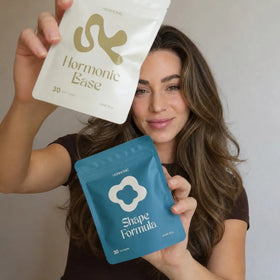
Shape Formula: Supporting Metabolism and Body

No remedy for cellulite, but metabolism support: The Shape Formula combines L-carnitine, green tea extract, and chromium, which according to EFSA contributes to normal blood glucose levels, as a companion to strength training and good nutrition. Doctor-developed, produced in Austria.
Learn more

What studies show really helps

First, an honest assessment: A large scientific review found no truly convincing efficacy for any cellulite method (Luebberding et al., 2015). There is no miracle cure. What realistically helps is not to make it disappear, but to achieve a firmer skin appearance.

  • Strength training and muscle building: In one study with women, strength training improved skin elasticity and increased dermis thickness (Nishikori et al., 2023). Firmer muscles under the skin visibly smooth the appearance, which is the best-documented lever.
  • Healthy body fat percentage: Reducing excess fat can reduce visibility. It won't make cellulite disappear completely, as even slim women have it.
  • Collagen peptides, with moderation: In a randomized study, special collagen peptides (2.5 grams daily over six months) improved skin appearance and skin density, especially in normal-weight women (Schunck et al., 2015). To be fair: The study was industry-funded, the effect moderate, and it is currently a single study.

Massages, creams with caffeine or retinol, and apparatus-based procedures show at best small, temporary effects. More important than any single remedy is the combination of exercise, muscle building, and a balanced diet.

What you can save yourself

Detox teas, anti-cellulite creams with miracle promises, and firming wraps do not deliver what they promise. Cellulite has nothing to do with toxins, and no infusion or cream will remove it. Such products primarily cost money and a bad conscience.

If you want to holistically support your metabolism and body composition, our Shape Formulacan be a building block: It combines well-researched metabolic active ingredients such as L-carnitine, green tea extract, and chromium, which, according to EFSA, contributes to normal blood sugar levels. It is not a remedy for cellulite, but a support for an active everyday life with strength training and good nutrition. How training affects hormones and the body can be read under Strength Training for Women.

Holistically Support Hormones & Metabolism

For daily basic supply plus targeted metabolic support: The Shape Bundle combines Hormonic Base with 16 essential active ingredients like zinc, vitamins D, K and magnesium, with Shape Formula for metabolic issues in one product.

secure Power-Duo

Conclusion

Cellulite is a female normality, not a flaw and not a lack of discipline: 80 to 90 percent of all women have it because female connective tissue is built that way. No remedy removes it, but the appearance of the skin can realistically be improved, especially through strength training, a healthy body fat percentage, and, in moderation, collagen peptides. You can safely skip creams, teas, and wraps. The most beautiful thing anyway is a change of perspective: away from seeing it as a flaw, towards a strong, well-nourished body.

Frequently Asked Questions about Cellulite and Connective Tissue

Can you really get rid of cellulite?

Cellulite cannot be completely eliminated; it's biology, not a failure. A large scientific review found no compelling evidence of efficacy for any method. What is realistic is to improve skin appearance, mainly through strength training and a healthy body fat percentage.

Does strength training help with cellulite?

Yes, strength training is the most proven lever. In one study, it improved skin elasticity and dermal thickness in women. Muscles under the skin visually smooth the appearance. It's not a miracle cure, but it's the most sensible and healthiest measure.

Bringen Kollagen-Präparate etwas gegen Cellulite?
Eine randomisierte Studie fand, dass spezielle Kollagenpeptide (2,5 Gramm täglich über sechs Monate) das Hautbild und die Hautdichte leicht verbesserten, vor allem bei normalgewichtigen Frauen. Ehrlich dazu: Die Studie war herstellernah, der Effekt moderat und es ist bisher eine einzelne Studie. Ein Versuch kann sich lohnen, ein Wunder sollte man nicht erwarten.
Helfen Cremes und Detox gegen Cellulite?
Nein. Für Anti-Cellulite-Cremes, Detox-Tees und straffende Wickel gibt es keinen überzeugenden Wirknachweis. Cellulite hat nichts mit Giftstoffen zu tun, und kein Produkt entfernt sie. Dein Geld ist in gutem Essen, Bewegung und Krafttraining besser angelegt.

Scientific Sources

  • Luebberding, S., Krueger, N. & Sadick, N. S. (2015). Cellulite: an evidence-based review. American Journal of Clinical Dermatology, 16(4), 243-256. doi:10.1007/s40257-015-0129-5
  • Khan, M. H. et al. (2010). Treatment of cellulite: Part I. Pathophysiology. Journal of the American Academy of Dermatology, 62(3), 361-370.
  • Schunck, M. et al. (2015). Dietary supplementation with specific collagen peptides has a body mass index-dependent beneficial effect on cellulite morphology. Journal of Medicinal Food, 18(12), 1340-1348. doi:10.1089/jmf.2015.0022
  • Proksch, E. et al. (2014). Oral supplementation of specific collagen peptides has beneficial effects on human skin physiology: a double-blind, placebo-controlled study. Skin Pharmacology and Physiology, 27(1), 47-55.
  • Nishikori, S. et al. (2023). Resistance training rejuvenates aging skin by reducing circulating inflammatory factors and enhancing dermal extracellular matrices. Scientific Reports, 13, 10214. doi:10.1038/s41598-023-37207-9
  • Rawlings, A. V. (2006). Cellulite and its treatment. International Journal of Cosmetic Science, 28(3), 175-190.

About the Author

Amelie Weiss

Amelie Weiss

Research Fellow, PhD · Hormonic

Amelie Weiss is a Research Fellow at Hormonic and conducts scientific research on hormonal health, micronutrients, and evidence-based women's health.

Note: This article is based on current guidelines and scientific work (as of 2026). It is for informational purposes only and does not replace medical advice, diagnosis, or treatment.

Share

You might also be interested in this.
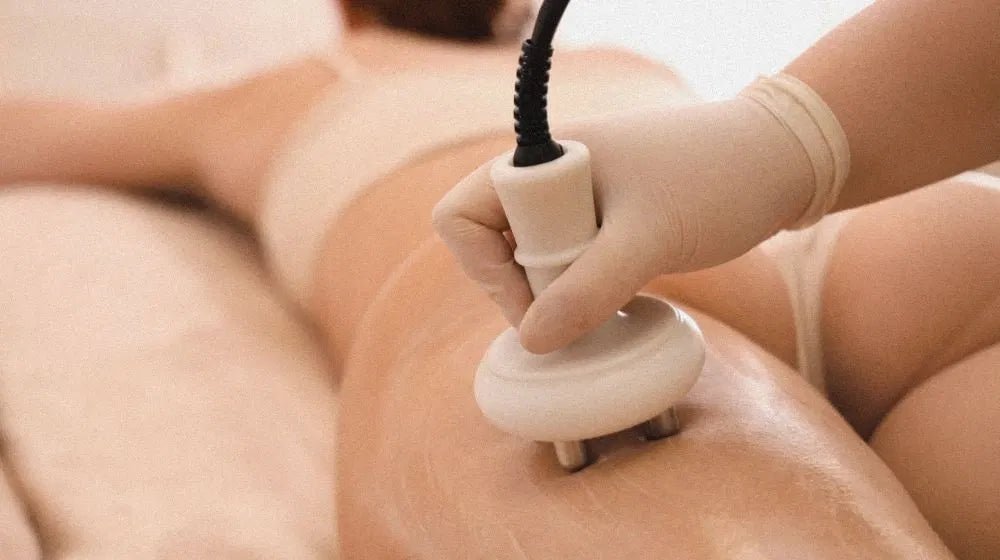
Cellulite loswerden: Was hilft wirklich, und was ist nur Hype? - Hormonic
StoffwechselMay 9, 20259 min read
Getting rid of cellulite: What really works, and what's just hype?

Cellulite affects almost all women, regardless of weight, and cannot be creamed away. Learn how hormones influence it and what studies show really helps against orange-peel skin.

Krafttraining für Frauen: Wie es Hormone, Stoffwechsel und Knochen stärkt - Hormonic
FitnessJun 18, 20268 min read
Strength Training for Women: How it Boosts Hormones, Metabolism, and Bones

Strength training profoundly impacts women's insulin, bone density, and muscle mass. An honest assessment of what the evidence truly shows across different life stages.
Haut in den Wechseljahren: Warum sie sich verändert und was hilft - Hormonic
WechseljahreJul 19, 20267 min read
Skin in Menopause: Why it Changes and What Helps

During menopause, the skin becomes drier, thinner, and loses elasticity. Why declining estrogen levels lead to collagen loss and what truly helps your skin from the inside and out.