


Cart

Your cart is empty

Continue shopping

Trending searches

Featured products

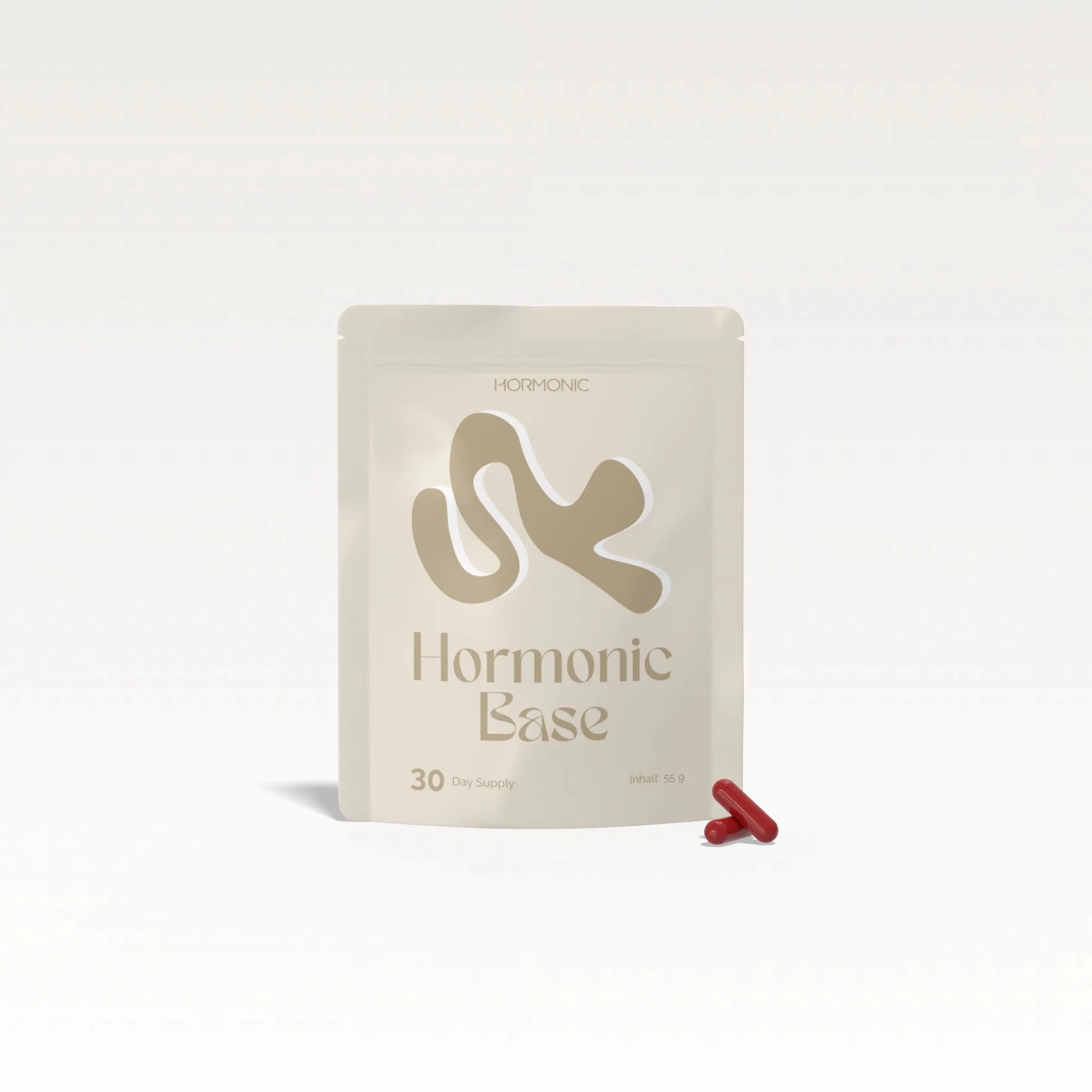
Hormonic Base - Hormonic - Nahrungsergänzungsmittel
Sale price€65,00
(5.0)
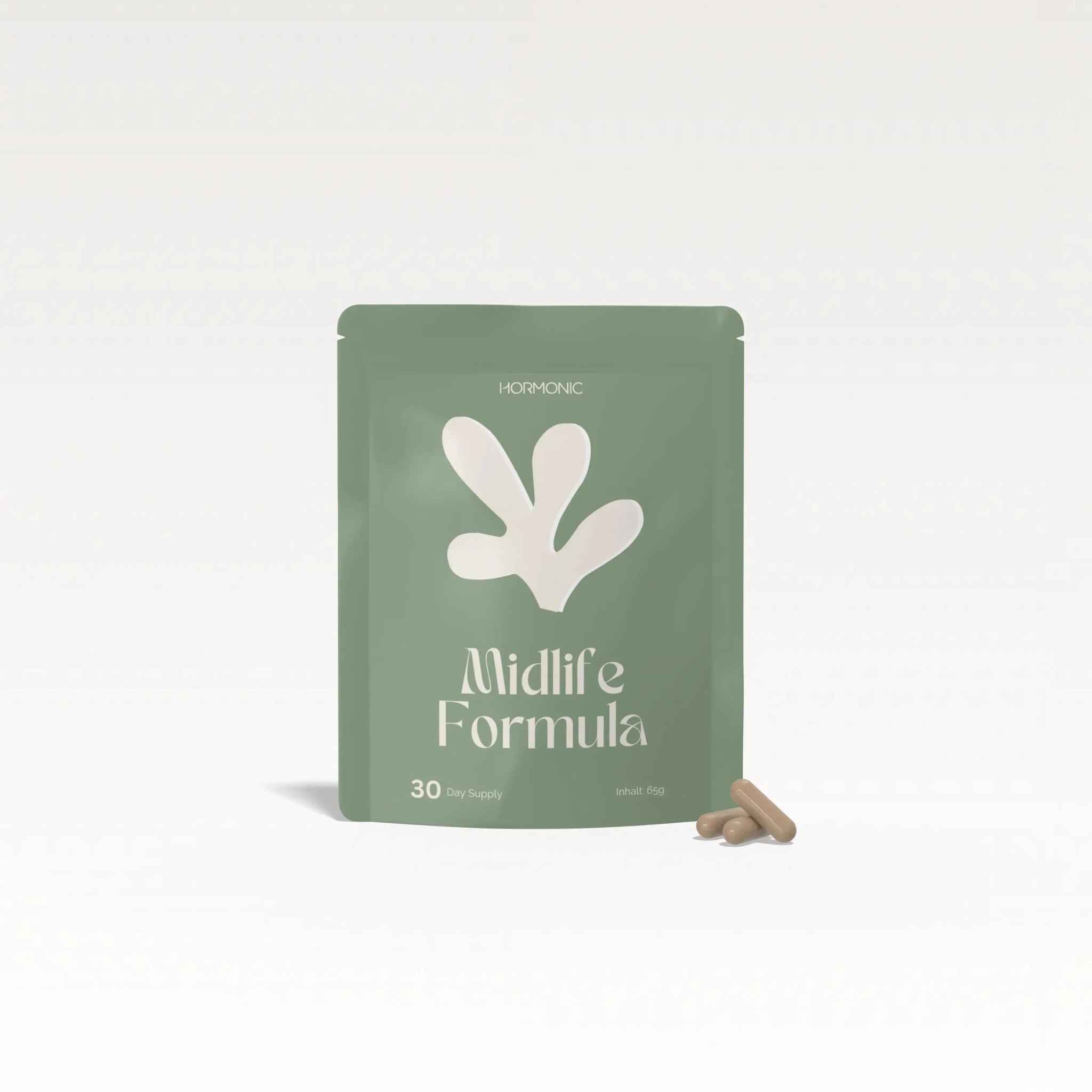
Midlife Formula - Hormonic - Nahrungsergänzungsmittel
Sale price€75,00
(5.0)
Haarausfall unter Ozempic: Ursachen und was Frauen hilft - Hormonic
Haut & HaareJul 10, 20268 min read

Hair Loss on Ozempic: Causes and What Helps Women

Dieser Artikel ist Teil von: Female Hair Loss: Causes, Phases, and What Really Helps

More and more women are experiencing hair loss while on Ozempic and other weight loss injections. This article explains why GLP-1 can trigger hair loss, how long it lasts, what studies really show, and what helps with regeneration.

The most important things in brief

  • GLP-1-induced hair loss is considered telogen effluvium, a temporary, reversible form of hair loss.
  • The trigger is not the medication itself, but rather rapid weight loss and frequently associated nutritional deficiencies.
  • It usually begins two to four months after the most intense weight loss phase and then regrows.
  • In studies, hair loss was primarily a women's issue, affecting 7.1 percent of women taking Tirzepatide.
  • Zinc and selenium contribute to the maintenance of normal hair, while biotin only helps in cases of true deficiency.

In my practice, this concern comes up almost weekly now: women are happy about the weight loss with the injection, but alarmed because clumps of hair are suddenly found in their brush. Almost always, the same anxious question follows: Will this stay like this now? The good news first, and then the honest assessment: In most cases, this hair loss is temporary.

GLP-1 medications such as semaglutide (Ozempic, Wegovy) and tirzepatide (Mounjaro, Zepbound) help with weight loss by suppressing appetite. However, this also leads to an often underestimated side effect: rapid weight loss and reduced food intake put the body under stress, and hair reacts particularly sensitively to this.

Did you know?

In the approval studies for Tirzepatide, 7.1 percent of women reported hair loss, but only 0.5 percent of men. Hair loss due to weight loss injections is thus predominantly a women's issue.

Why Ozempic and similar medications can trigger hair loss

Hair loss under GLP-1 is considered telogen effluvium. This is a diffuse, temporary form of hair loss in which many hair follicles prematurely transition from the growth phase to the resting phase due to a physical trigger. Normally, about 10 to 15 percent of hairs are in this resting phase; with telogen effluvium, this can increase significantly. The important thing is: the follicles are not destroyed; they merely take a break.

This also explains the timing, which unsettles many. The hairs that have been sent into the resting phase only fall out with a delay, usually two to four months after the trigger. This is why many women only notice hair loss when the most intense weight loss phase is already over. And because it is a reaction to temporary stress, the hair usually regrows once weight and nutrient supply have stabilized. Visible regrowth usually appears over three to six months.

How common is hair loss with weight loss injections?

Numbers help put the concern into perspective. In the approval studies, hair loss was a known, but overall rare side effect, which largely depended on the extent of weight loss.

Active ingredient Hair loss in studies What stands out
Semaglutide (Ozempic, Wegovy) around 3 percent compared to 1 percent with placebo with over 20 percent weight loss, the proportion rose to 5.3 percent
Tirzepatide (Mounjaro, Zepbound) around 4 to 5 percent compared to 1 percent with placebo almost exclusively women affected, 7.1 percent compared to 0.5 percent in men

Two things can be deduced from this. Firstly, hair loss is closely linked to the amount and speed of weight loss, not to a toxic effect of the medication. The specialist information for Tirzepatide even explicitly states that hair loss was associated with weight reduction. Secondly, it primarily affects women, which draws attention to typical female additional factors such as iron deficiency.

The real trigger: rapid weight loss

Once we understand that rapid weight loss, and not the molecule itself, is behind hair loss, it becomes clear where to start. A very strong calorie reduction is a classic trigger for telogen effluvium, regardless of a medication. With GLP-1, the suppressed appetite further reduces food intake, making it easier for deficiencies in protein and micronutrients to arise.

Three building blocks are particularly critical for hair.Proteinprovides the keratin that hair is made of, and a deficiency sends follicles into the resting phase particularly quickly.Ironor a low ferritin level is the most common nutrient-related accompanying symptom of diffuse hair loss in women, especially in combination with heavy menstrual bleeding. AndZincis involved in cell division and hair growth. These deficiencies can be measured and specifically addressed, instead of supplementing indiscriminately.

You can read in detail how strongly micronutrients are generally intertwined with hormone and hair metabolism in ourMicronutrient Guide for Women, and specifically about the role of zinc in our article onZinc in Women.

What zinc and selenium mean for hair

On a regulatory level, there are few nutrients with an officially approved statement on hair, and it's worth knowing them. The EFSA allows the same wording for zinc, selenium, and biotin: They contribute to the maintenance of normal hair. This is deliberately cautiously formulated; it's about the maintenance of normal hair, not a remedy for hair loss.

The difference is important and honest: these nutrients support a normal hair structure when the body is well supplied. They are not a growth accelerator and not a medication against telogen effluvium. Their value lies primarily in preventing one of the avoidable causes, namely an undersupply, from arising in the first place, especially if you eat significantly less due to the injection.

Hormonic Base: Basic care for skin and hair

With weight-loss injections, you often eat significantly less, and this is precisely when nutrient deficiencies arise that can affect your hair. Hormonic Base is the foundation of 16 active ingredients, including zinc and selenium, which contribute to the maintenance of normal hair, as well as vitamin B6 and folate. The solid basic supply for phases in which your body doesn't get enough.

€65,00

Start now

Biotin: why the miracle capsule usually disappoints

Hardly any remedy is advertised as much for hair loss as high-dose biotin. The honest study situation is sobering: A benefit is only shown in people with an actual biotin deficiency, which is very rare with a balanced diet. For healthy people without a deficiency, there is no convincing evidence that additional biotin improves hair growth.

There is even a tangible safety aspect. The US Food and Drug Administration (FDA) warns that high-dose biotin can falsify laboratory values. This affects, among other things, the heart attack marker troponin, which can conceal a heart attack in an emergency, as well as thyroid values such as TSH, FT3 and FT4, which then falsely look like an overactive thyroid. Anyone taking high-dose biotin should always mention this before a blood test. More biotin here is therefore not harmless, but can even be misleading.

What really helps now

Instead of expensive miracle capsules, the solid and unspectacular counts for hair loss under the weight loss injection. These points have the best basis:

  • Enough protein and not too aggressive weight loss: sufficient protein and calories give the hair the building material it needs.
  • Compensate for proven deficiencies: iron and zinc should only be supplemented specifically if a blood test proves them, not on suspicion.
  • Plan for patience: A telogen effluvium is self-limiting, visible regrowth usually takes three to six months.
  • Treat hair gently: no strong pulling, no aggressive heat, this protects the already sensitive phase.

When you should seek medical clarification

Diffuse hair loss for more than six months, bald patches or very sudden, severe loss should be medically clarified. An iron status with ferritin and a thyroid value (TSH) are then useful, because hypothyroidismor an iron deficiency can cause the same hair loss and are easily treatable. We explain how hair loss in women generally occurs and progresses in the article on hair loss in women.

If you are unsure whether your hair loss is related to the injection or if there is more behind it, you can have this assessed in a free initial consultationwith one of our doctors.

Unsure where your hair loss is coming from?

Are you losing hair on your weight-loss injection and wondering if that's normal? In a free 15-minute consultation, one of our doctors will assess your situation, with no obligation.

For a free consultation

Conclusion

Hair loss with Ozempic and other weight loss injections is real, but in most cases temporary. It's not poison behind it, but telogen effluvium in response to rapid weight loss and possible nutritional deficiencies. It usually starts a few months after the most intense weight loss phase and regrows as the body stabilises.

What helps most, and sounds least spectacular, is: enough protein, not losing weight too aggressively, addressing confirmed iron and zinc deficiencies, and giving the hair time. Zinc and selenium support the maintenance of normal hair, while high-dose biotin is usually superfluous and can even distort laboratory values. For persistent hair loss, it's worth checking ferritin and thyroid levels.

Common questions about hair loss on Ozempic

Is hair loss from Ozempic permanent?

No, in the vast majority of cases, it is temporary. It is a telogen effluvium, where the hair follicles are only resting and not destroyed. Once weight and nutrient supply have stabilized, hair usually grows back, typically visible over three to six months.

When does hair loss begin after starting the injection?

Usually two to four months after the trigger, i.e., after the most significant weight loss phase. This delay is typical for telogen effluvium: The hair first enters the resting phase and only falls out weeks to months later. That is why many women only notice hair loss when they have already lost a significant amount of weight.

Hilft Biotin gegen Haarausfall durch die Abnehmspritze?
Nur bei einem echten Biotinmangel, der sehr selten ist. Bei gut versorgten Menschen gibt es keine überzeugenden Belege, dass zusätzliches Biotin das Haarwachstum verbessert. Hochdosiertes Biotin kann außerdem Laborwerte wie Troponin und Schilddrüsenwerte verfälschen, deshalb solltest Du die Einnahme vor einer Blutabnahme immer erwähnen.
Was kann ich gegen Haarausfall unter der Abnehmspritze tun?
Nimm genug Eiweiß zu Dir und nicht zu aggressiv ab, gleiche nachgewiesene Mängel bei Eisen und Zink gezielt aus und gib dem Haar Zeit, denn ein telogenes Effluvium wächst meist von selbst wieder nach. Zink und Selen unterstützen die Erhaltung normaler Haare. Bei anhaltendem Haarausfall solltest Du Ferritin und Schilddrüse ärztlich prüfen lassen.

Scientific Sources

  • Zepbound (tirzepatide), US Prescribing Information (FDA Label), Section 6.1: Hair loss 5 mg 5%, 10 mg 4%, 15 mg 5% vs 1% placebo; females 7.1% vs males 0.5%; associated with weight reduction.
  • Wegovy (semaglutide), US Prescribing Information (FDA Label): Hair loss 3.3% vs 1.4% placebo; at over 20% weight loss 5.3% vs 2.5%.
  • Sodhi, M. et al. (2025). Risk of Hair Loss with Semaglutide for Weight Loss. medRxiv (Preprint). doi:10.1101/2025.02.23.25322568 (females adjusted HR 2.08).
  • Hughes, E. C., Saleh, D. Telogen Effluvium. StatPearls, NCBI Bookshelf (2023).
  • Guo, E. L., Katta, R. (2017). Diet and hair loss: effects of nutrient deficiency and supplement use. Dermatol Pract Concept, 7(1), 1-10. doi:10.5826/dpc.0701a01
  • Patel, D. P. et al. (2017). A Review of the Use of Biotin for Hair Loss. Skin Appendage Disord, 3(3), 166-169. doi:10.1159/000462981
  • FDA (2019). The FDA Warns that Biotin May Interfere with Lab Tests, Safety Communication (Troponin, thyroid values).
  • Regulation (EU) No 432/2012 and EU Register of Health Claims: Zinc, selenium and biotin contribute to the maintenance of normal hair.

About the Author

Lisa Maria Emmer

Lisa Maria Emmer

Founder · Physician · Hormonic

Lisa Maria Emmer is co-founder and medical director at Hormonic. She supports women with hormonal problems every day and specializes in cycle health, PCOS, and menopause.

Note: This article is based on current guidelines and scientific work (as of 2026). It is for informational purposes only and does not replace professional medical advice, diagnosis, or treatment.

Share

You might also be interested in this.

Haarausfall bei Frauen: Ursachen, Phasen und was wirklich hilft - Hormonic
Haut & HaareAug 7, 20249 min read
Female Hair Loss: Causes, Phases, and What Really Helps

Why women lose hair, what's behind diffuse hair loss, and which measures are scientifically proven. Medically reviewed overview of causes, the hair cycle, and the most important nutrients.

Ozempic Nebenwirkungen bei Frauen: ehrlich erklärt - Hormonic
StoffwechselJun 15, 20268 min read
Ozempic Side Effects in Women: An Honest Explanation

Nausea, Muscle Loss, Cycle Effects: The Honest Truth About GLP-1 Side Effects in Women, Plus How to Support Your Body.

Zinkmangel bei Frauen: Symptome, Ursachen und was hilft - Hormonic
MikronährstoffeJul 10, 20268 min read
Zinc Deficiency in Women: Symptoms, Causes, and Solutions

Zinc influences cycle, skin, thyroid, and fertility. What zinc deficiency means for women, what studies show, and how you can meet your needs.