

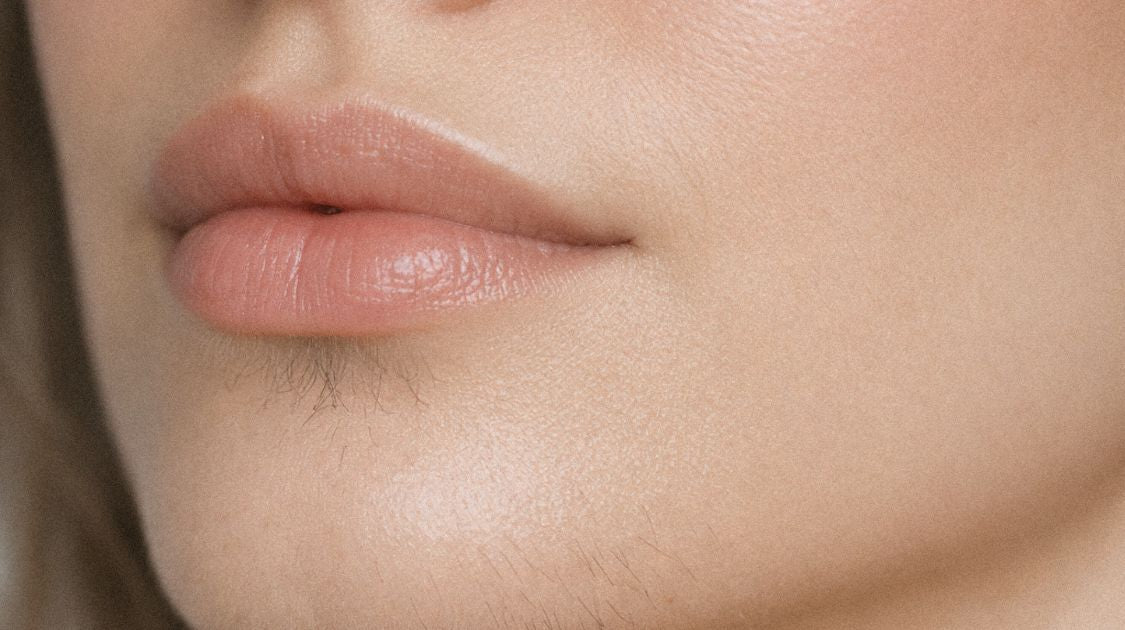
Excessive hair growth on the chin, upper lip, or abdomen is not a mere cosmetic detail. It is often the most visible sign of a hormonal imbalance. And it is more common than most women realize.
Hirsutism, meaning male-pattern hair growth in women, affects more women than is commonly thought, but it often remains a taboo subject or is misdiagnosed. Excessive hair growth on the chin, upper lip, or abdomen is not just a cosmetic phenomenon; it is often a sign of hormonal imbalances. Here you can learn what lies behind hirsutism, which hormonal processes are involved, what role PCOS and testosterone play, and when medical clarification is important.
What exactly is hirsutism?
Hirsutism in women refers to excessive male-pattern hair growth. Medically defined, it is the appearance of increased terminal hairs, meaning thick, pigmented hairs, on a woman's face and body. The distribution resembles typical male hair growth. Depending on the study, approximately 4 to 11 percent of women in the general population are affected. The usual criterion is a Ferriman-Gallwey score of 8 or more, although the actual number is higher.
It is important to distinguish it from hypertrichosis. Hypertrichosis is generalized excessive hair growth that occurs independently of androgens and can be caused, for example, by genetics or medications such as phenytoin or cyclosporine. Hypertrichosis primarily affects non-androgen-sensitive regions such as forearms or lower legs and is not a hormonal condition.
Hirsutism, on the other hand, is hormonally caused and not purely a cosmetic problem. Usually, there is an excess of androgens, or the hair follicles are hypersensitive to normal androgen levels. Androgens, especially testosterone, convert fine vellus hairs into coarse terminal hairs in the hair follicles. In hirsutism, this happens more strongly in typical male zones. In short: hirsutism is a sign of a hormonal imbalance and should not be dismissed as merely a cosmetic concern.
How do I know if I have hirsutism?
The clinical picture is primarily evident in androgen-dependent body regions that normally have little terminal hair in women. Typical areas include the upper lip, chin and cheeks, neck, chest, back, abdomen, especially along the linea alba between the navel and pubic bone, buttocks, and thighs and groin region.
To objectively assess the severity, the modified Ferriman-Gallwey score is often used. In this, hair growth in nine androgen-sensitive body areas is evaluated from 0 (no terminal hair) to 4 (pronounced hair growth) and summed up. In Central European populations, a total score of 8 points or more is considered abnormal. However, the thresholds vary significantly depending on ethnic origin, which is why the score must always be read in context and not in isolation.
Other symptoms that may occur concomitantly:
- Menstrual disorders: Many affected women have irregular cycles up to amenorrhea, especially if PCOS is present.
- Skin changes: Acne and oily skin often occur together with hirsutism, as testosterone also stimulates the sebaceous glands. Sometimes androgenetic alopecia occurs.
- Virilization signs: Rarely, with very high androgen levels, for example due to hormone-active tumors, signs such as a deeper voice, increased muscle mass, or clitoral hypertrophy develop. These are usually not present with mild hirsutism or PCOS.
- Psychological distress: Although primarily physically visible, hirsutism can be very psychologically distressing. Studies report reduced self-esteem, shame, and social withdrawal. Many women find even mild hair growth distressing.
Start with blood sugar, not the razor
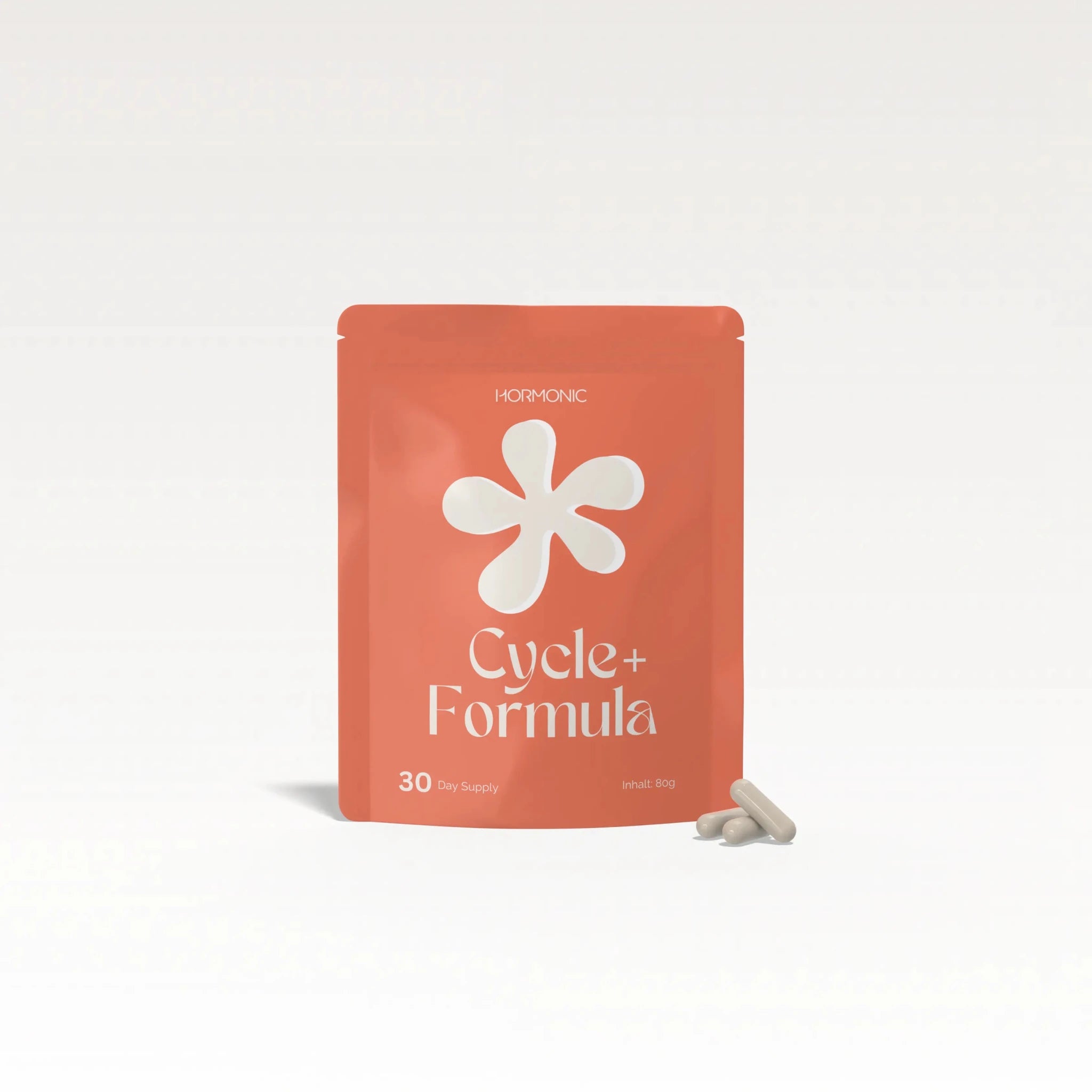
Because insulin directly co-determines how much free testosterone is circulating via SHBG, your blood sugar metabolism is one of the few true levers. Cycle+ Formula delivers Myo-Inositol to support your cycle and hormonal balance. Doctor-developed, loved by thousands of women.
Unwanted hair growth that bothers you? Let's take a look together.
In a free, no-obligation initial consultation at Hormonic, you can discuss all your questions with one of our doctors and together explore which measures might make sense for you. Conveniently from home via video call, with no waiting times.
Frequently asked questions about hirsutism
What is the difference between hirsutism and hypertrichosis?
Which hormones are involved in hirsutism?
Kann Hirsutismus auf PCOS hinweisen?
Welche Blutwerte sollte man bei Hirsutismus prüfen lassen?
Scientific Sources
- Martin KA, Anderson RR, Chang RJ, et al. Evaluation and Treatment of Hirsutism in Premenopausal Women: An Endocrine Society Clinical Practice Guideline. J Clin Endocrinol Metab. 2018;103(4):1233-1257. doi:10.1210/jc.2018-00241
- Spritzer PM, Marchesan LB, Santos BR, Fighera TM. Hirsutism, Normal Androgens and Diagnosis of PCOS. Diagnostics (Basel). 2022;12(8):1922. doi:10.3390/diagnostics12081922
- Rosenfield RL. Approach to the Patient: Hirsutism. J Clin Endocrinol Metab. 2025;110(10):e3503.
About the Author

You might also be interested in this.
Elevated testosterone levels in women, especially with PCOS, affect the cycle, skin, hair, and mood. This article presents evidence-based natural strategies, from circadian rhythm to insulin sensit...
How does inositol work for PCOS, what do studies show regarding ovulation, testosterone, and insulin resistance, and what is a sensible dosage? The evidence-based overview.
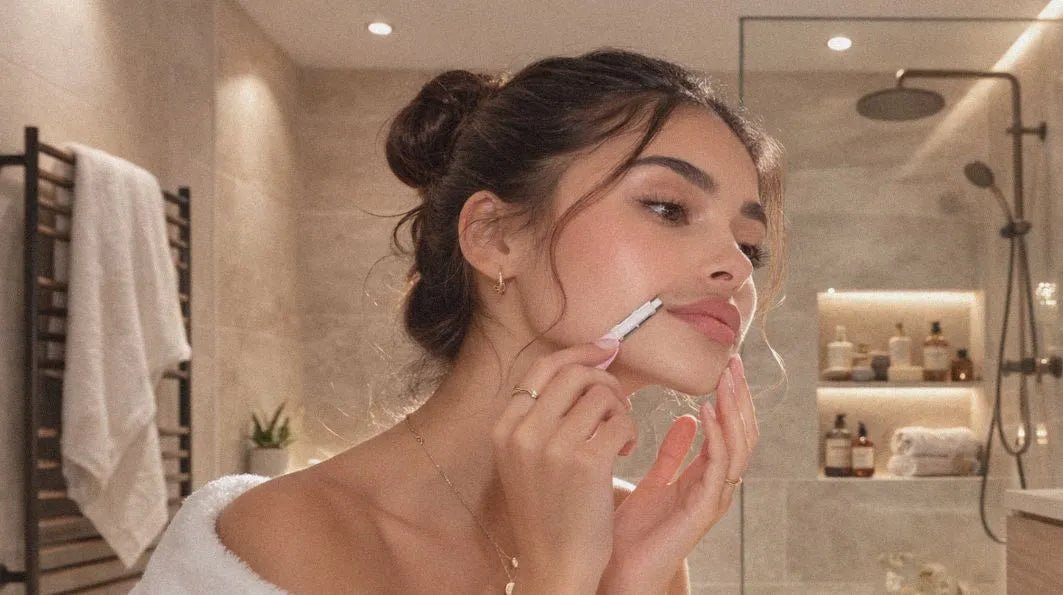
Natural approaches to hirsutism being investigated in research: diet, micronutrients, lifestyle, and their limitations. Informative, not diagnostic.