
Cart

Your cart is empty

Continue shopping

Trending searches

Featured products

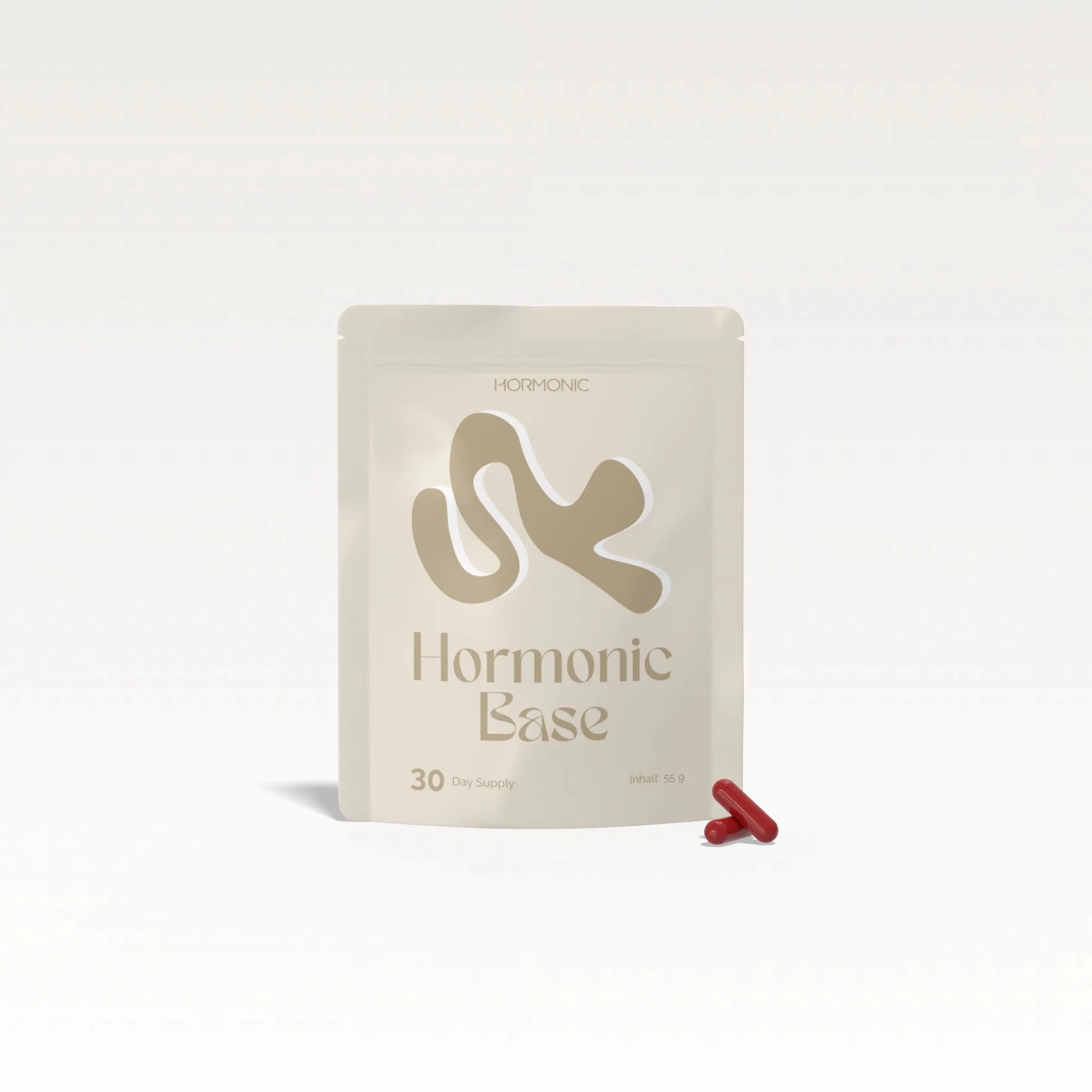
Hormonic Base - Hormonic - Nahrungsergänzungsmittel
Sale price€65,00
(5.0)
Midlife Formula - Hormonic - Nahrungsergänzungsmittel
Sale price€75,00
(5.0)
PCOS Symptome verstehen: Die 4 PCOS-Typen im Vergleich - Hormonic
PCOSDec 12, 20258 min read

Understanding PCOS symptoms: A comparison of the 4 PCOS types

This article is part of: PCOS: The Guide to Causes, Symptoms, and Treatment

PCOS symptoms vary so much because PCOS is not a single disease, but a syndrome with multiple possible causes. This article explains the four PCOS types and helps you categorize your own pattern.

Key takeaways

  • PCOS affects 8 to 13 percent of all women of childbearing age, but often remains undiagnosed for a long time.
  • It is a syndrome, not a single disease, which is why the symptoms are so diverse.
  • Four helpful patterns: insulin-resistant, stress-dominant, inflammation-dominant, and post-pill.
  • Mixed forms are common, with many women showing characteristics from several types.
  • The final diagnosis is made by a doctor according to the Rotterdam criteria; your knowledge of your symptoms is the basis.

As a Research Fellow, I read studies on PCOS daily, and what always surprises me is that hardly any topic is so often pigeonholed, yet in reality, it is so individual. Two women with the same diagnosis can have completely different bodies; one struggles with cravings and belly fat, while the other is slim, exhausted, and sleeps poorly.

That’s precisely why it’s worth looking beyond the label. Because PCOS is not a disease in the classic sense, but a collective term for symptoms with different causes. The aim of this article is to give you a precise understanding of the various PCOS symptoms, to identify typical patterns, and to classify the underlying processes.

Did you know?

According to international studies, about 70 percent of PCOS cases are diagnosed too late or not at all, often because the symptoms are so diverse and do not fit the classical picture.

Why PCOS symptoms vary so much

PCOS is a syndrome, not a single disease, and current studies increasingly underscore this. Symptoms differ greatly because they stem from various hormonal or metabolic causes. While one woman primarily struggles with acne and hair loss, another's main concerns might be weight gain, irregular cycles, or chronic fatigue.

Behind these differences usually lie a few, but very distinct, mechanisms. In some women, an imbalance in sugar metabolism, primarily insulin resistance, dominates. In others, it's mainly the stress axis—the interplay of cortisol and adrenal hormones—that disrupts the cycle. Still others react strongly to silent, chronic inflammation in the body, and another group develops symptoms only in response to discontinuing hormonal contraception.

Additionally, mixed forms are common: A woman can exhibit both insulin-resistant and stress-related characteristics, and symptoms often overlap. Every woman with PCOS is therefore unique, and that's precisely why it helps to know the different PCOS types and to specifically observe which symptoms predominate in your case.

The 4 PCOS Types at a Glance

PCOS Type Mechanism Typical Symptoms
Insulin-Resistant Elevated insulin increases androgens Abdominal weight gain, cravings, menstrual irregularities, acne, hair loss
Stress-Dominant HPA axis: Cortisol and DHEA-S disrupt the cycle Menstrual irregularities, sleep problems, exhaustion, nervousness, usually slim
Inflammation-Dominant Silent inflammation inhibits hormone balance PMS, period pain, digestive issues, sensitive skin, fatigue
Post-Pill Delayed ovarian reactivation after stopping the pill Absent cycle, acne returns, mood swings, elevated AMH

Now let's look step-by-step at how these four patterns feel in detail, what mechanisms are behind them, and what you can pay attention to in each case.

The 4 PCOS Types and Their Typical Symptoms

Note:The classification into four PCOS types is not an official medical classification, but rather a model to help you categorize your individual symptom pattern based on central hormonal and metabolic mechanisms. Mixed forms are more common than exceptions.

Type 1: Insulin-Resistant PCOS

This type is primarily characterized by pronounced insulin resistance. Your body releases a lot of insulin, but the cells react less and less effectively to it. High insulin levels stimulate androgen production in the ovaries and lower SHBG, leading to more free testosterone. Typical symptoms include menstrual irregularities, hirsutism (excessive hair growth on the chin, face, or chest), acne, and diffuse hair loss. Weight gain around the abdomen is common, sometimes accompanied by dark skin folds (acanthosis nigricans). Many feel constantly tired and experience cravings for sweets.

Tip:If suspected, an insulin or HOMA-IR test may be useful. A fiber-rich diet and regular exercise help stabilize blood sugar, but these are only general guidelines.

Type 2: Stress-Dominant PCOS

Here, the stress axis (HPA axis) dominates: chronic stress causes the body to continuously release too much cortisol and adrenal androgens like DHEA-S. This can shift the hormonal balance in favor of androgens. You often feel this as chronic exhaustion, inner restlessness, or sleep problems. Diffuse hair loss, milder acne, and hirsutism also occur. Unlike the insulin-resistant type, weight is often normal to lean.

Tip:Pay attention to your body's stress signals. Adrenal hormones (cortisol, DHEA-S) can be medically measured, and stress reduction and sufficient sleep are often particularly important here.

Type 3: Inflammation-Dominant PCOS

This type stems from a chronically elevated inflammatory state. Studies show that PCOS is often accompanied by slightly elevated inflammatory markers like CRP. This can manifest as persistent fatigue, aching joint or muscle pain, sensitive skin, recurrent acne, or digestive issues. Cycles can be very irregular, while metabolic and stress values are often within the normal range.

Tip:A simple inflammatory marker in the blood (e.g., CRP) can provide clues. Anti-inflammatory dietary and lifestyle factors such as omega-3 fatty acids and moderate endurance training are often discussed as supportive measures here.

Type 4: Post-Pill PCOS

This phenomenon usually occurs shortly after discontinuing hormonal contraception and is often temporary. After stopping the pill, the ovaries often react with a short-term androgenic overreaction. The most important distinguishing feature: the symptoms only begin after discontinuation; previously, there were no or only mild symptoms. Sudden acne and hirsutism, as well as absent or irregular cycles, are typical. Usually, there is no insulin resistance, and weight is normal.

Tip:Often, this normalizes on its own after a few months. Checking testosterone, LH/FSH, and possibly AMH after a pill break can provide clarity. You can find more on this topic in our article on how to naturally lower yourtestosterone levels.

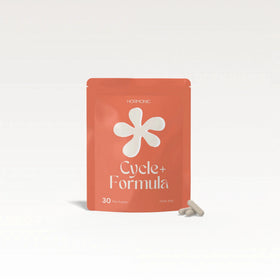
Cycle+ Formula: Daily support for PCOS issues

Cycle+ Formula combines myo- and D-chiro-inositol, quercetin, and other carefully selected active ingredients that are being researched in connection with the cycle, insulin metabolism, and hormonal balance. Doctor-developed as a well-thought-out daily foundation, especially if you experience PCOS-typical issues like irregular cycles.

€75,00

Discover Cycle+ Formula

How do you recognize your PCOS type?

Each of the four types leaves a characteristic symptom pattern, and that is precisely the key. Instead of fixating on a single sign, it is worthwhile to observe the overall picture over several weeks: Which symptoms are most prominent for you, and in what context do they appear?

Self-observation is your most important basis here. Pay attention to how your weight, skin, hair, cycle, and mood behave and when the changes began, for example, before or after stopping the pill or during particularly stressful phases. A cycle diary, supplemented by a small photo journal for the skin and notes on hair and weight, makes patterns and trends visible over time that might otherwise be easily overlooked in everyday life.

In addition, laboratory values provide important clues. Typical findings include elevated free testosterone or DHEA-S, signs of insulin resistance such as elevated fasting insulin or an impaired glucose tolerance test, and possibly inflammatory markers like CRP. The thyroid and prolactin are also usually tested to rule out other causes. Endocrinology or gynecology can provide clarity with blood tests and ultrasound, and if it's difficult for you to see a doctor right now, you can also conveniently determine initial values from home with an at-home diagnostic kit.

The goal of these steps is not self-diagnosis, but to systematically prepare you. The final diagnosis, including type classification, is always made by a doctor, but your knowledge and observations are the best basis for a targeted discussion.

When is PCOS officially considered diagnosed?

As individual as the symptoms are, the diagnostic framework is clear. A PCOS diagnosis is made by a doctor if at least two of the following three criteria are met and other causes such as thyroid disorders or hyperprolactinemia have been ruled out. These so-called Rotterdam criteria have been internationally recognized as the standard since 2003:

  • Menstrual irregularities with infrequent or absent ovulation (oligo- or amenorrhea)
  • Hyperandrogenism, meaning elevated male hormones, detectable in the blood or visible as acne, hirsutism, or hair loss
  • a polycystic ovarian appearance on ultrasound, with enlarged ovaries, many small follicles, or increased volume

The interaction is crucial: No single laboratory value and no ultrasound alone is sufficient to reliably diagnose PCOS. Only when symptoms, findings, and medical assessment come together and other causes are ruled out is the diagnosis considered confirmed. This is precisely why your good preparation is so valuable; it often shortens the path to the correct classification.

PCOS overwhelming you? Talk to a doctor.

In a free 15-minute consultation, one of our doctors will address your questions about PCOS, symptoms, and next steps, no strings attached and tailored to you.

Book a free consultation call

Conclusion: Your Symptoms Are the Key

PCOS is diverse because several mechanisms underlie the syndrome. By closely observing your symptoms and differentiating between the types, you gain clarity about your individual case. This understanding helps you ask informed questions to your doctor and specifically address the right areas, whether it's blood sugar regulation, stress reduction, or inflammation.

No need to panic or make dramatic promises of a cure: It's about getting to know your body better and seeking support early. With knowledge of the four PCOS types, you are well-equipped to interpret your personal mix of symptoms and take the next steps at your own pace.

Frequently Asked Questions About PCOS Symptoms

What are the most common symptoms of PCOS?

The most common symptoms are irregular periods, acne, hair loss, weight gain, increased body hair in unwanted areas such as the chin, and unfulfilled desire to have children. Depending on the type of PCOS, the symptoms vary in severity.

How do I know which type of PCOS I have?

Pay attention to the pattern of your symptoms: cravings and fatigue tend to indicate the insulin-resistant type, while nervousness and sleep problems tend to indicate the stress-dominant type. A medical consultation and appropriate lab values help to reliably classify the symptoms.

Können sich PCOS-Symptome im Laufe der Zeit verändern?
Ja. PCOS-Symptome sind nicht statisch: Sie können sich mit Lebensphasen, Gewicht, Stresslevel, dem Absetzen der Pille oder Ernährungsumstellungen verschieben. Manche Frauen wechseln gefühlt zwischen den Typen, weil sich der dominierende Mechanismus verändert. Regelmäßiges Beobachten hilft, solche Verschiebungen zu erkennen.
Wie wird PCOS diagnostiziert?
Die Diagnose folgt den Rotterdam-Kriterien: Mindestens zwei von drei Punkten müssen erfüllt sein (Hyperandrogenismus, Zyklusunregelmäßigkeiten, polyzystische Eierstöcke im Ultraschall), und andere Ursachen wie Schilddrüsenstörungen müssen ausgeschlossen sein. Ärzte werten dazu Hormonwerte wie Testosteron, DHEA-S, LH/FSH und AMH sowie einen Ultraschall aus.

Sources

  • Bozdag, G. et al. (2016). The prevalence and phenotypic features of polycystic ovary syndrome: a systematic review and meta-analysis. Human Reproduction, 31(12), 2841-2855. doi:10.1093/humrep/dew218
  • World Health Organization (WHO) (2025). Polycystic ovary syndrome. WHO Fact Sheet.
  • Suneja, M., Pinzon, J. & Goodarzi, M. O. (2023). Polycystic Ovarian Syndrome. In: StatPearls. StatPearls Publishing. PMID: 36544170
  • Centers for Disease Control and Prevention (CDC) (2024). Diabetes and Polycystic Ovary Syndrome (PCOS). CDC.
  • Norman, R. J. & Teede, H. J. (2018). A new evidence-based guideline for assessment and management of polycystic ovary syndrome. Medical Journal of Australia, 209(7), 299-300. doi:10.5694/mja18.00574
  • ESHRE Guideline Group on PCOS (2018). International evidence-based guideline for the assessment and management of PCOS. Human Reproduction, 33(9), 1602-1618. doi:10.1093/humrep/dey256

About the Author

Amelie Weiss

Research Fellow, PhD · Hormonic

Amelie Weiss is a Research Fellow at Hormonic and conducts scientific research on hormonal health, micronutrients, and evidence-based women's health.

Share

You might also be interested in this.

Wie du deinen Testosteronspiegel natürlich senken kannst - Hormonic
PCOSAug 30, 20248 min read
How to naturally lower your testosterone levels

Elevated testosterone levels in women, especially with PCOS, affect the cycle, skin, hair, and mood. This article presents evidence-based natural strategies, from circadian rhythm to insulin sensit...
Kaffee bei PCOS: Was die Forschung sagt - Hormonic
PCOSJul 28, 20246 min read
Coffee with PCOS: What Research Says

Is coffee really harmful for PCOS? An honest, evidence-based look at caffeine, cortisol, insulin, and your androgens, and how many cups are okay for your hormones.
Quercetin bei PCOS: Wirkung auf Hormone, Insulin und Entzündung - Hormonic
MikronährstoffeAug 22, 20248 min read
Quercetin in PCOS: Effect on Hormones, Insulin, and Inflammation

If you suffer from hormonal disorders such as polycystic ovary syndrome (PCOS), quercetin could be just the right ingredient for you. Quercetin is a flavonoid found in many fruits and vegetables an...