


Coffee and PCOS is a controversial topic. Caffeine temporarily increases cortisol, can affect insulin sensitivity, and stimulate androgens. This article honestly assesses the current state of research.
When I started looking into coffee and PCOS, I honestly expected a clear warning. Many articles claim coffee is poison for female hormones. What surprised me then was that reliable research paints a much friendlier and more nuanced picture, especially regarding insulin.
So, if you have PCOS and can barely function in the morning without your coffee, that's not bad news. The question is rarely a simple yes or no, but rather a matter of quantity, timing, and your personal reaction.
Is Coffee Bad for PCOS?
No, moderate coffee consumption is not harmful for PCOS according to current knowledge, and several large analyses even link it to more favorable glucose metabolism. Coffee becomes unfavorable primarily in large quantities, on an empty stomach, or late in the day, because then the stress hormone cortisol and your sleep come into play. The crucial factor is not whether you drink coffee, but how.
| Aspect of PCOS | What research observes |
|---|---|
| Insulin & Blood Sugar | Regular coffee is associated with better insulin sensitivity and a lower risk of type 2 diabetes. |
| SHBG & Androgens | Coffee is linked to higher SHBG, which binds free androgens; only very high doses could have the opposite effect. |
| Cortisol & Stress | Caffeine temporarily raises cortisol; with habituation, the effect diminishes, acting more strongly on an empty stomach and late in the day. |
| Sleep | Caffeine in the afternoon can disrupt melatonin and sleep, further impacting hormones and cravings. |
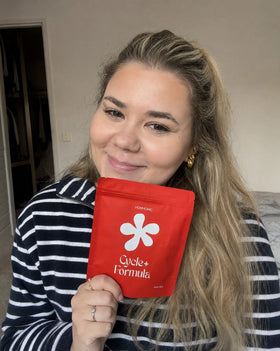
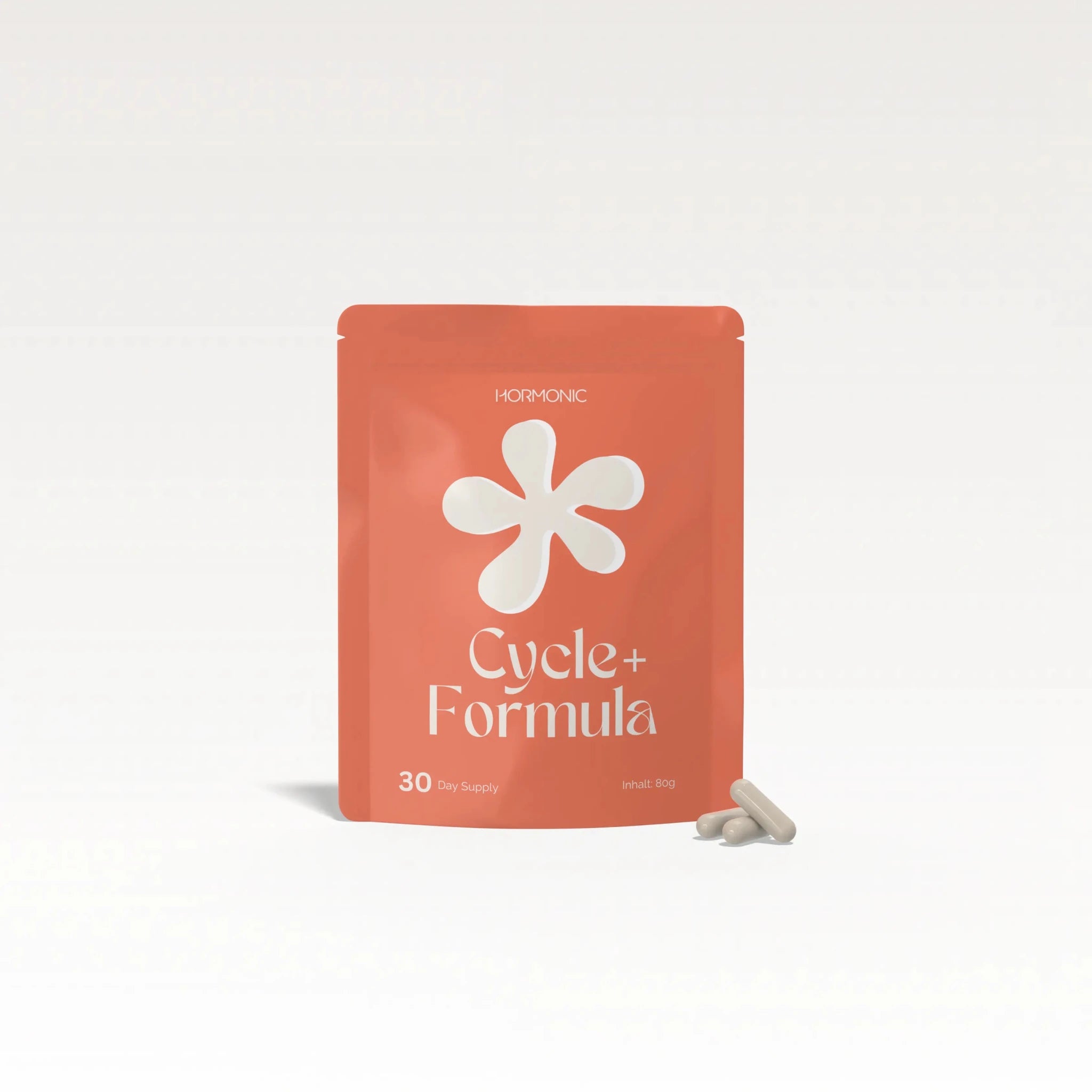
Cycle+ Formula for your PCOS routine
One of the most important levers is insulin sensitivity. Cycle+ combines Myo- and D-Chiro-Inositol with zinc, which contributes to normal fertility and cell protection from oxidative stress, as daily support for your hormones.

Unsure what really matters with your PCOS?
In a free, 15-minute introductory call, one of our doctors will address your questions about your cycle, blood sugar, and nutrition, without any obligation.
Frequent questions about coffee and PCOS
Is coffee bad for PCOS?
How many cups of coffee are okay with PCOS?
Erhöht Kaffee bei PCOS das Cortisol?
Sollte ich bei PCOS auf entkoffeinierten Kaffee umsteigen?
Scientific Sources
- Ding, M. et al. (2014). Caffeinated and decaffeinated coffee consumption and risk of type 2 diabetes: a systematic review and dose-response meta-analysis. Diabetes Care, 37(2), 569-586. doi:10.2337/dc13-1203
- van Dam, R. M. & Hu, F. B. (2005). Coffee consumption and risk of type 2 diabetes: a systematic review. JAMA, 294(1), 97-104. doi:10.1001/jama.294.1.97
- Wedick, N. M. et al. (2012). Effects of caffeinated and decaffeinated coffee on biological markers of chronic disease: a randomized controlled trial. Nutrition Journal, 11, 86. doi:10.1186/1475-2891-11-86
- Keijzers, G. B. et al. (2002). Caffeine can decrease insulin sensitivity in humans. Diabetes Care, 25(2), 364-369. doi:10.2337/diacare.25.2.364
- Lovallo, W. R. et al. (2005). Caffeine stimulation of cortisol secretion across the waking hours. Psychosomatic Medicine, 67(5), 734-739. doi:10.1097/01.psy.0000181270.20036.06
- Therapeutic effects and potential mechanisms of caffeine on obese polycystic ovary syndrome (2024). PMC12033246.
About the Author

You might also be interested in this.

PCOS cannot be cured by diet alone, but nutrition is one of the most effective levers. This evidence-based guide shows which foods stabilize blood sugar, reduce inflammation, and support ovulation.

Insulin resistance affects many women, but often remains undetected for a long time. Learn how hormones and metabolism are connected and what can specifically help with insulin resistance.
Elevated testosterone levels in women, especially with PCOS, affect the cycle, skin, hair, and mood. This article presents evidence-based natural strategies, from circadian rhythm to insulin sensit...