

For hirsutism, shaving and waxing only remove the hair. Those who want to address the hormonal cause quickly turn to diet, micronutrients, and lifestyle. What of this is proven, what is hype, and what are the limitations?
If you haven't already: First, understand the causes of hirsutism
The first dark hair on the chin. A few hairs on the cheeks, neck, or abdomen that weren't there before. Many women discover hirsutism in the mirror long before they have a name for it, and the first impulse is almost always the same: pluck, shave, remove. This is perfectly understandable, but it only addresses the surface. Excessive, rather male-pattern body hair affects about 4 to 11 percent of women, depending on the study, and in most cases is related to elevated androgens—precisely the hormones that stimulate the hair follicle to such strong growth in the first place. And here, a second look is worthwhile: understanding what keeps androgen levels high allows one to address the root cause, instead of just removing the hair.
In this article, you will read about which approaches from nutrition, micronutrients, and lifestyle are being investigated in research, where they honestly have their limitations, and where targeted micronutrients like myo-inositol or zinc can be useful. Important note: This article is for informational purposes only and does not replace medical advice.
Why a holistic view makes sense
In most cases, hirsutism is accompanied by an excess of androgens, often in connection with PCOS. This means that there is often an underlying hormonal imbalance that, in addition to hair growth, can also be accompanied by menstrual irregularities, insulin resistance, or skin changes. In PCOS, there is a close interplay between insulin and androgens: High insulin levels can stimulate the ovaries to produce more androgens. Many of the approaches described below address this very point by supporting insulin sensitivity. We delve into how to naturally lower testosterone in PCOS and what ways there are to naturally lower androgens in women in separate articles. The comprehensive overview is provided in the PCOS Guide 2026.
At the same time, cosmetic methods such as shaving, waxing, or laser improve the external appearance, but do not change androgen production. And in pronounced or rapidly progressing cases, there is no way around a medical clarification. The following measures are to be understood as support for a healthy lifestyle, not as a substitute for medical treatment.
Nutrition as a foundation
How your body handles blood sugar and insulin influences androgen production. Many women with hirsutism, especially with PCOS, have insulin resistance. This is where a blood sugar-friendly diet can come into play:
- Keep blood sugar stable: A balanced diet with a low glycemic index keeps blood sugar more stable. Studies suggest that a low-glycemic, anti-inflammatory diet can have a beneficial effect on insulin resistance and inflammatory markers. In overweight individuals, even moderate weight loss is associated with an improvement in hyperandrogenism.
- Mediterranean patterns: There isn't one single PCOS diet. What is crucial is a long-term sustainable diet with plenty of vegetables, fiber, protein, and healthy fats. Observational studies link a Mediterranean diet to more favorable metabolic values.
- Eat anti-inflammatory foods: Omega-3 fatty acids, antioxidants, and anti-inflammatory spices can dampen silent inflammatory processes, while highly processed foods and a lot of sugar tend to have an unfavorable effect.
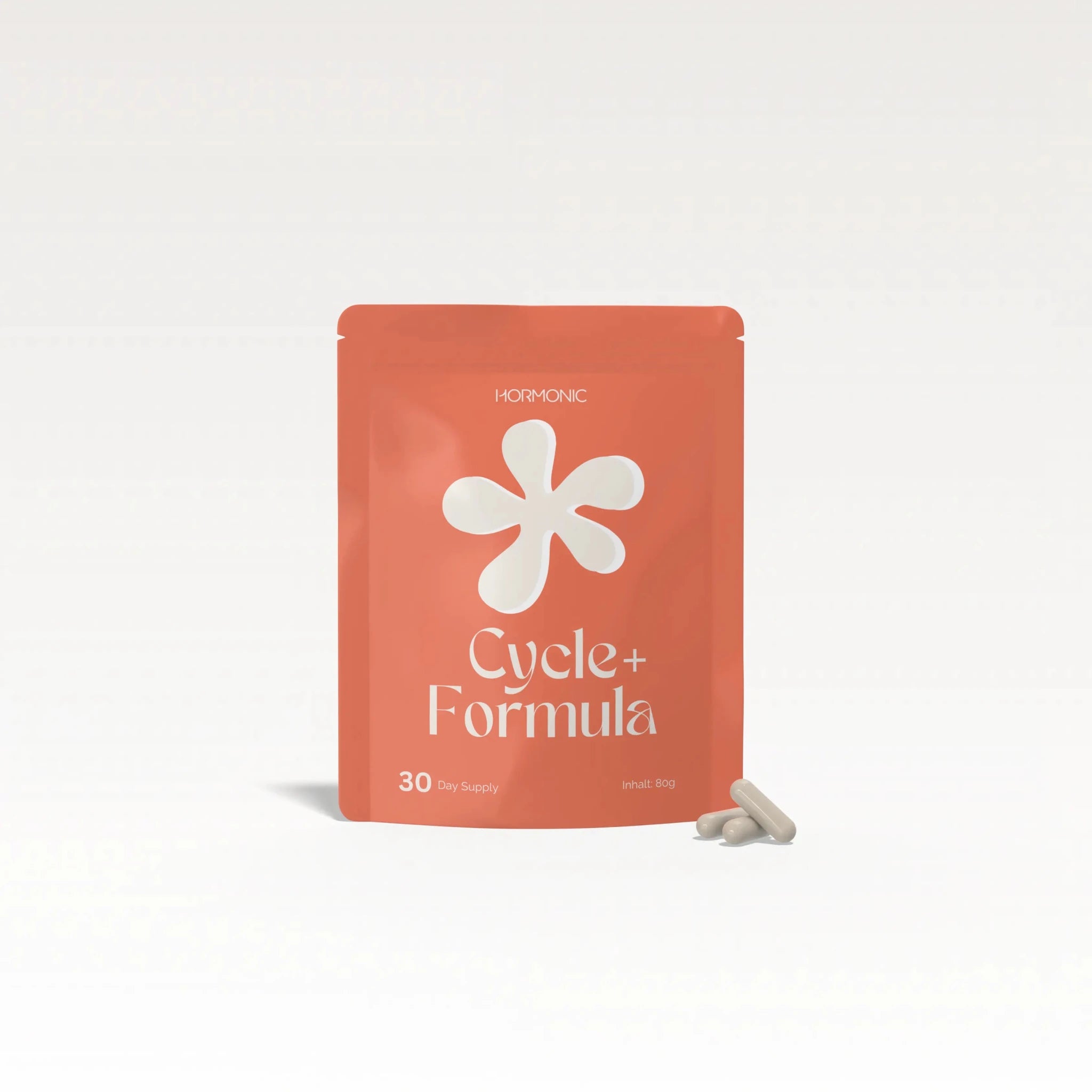
Myo- and D-chiro-inositol are primarily studied for their role in insulin sensitivity, the central lever in PCOS, and thus for a plausible indirect path to reduced androgen stimulation. Zinc contributes to the maintenance of normal skin, hair, and nails. Cycle+ Formula combines both in a well-tolerated manner and without overdosed individual substances, developed to support your cycle and hormonal balance.
€75,00

In a free 15-minute initial consultation, one of our doctors will assess your situation and show you which values and measures can truly be beneficial in your case. Conveniently from home via video call, with no long waiting times.
Frequently Asked Questions
Can hirsutism be gotten rid of naturally?
Which nutrients are examined in hirsutism?
Wie lange dauert es, bis sich etwas tut?
Wann sollte ich zum Arzt statt zu Supplements greifen?
Scientific Sources
- Teede HJ, Tay CT, Laven J, et al. Recommendations from the 2023 International Evidence-based Guideline for the Assessment and Management of Polycystic Ovary Syndrome. J Clin Endocrinol Metab. 2023;108(10):2447-2469.
- Unfer V, Facchinetti F, Orru B, et al. Myo-inositol effects in women with PCOS: a meta-analysis of randomized controlled trials. Endocr Connect. 2017;6(8):647-658.
- Fitz V, Graca S, Mahalingaiah S, et al. Inositol for Polycystic Ovary Syndrome: A Systematic Review and Meta-analysis to Inform the 2023 Update of the International Evidence-based PCOS Guidelines. J Clin Endocrinol Metab. 2024;109(6):1630-1655. doi:10.1210/clinem/dgad762
- Jamilian M, Foroozanfard F, Bahmani F, et al. Effects of Zinc Supplementation on Endocrine Outcomes in Women with PCOS: a Randomized, Double-Blind, Placebo-Controlled Trial. Biol Trace Elem Res. 2016;170(2):271-278.
About the Author

You might also be interested in this.
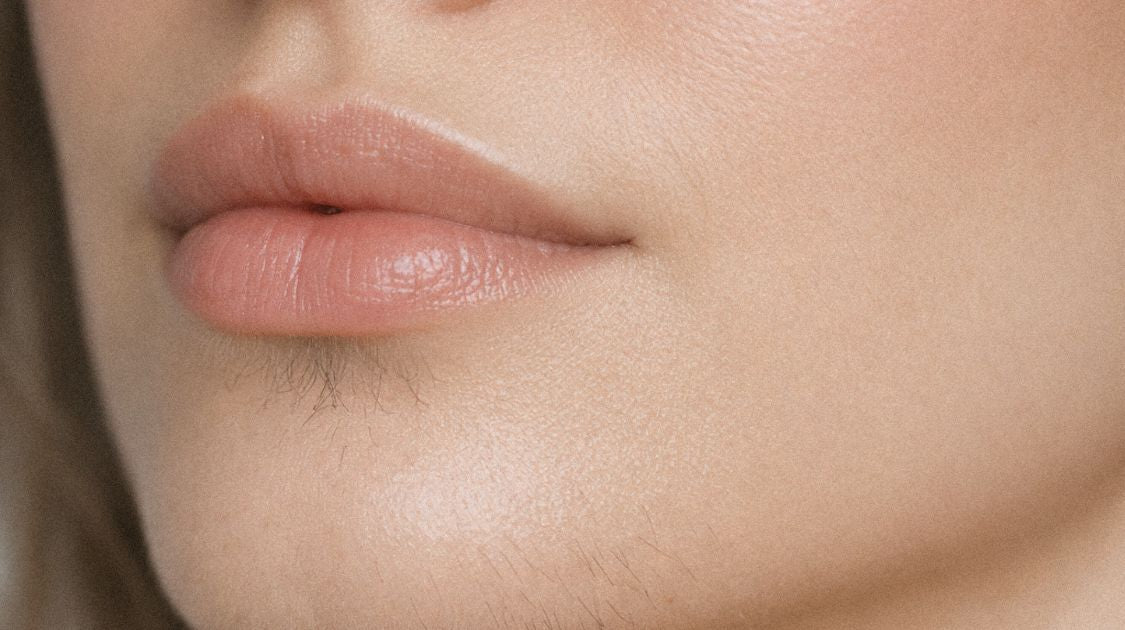
Hirsutism is not a cosmetic problem, but usually hormonally induced. What's behind it, the role PCOS, testosterone, and SHBG play, and when you should see a doctor.
Elevated testosterone levels in women, especially with PCOS, affect the cycle, skin, hair, and mood. This article presents evidence-based natural strategies, from circadian rhythm to insulin sensit...

PCOS symptoms are diverse. This article explains the four PCOS types in detail, shows typical signs, and helps you better identify your type.