
One figure surprised me while reading: Women store around 70 to 80 percent less creatine in their bodies than men and typically ingest less through meat and fish as well. This is precisely why creatine is such an intriguing subject for women, especially in midlife, when muscle strength begins to decline more rapidly.
In this article, I provide an honest assessment of what creatine actually does for women, where the evidence is strong and where it is not, which myths persist, and how to dose it correctly.
Why creatine can be beneficial for women
Creatine buffers rapid energy (ATP) in the muscles and brain. Since women naturally store less of it, it is logical to consider replenishing these stores through diet or supplements (Smith-Ryan et al., 2021). However, we must be honest: lower stores do not automatically mean a greater benefit, and the body of evidence for women is even thinner than for men. The following overview shows how well-proven the individual effects are.
| Benefit | Evidence | Briefly explained |
|---|---|---|
| Strength with resistance training | strong | The only area with an authorized EU claim |
| Lean mass | good | With training, effect is moderate |
| Strength and function from age 55 | strong | Dedicated EU claim, with resistance training |
| Memory and cognition | preliminary | Indications, especially in the elderly |
| Bone density | not proven | Largest study showed no effect |
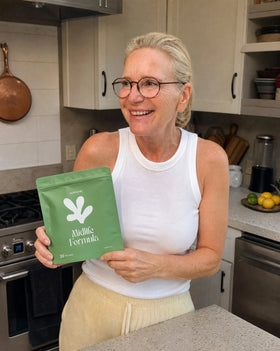
Creatine plus menopause active ingredients: Midlife Formula
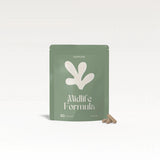
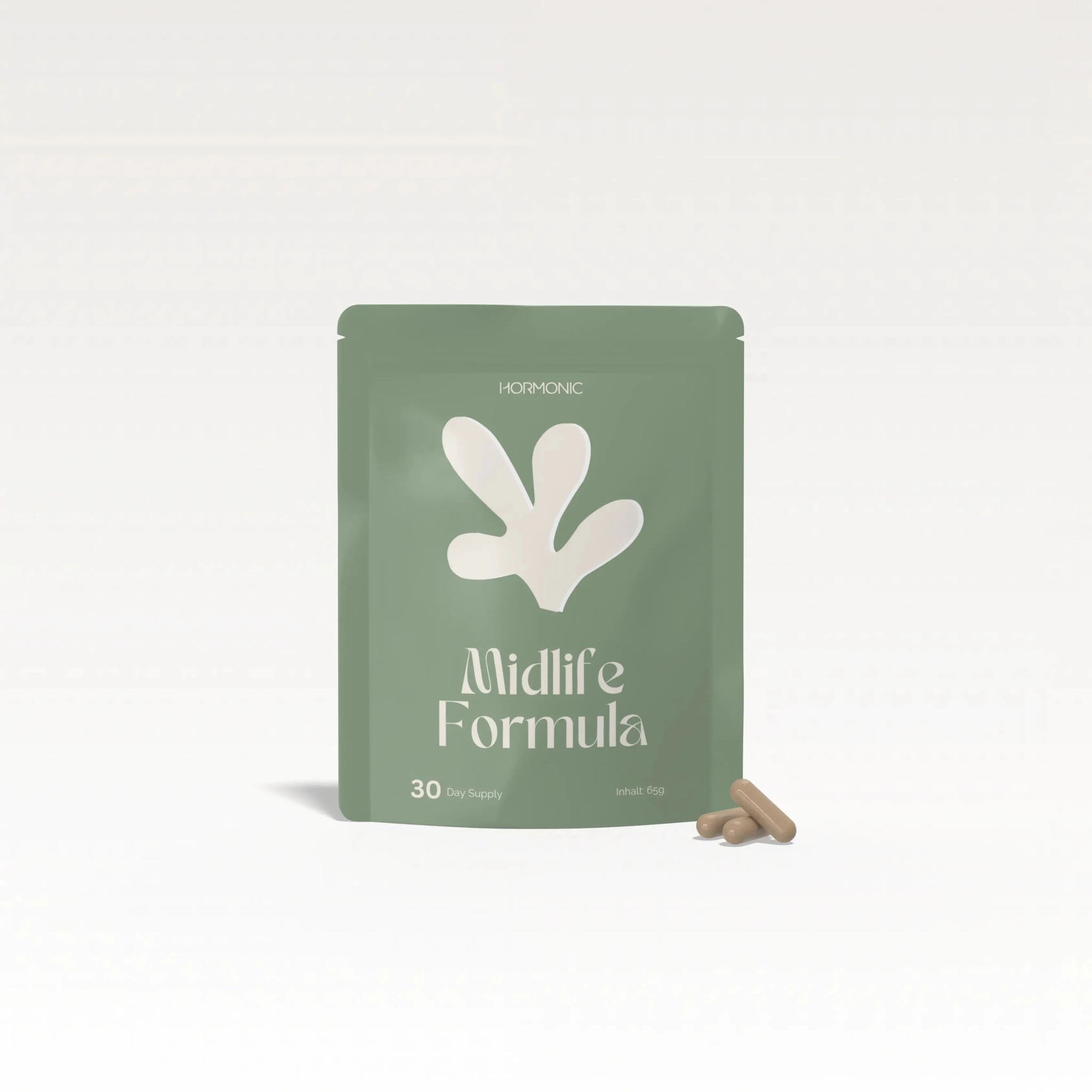
Midlife Formula is designed for women in midlife and provides creatine along with plant-based active ingredients such as red clover, wild yam, and saffron. A well-thought-out daily formula if you want creatine not in isolation, but as part of a combination tailored to menopause. Creatine works best in conjunction with regular strength training.
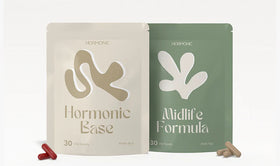
The foundation for this: the Midlife Bundle
For those who want to cover the basics, the Midlife Bundle combines the Hormonic Base as a daily micronutrient foundation with the Midlife Formula. This way, your basic nutritional needs and menopause-specific active ingredients, including creatine, are covered in one system while you work on your strength and everyday life.
Frequently Asked Questions About Creatine for Women
Is creatine beneficial for women, or does it make you look masculine?
Is creatine worth it for women over 40 or during menopause?
Nimmt man von Kreatin zu oder bekommt man Wassereinlagerungen?
Wie viel Kreatin am Tag und wann sollte ich es nehmen?
Scientific Sources
- Smith-Ryan AE et al. (2021). Creatine Supplementation in Women's Health: A Lifespan Perspective. Nutrients. doi:10.3390/nu13030877
- Candow DG, Forbes SC et al. (2021). Creatine + Resistance Training on Muscle Strength and Mass in Older Females. Nutrients. doi:10.3390/nu13113757
- Delpino FM et al. (2022). Creatine and lean body mass: systematic review and meta-analysis. Nutrition. doi:10.1016/j.nut.2022.111791
- Chilibeck PD et al. (2023). Creatine during Exercise for Postmenopausal Bone Health: 2-yr RCT. Med Sci Sports Exerc. doi:10.1249/mss.0000000000003202
- Kreider RB et al. (2017). ISSN position stand: creatine supplementation. J Int Soc Sports Nutr. doi:10.1186/s12970-017-0173-z
- Antonio J et al. (2021). Common questions and misconceptions about creatine. J Int Soc Sports Nutr. doi:10.1186/s12970-021-00412-w
- Regulation (EU) 432/2012 and Implementing Regulation (EU) 2017/672 (authorized creatine health claims).
About the Author

You might also be interested in this.
Which supplements are really useful during menopause: from vitamins D, K2, and magnesium to saffron and resveratrol, honestly assessed based on scientific studies.
Why does fat migrate to the abdomen during menopause, and is it dangerous? What visceral belly fat means and what really helps against it according to studies.
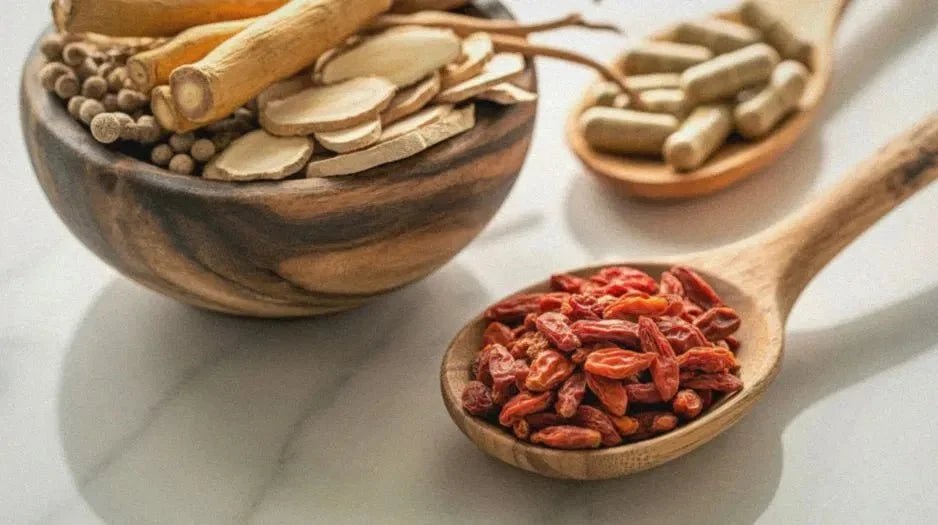
What helps with hot flashes, mood swings, or trouble sleeping? Studies show these plant-based compounds can support you through menopause.