


Artificial sweeteners are found in countless light products. This article honestly categorizes how they affect blood sugar, gut, and hormones, what is proven and what remains open.
The most important points in brief
- Approved sweeteners are considered safe within the recommended maximum limits (ADI); they are better studied than their reputation suggests.
- Their advantages: almost no calories, no direct blood sugar spike, and no tooth decay.
- Open questions mainly concern the gut microbiome, appetite, and possible indirect effects; the study situation here is mixed.
- The hormonal connection is most likely indirect via the gut and blood sugar; a direct effect has not been proven.
- As so often, the amount is crucial, as is an overall low-sugar diet.
Hardly any nutrition topic is as emotionally charged as artificial sweeteners. For some, they are the clever trick to save sugar; for others, a health risk. As a doctor, I see my task as neither downplaying nor instilling panic, but rather categorizing what the research actually shows.
Because one thing upfront: too much sugar is well-documented to be unfavorable for metabolism and hormonal health. Sweeteners are a tool to reduce it. Whether they help or bring their own disadvantages depends on the quantity, the context, and the individual body.
What are artificial sweeteners?
Artificial or non-nutritive sweeteners are compounds that are many times sweeter than sugar but provide almost no calories. The most common include aspartame, acesulfame K, sucralose, saccharin, and cyclamate. To be distinguished from these are sugar alcohols like erythritol and xylitol, as well as plant-based sweeteners like stevia and monk fruit. All sweeteners approved in the EU have been evaluated by authorities such as the EFSA and are considered safe within the defined daily maximum intake.
The advantages: why sweeteners are used at all
The main advantage is obvious: sweeteners provide sweetness with almost no calories and cause little to no increase in blood sugar. This can help in reducing sugar and is particularly interesting for people with diabetes or insulin resistance. Unlike sugar, they also do not cause tooth decay. As a transitional aid away from highly sweetened beverages, they can therefore be quite useful.
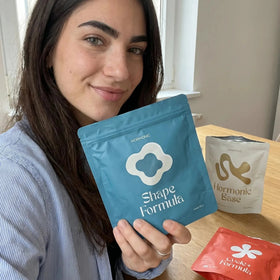
Shape Formula for Metabolism & Blood Sugar
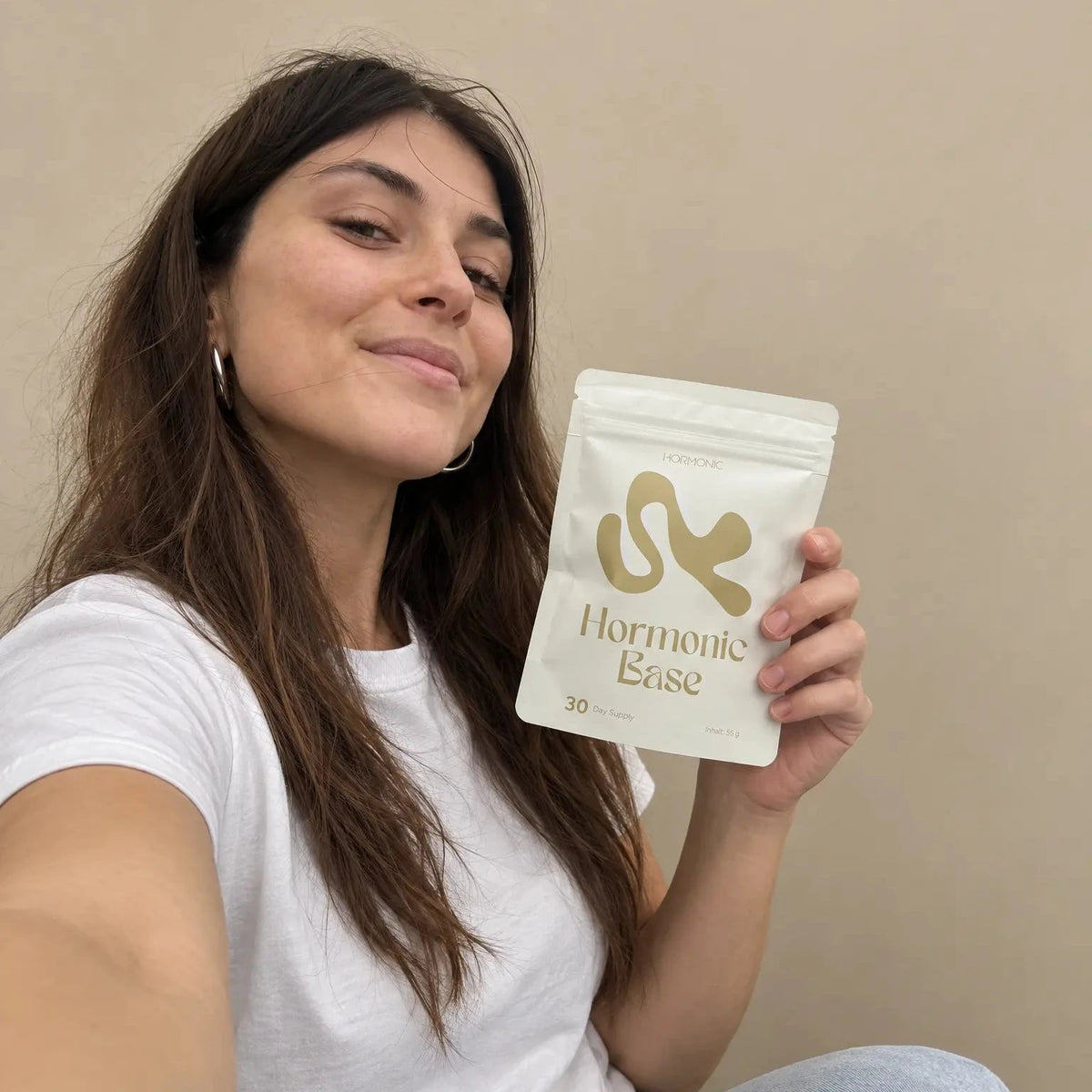
If stable blood sugar and less sugar are your goals, basic nutrition is key. Hormonic Shape provides 9 specific active ingredients, including chromium, which contributes to normal blood sugar levels and the normal metabolism of macronutrients. Doctor-developed, clinically dosed, and quality-tested in German laboratories.
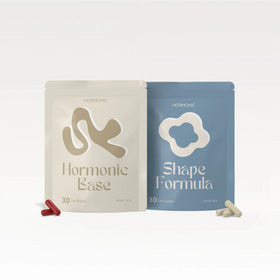
For women who want to support hormones, blood sugar, and metabolism
The medical Shape Duo consisting of Hormonic Base and Shape Formula. Base provides 16 essential active ingredients for central bodily processes, including zinc, selenium, vitamin D, and vitamin B. Shape supplements additional active ingredients specifically for metabolism, blood sugar, and the gut.
Common Questions About Artificial Sweeteners
Are artificial sweeteners harmful to your health?
Do sweeteners affect blood sugar and insulin secretion?
Machen Süßstoffe Heißhunger auf Süßes?
Sind natürliche Süßstoffe die bessere Wahl?
Scientific Sources
- Suez, J. et al. (2022). Personalized microbiome-driven effects of non-nutritive sweeteners on human glucose tolerance. Cell, 185(18), 3307-3328. doi:10.1016/j.cell.2022.07.016
- Ruiz-Ojeda, F. J. et al. (2019). Effects of Sweeteners on the Gut Microbiota: A Review. Adv Nutr, 10(suppl_1), S31-S48. doi:10.1093/advances/nmy037
- Debras, C. et al. (2022). Artificial sweeteners and cancer risk (NutriNet-Sante cohort). PLoS Med, 19(3), e1003950.
- Debras, C. et al. (2022). Artificial sweeteners and risk of cardiovascular diseases. BMJ, 378, e071204.
- IARC/JECFA (2023). Aspartame hazard and risk assessment results announced. WHO/IARC.
- EFSA (2013). Scientific Opinion on the re-evaluation of aspartame (E 951) as a food additive. EFSA Journal.
About the Author

You might also be interested in this.

Is sugar addiction real? An honest explanation: why sugar is not a drug, what's behind sugar cravings, and what really helps without strict abstinence.

How harmful are blood sugar spikes in healthy women really, and do you need a CGM? An honest, evidence-based look behind the glucose hype, including cycle and menopause effects.

Insulin resistance affects many women, but often remains undetected for a long time. Learn how hormones and metabolism are connected and what can specifically help with insulin resistance.