


Almost every woman experiences sugar cravings, and the term sugar addiction quickly comes to mind. This article honestly explains why sugar is not a true addiction like a drug, what really lies behind cravings, and what reliably helps without punishing yourself.
Key takeaways
- Sugar addiction is an everyday term, not a recognized diagnosis. In humans, there is little evidence that sugar is as addictive as a drug.
- Nevertheless, the craving is real. This is usually due to blood sugar fluctuations, too little protein and fiber, lack of sleep, stress, and habit.
- The most effective approach is to keep blood sugar stable with protein- and fiber-rich meals, get enough sleep, and manage stress.
- Strict prohibition tends to fuel cravings in the short term rather than curb them. A relaxed, gradual approach works better.
- With PCOS or insulin resistance, strong sugar cravings are often a signal from the metabolism and not a problem of willpower.
I recently found an article with the headline that sugar is as addictive as cocaine. That sounds dramatic, but it doesn't stand up to scientific scrutiny. At the same time, the cravings that many women experience in the afternoon or evening are absolutely real. I want to bring these two things together here: taking your experience seriously and honestly explaining the mechanism behind it, instead of making you feel guilty.
Did you know?
The famous phrase that sugar is more addictive than cocaine comes from a single study with rats that were allowed to choose between sugar water and cocaine. This says nothing about humans. It is simply repeatedly quoted out of context.
Is sugar addiction really an addiction?
The honest answer is: hardly, in humans. Large meta-analyses consistently conclude that there is little evidence for a genuine sugar addiction in the sense of a substance dependence. In animal models, addiction-like behavior is observed primarily when animals only have intermittent access to sugar after periods of withdrawal, i.e., under artificial conditions. It is not the sugar itself that causes addiction, but the pattern of prohibition and sudden availability. Consequently, sugar addiction does not appear in any of the recognized diagnostic catalogs.
What about the reward system that lights up with sweets? That's true, but it's not proof of a drug. Dopamine doesn't just stand for pleasure, but for motivation and learning, and it is also released with music, intimacy, or a beautiful experience. The fact that something activates the reward system does not automatically make it addictive. The loss of control that many experience as addiction can be better explained by everyday life than by the chemistry of sugar. And that's good news, because everyday life can be changed.
Why we crave sweets
If it's not addiction, then what is it? Usually, several factors work together, and almost all of them can be influenced:
| Driver | What's behind it |
|---|---|
| Blood sugar rollercoaster | after fast carbohydrates, blood sugar drops, followed by cravings |
| Too little protein and fiber | the meal is not satiating, the body quickly craves more |
| Lack of sleep | little sleep increases appetite and desire for sweets the next day |
| Stress | cortisol steers preference towards sweet, fatty comfort foods |
| Habit | fixed triggers like coffee or 3 PM become a signal |
The blood sugar rollercoaster is particularly underestimated. In a large study of over a thousand people, blood sugar spikes did not predict hunger, but the subsequent lows did: those who experienced a significant drop in blood sugar two to three hours after eating were hungry again faster and ate more throughout the day. The classic afternoon craving for sweets is therefore often the result of a meal that first sent blood sugar soaring and then plummeting. You can read how to smooth out such peaks in the article on blood sugar spikes. And if sugar cravings occur cyclically before your period, hormonal fluctuations also play a role, which we explain in the article on cravings before your period.
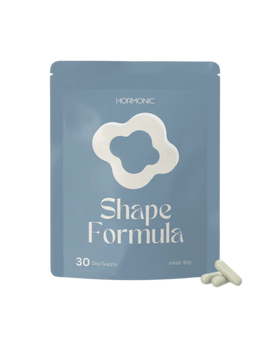
9 active ingredients for cravings & blood sugar
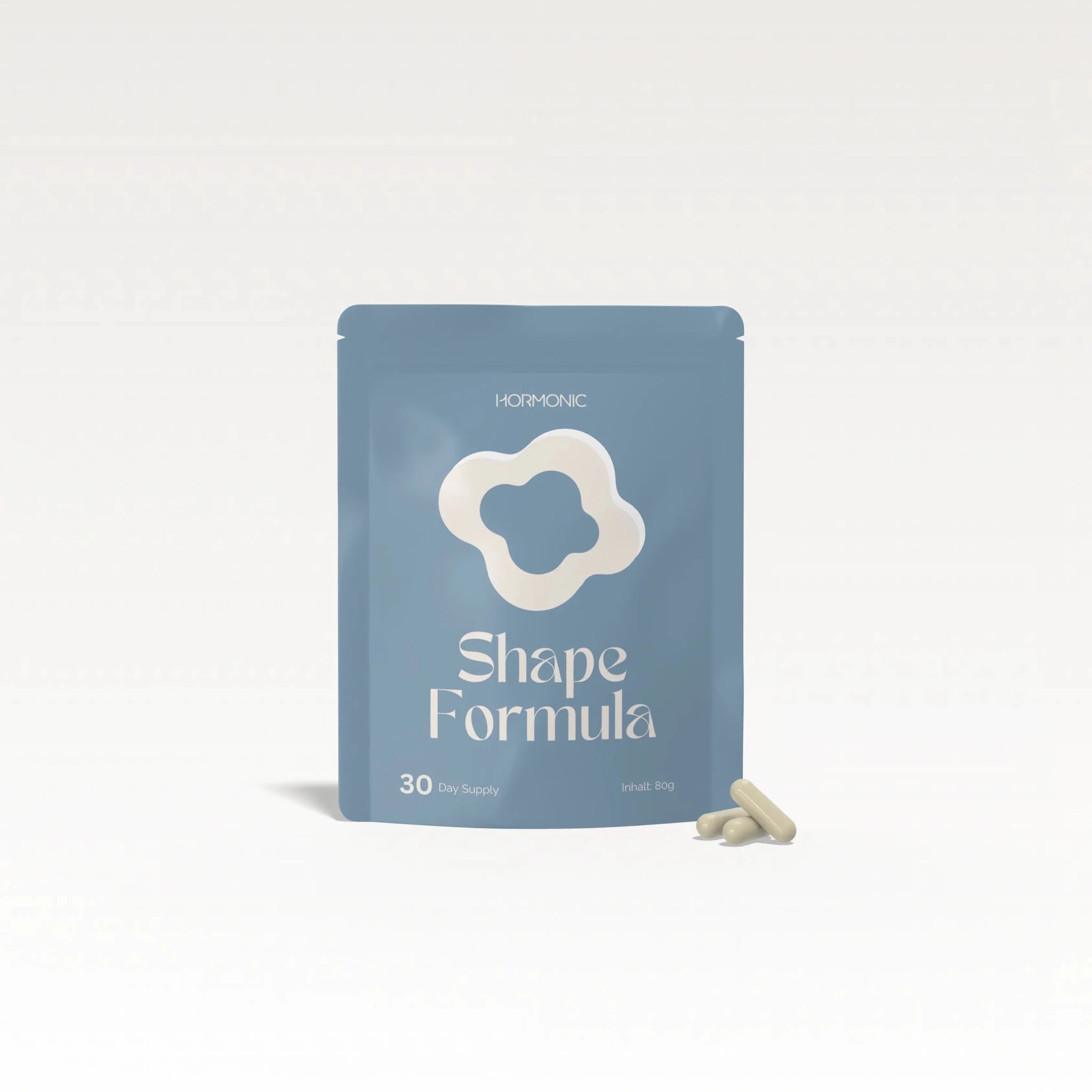
Because blood sugar is behind the craving for sweets, it's worth addressing it directly. The Shape Formula combines ten active ingredients that have been studied in research on glucose and fat metabolism, including chromium, which contributes to the maintenance of normal blood sugar levels, as well as cinnamon, chlorogenic acid, and satiating acacia fiber. Developed by doctors and loved by thousands.
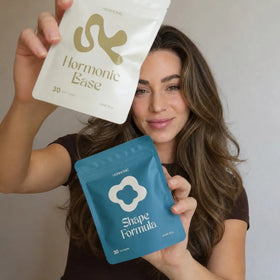
Complete supplement support for women who want more
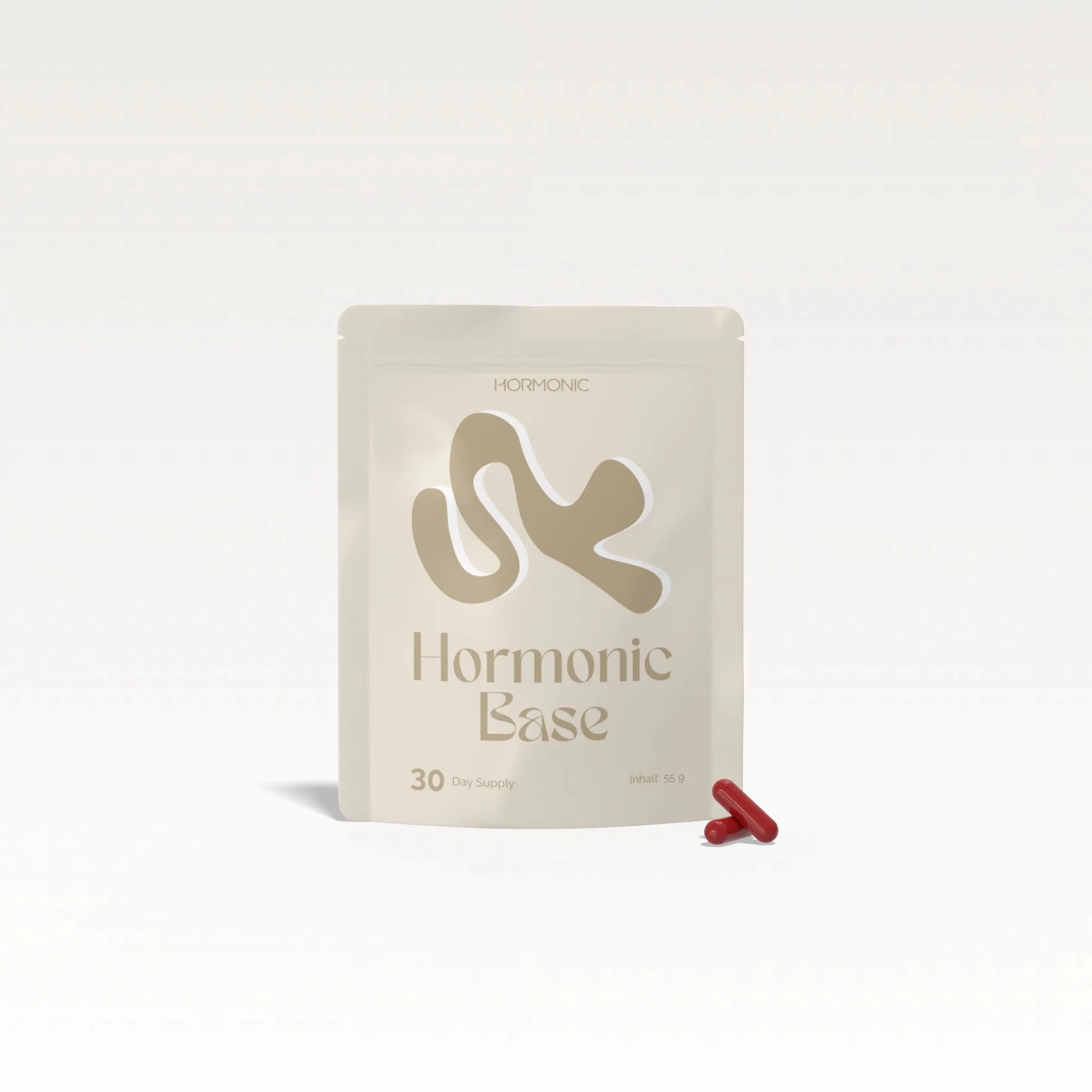
Hormonic Base provides the 16 essential active ingredients, such as magnesium, vitamin B, and zinc, that the body needs daily for central processes. Shape builds on this and specifically addresses issues in the areas of blood sugar, metabolism, and the gut. For women seeking a holistic routine.
Frequently Asked Questions on Sugar Addiction and Cravings
Is sugar addiction a real addiction?
Why do I constantly crave sweets?
Was hilft wirklich gegen Heißhunger auf Süßes?
Hilft Chrom oder Zimt gegen Zuckersucht?
Scientific Sources
- Westwater, M. L., Fletcher, P. C., Ziauddeen, H. (2016). Sugar addiction: the state of the science. Eur J Nutr, 55(Suppl 2), 55-69. doi:10.1007/s00394-016-1229-6
- Markus, C. R. et al. (2017). Eating dependence and weight gain; no human evidence for a sugar-addiction model of overweight. Appetite, 114, 64-72. doi:10.1016/j.appet.2017.03.024
- Hebebrand, J. et al. (2014). 'Eating addiction', rather than 'food addiction', better captures addictive-like eating behavior. Neurosci Biobehav Rev, 47, 295-306. doi:10.1016/j.neubiorev.2014.08.016
- Wyatt, P. et al. (2021). Postprandial glycaemic dips predict appetite and energy intake in healthy individuals. Nat Metab, 3(4), 523-529. doi:10.1038/s42255-021-00383-x
- Polivy, J., Coleman, J., Herman, C. P. (2005). The effect of deprivation on food cravings and eating behavior in restrained and unrestrained eaters. Int J Eat Disord, 38(4), 301-309. PMID: 16261600
- Meule, A. (2020). The Psychology of Food Cravings: the Role of Food Deprivation. Curr Nutr Rep, 9, 251-257. doi:10.1007/s13668-020-00326-0
- Adam, T. C., Epel, E. S. (2007). Stress, eating and the reward system. Physiol Behav, 91(4), 449-458. doi:10.1016/j.physbeh.2007.04.011
- Food Cravings and Obesity in Women with Polycystic Ovary Syndrome (2024). PMID: 38613082 / PMC11013286.
- Docherty, J. P. et al. (2005). A double-blind, placebo-controlled, exploratory trial of chromium picolinate in atypical depression: effect on carbohydrate craving. J Psychiatr Pract, 11(5), 302-314. PMID: 16184071
- Regulation (EU) No 432/2012; EFSA Journal 2010;8(10):1732 (Chromium, normal blood glucose levels & macronutrient metabolism).
- EFSA (2008). Coumarin in flavourings and other food ingredients: tolerable daily intake. EFSA Journal, 793, 1-15. doi:10.2903/j.efsa.2008.793
About the Author

You might also be interested in this.
Cravings before your period are hormonally controlled and normal. Learn why serotonin and progesterone trigger these cravings and what truly helps against them.
Insulin resistance affects many women, but often remains undetected for a long time. Learn how hormones and metabolism are connected and what can specifically help with insulin resistance.

How harmful are blood sugar spikes in healthy women really, and do you need a CGM? An honest, evidence-based look behind the glucose hype, including cycle and menopause effects.