Cart

Your cart is empty

Continue shopping

Trending searches

Featured products

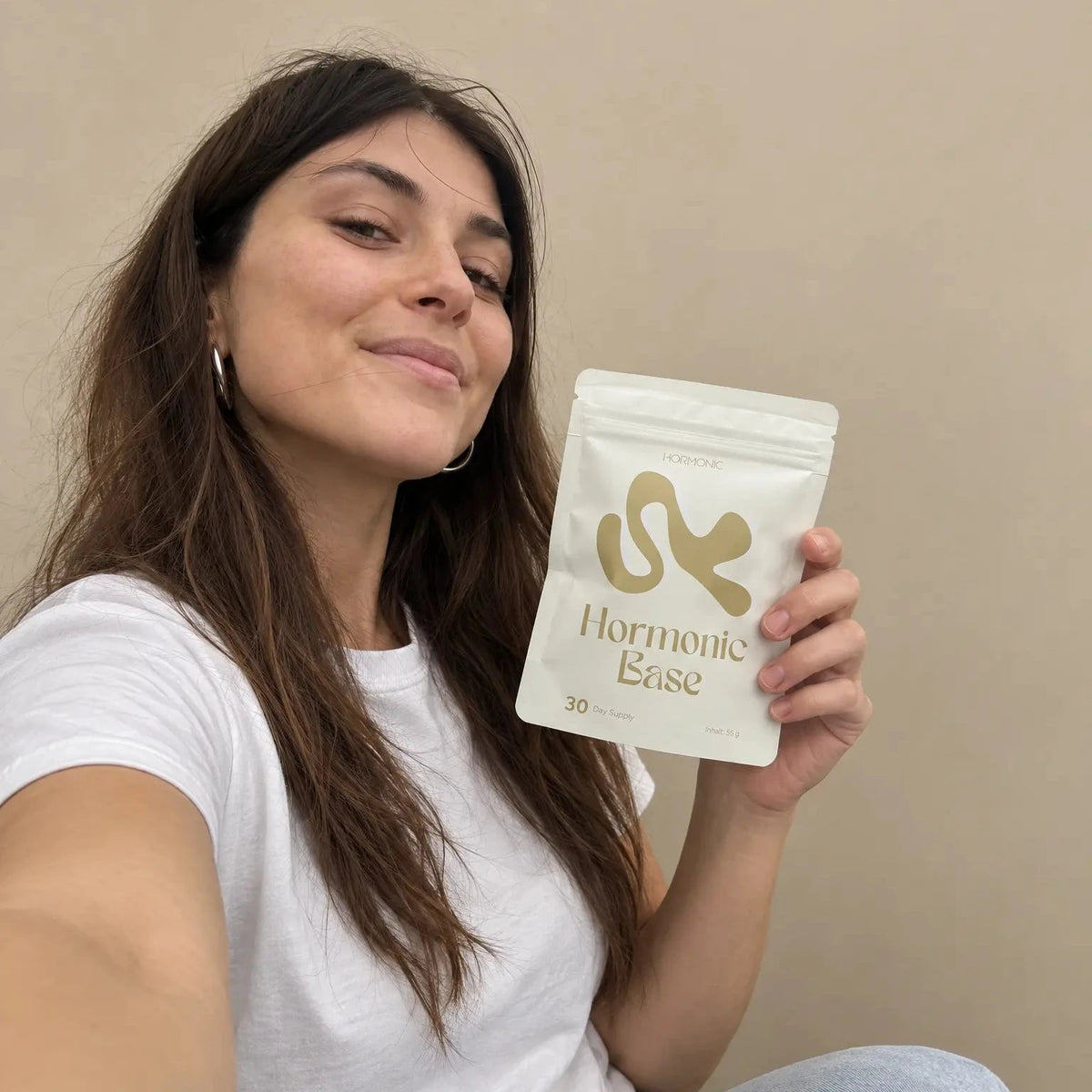
Hormonic Base - Hormonic - Nahrungsergänzungsmittel
Sale price€65,00
(5.0)
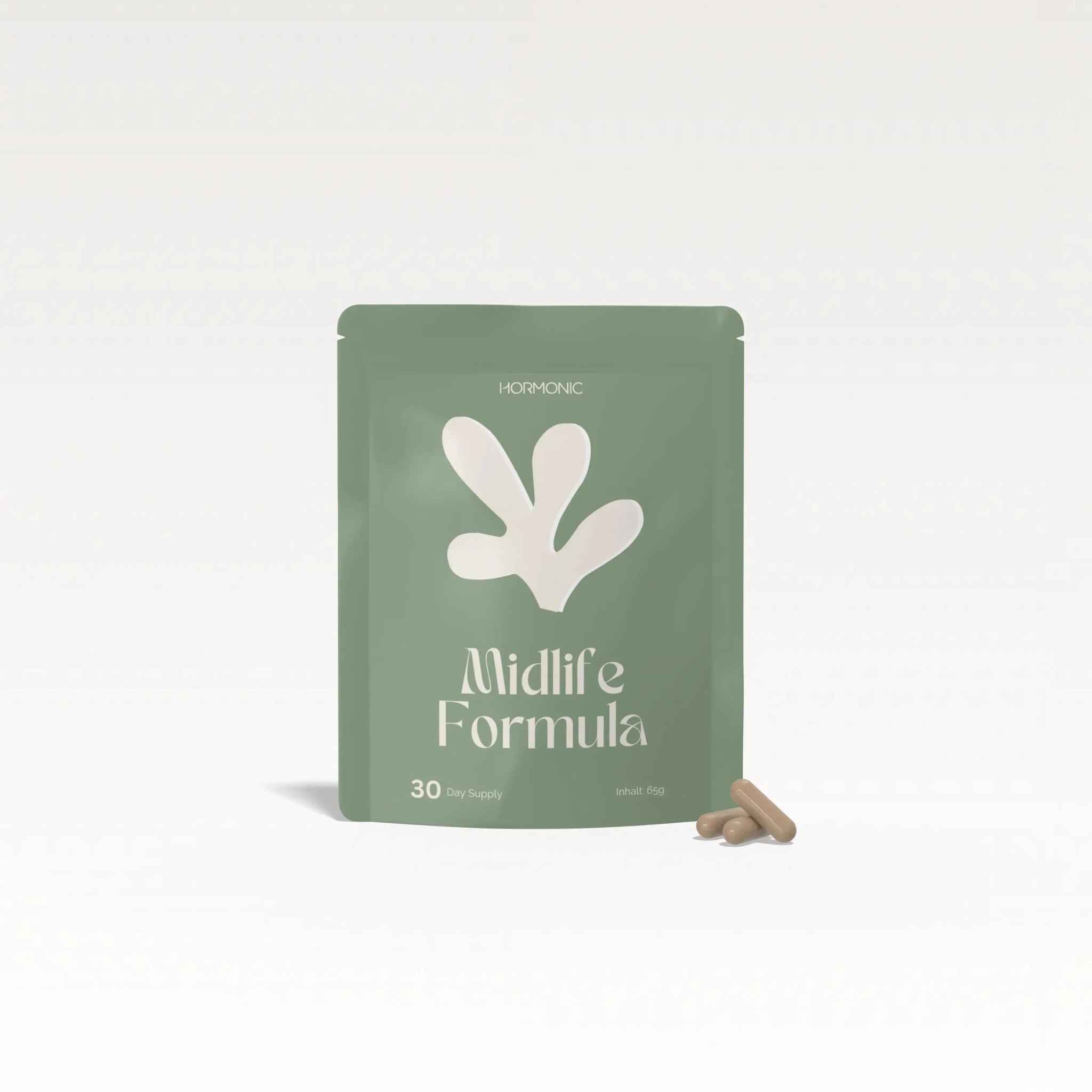
Midlife Formula - Hormonic - Nahrungsergänzungsmittel
Sale price€75,00
(5.0)
Kurkuma bei Frauen: Was Curcumin laut Studien wirklich kann - Hormonic
MikronährstoffeJul 25, 20267 min read

Turmeric for Women: What Curcumin Can Really Do, According to Studies

This article is part of: Micronutrients and Hormones: The Female Guide

Turmeric is the wellness world's favorite spice, and I've long remained skeptical as to whether there's more to the golden latte than just a pretty color. I myself have firmly incorporated curcumin into my routine for a longer period, especially concerning inflammation issues and my gut, and have simultaneously delved into the studies.

What convinced me: The best-researched effect of curcumin lies precisely there, in inflammatory processes. In this article, I categorize what curcumin can really do for women, why absorption in the body is the real sticking point, and when caution is advisable, especially with high-dose capsules.

What can turmeric really do for women?

Curcumin, the main active ingredient in turmeric, is primarily researched for its anti-inflammatory effects, and this is where the evidence is strongest: Several meta-analyses of randomized studies observe lower levels of the inflammatory marker CRP with curcumin. For women, two additional areas include small studies on PMS and menstrual pain, as well as favorable blood sugar and inflammatory markers in PCOS. The effects are promising, but many studies are small. Therefore, turmeric is an exciting component, not a cure.

Area of Application What the Studies Show
Inflammation (CRP) Meta-analyses: lower inflammation markers (CRP).
Period Pain & PMS Small, positive studies, data basis still thin.
PCOS Improved insulin and CRP levels, no effect on testosterone.
Joints Strongest evidence: less osteoarthritis pain, often similar to NSAIDs.

Period Pain and PMS: What the Studies Say

The effect is most well-established for Premenstrual Syndrome (PMS). In a randomized, placebo-controlled study with 70 women, curcumin (around 200 milligrams per day over three cycles) significantly reduced the overall severity of PMS symptoms, including mood, behavior, and physical discomfort (Khayat et al., 2015).

There are also positive signs for period pain: small individual studies suggest reduced pain intensity when curcumin is taken around the onset of menstruation. However, the data for this is sparse and not yet conclusively proven.

As encouraging as this sounds, the studies are small, short, and often originate from a single region. This is a strong initial suspicion but not yet proof. Therefore, I would view curcumin as a useful supplement to proven measures, not as a replacement. You can read what else helps with period pain in our article on Period Pain.

Inflammation: Curcumin's Greatest Strength

Curcumin's most extensively studied effect concerns inflammatory processes. Several meta-analyses of randomized studies observed that curcumin intake can be associated with lower levels of the inflammatory marker CRP (Sahebkar, 2014; Gorabi and Sahebkar, 2022). Another analysis also found lower levels of the messenger substance interleukin-6, while no clear effect was shown for TNF-alpha (Tabrizi et al., 2019). How strong the effect is in individual cases varies, and the studies describe observations of inflammatory markers, not promises of cures.

There are also exciting signals regarding the gut, though exclusively as a supplement to standard medical therapy. In a randomized study of mild to moderate ulcerative colitis, more patients achieved remission when they took curcumin in addition to their standard medication (Lang et al., 2015). To be honest: this was a small, short study, and curcumin was always used as an addition, never as a replacement for medical treatment. I personally like curcumin as a gentle, long-term companion for my inflammation and gut feeling, but I do not use it to replace necessary medical therapies.

In PCOS, which is often associated with silent inflammation and insulin resistance, curcumin improved fasting glucose, insulin, and CRP in a review study. Important and honest: it had no significant effect on the male hormone testosterone, so it is not a remedy for androgens (Shen et al., 2022). You can read more about the connection between sugar and hormones in our article on Insulin Resistance in Women.

The strongest evidence for curcumin, by the way, lies outside women's health, in joint problems: several meta-analyses show that curcuminoids can alleviate osteoarthritis pain, in some studies as effectively as classic painkillers. This is particularly relevant during menopause, when joint painbecomes more frequent.

Curcumin in the Physician's Nutrient Foundation

Hormonic Base combines curcumin with 15 other micronutrients and botanicals as a daily basic supplement for women who want to support their bodies every day. Doctor-developed, produced in Austria, and rigorously laboratory-tested.

Learn more

Bioavailability: why turmeric alone has little effect

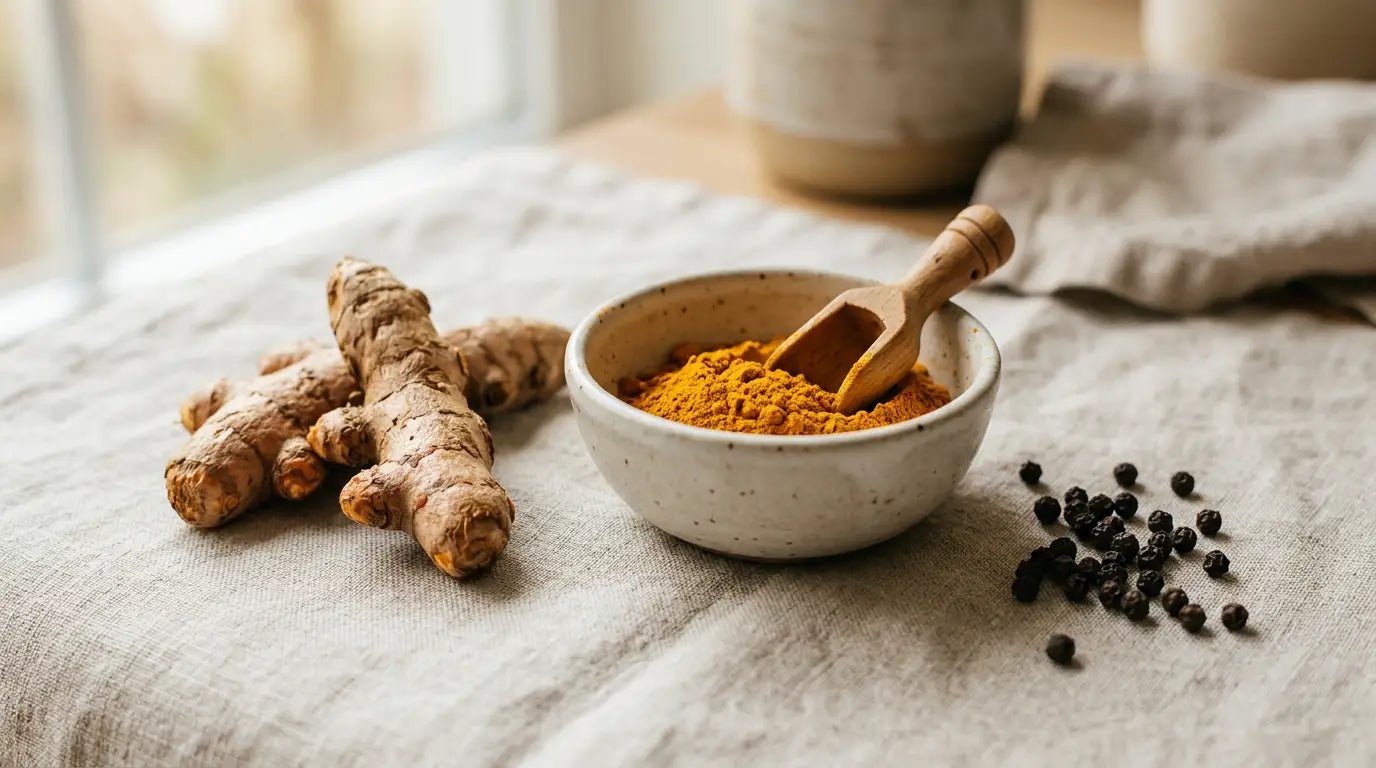
The most important point that many guides omit: curcumin is naturally poorly available. It is absorbed in the gut only in small amounts, quickly metabolized, and rapidly excreted. A spoonful of turmeric powder in food therefore provides only a fraction of the amounts that were effective in studies.

Two ways improve absorption: black pepper (piperine), which slows down breakdown in the liver, and modern formulations where curcumin is bound to fats or as finest particles. In studies, effective doses often ranged between approximately 200 and 1,000 milligrams of curcuminoids per day, depending on the complaint, often combined with some piperine.

Safety: Liver, interactions, and who should be careful

As a spice in normal culinary amounts, turmeric is considered safe. For high-dose extracts, the situation is more nuanced. Expert databases now list turmeric as a recognized, albeit rare, cause of individual liver reactions with elevated liver enzymes, which usually normalize after discontinuation. The risk appears to be higher with high-dose and piperine-containing products, meaning the same combination that improves absorption.

Caution is also advised if you are taking blood-thinning medications, suffer from gallstones, or are pregnant. In these cases, you should only use high-dose turmeric preparations after consulting a doctor.

We therefore deliberately use curcumin in moderation: Hormonic Basecontains 250 milligrams of curcumin per daily dose, embedded as one of 16 micronutrients and plant substances. This amount is consciously designed for daily, long-term intake, not for short-term high dosing. This fits exactly with the safety situation: The goal is not the highest possible dose, but a moderate, well-tolerated amount that can be integrated into daily life over months and years. We deliberately make no healing promises, but provide the building blocks that supplement a healthy diet.

And if you are unsure what truly makes sense for your symptoms, you can discuss this in a free initial consultationwith one of our doctors.

Unsure what really makes sense for your symptoms?

In a free, 15-minute initial consultation, one of our doctors will address your questions about your cycle, inflammation, and suitable active ingredients – with no obligation. Conveniently via video call from home, with no waiting times.

For a free consultation

Conclusion

Turmeric is more than a trend but less than a miracle cure. For menstrual pain and PMS, there are small, encouraging studies; for inflammation and PCOS, positive metabolic signals; and for joints, the best data. The catch is its poor absorption, which is why pepper or special formulations are needed. As a spice, turmeric is harmless, but with high-dose extracts, it's worth checking the liver and potential interactions. Used in moderation, curcumin is a valuable component, not a replacement for proven treatments.

Common Questions About Turmeric for Women

Does turmeric help with period pain?

Individual small, randomized studies indicate that curcumin can reduce the severity of period pain, especially when taken around the start of menstruation. However, the data available is still limited and preliminary, which is why turmeric should supplement rather than replace proven treatments.

How much turmeric or curcumin per day?

In studies, effective amounts ranged from about 200 to 1,000 milligrams of curcuminoids per day, depending on the application, often combined with some black pepper (piperine). You can hardly achieve these amounts through turmeric as a spice. For high-dose extracts: do not overdo it permanently and consult a doctor if you have pre-existing conditions.

Warum Kurkuma mit schwarzem Pfeffer?
Curcumin wird im Darm nur schlecht aufgenommen und schnell wieder abgebaut. Piperin aus schwarzem Pfeffer bremst diesen Abbau und steigerte die Curcumin-Aufnahme in einer Studie um rund 2.000 Prozent. Deshalb enthalten gute Präparate Pfeffer oder eine spezielle Formulierung.
Ist Kurkuma schädlich für die Leber?
Als Gewürz in üblichen Mengen gilt Kurkuma als sicher. Hochdosierte Extrakte stehen mit seltenen, meist umkehrbaren Leberreaktionen in Verbindung, besonders in Kombination mit Piperin. Bei blutverdünnenden Medikamenten, Gallensteinen oder in der Schwangerschaft solltest Du hochdosierte Präparate nur nach ärztlicher Rücksprache nehmen.

Scientific Sources

  • Shoba, G. et al. (1998). Influence of piperine on the pharmacokinetics of curcumin in animals and human volunteers. Planta Medica, 64(4), 353-356.
  • Khayat, S. et al. (2015). Curcumin attenuates severity of premenstrual syndrome symptoms: A randomized, double-blind, placebo-controlled trial. Complementary Therapies in Medicine, 23(3), 318-324.
  • Shen, W. et al. (2022). Therapeutic effect and safety of curcumin in women with PCOS: a systematic review and meta-analysis. Frontiers in Endocrinology, 13, 1051111. doi:10.3389/fendo.2022.1051111
  • Sahebkar, A. (2014). Are curcuminoids effective C-reactive protein-lowering agents in clinical practice? Evidence from a meta-analysis. Phytotherapy Research, 28(5), 633-642. doi:10.1002/ptr.5045
  • Gorabi, A. M. et al. (2022). Effect of curcumin on C-reactive protein as a biomarker of systemic inflammation: An updated meta-analysis of randomized controlled trials. Phytotherapy Research, 36(1), 85-97. doi:10.1002/ptr.7284
  • Tabrizi, R. et al. (2019). The effects of curcumin-containing supplements on biomarkers of inflammation and oxidative stress: a systematic review and meta-analysis of randomized controlled trials. Phytotherapy Research, 33(2), 253-262. doi:10.1002/ptr.6226
  • Lang, A. et al. (2015). Curcumin in combination with mesalamine induces remission in patients with mild-to-moderate ulcerative colitis in a randomized controlled trial. Clinical Gastroenterology and Hepatology, 13(8), 1444-1449. doi:10.1016/j.cgh.2015.02.019
  • Daily, J. W. et al. (2016). Efficacy of turmeric extracts and curcumin for alleviating the symptoms of joint arthritis: a systematic review and meta-analysis of randomized clinical trials. Journal of Medicinal Food, 19(8), 717-729. doi:10.1089/jmf.2016.3705
  • European Food Safety Authority (EFSA) (2017). Curcumin and normal functioning of joints: evaluation of a health claim. EFSA Journal, 15(5), 4774. doi:10.2903/j.efsa.2017.4774
  • LiverTox: Clinical and Research Information on Drug-Induced Liver Injury (2023). Turmeric. National Institute of Diabetes and Digestive and Kidney Diseases, NBK548561.

About the Author

Lee Paulina Pape

Lee Paulina Pape

Founder · MSc Psychology · Hormonic

Lee Paulina Pape is the founder of Hormonic and holds an MSc in Psychology. She writes about women's health, hormones, and an honest, evidence-based approach to one's own body.

Note: This article is based on current guidelines and scientific work (as of 2026). It is for informational purposes only and does not replace professional medical advice, diagnosis, or treatment.

Share

You might also be interested in this.

Starke Periodenschmerzen: Ursachen und was wirklich hilft - Hormonic
ZyklusJan 30, 20268 min read
Severe Period Pain: Causes and What Really Helps

Severe period pain is mostly caused by elevated prostaglandins. What causes them and what natural approaches can help according to studies.
Zinkmangel bei Frauen: Symptome, Ursachen und was hilft - Hormonic
MikronährstoffeJul 10, 20268 min read
Zinc Deficiency in Women: Symptoms, Causes, and Solutions

Zinc influences cycle, skin, thyroid, and fertility. What zinc deficiency means for women, what studies show, and how you can meet your needs.
Vitamin B6 bei PMS: Wirkung, Dosierung und Hormone - Hormonic
ZyklusJul 10, 20267 min read
Vitamin B6 for PMS: Effects, Dosage, and Hormones

Can vitamin B6 relieve PMS? What studies show, how B6 affects hormones and mood, and what dosage is safe.