



Brief definition: Leptin is a hormone produced by your fat cells. It signals to the brain that enough energy is stored and suppresses appetite – which is why it's often called the "satiety hormone." Its counterpart is the hunger hormone ghrelin.
Key Takeaways
- Leptin is the satiety hormone from fat cells; it signals to the brain that sufficient energy is available.
- Its counterpart is ghrelin, the hunger hormone from the stomach.
- In obesity, leptin is often chronically high, but the brain responds less effectively – this is called leptin resistance (Considine 1996, Myers 2010).
- Too little sleep lowers leptin and increases ghrelin – leading to increased appetite (Taheri 2004).
- In women, leptin is closely linked to body fat and fertility: too little leptin can stop the menstrual cycle (Welt 2004).
- No pill can "fix" leptin resistance – sleep, stable blood sugar, and weight are the real levers.
First, I want to clear up a common misconception: Leptin is not a "slimming hormone" that you can simply boost. On the contrary – those struggling with weight usually have too much, rather than too little, leptin.
In this article, we'll examine what leptin truly does, what's behind the term leptin resistance, and why sleep, blood sugar, and the female cycle are so closely connected to this hormone – according to current research.
What is Leptin and what does it do?
Leptin was discovered in 1994 (Zhang 1994) and fundamentally changed our understanding of hunger and satiety. It is produced in fat cells: The more body fat, the more leptin typically circulates in the blood. Leptin travels to the brain, specifically the hypothalamus, and signals "energy stores are full." This suppresses appetite and keeps energy expenditure stable. If leptin levels drop – for instance, during weight loss – the brain registers this as a warning signal, and appetite increases. This is precisely what makes maintaining weight so challenging.
| Hormone | Origin | Signal to the brain |
|---|---|---|
| Leptin | Fat cells | "Full" – enough energy available |
| Ghrelin | Stomach | "Hunger" – time to eat |
Did you know? Those who regularly sleep only five hours instead of eight have, on average, around 15% less leptin and about 15% more ghrelin – a combination that noticeably drives appetite (Taheri 2004).
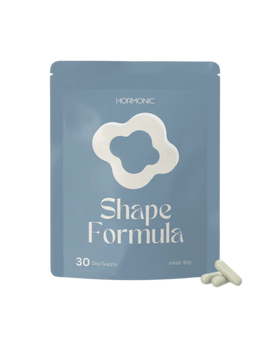
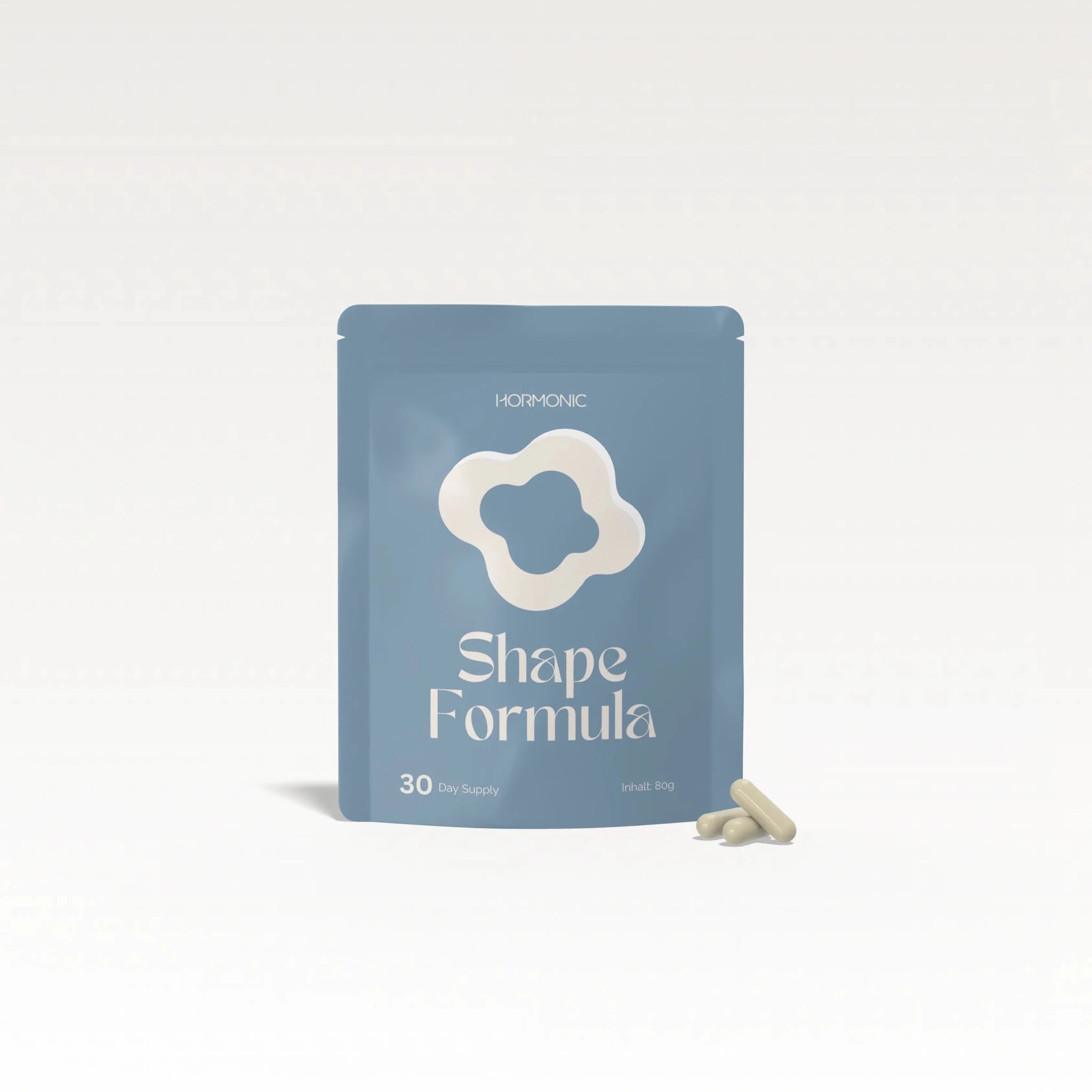
Shape Formula: Targeted Metabolic Support
The Shape Formula combines chromium with selected plant-based ingredients. Chromium contributes to normal blood sugar levels and the normal metabolism of macronutrients. Expert-developed and a bestseller at Hormonic.
€75,00
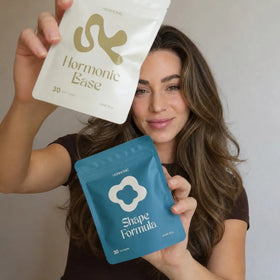
Shape Bundle for Hormone & Metabolism Support
The Shape Bundle combines Hormonic Base with Shape Formula: the daily micronutrient base with 16 essential active ingredients such as zinc, magnesium, B vitamins, and vitamin D, plus targeted metabolic support.
Frequent questions about leptin
Can Leptin be influenced by tablets?
What is the difference between leptin and ghrelin?
How do I recognize leptin resistance?
Does better sleep help against cravings?
Sources
- Zhang Y et al. Positional cloning of the mouse obese gene and its human homologue. Nature. 1994;372(6505):425–432. DOI 10.1038/372425a0.
- Considine RV et al. Serum immunoreactive-leptin concentrations in normal-weight and obese humans. N Engl J Med. 1996;334(5):292–295. DOI 10.1056/NEJM199602013340503.
- Taheri S et al. Short sleep duration is associated with reduced leptin, elevated ghrelin, and increased body mass index. PLoS Med. 2004;1(3):e62. DOI 10.1371/journal.pmed.0010062.
- Welt CK et al. Recombinant human leptin in women with hypothalamic amenorrhea. N Engl J Med. 2004;351(10):987–997. DOI 10.1056/NEJMoa040388.
- Myers MG et al. Obesity and leptin resistance: distinguishing cause from effect. Trends Endocrinol Metab. 2010;21(11):643–651. DOI 10.1016/j.tem.2010.08.002.
- EFSA NDA Panel. Scientific Opinion on health claims related to chromium. EFSA Journal. 2010;8(10):1732.
- Talenezhad N et al. Effects of l-carnitine supplementation on weight loss and body composition: a systematic review and meta-analysis of 37 RCTs with dose-response analysis. Clin Nutr ESPEN. 2020;37:9–23. DOI 10.1016/j.clnesp.2020.03.008.
- Akbari M et al. The effects of alpha-lipoic acid supplementation on glucose control and lipid profiles among patients with metabolic diseases: a systematic review and meta-analysis of RCTs. Metabolism. 2018;87:56–69. DOI 10.1016/j.metabol.2018.07.002.
- Kanchanasurakit S et al. Chlorogenic acid in green bean coffee on body weight: a systematic review and meta-analysis of randomized controlled trials. Syst Rev. 2023;12:163. DOI 10.1186/s13643-023-02311-4.
- Zarezadeh M et al. The effect of cinnamon supplementation on glycemic control in patients with type 2 diabetes or with polycystic ovary syndrome: an umbrella meta-analysis. Diabetol Metab Syndr. 2023;15(1):127. DOI 10.1186/s13098-023-01057-2.
About the Author

You might also be interested in this.

Insulin resistance affects many women, but often remains undetected for a long time. Learn how hormones and metabolism are connected and what can specifically help with insulin resistance.

Is sugar addiction real? An honest explanation: why sugar is not a drug, what's behind sugar cravings, and what really helps without strict abstinence.

How harmful are blood sugar spikes in healthy women really, and do you need a CGM? An honest, evidence-based look behind the glucose hype, including cycle and menopause effects.