
Offer ends in10:00

Cart

Your cart is empty

Continue shopping

Trending searches

Featured products

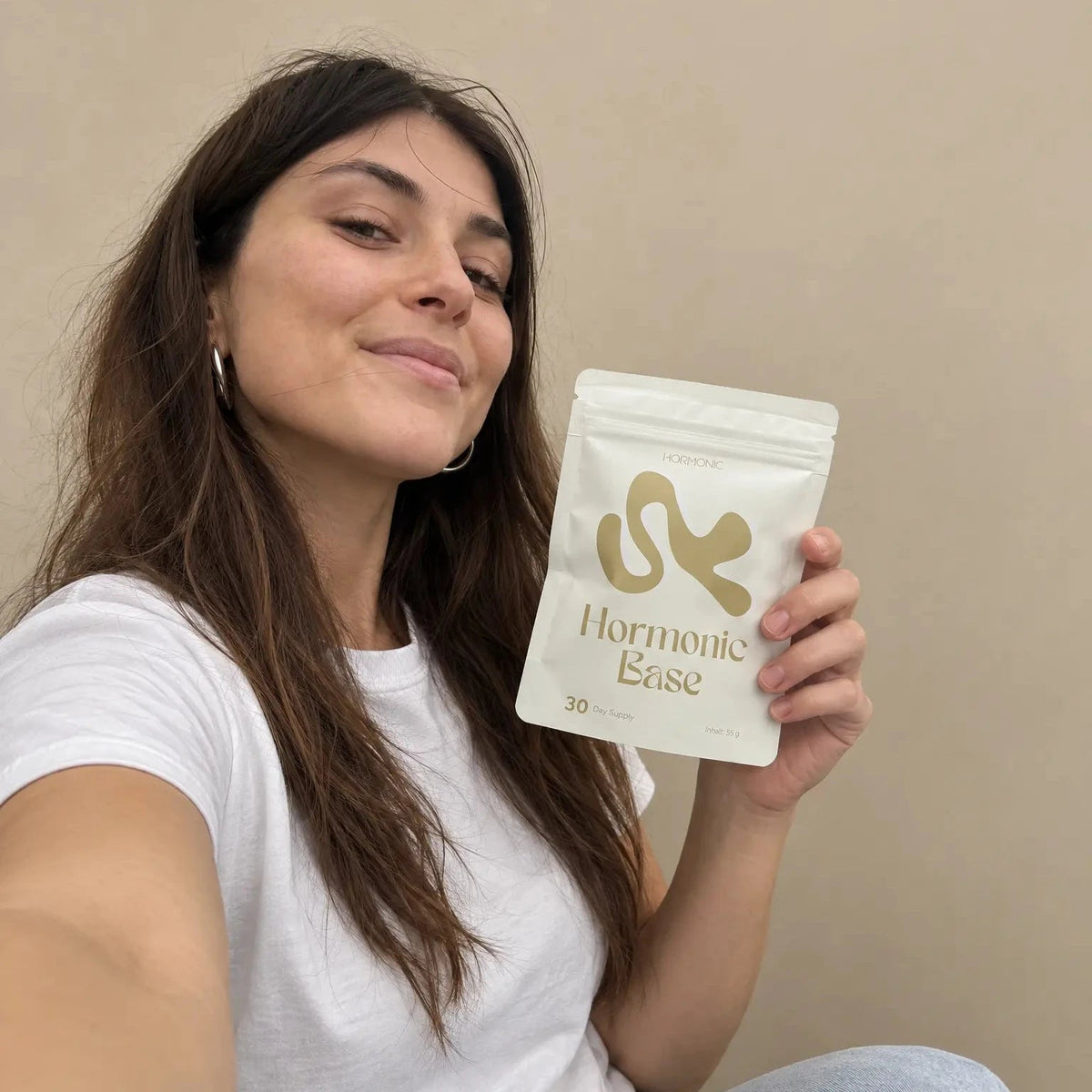
Hormonic Base - Hormonic - Nahrungsergänzungsmittel
Sale price€65,00
(5.0)
Midlife Formula - Hormonic - Nahrungsergänzungsmittel
Sale price€75,00
(5.0)
Missinformationen auf Social Media: Ein Wort von unserer Co-Founderin und Ärztin - Hormonic
PCOSJan 11, 20258 min read

PCOS myths on social media: A doctor sets the record straight

Polycystic ovary syndrome (PCOS) affects millions of women worldwide and is one of the most complex hormonal disorders. Many women feel lost in their search for effective treatment—a state of affairs exacerbated by misinformation and questionable "miracle cures" on social media. But real help is based on science, not myths. Here, you will learn why sound medical guidance for PCOS is so important and how you can protect yourself from misleading offers.

The lure of supposedly simple solutions

PCOS is a chronic hormonal disorder that, according to the WHO, affects 8 to 13 percent of all women of reproductive age, a large proportion of whom remain undiagnosed. Symptoms range from irregular cycles and fertility struggles to weight gain, acne, and hair loss. This variety makes PCOS complex, and that is precisely why there is no simple solution and currently no cure.

Unqualified individuals exploit this gap. They position themselves as "experts," selling diets, supplements, and coaching programs while promising miraculous healing. Such offers sound tempting because they claim to be simple and quick, but they are rarely based on scientific evidence. It is no coincidence that women are drawn to them: studies show that many PCOS patients are dissatisfied with the information provided by the healthcare system and desire more education (Gibson-Helm et al., 2017). Where medicine leaves a gap, the algorithm fills it. In the end, many are left not only disappointed but also with a poorer relationship with their body.

A check of the most common PCOS myths

We encounter these claims time and again in consultations and comment sections:

Myth What science says
"Give up gluten and dairy, and your PCOS will heal" No reliable evidence. Blanket restrictions are more likely to lead to stress and nutritional deficiencies
"This one supplement cures PCOS" No supplement cures PCOS. When used specifically, individual active ingredients can provide support, nothing more
"Metformin is poison, take natural remedies instead" General fear-mongering is negligent. Medications can be an important component of therapy
"You can't have children with PCOS" False. Many women with PCOS get pregnant, often with targeted support
"PCOS disappears if you just lose weight" Weight is just one of many levers, and PCOS also affects thin women

Such myths do not just create uncertainty. Those who rely on unverified information risk delayed treatment, and in the long term, this increases the risk of secondary conditions such as type 2 diabetes, cardiovascular disease, and psychological distress. Research on health information on social platforms shows that misinformation is widespread there, especially regarding chronic and difficult-to-pinpoint illnesses (Suarez-Lledo and Alvarez-Galvez, 2021).

What really helps according to the guidelines

Even though there is no cure: PCOS can be managed well, and what helps in this regard has been researched. The international PCOS guideline, which involved over 100 experts and patient representatives, identifies the cornerstones (Teede et al., 2023):

  • Individual lifestyle changes: A balanced, blood-sugar-friendly diet, regular exercise, and stress management can measurably alleviate symptoms. You can find concrete, everyday strategies in the article on PCOS nutrition.
  • Targeted supplements instead of miracle pills: Individual active ingredients such as myo-inositol are discussed as an option in the guideline and are comparatively well-researched for PCOS. The decisive factor is targeted use based on need rather than indiscriminate treatments. You can read the honest comparison under Inositol vs. Metformin.
  • Medication without dogma: If basic measures are not enough, medication can be an important component of therapy. Demonizing them across the board is just as wrong as selling them as the only solution.
  • Holistic care: The combination of medical treatment, psychosocial support, and lifestyle adjustments provides the best foundation for a good life with PCOS.

It is important that every treatment is adapted to individual needs. There is no one-size-fits-all solution, which is exactly why a proper PCOS diagnosisand personal guidance are so important.

Why supplements alone are not enough

We say this as a company that develops supplements: nutritional supplements can be a valuable component, but they are no substitute for a holistic approach. Every woman has individual needs, and supplements are only sensible and safe when they match actual requirements.

  • Targeted use: In-depth diagnostics show which values are actually out of balance. This way, you avoid unnecessary or disadvantageous intake.
  • Minimizing risks: Supplements can cause interactions with medication. Medical guidance protects against undesirable effects.
  • The right context: Supplements alone do not regulate the complex hormonal processes in PCOS. They belong in a plan consisting of diet, exercise, stress management, and, where necessary, medical therapy.

Hormone Diagnostic Kit: Facts instead of fodder for the algorithm

Before you try the next trend: Know your levels. The at-home diagnostic kit measures PCOS-relevant hormone and metabolic markers, analyzed in the ISO-certified partner laboratory Labor Krone and evaluated by doctors. This way, you can make decisions based on your data instead of 15-second videos.

Test values now

How to identify credible information

The rise of accounts offering "cures" for complex illnesses shows how important healthy skepticism is. Before you trust a health product or recommendation, ask yourself three questions:

  • Is the source qualified? Rely on experts with medical training, not online certificates or follower counts.
  • Is there evidence? Look for recommendations supported by studies or clinical guidelines, not individual anecdotes.
  • Does it sound too good to be true? Chronic conditions like PCOS cannot be "cured" in a few weeks with a pill, a powder, or a diet.

Our approach at Hormonic

As a doctor and co-founder of Hormonic, my mission is to give women with PCOS and other hormonal challenges access to scientifically sound, holistic support. Every one of our recommendations is based on studies and clinical guidelines; we provide clear explanations for why something is beneficial for you, and our focus is on the root causes rather than just the symptoms. You can find the complete, guideline-based overview of causes, diagnosis, and treatment in our comprehensive PCOS guide.

And if you are feeling unsure about what to do next: in a free 15-minute initial consultationyou can discuss your situation with a licensed physician, ask your questions, and work together to determine your next steps—no strings attached and from the comfort of your home.

15 minutes with a doctor instead of 15 seconds of TikTok

Do you have PCOS or suspect you might, and feel overwhelmed by conflicting advice? In a free initial consultation, a licensed physician will listen to you, assess your symptoms, and give you honest guidance on which next steps are useful and which are not. No obligation, via video, from the comfort of your home.

Book your free initial consultation

Conclusion: Trust in science rather than trends

PCOS is a condition that can be managed well with the right measures. However, it takes time, patience, and well-founded knowledge. Short-term "solutions" from unqualified individuals often lead to disappointment and sometimes to more harm than good.

You deserve better: respect, transparency, and medically sound support that takes your individual situation seriously. Because your health is your greatest strength.

Frequently Asked Questions about PCOS Myths

Can PCOS be cured?

No. PCOS is a chronic hormonal disorder for which there is currently no cure. The good news: symptoms can be managed effectively through lifestyle measures, targeted support, and, where necessary, medication. Anyone who promises you a quick cure is selling you a promise that science cannot back up.

Do I need to avoid gluten and dairy products if I have PCOS?

There is no reliable evidence that a blanket avoidance of gluten or dairy products improves PCOS symptoms, provided there is no intolerance. Strict forbidden lists are more likely to create stress and nutritional gaps. A more sensible approach is a blood-sugar-friendly, balanced diet that you can maintain in the long term.

Welche Supplements helfen wirklich bei PCOS?
Gezielt eingesetzt können einzelne Wirkstoffe unterstützen: Myo-Inositol etwa wird in der internationalen PCOS-Leitlinie als Option diskutiert und ist bei PCOS vergleichsweise gut untersucht. Kein Supplement heilt PCOS, und wahllose Kuren bringen nichts. Am meisten holst Du heraus, wenn Du zuerst Deine Werte kennst und dann gezielt ergänzt.
Woran erkenne ich seriöse PCOS-Informationen online?
Prüfe drei Dinge: Hat die Person eine medizinische Ausbildung? Stützen Studien oder Leitlinien die Aussage, oder nur Einzelerfahrungen? Und klingt das Versprechen zu gut, um wahr zu sein? Seriöse Fachleute versprechen bei einer chronischen Erkrankung keine schnelle Heilung, sie erklären Optionen und ihre Grenzen.

Scientific Sources

  • Teede HJ et al. (2023). Recommendations from the 2023 International Evidence-based Guideline for the Assessment and Management of Polycystic Ovary Syndrome. Human Reproduction 38(9):1655-1679. doi:10.1093/humrep/dead156
  • World Health Organization (2023). Polycystic ovary syndrome. Fact sheet.
  • March WA et al. (2010). The prevalence of polycystic ovary syndrome in a community sample assessed under contrasting diagnostic criteria. Human Reproduction 25(2):544-551. doi:10.1093/humrep/dep399
  • Gibson-Helm M et al. (2017). Delayed diagnosis and a lack of information associated with dissatisfaction in women with polycystic ovary syndrome. Journal of Clinical Endocrinology and Metabolism 102(2):604-612. doi:10.1210/jc.2016-2963
  • Suarez-Lledo V, Alvarez-Galvez J (2021). Prevalence of health misinformation on social media: systematic review. Journal of Medical Internet Research 23(1):e17187. doi:10.2196/17187

About the Author
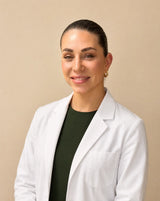
Lisa Maria Emmer

Lisa Maria Emmer

Founder · Physician · Hormonic

Lisa Maria Emmer is co-founder and medical director at Hormonic. She supports women with hormonal problems every day and specializes in cycle health, PCOS, and menopause.

Note: This article is based on current guidelines and scientific work (as of 2026). It is for informational purposes only and does not replace medical advice, diagnosis, or treatment.

Share

You might also be interested in this.

PCOS: Der Guide zu Ursachen, Symptomen und Behandlung - Hormonic
PCOSMay 27, 20267 min read
PCOS: The Guide to Causes, Symptoms, and Treatment

PCOS, now also known as PMOS, affects 8 to 13 percent of women of reproductive age. This guide explains causes, symptoms, diagnosis, and what the evidence says about lifestyle, inositol, and micron...
PCOS Diagnose: Wie PCOS festgestellt wird - Hormonic
DiagnostikAug 12, 20268 min read
PCOS Diagnosis: How PCOS Is Diagnosed

PCOS is diagnosed using the Rotterdam criteria: at least two out of three features plus the exclusion of other causes. This is how the assessment is carried out, including hormone markers, ultrasou...
Inositol vs. Metformin bei PCOS: Der ehrliche Vergleich - Hormonic
PCOSAug 14, 20268 min read
Inositol vs. Metformin for PCOS: An Honest Comparison

Inositol or Metformin for PCOS? An honest, study-based comparison of supplement and medication, with a clear table and the question of whether both can be combined.