

"Do I really have to take metformin, or is inositol enough?" I hear this question very frequently from PCOS patients. Often, I am sitting across from a young woman, freshly diagnosed with PCOS, with a prescription for metformin in her pocket and her head full of the many posts that celebrate inositol as a gentle, natural alternative. The desire behind this is understandable: as little medication as possible, as much self-determination as possible. But the honest answer is unfortunately not a simple either-or. If you are wondering whether inositol or metformin is the right choice for you with PCOS, it is worth taking a sober look at what both substances can do, where their limits lie, and why the choice should always be a joint decision with your doctor.
Inositol or metformin for PCOS, which is better? There is no one-size-fits-all answer to this. Metformin is the prescription medication with a larger and better-supported body of evidence, especially for insulin resistance, blood sugar, and cycle irregularities. Inositol is a dietary supplement that can show similar effects on the cycle and insulin sensitivity in studies and is usually better tolerated, but its evidence is more limited. Which one is suitable for whom depends on your PCOS type, your fertility goals, your tolerance, and your doctor's assessment.
Inositol and metformin in direct comparison
The most important difference first: metformin is a medication, inositol is a dietary supplement. This determines not only how you obtain both but also the reliability of the evidence and how strictly both are regulated. The following table compares the key points.
| Feature | Inositol (supplement) | Metformin (medication) |
|---|---|---|
| Type and status | Dietary supplement, over-the-counter | Prescription medication, prescribed by a doctor |
| Mechanism of action | Second messenger in the insulin signaling pathway, can support insulin sensitivity according to studies | Inhibits glucose production in the liver, improves insulin action |
| Evidence for PCOS | Promising but limited (meta-analyses, smaller RCTs) | Broad and guideline-supported for metabolism and cycle |
| Typical side effects | Rare and mild, slight gastrointestinal complaints at high doses | More frequent gastrointestinal complaints, potential reduction of vitamin B12 |
| Prescription | No prescription required, out-of-pocket payment | Prescription required, usually off-label for PCOS |
| Often chosen for | Desire for a gentler option, good tolerability, as a supplement | Pronounced insulin resistance, obesity, clear metabolic indication |
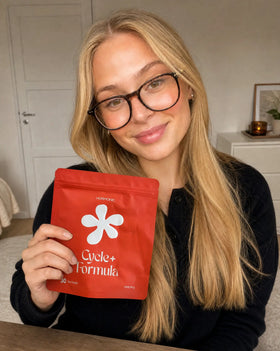
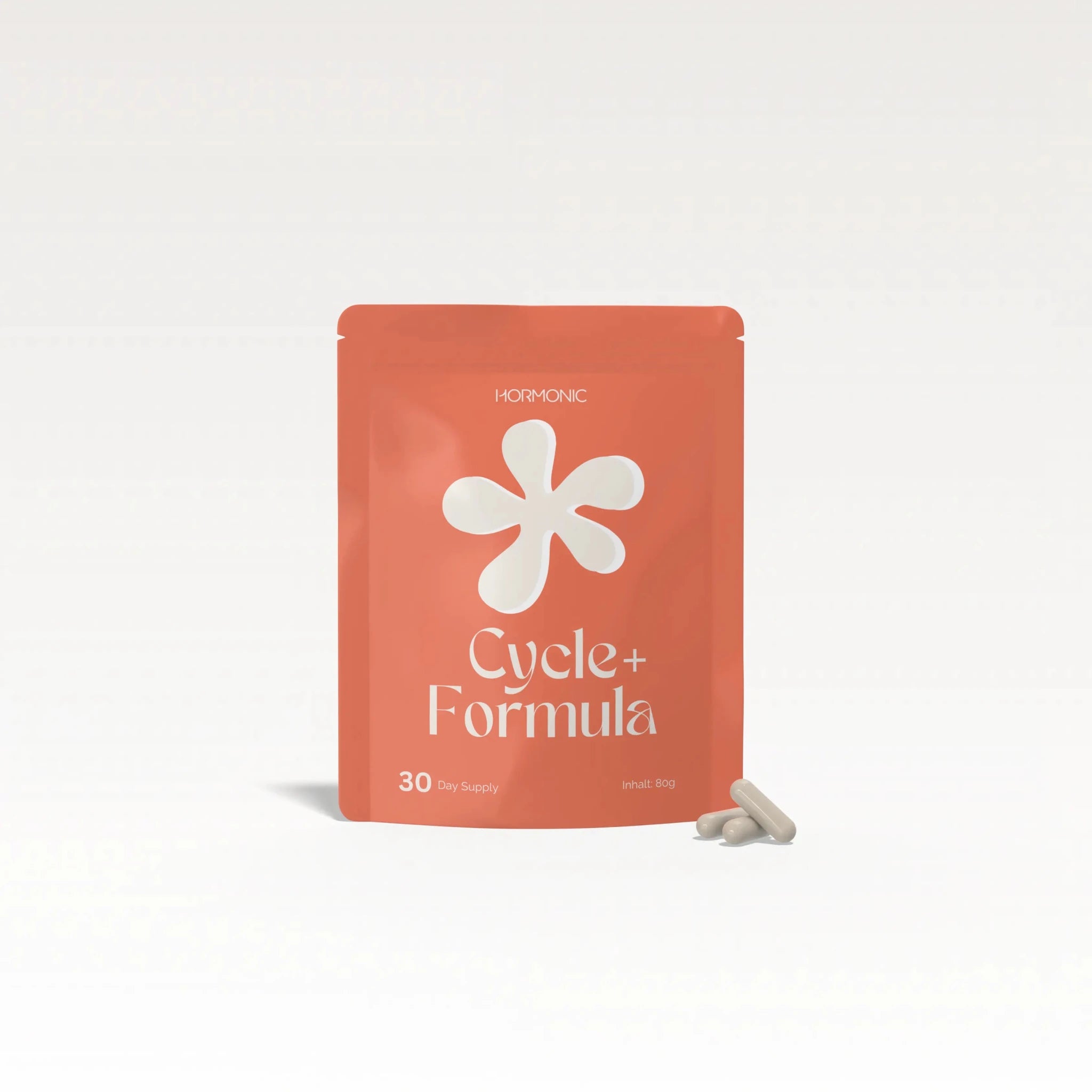
The popular Cycle+ Formula with Inositol
In the meta-analysis by Greff and colleagues (2023), the odds of having a regular cycle were about 1.79 times higher with inositol than with a placebo, with good tolerability observed in studies. Cycle+ Formula combines myo-inositol and D-chiro-inositol specifically for this purpose, along with 6 other nutrients such as zinc, which contributes to normal fertility and reproduction.
€75,00

Unsure if inositol is enough or if you need medical treatment?
In a free 15-minute intro call, you can ask our wellness team all your questions about PCOS, inositol, and metformin. Conveniently from home, with no waiting times.
FAQs about Inositol and Metformin for PCOS
Is inositol as effective as metformin for PCOS?
Can I replace Metformin with Inositol?
Can you take inositol and metformin together?
What side effects do inositol and metformin have?
Scientific Sources
- Teede HJ, et al. (2023). Recommendations From the 2023 International Evidence-based Guideline for the Assessment and Management of Polycystic Ovary Syndrome. J Clin Endocrinol Metab. doi:10.1210/clinem/dgad463
- Greff D, et al. (2023). Inositol is an effective and safe treatment in polycystic ovary syndrome: a systematic review and meta-analysis of randomized controlled trials. Reprod Biol Endocrinol. doi:10.1186/s12958-023-01055-z
- Fitz V, et al. (2024). Inositol for Polycystic Ovary Syndrome: A Systematic Review and Meta-analysis to Inform the 2023 Update of the International Evidence-based PCOS Guidelines. J Clin Endocrinol Metab. doi:10.1210/clinem/dgad762
- Fruzzetti F, et al. (2017). Comparison of two insulin sensitizers, metformin and myo-inositol, in women with polycystic ovary syndrome (PCOS). Gynecol Endocrinol. doi:10.1080/09513590.2016.1236078
- Facchinetti F, et al. (2019). Short-term effects of metformin and myo-inositol in women with polycystic ovarian syndrome (PCOS): a meta-analysis of randomized clinical trials. Gynecol Endocrinol. doi:10.1080/09513590.2018.1540578
- German Society of Endocrinology. (2025). S2k Guideline on Diagnosis and Therapy of Polycystic Ovary Syndrome (PCOS), AWMF Registry No. 089-004.
About the Author

You might also be interested in this.
Which supplements for PCOS are genuinely researched? Inositol, Berberine, NAC & Co. categorized according to scientific studies, honestly and without promises of a cure.

Abnehmen mit PCOS ist schwerer, und das liegt nicht an Deiner Disziplin. Warum Insulinresistenz das Abnehmen bremst und welche Strategien laut Studien wirklich funktionieren.
Myo-Inositol or D-Chiro-Inositol for PCOS? An honest assessment of what studies show about the 40:1 ratio, dosage, and the D-Chiro paradox.