Cart

Your cart is empty

Continue shopping

Trending searches

Featured products

Hormonic Base Nahrungsergänzung mit 16 Mikronährstoffen
Sale price€65,00
(5.0)
Hormonic Midlife Formula für die Perimenopause
Sale price€75,00
(5.0)
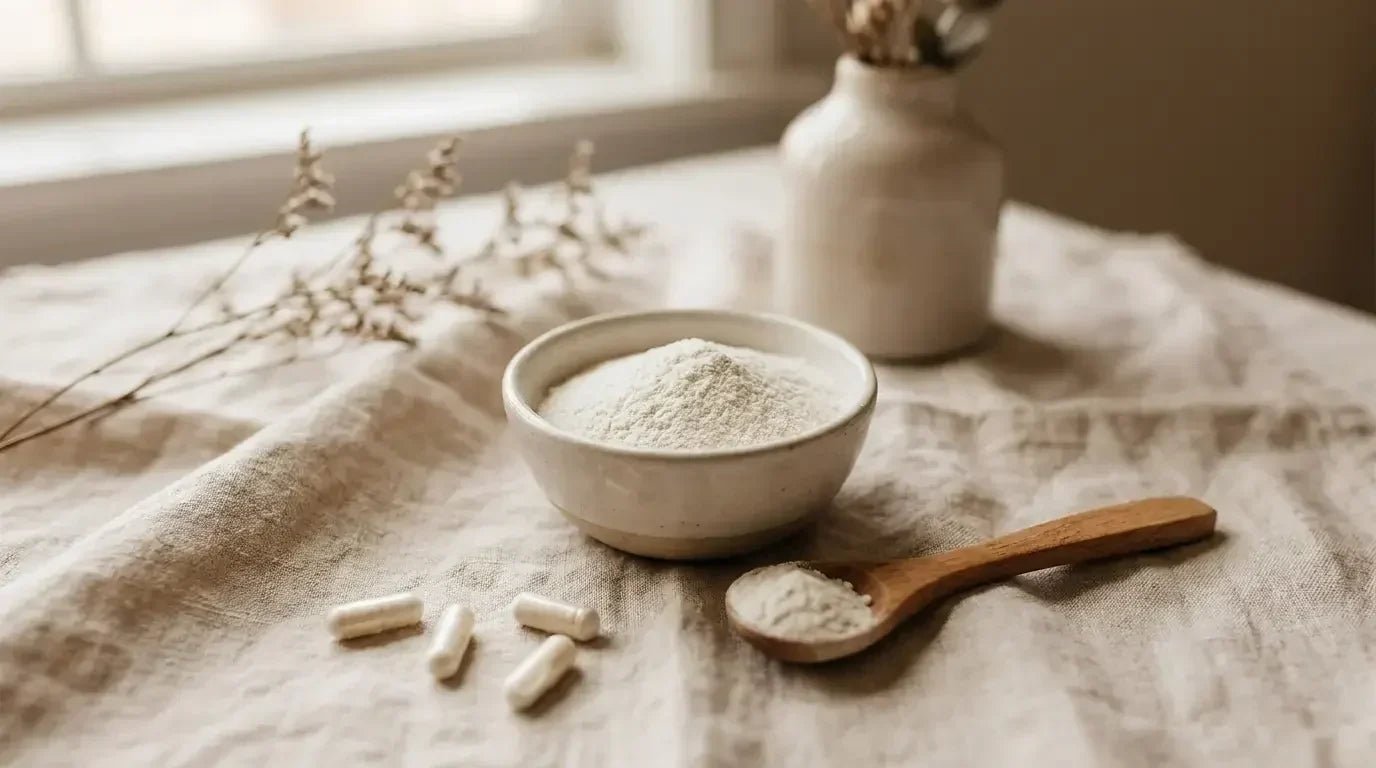
Weißes Inositol-Pulver mit Messlöffel und Kapseln auf hellem Leinen, Myo-Inositol vs D-Chiro-Inositol bei PCOS
PCOSAug 2, 20267 min read

Myo-Inositol vs. D-Chiro-Inositol: Which Inositol for PCOS?

This article is part of: PCOS: The Guide to Causes, Symptoms, and Treatment

Hardly any question comes up as often as this one about PCOS supplements: myo-inositol or D-chiro-inositol, and what's with this 40:1 ratio? On the packaging, each variant sounds like the best, and that's precisely what makes it confusing.

That's why I'm honestly explaining here what distinguishes the two inositol forms, what the studies really show, and whether the much-hyped 40:1 ratio is worth the extra cost. This way, you can make an informed decision.

Which inositol is best for PCOS?

Myo-inositol is the most well-documented, showing improvements in insulin sensitivity, cycle, and ovulation in studies, usually at a dose of around 4 grams per day. D-chiro-inositol primarily affects metabolism, but at high doses, it can impair egg quality. The 40:1 ratio of myo- to D-chiro-inositol mimics the natural ratio in the blood and is a sensible, well-tolerated formulation, but studies have not proven it to be better than myo-inositol alone. The honest truth: the overall evidence is low according to international guidelines.

Form What the studies show
Myo-Inositol Most studied: insulin, cycle, ovulation.
D-Chiro-Inositol Metabolism, but at high doses, risk to egg quality.
40:1 Ratio Physiologically sound, but not better proven than Myo alone.

Myo-inositol: the most thoroughly researched form

Myo-inositol is the form with by far the best data. In a meta-analysis of randomized studies, it lowered fasting insulin and insulin resistance and, with prolonged use, improved hormonal markers such as SHBG (Unfer et al., 2017). Another review found better ovulation rates compared to placebo but pointed out the weak study quality (Pundir et al., 2018).

In studies, usually between 2 and 4 grams of Myo-inositol per day were used, depending on the goal, and it is considered very well tolerated. All details on its effect, study situation, and dosage can be found in our detailed article on Myo-inositol for PCOS. Here, the main question is which form is suitable for you.

D-Chiro-inositol and the Paradox

D-Chiro-inositol also acts on the insulin signal, especially at the metabolic level. The catch: In the oocyte, too much D-Chiro-inositol seems to be unfavorable. Researchers described the so-called D-Chiro-inositol paradox, according to which high doses can impair oocyte quality (Unfer et al., 2011). This is precisely why pure, high-dose D-Chiro-inositol is viewed rather critically when trying to conceive, while Myo-inositol plays the main role in the ovary.

Cycle+ Formula: Myo-Inositol in the Cycle Complex

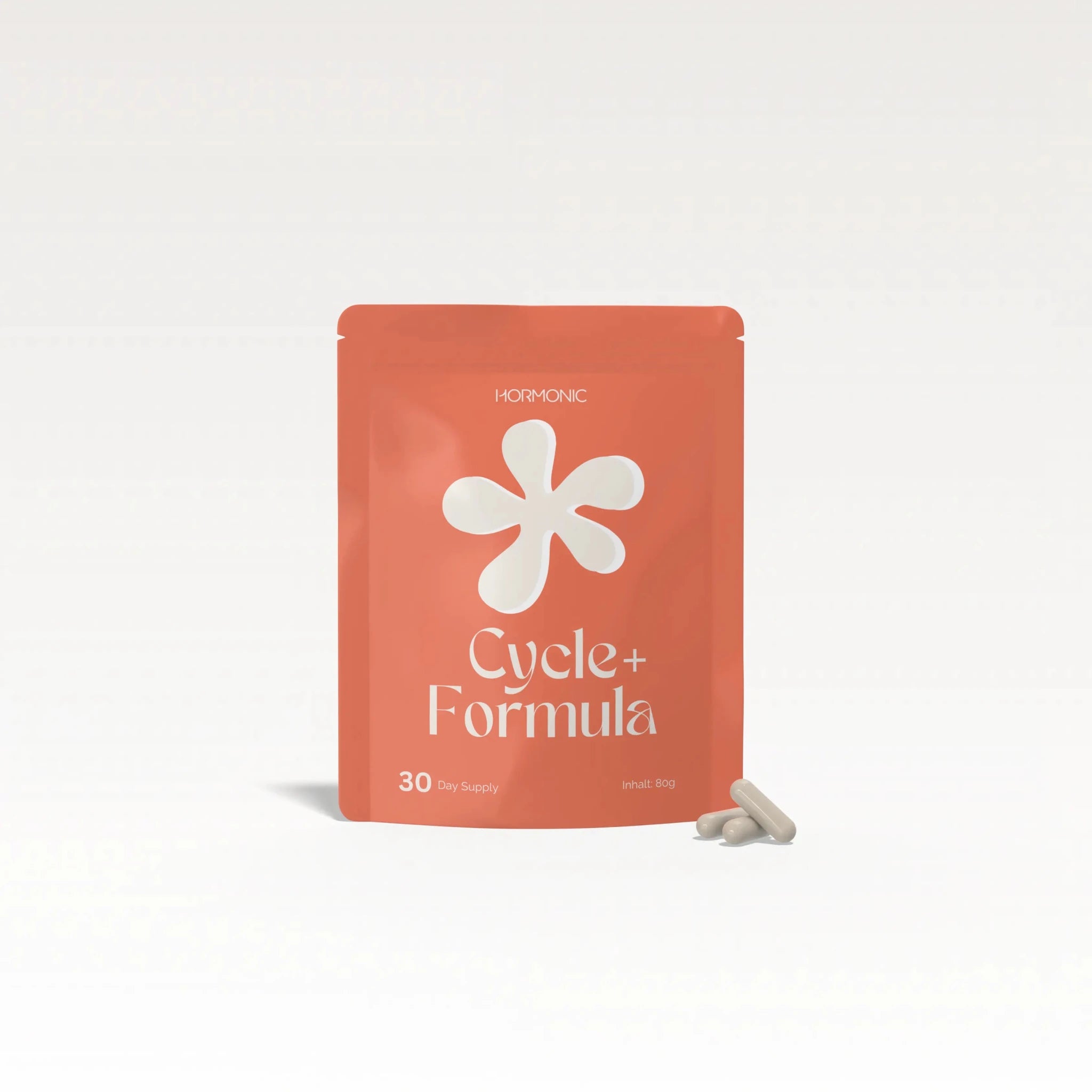
The Cycle+ Formula deliberately uses pure myo-inositol, the most thoroughly researched form, instead of the 40:1 mixture: 1,500 mg per daily dose, combined with zinc, which, according to EFSA, contributes to normal fertility. As a cycle-targeted supplement, not as a treatment for PCOS.

Discover Cycle+ Formula

The 40:1 Ratio: Rationale Instead of Proof

The idea behind the 40:1 ratio is elegant: Because myo- and D-chiro-inositol are present in the blood at approximately a 40:1 ratio, supplements should replicate this ratio. This is physiologically plausible and a well-tolerated formulation. The crucial point, however, is that in previous studies, the 40:1 ratio has not been convincingly tested against pure myo-inositol and has not proven to be superior across studies. Primarily, different mixing ratios were compared with each other (Nordio et al., 2019).

To be honest, this means: The 40:1 ratio is a purely biologically logical idea, but the surcharge compared to good myo-inositol is not scientifically compelling. And in general: A Cochrane analysis and the international PCOS guideline classify inositol evidence as complementary overall, not as the one PCOS therapy. The effect is real, but moderate (Showell et al., 2018; Fitz et al., 2024).

Precisely for this reason, in our Cycle+ Formula, we deliberately rely on pure myo-inositol, the best-studied form, instead of the 40:1 mixture. Each daily dose of the cycle complex contains 1,500 milligrams of myo-inositol, combined with zinc, which, according to the EFSA, contributes to normal fertility. If you want everything bundled around PCOS, you will find Cycle+ together with Base, Shape, and the PCOS Bible in the PCOssentials Kit. Both are intended as supplements, not as a treatment for PCOS. Our article on the best supplements for PCOSprovides an overview of all active ingredients.

And if you are unsure what suits you, it is best to clarify this in a free initial consultationor with your treating doctor, especially if you are trying to conceive.

Unsure which inositol or PCOS supplement is right for you?

In a free 15-minute video call, one of our doctors will address your questions about inositol, PCOS, and fertility, completely without obligation. Conveniently from home, with no waiting times.

Book appointment

Conclusion

For PCOS, myo-inositol is the best-studied form, usually at around 4 grams per day. Pure, high-dose D-chiro-inositol is rather critical for egg quality due to the paradox. The 40:1 ratio mimics the natural balance in the blood and is well tolerated, but in studies, it is no better than myo-inositol alone. Anyone looking for guidance would do well with a solid myo-inositol, and should know that the overall evidence is solid, but not outstanding.

Frequently Asked Questions about Inositol for PCOS

Myo-inositol or D-chiro-inositol for PCOS?

For PCOS, myo-inositol is the most well-researched form, with effects on insulin, cycle, and ovulation. Pure, high-dose D-chiro-inositol is viewed more critically for fertility due to the D-chiro paradox. Both are often combined in a 40:1 ratio, which corresponds to the natural ratio in the blood.

Is the 40:1 ratio better than myo-inositol alone?

The 40:1 ratio mimics the natural ratio of myo- to D-chiro-inositol in the blood and is well tolerated. However, studies have not shown it to be superior to pure myo-inositol. Therefore, it is a sensible, safe choice, but the added value compared to good myo-inositol has not been scientifically proven.

Reines Myo-Inositol oder 40:1, was ist in Cycle+?
Cycle+ setzt bewusst auf reines Myo-Inositol, die am besten untersuchte Form, mit 1.500 Milligramm pro Tagesdosis, statt auf das 40:1-Gemisch aus Myo- und D-Chiro-Inositol. In Studien wurden je nach Ziel meist zwischen 2 und 4 Gramm Myo-Inositol pro Tag eingesetzt. Alle Details zur Dosierung findest Du in unserem Beitrag zu Myo-Inositol bei PCOS.
Was ist das D-Chiro-Inositol-Paradox?
Als D-Chiro-Inositol-Paradox bezeichnet man die Beobachtung, dass zu viel D-Chiro-Inositol in der Eizelle deren Qualität beeinträchtigen kann, obwohl es auf den Stoffwechsel günstig wirkt. Deshalb spielt im Eierstock vor allem Myo-Inositol die Hauptrolle, und reines, hochdosiertes D-Chiro-Inositol wird bei Kinderwunsch eher zurückhaltend eingesetzt.

Scientific Sources

  • Unfer, V. et al. (2017). Myo-inositol effects in women with PCOS: a meta-analysis of randomized controlled trials. Endocrine Connections, 6(8), 647-658. doi:10.1530/EC-17-0243
  • Pundir, J. et al. (2018). Inositol treatment of anovulation in women with polycystic ovary syndrome: a meta-analysis of randomised trials. BJOG, 125(3), 299-308. doi:10.1111/1471-0528.14754
  • Unfer, V. et al. (2011). The D-chiro-inositol paradox in the ovary. Fertility and Sterility, 95(8), 2515-2516. doi:10.1016/j.fertnstert.2011.05.027
  • Nordio, M. et al. (2019). The 40:1 myo-inositol/D-chiro-inositol plasma ratio is able to restore ovulation in PCOS patients: comparison with other ratios. European Review for Medical and Pharmacological Sciences, 23(12), 5512-5521.
  • Showell, M. G. et al. (2018). Inositol for subfertile women with polycystic ovary syndrome. Cochrane Database of Systematic Reviews, 12, CD012378. doi:10.1002/14651858.CD012378.pub2
  • Fitz, V. et al. (2024). Inositol for Polycystic Ovary Syndrome: A Systematic Review and Meta-analysis. Journal of Clinical Endocrinology & Metabolism, 109(6), 1630-1655. doi:10.1210/clinem/dgad762

About the Author

Amelie Weiss

Amelie Weiss

Research Fellow, PhD · Hormonic

Amelie Weiss is a Research Fellow at Hormonic and conducts scientific research on hormonal health, micronutrients, and evidence-based women's health.

Note: This article is based on current guidelines and scientific work (as of 2026). It is for informational purposes only and does not replace medical advice, diagnosis, or treatment.

Share

You might also be interested in this.

Myo-Inositol bei PCOS: Wirkung, Studien & Dosierung
FruchtbarkeitMay 31, 202610 min read
Myo-inositol for PCOS: Effects, Studies & Dosage

How does inositol work for PCOS, what do studies show regarding ovulation, testosterone, and insulin resistance, and what is a sensible dosage? The evidence-based overview.
Verschiedene Supplement-Kapseln und frische Lebensmittel auf hellem Leinen, beste Supplements bei PCOS
PCOSAug 2, 20268 min read
The Best Supplements for PCOS: What Studies Show

Which supplements for PCOS are genuinely researched? Inositol, Berberine, NAC & Co. categorized according to scientific studies, honestly and without promises of a cure.

Antioxidans- und schwefelreiche Lebensmittel wie Knoblauch, Zwiebel, Brokkoli, Eier und Walnüsse auf Leinen
MikronährstoffeJul 14, 20268 min read
NAC (N-acetylcysteine) in Women: Effects on PCOS and and Fertility

What are the benefits of N-acetylcysteine (NAC) for PCOS and fertility? What studies show about ovulation, insulin, and egg quality, and how to honestly evaluate NAC.