
Cart

Your cart is empty

Continue shopping

Trending searches

Featured products

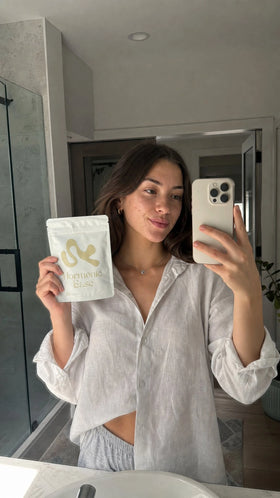
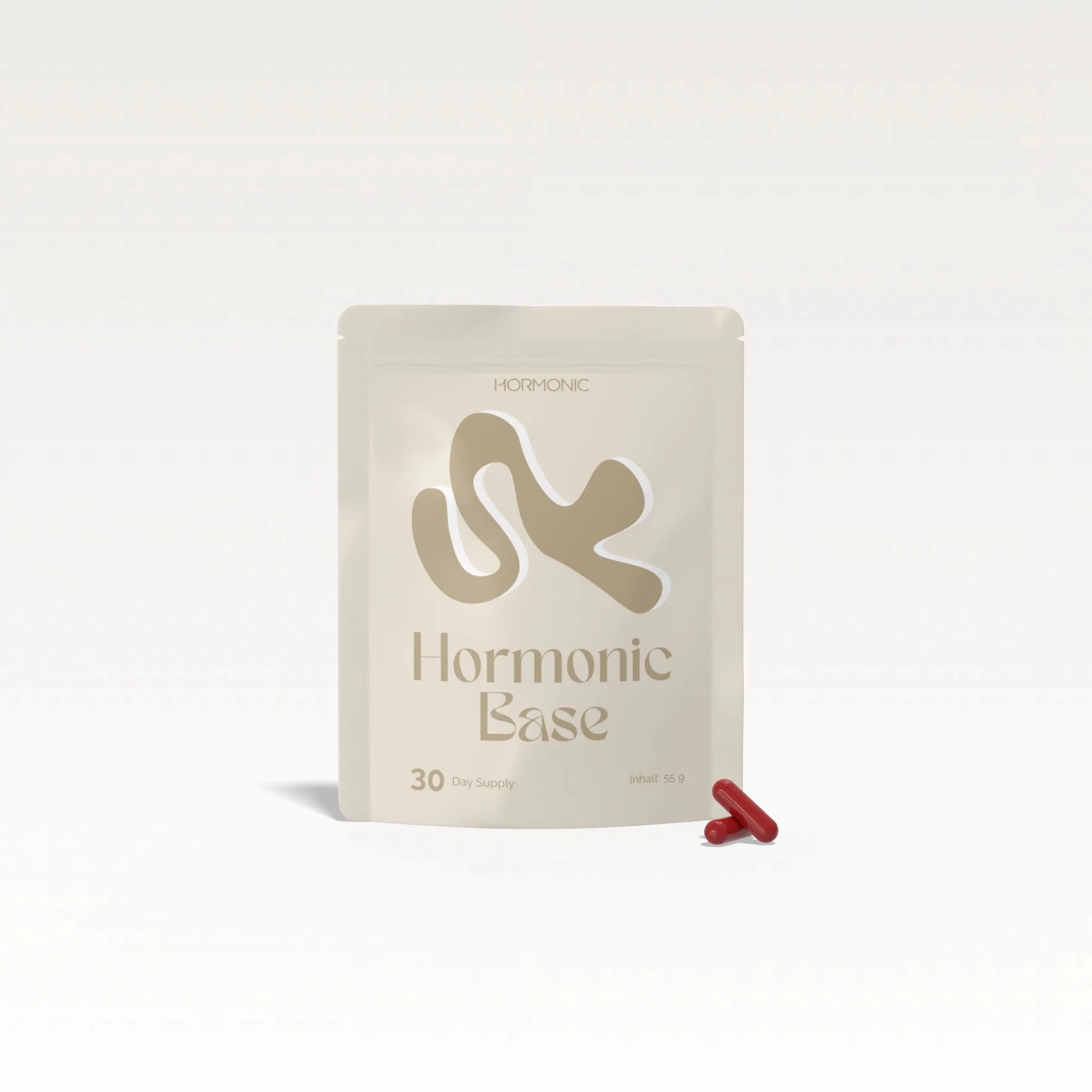
Hormonic Base - Hormonic - Nahrungsergänzungsmittel
Sale price€65,00
(5.0)
Midlife Formula - Hormonic - Nahrungsergänzungsmittel
Sale price€75,00
(5.0)
NAC (N-Acetylcystein) bei Frauen: Wirkung bei PCOS und Kinderwunsch - Hormonic
MikronährstoffeJul 14, 20268 min read

NAC (N-acetylcysteine) in Women: Effects on PCOS and and Fertility

This article is part of: Micronutrients and Hormones: The Female Guide

Hardly any supplement is celebrated in PCOS forums as much as NAC, often as a gentle alternative to Metformin. What's the real story? This article separates strong evidence from marketing claims: what N-acetylcysteine can do for PCOS, insulin, and fertility, where it's overrated, and how to use it wisely.

Key takeaways

  • NAC is the precursor to glutathione, the body's central antioxidant, and thus counteracts the increased oxidative stress in PCOS.
  • The strongest evidence supports its effect on ovulation: In meta-analyses, women with PCOS on NAC ovulated about four and a half times as often as those on placebo.
  • However, NAC does not show convincingly better effects on insulin and HOMA-IR than a placebo.
  • For ovulation, Metformin is superior, but NAC is significantly better tolerated.
  • NAC is often combined with inositol for PCOS, as both address different pathways.
  • NAC has no approved EFSA claim, so we only describe its biological mechanisms and the current study situation.

In PCOS and fertility forums, I read about NAC daily, almost always with very big promises. And indeed, the study situation is interesting: In one area, NAC is surprisingly potent. But there's also an area where NAC doesn't perform as well as many claim. I want to make precisely this honest distinction for you here, so you know what NAC is good for and what it's not.

NAC is the more stable, better-absorbed form of the amino acid cysteine and the crucial precursor to glutathione, the most important antioxidant your body produces itself. Many also know NAC as a cough medicine from the pharmacy. This antioxidant role is the common thread connecting all its applications in women, as many PCOS-related complaints are linked to oxidative stress.

Did you know?

In a meta-analysis of randomized trials, women with PCOS on NAC ovulated about four and a half times as often as those on a placebo, and the pregnancy rate was also about four times higher. Precisely this effect on ovulation is the best-documented benefit of NAC.

What NAC is and how it works

NAC provides the body with cysteine, the scarcest building block for glutathione formation. Glutathione, in turn, is the central antioxidant that neutralizes aggressive oxygen compounds and protects cells from oxidative stress. The body cannot store glutathione indefinitely but must continuously regenerate it, and precisely here, cysteine is often the limiting factor. By supplying this building block, NAC helps maintain glutathione levels and thus antioxidant defense.

Why is this particularly relevant for PCOS? PCOS typically involves measurably increased oxidative stress. This not only burdens metabolism but also the ovaries and developing egg cells, which are particularly sensitive to free radicals. The idea behind NAC is therefore simple and plausible: to dampen oxidative stress and thus create a more favorable environment for ovulation and egg maturation. It is important for an honest assessment from the outset that NAC has no EFSA-approved health claim, similar to coenzyme Q10. We therefore only describe here the role NAC plays in the body and what studies have observed, without making a promise of efficacy.

NAC for PCOS: what the studies really show

This is the core, and honesty is particularly important here, because the results vary greatly depending on the target variable. Meanwhile, several meta-analyses with over twenty randomized studies and several thousand women summarize the data, and the picture is astonishingly clear: very strong for ovulation, but only weak for insulin metabolism.

Target Variable NAC vs. Placebo NAC vs. Metformin
Ovulation significantly better (approx. 4.5 times higher chance) Metformin superior
Pregnancy Rate higher (approx. 4-fold) unclear
Insulin / HOMA-IR no clear advantage comparable
Testosterone / Weight inconsistent comparable
Tolerance good usually better than Metformin

In short: NAC clearly improves ovulation and the chance of pregnancy in current methodologically strong studies, and a more recent evaluation also found indications of higher progesterone levels and better endometrial build-up capacity, both favorable for implantation. However, the often-claimed advantage for insulin and HOMA-IR compared to placebo is not convincingly proven, and results for testosterone and body weight are also mixed. So, NAC is not a metabolic miracle cure, but a remarkably well-documented component for ovulation.

NAC or Metformin? An Honest Comparison

Because PCOS is so closely linked to insulin resistance, NAC is often touted as a gentle alternative to Metformin. Studies paint a more nuanced picture. In direct comparisons, Metformin is clearly superior to NAC for ovulation, which is unambiguous. However, for metabolic parameters, both are approximately equal: NAC slightly lowered fasting blood sugar but not reliably HOMA-IR, and neither had much effect on weight.

The real advantage of NAC over Metformin therefore lies less in its effect than in its tolerability. Metformin causes gastrointestinal problems such as diarrhea and nausea in many women, which can be disruptive to daily life and lead some to discontinue it. NAC is usually much gentler in this regard. For women who cannot tolerate Metformin or do not wish to take it, NAC can therefore be an interesting option, but the decision should always be made by a doctor.

NAC and Inositol: The PCOS Duo

NAC becomes particularly interesting when combined with a second substance that is even better researched for PCOS: Myo-Inositol. Both act at different points. NAC primarily works as an antioxidant via the glutathione pathway, while Inositol directly intervenes in insulin signaling, most convincingly supporting blood sugar and ovulation. Thus, they complement each other rather than overlapping.

This is precisely why NAC and Inositol are frequently combined in practice: Inositol for the insulin and ovulation axis, NAC for the antioxidant aspect and ovulation. For you, this means you don't have to choose one over the other, but rather that both together can form a sensible PCOS foundation, ideally tailored to your situation.

NAC for Fertility

NAC is particularly popular for fertility, and here there are genuine signals. As an adjunct to ovulation-inducing treatment with Clomiphene, NAC improved ovulation and pregnancy rates in several studies compared to Clomiphene alone. However, the picture is not entirely clear: In one study in the context of artificial insemination, the supplement did not provide any additional benefit. NAC is therefore more of a supportive building block than a guarantee.

Another reason for the interest is egg quality. Because egg cells are particularly sensitive to oxidative stress, NAC is being investigated to protect them via higher glutathione levels. Initial small studies suggest improved egg and embryo quality, but this is not yet proof. You can find a summary of which nutrients play a role in fertility overall in the article on Nutrients for Fertility.

Hormonic Base: NAC in the Team of Micronutrients

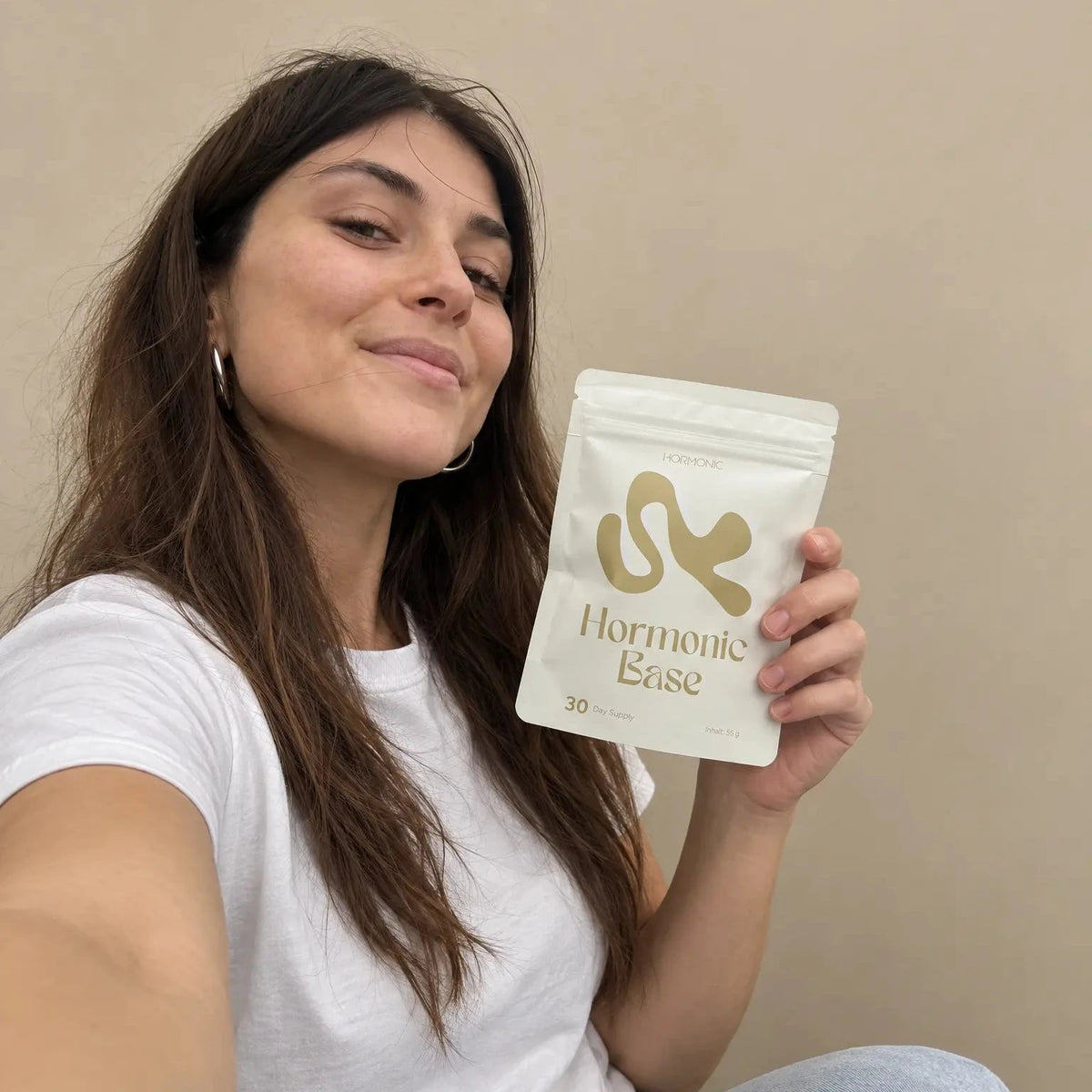
NAC best unfolds its role in combination with other micronutrients. Hormonic Base contains 16 essential active ingredients for key bodily processes, including NAC as well as zinc, selenium, and coenzyme Q10 – building blocks that contribute to protecting cells from oxidative stress. Instead of stacking individual capsules, Base provides your medically tailored basic supply.

€65,00

Save 20% with a subscription

The Mechanism: Oxidative Stress and Glutathione

The common thread behind all these effects is antioxidant action. In PCOS, oxidative stress is measurably increased, partly due to insulin resistance and low-grade inflammation. This stress damages cell structures and disrupts the delicate control within the ovary. By supplying cysteine to the body, NAC boosts the production of glutathione, which scavenges free radicals and shifts the balance back.

The mechanism is well-documented and plausible, making NAC scientifically interesting. However, what matters in everyday life is what ultimately arrives, and that largely depends on the target variable. For ovulation, the antioxidant effect is clearly reflected in studies, which is why many women with PCOS praise NAC, but its effect on insulin metabolism is limited. It is precisely this honesty that distinguishes a serious assessment from typical supplement advertising.

Dosage, Safety, and for Whom NAC is Suitable

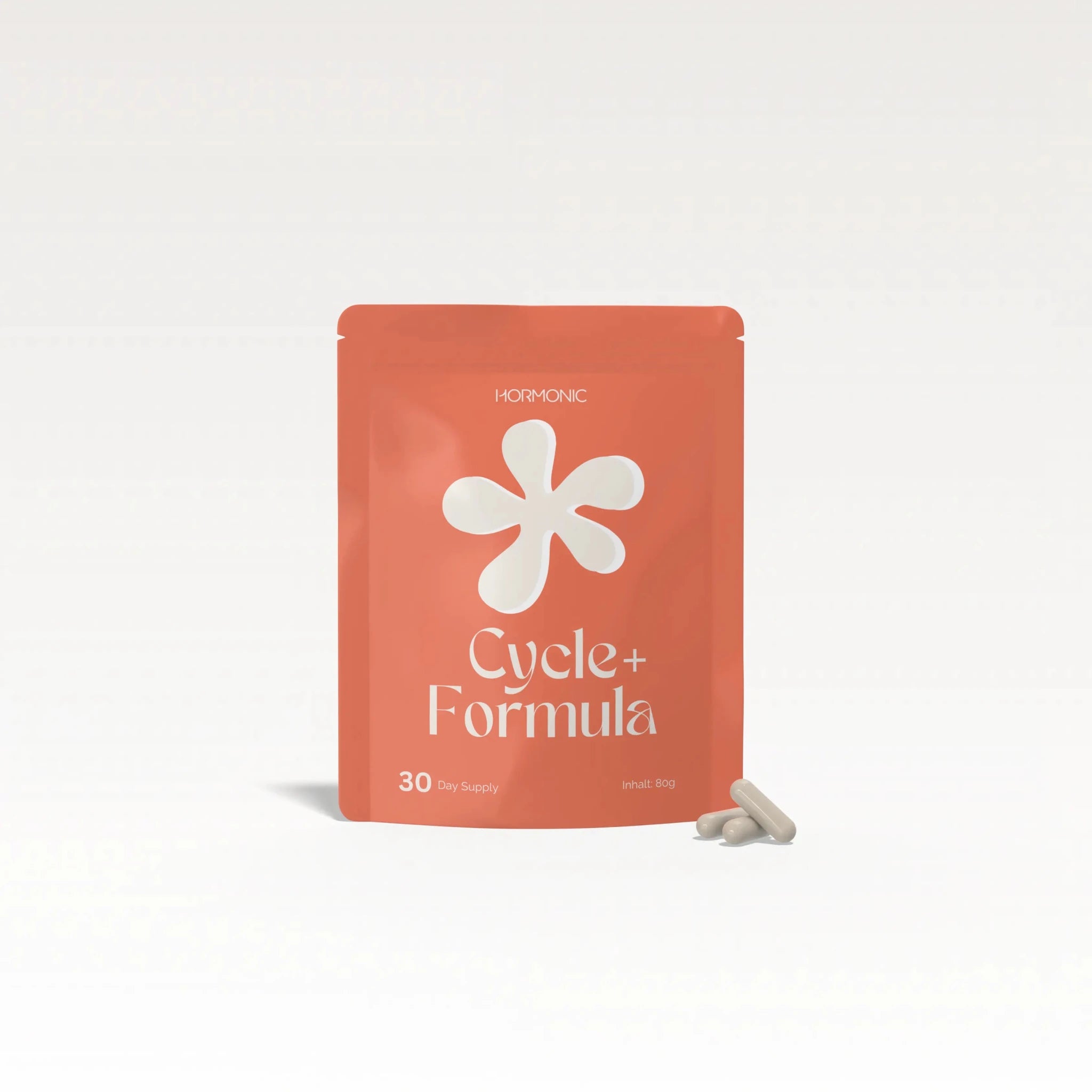
In PCOS studies, higher doses of NAC, ranging from 600 to even 1,200mg per day, were often used. Although it is considered well-tolerated, some women may experience mild gastrointestinal discomfort, such as nausea, at this dosage range. Therefore, we are more in favor of a daily, consistent, lower dosage of NAC, taken over a long period without interruption. If this is combined with inositol and other antioxidant active ingredients, as in the Cycle Bundle from Hormonic, the chances are good according to studies.

Caution is advised for asthma, as respiratory reactions have been described in rare cases. And because NAC is also a pharmaceutical drug, you should discuss its intake with your doctor, especially if you have existing conditions or are taking other medications. During pregnancy, it should in any case be under medical supervision.

So, for whom is NAC most beneficial? For women with PCOS who want to support their ovulation, preferably with a desire to conceive, and as a well-tolerated building block alongside diet and exercise. What really matters for PCOS in terms of nutritioncan be read in our own article. Incidentally, NAC is also discussed in endometriosis; we have a separate article on NAC in Endometriosis, so we can stay focused on PCOS here.

When You Should Seek Medical Clarification

NAC is not a substitute for diagnosis. If you notice irregular or absent cycles, unfulfilled desire to conceive, or signs of PCOS, this should be medically clarified instead of supplementing on your own. It is then useful to look at hormones, blood sugar, and insulin to classify the causes. If you are unsure whether NAC or Inositol suits your situation, you can have this assessed in a free initial consultationwith one of our doctors.

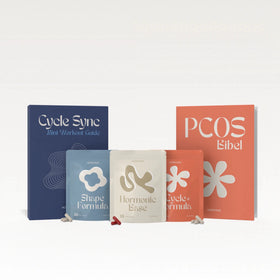
The starter package for when your cycle, metabolism & hormones are going haywire

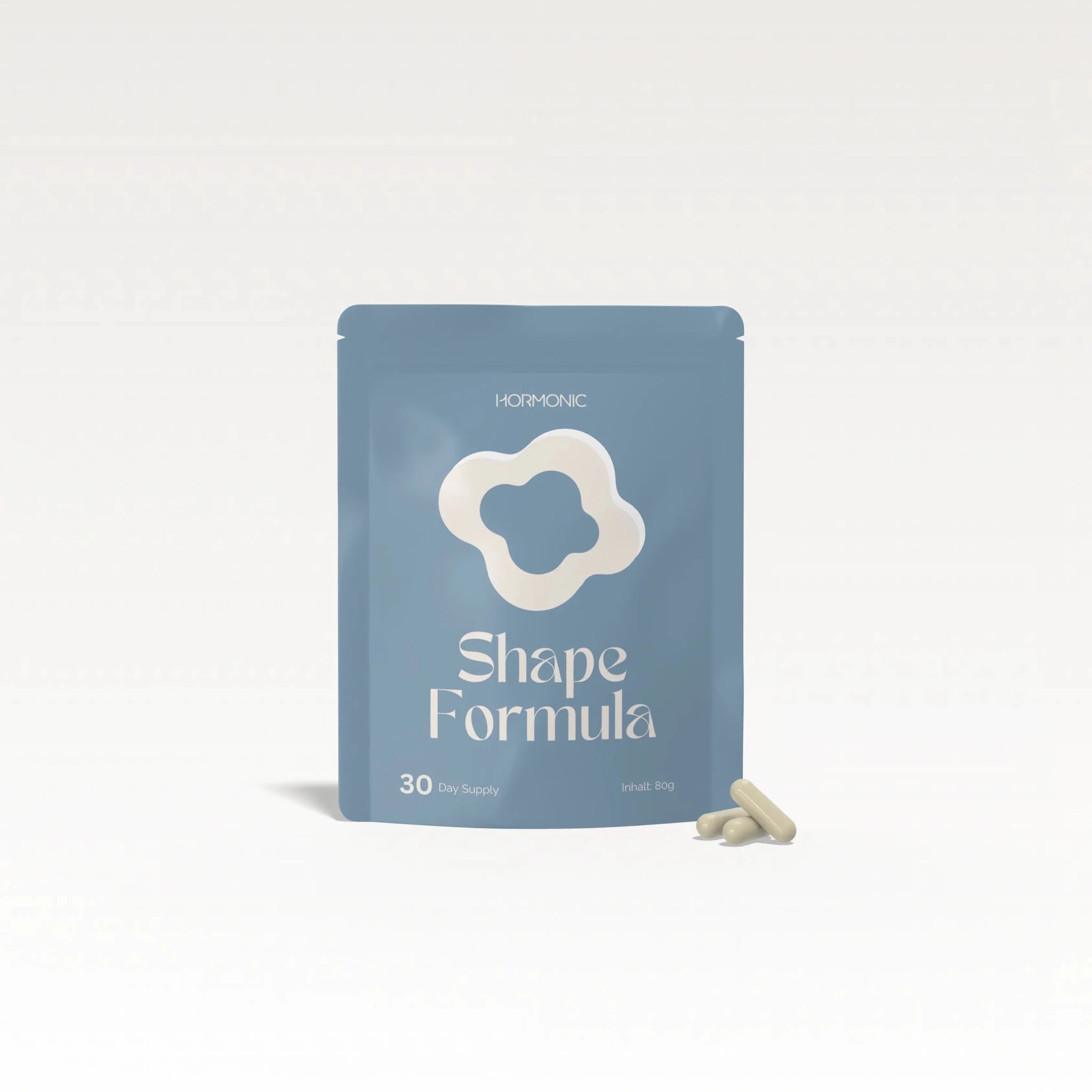
The PCOssentials Kit combines everything you need to holistically address hormone regulation, cycle health, and metabolism. Three coordinated supplement formulas are paired with two comprehensive digital guides that provide you with the knowledge and tools to regain your well-being step by step.

Regarding the Starter Kit

Conclusion

NAC is an exciting substance with a clear, honest balance. As a precursor to glutathione, it strengthens antioxidant defenses, and in PCOS, it has primarily been studied for improved ovulation and higher pregnancy rates, with remarkably clear data. This is where its strength lies, while the often-promised benefits for insulin, testosterone, and weight compared to placebo are not convincingly proven.

NAC is therefore most useful around ovulation and for fertility, often combined with inositol, which covers the insulin aspect. It does not replace medical therapy, diet, or exercise, and it has no approved health claim. However, as a well-tolerated building block, tailored to your situation, it can be a real asset, especially for women who do not tolerate metformin.

Common questions about NAC in women

What does NAC do for PCOS?

The effect on ovulation is best documented: In meta-analyses, women with PCOS on NAC ovulated significantly more often than those on a placebo, and the pregnancy rate was also higher. The benefit for insulin levels, weight, and testosterone is less convincing. NAC is therefore primarily of interest around ovulation, not a metabolic miracle drug.

How is NAC dosed and is it safe?

In the studies, NAC was almost always used at 600 milligrams two to three times a day, i.e., about 1,200 to 1,800 milligrams per day. In this range, it is considered well-tolerated, with mild gastrointestinal discomfort occurring occasionally. If you have asthma, are pregnant, or are taking other medications, you should consult a doctor before taking it.

Ist NAC besser als Metformin bei PCOS?
Nicht durchgehend. Beim Eisprung ist Metformin dem NAC in direkten Vergleichen überlegen. Bei den reinen Stoffwechselwerten liegen beide etwa gleichauf, und NAC ist dabei oft besser verträglich, weil es seltener Magen-Darm-Beschwerden macht. NAC ist also eher eine gut verträgliche Ergänzung als ein Ersatz für Metformin, die Entscheidung gehört in ärztliche Hand.
Hilft NAC bei Kinderwunsch?
Als Ergänzung zu einer Eisprung-auslösenden Behandlung mit Clomifen verbesserte NAC in mehreren Studien Eisprung und Schwangerschaftsrate, allerdings nicht in allen Untersuchungen. Zusätzlich wird NAC für eine bessere Eizellqualität über den Antioxidans-Effekt untersucht, hier sind die Belege aber noch vorläufig. NAC kann ein sinnvoller Baustein sein, ersetzt aber keine ärztliche Kinderwunschbehandlung.

Scientific Sources

  • Thakker, D. et al. (2015). N-Acetylcysteine for Polycystic Ovary Syndrome: A Systematic Review and Meta-Analysis of Randomized Controlled Clinical Trials. Obstet Gynecol Int, 2015, 817849. doi:10.1155/2015/817849
  • Shahveghar Asl, Z. et al. (2023). The effects of N-acetylcysteine on ovulation and sex hormones in PCOS: a systematic review and meta-analysis. Br J Nutr. doi:10.1017/S0007114522003270
  • N-Acetylcysteine supplementation and metabolic parameters in PCOS: a systematic review and meta-analysis. Front Nutr, 2023, 10, 1209614. doi:10.3389/fnut.2023.1209614
  • Efficacy of N-Acetylcysteine in Polycystic Ovary Syndrome: a systematic review and meta-analysis of 22 RCTs. Nutrients, 2025, 17(2), 284. doi:10.3390/nu17020284
  • Badawy, A. et al. (2007). N-acetyl cysteine and clomiphene citrate for induction of ovulation in PCOS: a cross-over trial. Acta Obstet Gynecol Scand, 86(2), 218-222. PMID 17364286
  • Porpora, M. G. et al. (2013). A Promise in the Treatment of Endometriosis: An Observational Cohort Study on Ovarian Endometrioma Reduction by N-Acetylcysteine. Evid Based Complement Alternat Med, 2013, 240702. doi:10.1155/2013/240702
  • Tenório, M. C. S. et al. (2021). N-Acetylcysteine (NAC): Impacts on Human Health. Antioxidants, 10(6), 967. doi:10.3390/antiox10060967
  • EU Health Claims Register (Regulation (EC) No 1924/2006): there is no approved health claim for N-acetylcysteine.

About the Author

Amelie Weiss

Amelie Weiss

Research Fellow, PhD · Hormonic

Amelie Weiss is a Research Fellow at Hormonic and conducts scientific research on hormonal health, micronutrients, and evidence-based women's health.

Note: This article is based on current guidelines and scientific work (as of 2026). It is for informational purposes only and does not replace professional medical advice, diagnosis, or treatment.

Share

You might also be interested in this.

Myo-Inositol bei PCOS: Wirkung, Studien & Dosierung - Hormonic
FruchtbarkeitMay 31, 202610 min read
Myo-inositol for PCOS: Effects, Studies & Dosage

How does inositol work for PCOS, what do studies show regarding ovulation, testosterone, and insulin resistance, and what is a sensible dosage? The evidence-based overview.

PCOS Ernährung: Was wirklich hilft bei Blutzucker & Hormonen - Hormonic
ErnährungJul 27, 20248 min read
PCOS Nutrition: What Really Helps with Blood Sugar & Hormones

PCOS cannot be cured by diet alone, but nutrition is one of the most effective levers. This evidence-based guide shows which foods stabilize blood sugar, reduce inflammation, and support ovulation.
NAC bei Endometriose: Wirkung, Studien und was es wirklich kann - Hormonic
EndometrioseJun 3, 20268 min read
NAC for Endometriosis: Effects, Studies, and What It Can Really Do

NAC is considered a supplementary measure for endometriosis. Here's an honest assessment of what studies show regarding pain, endometriomas, and fertility.