Cart

Your cart is empty

Continue shopping

Trending searches

Featured products

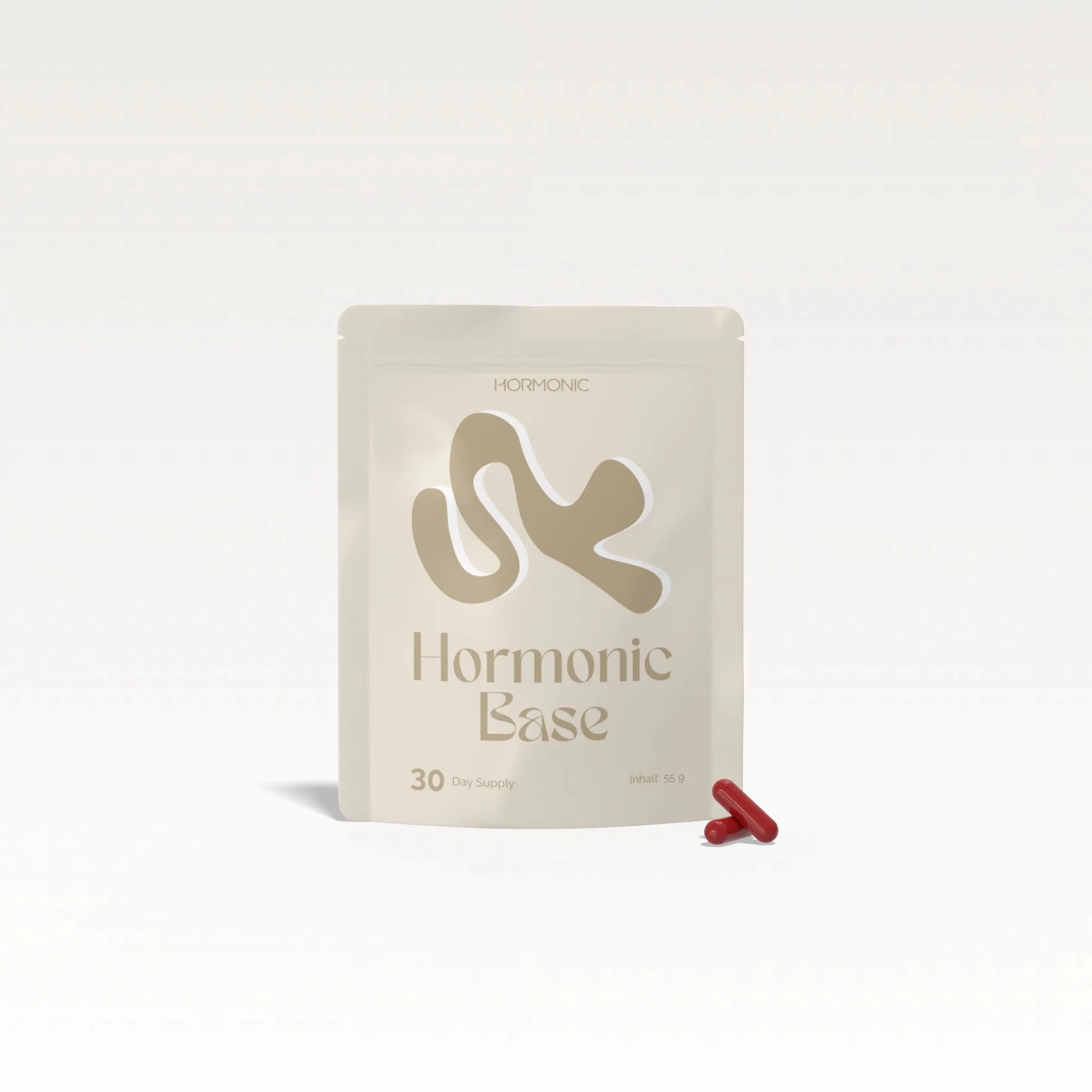
Hormonic Base Nahrungsergänzung mit 16 Mikronährstoffen
Sale price€65,00
(5.0)
Hormonic Midlife Formula für die Perimenopause
Sale price€75,00
(5.0)
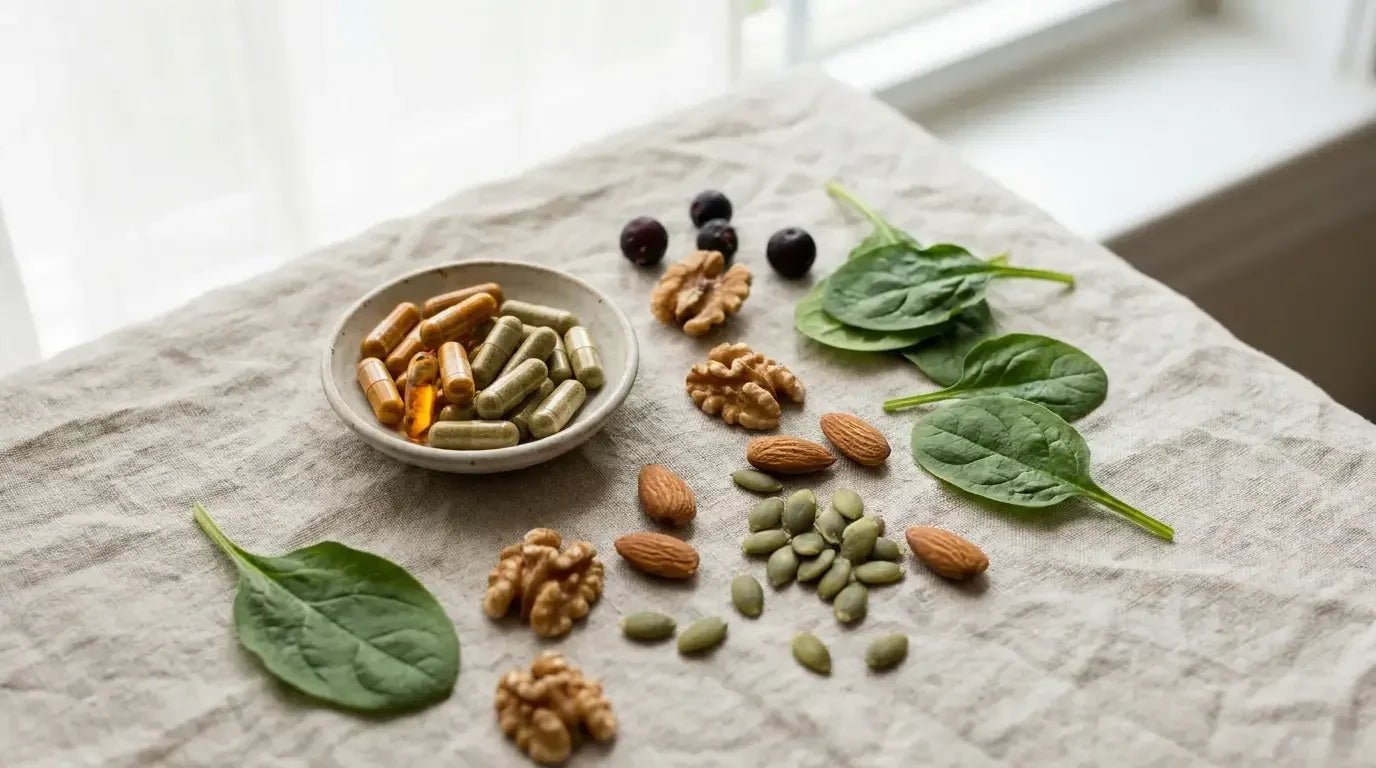
Verschiedene Supplement-Kapseln und frische Lebensmittel auf hellem Leinen, beste Supplements bei PCOS
PCOSAug 2, 20268 min read

The Best Supplements for PCOS: What Studies Show

This article is part of: PCOS: The Guide to Causes, Symptoms, and Treatment

As a research fellow, I'm constantly asked what supplements for PCOS actually work, and honestly, the answer is more nuanced than most lists online suggest. There are indeed nutrients with useful research, but also a lot of hype.

That's why I'm honestly categorizing the best-known supplements here according to the research, from well-studied to thinly supported, and stating clearly where the limits lie. This way, you can decide what's worth it for you, instead of buying blindly.

Which supplements are best-researched for PCOS?

Inositol is the best-documented: in meta-analyses, it significantly lowered fasting insulin and insulin resistance and improved cycle regularity and ovulation. Berberine had a similar effect to the drug metformin on insulin and blood sugar, and NAC increased the chances of ovulation in studies. Additionally, Vitamin D, Omega-3, and Chromium specifically support metabolic and hormonal values. To be honest: The effects are real but moderate, and supplements complement lifestyle rather than replacing it.

Supplement Evidence & purpose
Inositol Best-researched: insulin, ovulation, cycle.
Berberine Metabolism/insulin, metformin-like in studies.
NAC Ovulation/pregnancy vs. placebo, weaker than metformin.
Vitamin D, Omega-3, Chromium Complementary, especially for insulin/deficiency compensation.
Zinc, Magnesium, Cinnamon Weaker or very limited data.

Tier 1: The Best-Researched Supplements

Inositolhas the strongest evidence base. In a meta-analysis of randomized studies, myo-inositol significantly lowered fasting insulin and insulin resistance and, with longer-term use, increased SHBG, which binds free male hormones (Unfer et al., 2017). A large review of 30 studies involving over 2,200 women confirmed improved insulin sensitivity (Fitz et al., 2024). To be honest: A Cochrane analysis classifies the certainty of evidence as low (Showell et al., 2018). So, inositol is well-tolerated, very well-studied, and promising; the effect is real but moderate.

Berberineprimarily acts at the metabolic level. In a meta-analysis of nine studies, it lowered fasting insulin, fasting glucose, and insulin resistance (HOMA-IR), comparable to metformin (Li et al., 2018). The studies predominantly originate from China and are methodologically limited, which is why berberine is interesting but not yet conclusively proven. You can read more about this topic under Insulin Resistance in Women.

NAC (N-Acetylcysteine)has mainly been studied for fertility. Compared to placebo, it increased the chances of ovulation and pregnancy in a meta-analysis but was inferior to metformin (Thakker et al., 2015). Details can be found in our article on NAC for PCOS.

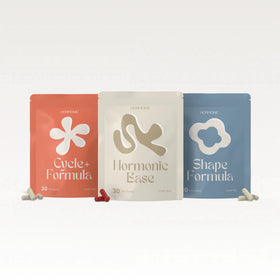
Myo-Inositol medically combined with 8 active ingredients

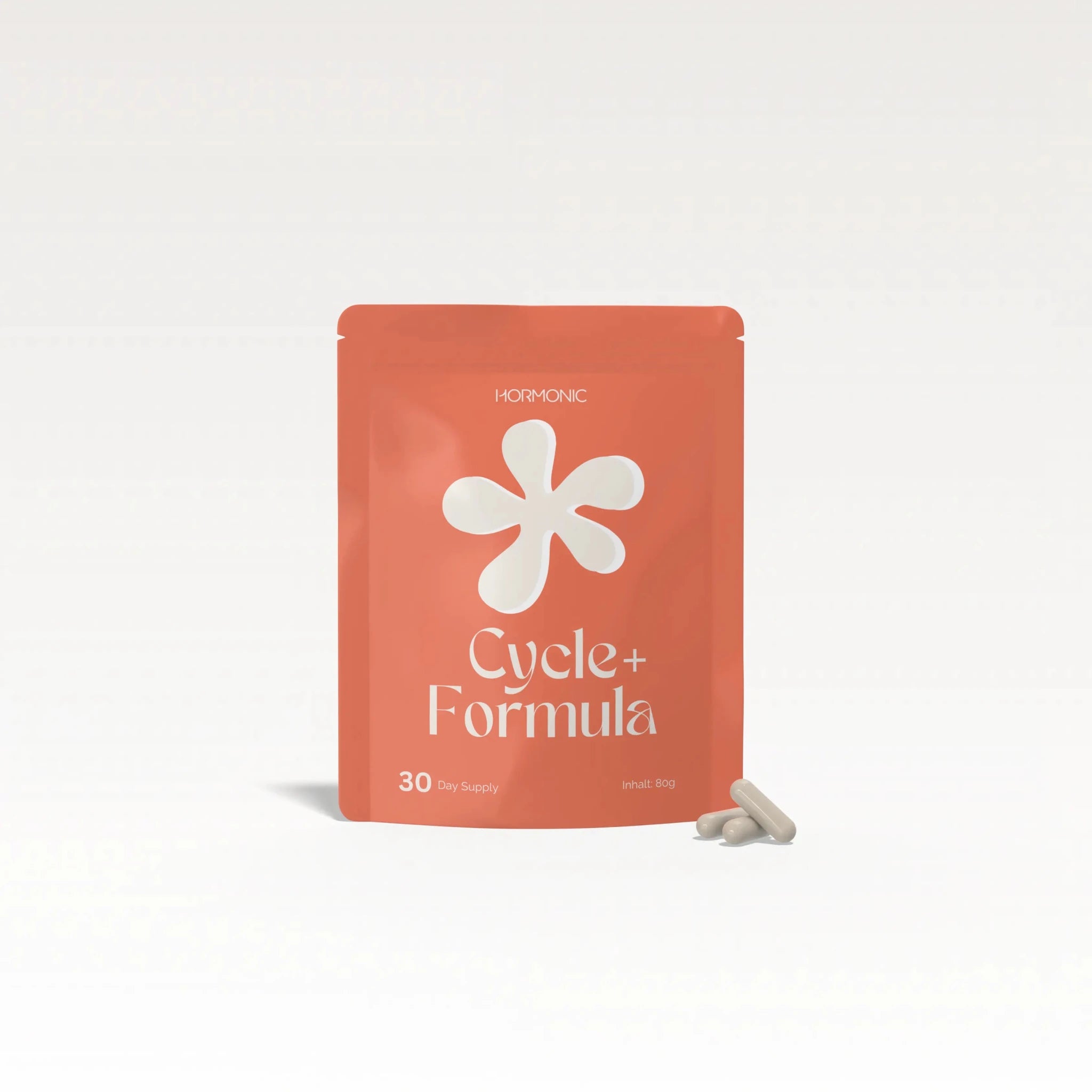
The Hormonic Cycle+ Formula combines myo-inositol with other active ingredients such as chromium, zinc, and resveratrol, which have been studied in the context of hormonal imbalances and PCOS. Developed by doctors, produced in Austria, and loved by thousands of women.
Start now

Tier 2 and 3: useful additions

These substances have less specific data or are simply less researched in PCOS, but can be useful in the right context.

  • Vitamin D: If a deficiency is proven, supplementation can improve insulin and sugar levels. In addition, PCOS patients often have a deficiency. According to EFSA, vitamin D contributes to the normal functioning of the immune system.
  • Omega-3: In meta-analyses, it improved insulin and blood lipid levels and slightly lowered total testosterone (Yang et al., 2018).
  • Chromium: Can slightly improve insulin sensitivity and BMI (Fazelian et al., 2017). According to EFSA, chromium contributes to maintaining normal blood glucose levels.
  • Zinc:Signals for less blemished skin and hair growth; according to EFSA, zinc contributes to normal fertility and the maintenance of normal skin.
  • Magnesium and Cinnamon: PCOS-specific research is still in its early stages, but these are generally interesting in the field of hormonal regulation. Cinnamon showed more regular cycles in a small study (Kort and Lobo, 2014).

The most important thing at the end of this list: the foundation for PCOS is and remains lifestyle, i.e., nutrition, exercise, sleep, and, if necessary, weight management. Supplements are an addition, not a replacement.

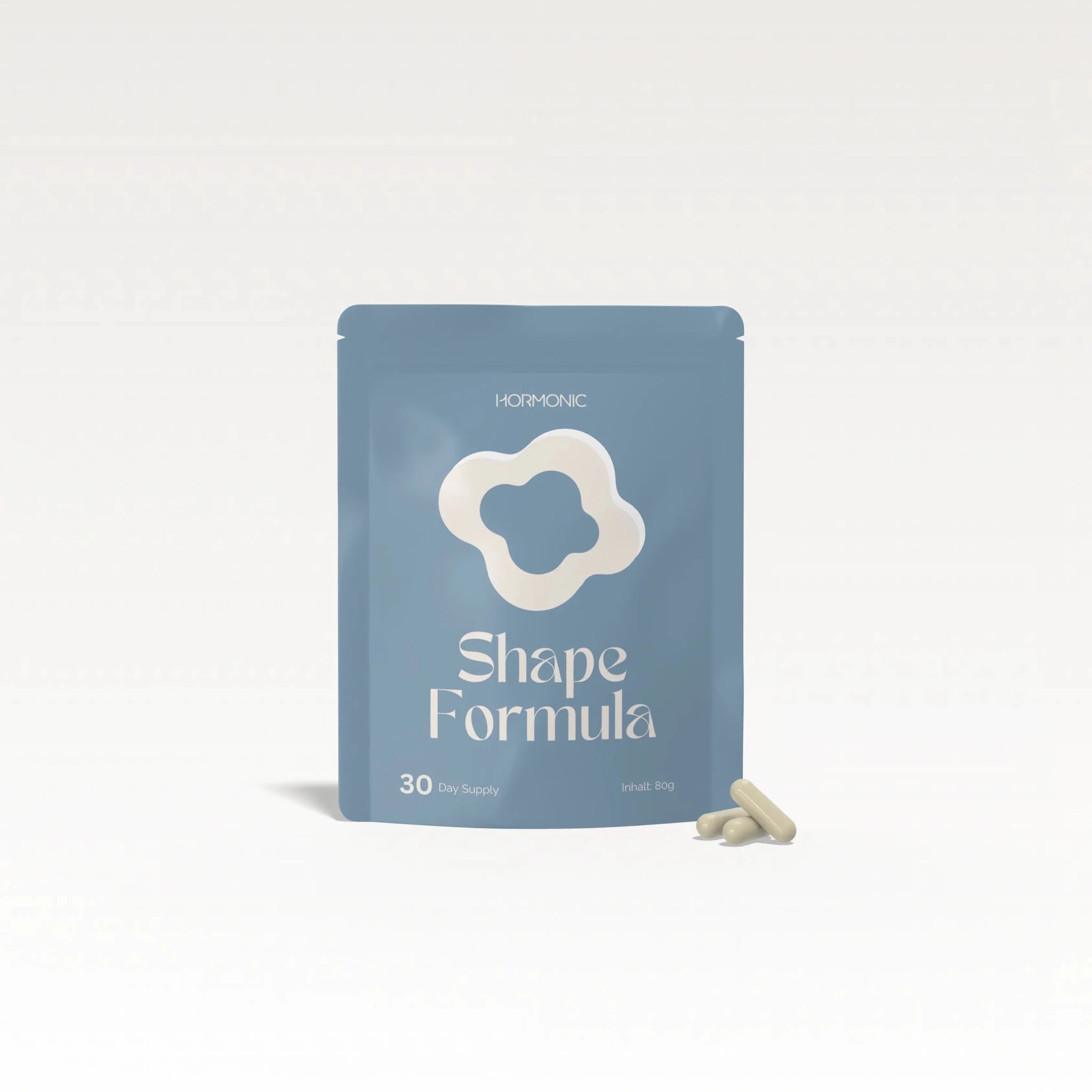
If you would like to combine these approaches, our Hormonic Baseforms the basis: among other things, it provides chromium, which, according to EFSA, contributes to normal blood sugar levels, as well as zinc, which, according to EFSA, contributes to normal fertility and the maintenance of normal skin, plus vitamin D and magnesium. For cycle-targeted support, the Cycle+ Formulacombines, among other things, myo-inositol and zinc, and for metabolic and insulin support, the Shape Formulasupplements with chromium, alpha-lipoic acid, and cinnamon—active ingredients that have been studied in relation to blood sugar and insulin. For those who want everything bundled, the PCOssentials Kitcontains the Base, Cycle+, and Shape plus the PCOS Bible in one package. All products are intended as supplements, not as a therapy for PCOS. You can read about what PCOS generally entails in our PCOS Guide.

And if you are unsure what is right for you, it is best to clarify this comfortably in a free initial consultationvia video call with one of Hormonic's specialized doctors or with your treating physician.

The Power Trio That Women With PCOS Love

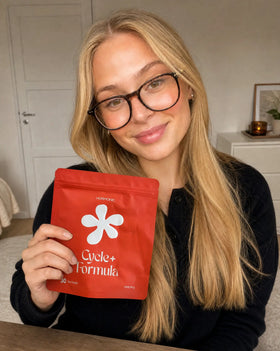
Hormonic Base lays the groundwork with 16 essential active ingredients. Cycle+ contains 9 active ingredients, such as Myo-inositol, which have been studied in the field of cycle regulation, while Shape Formula addresses metabolism and blood sugar. Physician-developed as daily support for issues like PCOS.

Start with a price advantage

Conclusion

Based on studies, the best supplements for PCOS are inositol, followed by NAC and berberine (cinnamon is also very interesting here), supplemented with vitamin D, omega-3, and chromium to compensate for deficiencies. To be honest: Due to the unfortunately still small number of high-quality studies, the international guideline classifies the overall evidence as limited, and no preparation can replace lifestyle changes and medical care. If you understand supplements for what they are, namely a supplement, you can use them meaningfully and targeted.

Frequent Questions about Supplements for PCOS

Which supplement is best for PCOS?

Based on studies, inositol is the most researched supplement for PCOS, especially for insulin sensitivity and ovulation. NAC, berberine, cinnamon, resveratrol, zinc, or magnesium can also be interesting depending on the symptoms. Supplements like those from Hormonic combine many of these active ingredients in one. However, supplements do not replace a healthy lifestyle or medical care.

Does berberine help with PCOS like metformin?

In meta-analyses, berberine lowered insulin, fasting glucose, and insulin resistance comparable to metformin. However, the studies are predominantly small and from one region, which is why it should not be understood as an equivalent treatment. Berberine is an interesting, but not conclusively proven approach and should be medically clarified if you are taking medication.

Was bringt Inositol im Verhältnis 40:1?
Das 40:1-Verhältnis von Myo- zu D-Chiro-Inositol orientiert sich am natürlichen Verhältnis im Blut. In direkten Vergleichsstudien ist es aber nicht eindeutig überlegen. Wichtiger als die genaue Ratio ist, dass Inositol überhaupt ausreichend dosiert und regelmäßig eingenommen wird.
Ersetzen Supplements die PCOS-Behandlung?
Nein. Supplements sind bei PCOS eine mögliche Ergänzung, keine Behandlung. Die internationale PCOS-Leitlinie stuft die Gesamtevidenz als begrenzt ein und sieht den Lebensstil als erste Maßnahme. Neue Präparate solltest Du immer mit Deiner Ärztin oder Deinem Arzt abstimmen, besonders bei Kinderwunsch oder Medikamenten.

Sources

  • Fitz, V. et al. (2024). Inositol for Polycystic Ovary Syndrome: A Systematic Review and Meta-analysis to Inform the 2023 Update of the International Evidence-based PCOS Guidelines. Journal of Clinical Endocrinology & Metabolism, 109(6), 1630-1655. doi:10.1210/clinem/dgad762
  • Showell, M. G. et al. (2018). Inositol for subfertile women with polycystic ovary syndrome. Cochrane Database of Systematic Reviews, 12, CD012378. doi:10.1002/14651858.CD012378.pub2
  • Li, M.-F. et al. (2018). The Effect of Berberine on Polycystic Ovary Syndrome Patients with Insulin Resistance: A Meta-Analysis and Systematic Review. Evidence-Based Complementary and Alternative Medicine, 2018, 2532935. doi:10.1155/2018/2532935
  • Thakker, D. et al. (2015). N-Acetylcysteine for Polycystic Ovary Syndrome: A Systematic Review and Meta-Analysis of Randomized Controlled Clinical Trials. Obstetrics and Gynecology International, 2015, 817849. doi:10.1155/2015/817849
  • Yang, K. et al. (2018). Effectiveness of Omega-3 fatty acid for polycystic ovary syndrome: a systematic review and meta-analysis. Reproductive Biology and Endocrinology, 16, 27. doi:10.1186/s12958-018-0346-x
  • Fazelian, S. et al. (2017). Chromium supplementation and polycystic ovary syndrome: A systematic review and meta-analysis. Journal of Trace Elements in Medicine and Biology, 42, 92-96. doi:10.1016/j.jtemb.2017.04.008
  • Kort, D. H. & Lobo, R. A. (2014). Preliminary evidence that cinnamon improves menstrual cyclicity in women with polycystic ovary syndrome: a randomized controlled trial. American Journal of Obstetrics and Gynecology, 211(5), 487.e1-6. doi:10.1016/j.ajog.2014.05.009
  • Unfer, V. et al. (2017). Myo-inositol effects in women with PCOS: a meta-analysis of randomized controlled trials. Endocrine Connections, 6(8), 647-658. doi:10.1530/EC-17-0243

About the Author

Amelie Weiss

Amelie Weiss

Research Fellow, PhD · Hormonic

Amelie Weiss is a Research Fellow at Hormonic and conducts scientific research on hormonal health, micronutrients, and evidence-based women's health.

Note: This article is based on current guidelines and scientific papers (as of 2026). It is for informational purposes only and does not replace professional medical advice, diagnosis, or treatment.

Share

You might also be interested in this.

Myo-Inositol bei PCOS: Wirkung, Studien & Dosierung
FruchtbarkeitMay 31, 202610 min read
Myo-inositol for PCOS: Effects, Studies & Dosage

How does inositol work for PCOS, what do studies show regarding ovulation, testosterone, and insulin resistance, and what is a sensible dosage? The evidence-based overview.
Antioxidans- und schwefelreiche Lebensmittel wie Knoblauch, Zwiebel, Brokkoli, Eier und Walnüsse auf Leinen
MikronährstoffeJul 14, 20268 min read
NAC (N-acetylcysteine) in Women: Effects on PCOS and and Fertility

What are the benefits of N-acetylcysteine (NAC) for PCOS and fertility? What studies show about ovulation, insulin, and egg quality, and how to honestly evaluate NAC.
Blutzuckerfreundliche, chromreiche Lebensmittel wie Vollkornbrot, Brokkoli, Linsen, Walnüsse und Ei auf Leinen
MikronährstoffeJul 12, 20268 min read
Chromium for Women: Blood Sugar, Cravings, and PCOS

What does chromium do for blood sugar, cravings, and PCOS? What the EFSA statements mean, what studies show, and how you as a woman can fairly assess chromium.