


Cart

Your cart is empty

Continue shopping

Trending searches

Featured products

Hormonic Base - Hormonic - Nahrungsergänzungsmittel
Sale price€65,00
(5.0)
Midlife Formula - Hormonic - Nahrungsergänzungsmittel
Sale price€75,00
(5.0)
Nährstoffe in der Schwangerschaft: Was Du wirklich brauchst - Hormonic
FruchtbarkeitJul 24, 20267 min read

Nutrients in Pregnancy: What You Really Need

This article is part of: Fertility Boost: How Nutrition and Supplements Can Improve the Chances of Getting Pregnant

In my consultations, I often see the same uncertainty: As soon as a pregnancy test is positive, dos and don'ts pour in from every direction, and many women suddenly fear doing something wrong. Yet, when it comes to nutrients, it's surprisingly straightforward.

There are only a handful of nutrients that truly matter during pregnancy. If you know these, you can approach the rest relaxed, without panic and without having to sift through a shelf full of supplements.

Which nutrients do you need during pregnancy?

During pregnancy, the need for some nutrients increases significantly, but only a few really need to be supplemented. The German network Gesund ins Leben specifically recommends folic acid and iodine as supplements, sufficient DHA through fatty sea fish or a supplement, and iron only if a deficiency is proven (Koletzko et al., 2018). Everything else is covered by a balanced diet.

Nutrient Recommendation (Guideline)
Folic Acid 400 µg per day as a supplement, from trying to conceive until the end of the first trimester.
Iodine Additionally as a supplement, plus iodized salt and sea fish.
DHA (Omega-3) At least 200 mg per day, through fatty sea fish or a supplement.
Iron Only in case of a confirmed deficiency, not as a preventive measure.
Vitamin D Recommended with low sunlight exposure, best to consult a doctor.

Key Nutrients in Detail

Folic Acid. Folic acid is the most important nutrient during pregnancy. Adequate intake has been shown to reduce the risk of neural tube defects in the baby (De-Regil et al., 2015). A daily supplement of 400 µg is recommended, ideally starting four weeks before pregnancy and continuing at least until the end of the first trimester, supplemented by folate-rich foods such as green leafy vegetables and legumes.

Iodine. Iodine is crucial for the thyroid gland of both mother and child, and thus for fetal brain development. As iodine intake in Germany is often borderline, professional societies recommend an iodine supplement, combined with iodized table salt and regular consumption of saltwater fish. In case of a thyroid condition, the dosage should be coordinated with a doctor.

DHA and Omega-3. The long-chain omega-3 fatty acid DHA supports the development of the baby's brain and eyes. A minimum of 200 mg DHA per day is recommended. Those who eat fatty saltwater fish once or twice a week usually meet this requirement through diet; otherwise, a DHA supplement is advisable (Middleton et al., 2018).

Iron. Iron requirements increase during pregnancy, but a general intake is not recommended. Iron should only be supplemented if a deficiency has been identified through blood tests, such as ferritin levels, as unnecessary intake can also have side effects.

Vitamin D and B12. Vitamin D is particularly relevant in winter or with little sunlight and can be well assessed through a blood test. Vitamin B12 is especially important for women who follow a vegetarian or vegan diet, as it is found almost exclusively in animal products.

The Pregnancy Compass: Calmly and Soundly Through Pregnancy

Instead of panic and prohibitions: The Pregnancy E-Guide gives you a well-founded, calm overview of nutrition, nutrients, and well-being during pregnancy, explained scientifically and prepared practically.

€29,00

Discover guides

What you should avoid during pregnancy

Omitting things is just as important as supplementing them. A few things can harm the baby and are easy to avoid.

  • High doses of vitamin A: Very high levels of retinol, for example from liver or high-dose supplements, can be harmful during pregnancy. Opt for a pure pregnancy supplement with an appropriate dosage.
  • Alcohol and smoking: There is no safe amount here. It's best to avoid them completely from the start.
  • Raw animal products: Raw or undercooked meat, raw fish, and raw milk cheese can transmit pathogens such as Listeria or Toxoplasmosis and should be avoided.
  • Too much caffeine: Coffee is not forbidden, but the amount should remain moderate, usually up to about two to three cups per day.

Nutrition as a base, supplements as a complement

As important as individual nutrients are, the foundation remains a colorful, balanced diet with plenty of vegetables, whole grains, good protein sources, and healthy fats. Supplements specifically fill the gaps that are difficult to close through food alone, but they do not replace nutrition.

If you are looking for a calm, well-founded companion for this time, you will find everything you need to know about nutrition, nutrients, and well-being during pregnancy in one place, scientifically explained and without fear-mongering, in the Pregnancy Compass.

If you are just starting with family planning, our article on Nutrients for family planningis worthwhile beforehand, and you can read how vitamin D influences the cycle in our article on Vitamin D and progesterone.

And if you would like to discuss your personal situation, you can do so in a free initial consultationwith one of our doctors. Important: Please always discuss specific dosages and preparations with your gynecologist.

Questions about your pregnancy?

In a free, 15-minute introductory call, you can discuss your questions about nutrition and nutrients during pregnancy with one of our doctors, completely non-binding.

Book Video Call

Conclusion

Nutrients during pregnancy do not have to be a source of stress. The most important supplements are folic acid and iodine, sufficient DHA from seafood or a supplement, and iron only in cases of proven deficiency. The rest comes from a balanced diet. Combined with consciously avoiding alcohol, high doses of vitamin A, and raw animal products, you already have the most important levers in hand. It is best to discuss the exact selection and dosage with your gynecologist.

Frequent Questions about Nutrients in Pregnancy

Which nutrients are most important during pregnancy?

Most important are folic acid and iodine, which are recommended as supplements, as well as sufficient DHA through fatty sea fish or a preparation. Iron is only supplemented in cases of proven deficiency. Vitamin D and, for plant-based diets, vitamin B12 are additionally relevant depending on the situation.

Which vitamins should I supplement during pregnancy?

Specialist societies primarily recommend folic acid and iodine as supplements, and DHA, vitamin D, and vitamin B12 if needed. An expensive all-in-one preparation is rarely necessary. It is best to discuss which preparations and dosages are suitable for you with your gynecologist.

Wie viel Folsäure braucht man in der Schwangerschaft?
Empfohlen werden 400 µg Folsäure pro Tag als Supplement, idealerweise schon etwa vier Wochen vor der Schwangerschaft und mindestens bis zum Ende des ersten Drittels. Zusätzlich helfen folatreiche Lebensmittel wie grünes Blattgemüse und Hülsenfrüchte.
Was sollte man in der Schwangerschaft nicht essen?
Gemieden werden sollten Alkohol, rohes oder nicht durchgegartes Fleisch, roher Fisch und Rohmilchkäse wegen möglicher Erreger wie Listerien oder Toxoplasmose sowie sehr hohe Vitamin-A-Mengen, etwa aus Leber. Koffein ist in moderaten Mengen von etwa zwei bis drei Tassen Kaffee pro Tag in Ordnung.

Scientific Sources

  • Koletzko, B. et al. (2018). Ernährung und Lebensstil vor und während der Schwangerschaft: Handlungsempfehlungen des Netzwerks Gesund ins Leben. Geburtshilfe und Frauenheilkunde, 78(12), 1262-1282. doi:10.1055/a-0713-1058
  • De-Regil, L. M. et al. (2015). Effects and safety of periconceptional oral folate supplementation for preventing birth defects. Cochrane Database of Systematic Reviews, (12), CD007950. doi:10.1002/14651858.CD007950.pub3
  • Middleton, P. et al. (2018). Omega-3 fatty acid addition during pregnancy. Cochrane Database of Systematic Reviews, (11), CD003402. doi:10.1002/14651858.CD003402.pub3
  • World Health Organization (2016). WHO recommendations on antenatal care for a positive pregnancy experience. Geneva: WHO.
  • Deutsche Gesellschaft für Ernährung (DGE). Reference values for nutrient intake: Pregnancy and lactation.

About the Author

Lisa Maria Emmer

Lisa Maria Emmer

Founder · Physician · Hormonic

Lisa Maria Emmer is co-founder and medical director at Hormonic. She supports women with hormonal problems every day and specializes in cycle health, PCOS, and menopause.

Note: This article is based on current guidelines and scientific papers (as of 2026). It is for informational purposes only and does not replace medical advice, diagnosis, or treatment. During pregnancy, you should always discuss the use of dietary supplements with your doctor.

Share

You might also be interested in this.
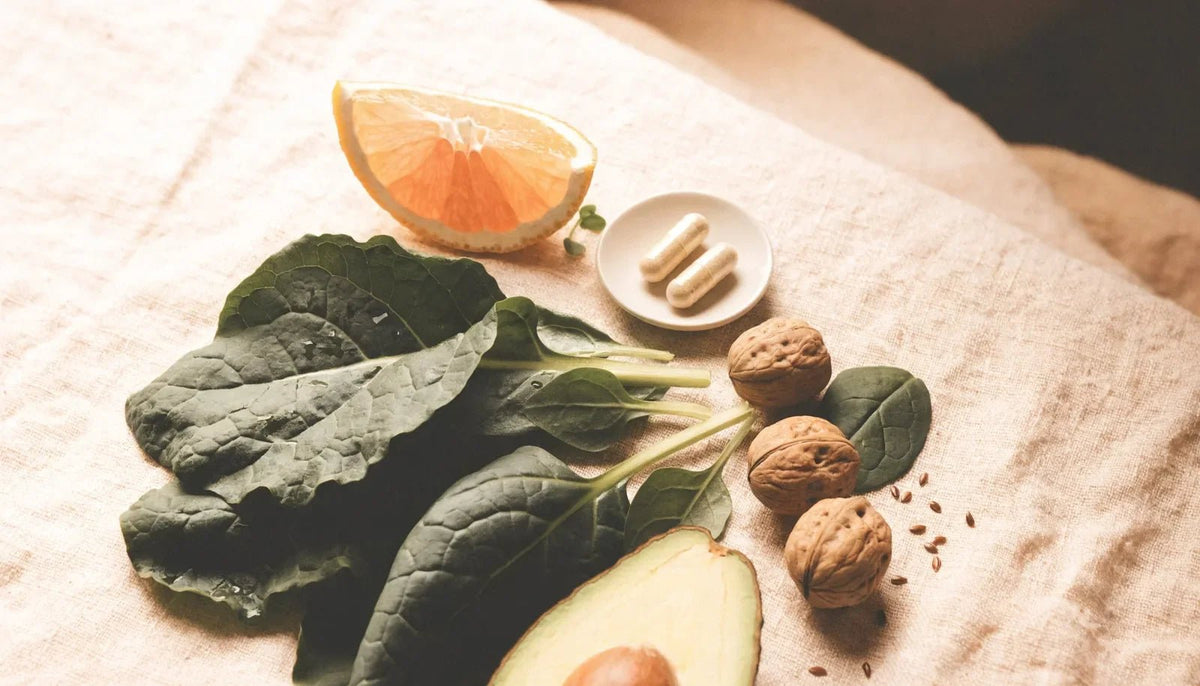
Kinderwunsch? Diese Nährstoffe machen laut Studien den Unterschied - Hormonic
FruchtbarkeitOct 21, 20249 min read
Fertility Boost: How Nutrition and Supplements Can Improve the Chances of Getting Pregnant

Which nutrients really help with fertility? We provide an evidence-based classification of folic acid, CoQ10, myo-inositol, omega-3, and diet, for women and men.

Vitamin D und Progesteron: Was die Forschung zum Zyklus zeigt - Hormonic
MikronährstoffeJun 20, 20268 min read
Vitamin D and Progesterone: What Research Shows About the Cycle

Does Vitamin D influence your progesterone and your cycle? What studies on ovulation, AMH, and fertility really show, an honest assessment.

Fruchtbarkeit verbessern bei PCOS: Was wirklich hilft - Hormonic
FruchtbarkeitOct 18, 20258 min read
Improving Fertility with PCOS: What Really Helps

PCOS and a desire to have children? Learn which levers really improve your fertility with PCOS, according to science: lifestyle, nutrients, and medical support.