
Cart

Your cart is empty

Continue shopping

Trending searches

Featured products

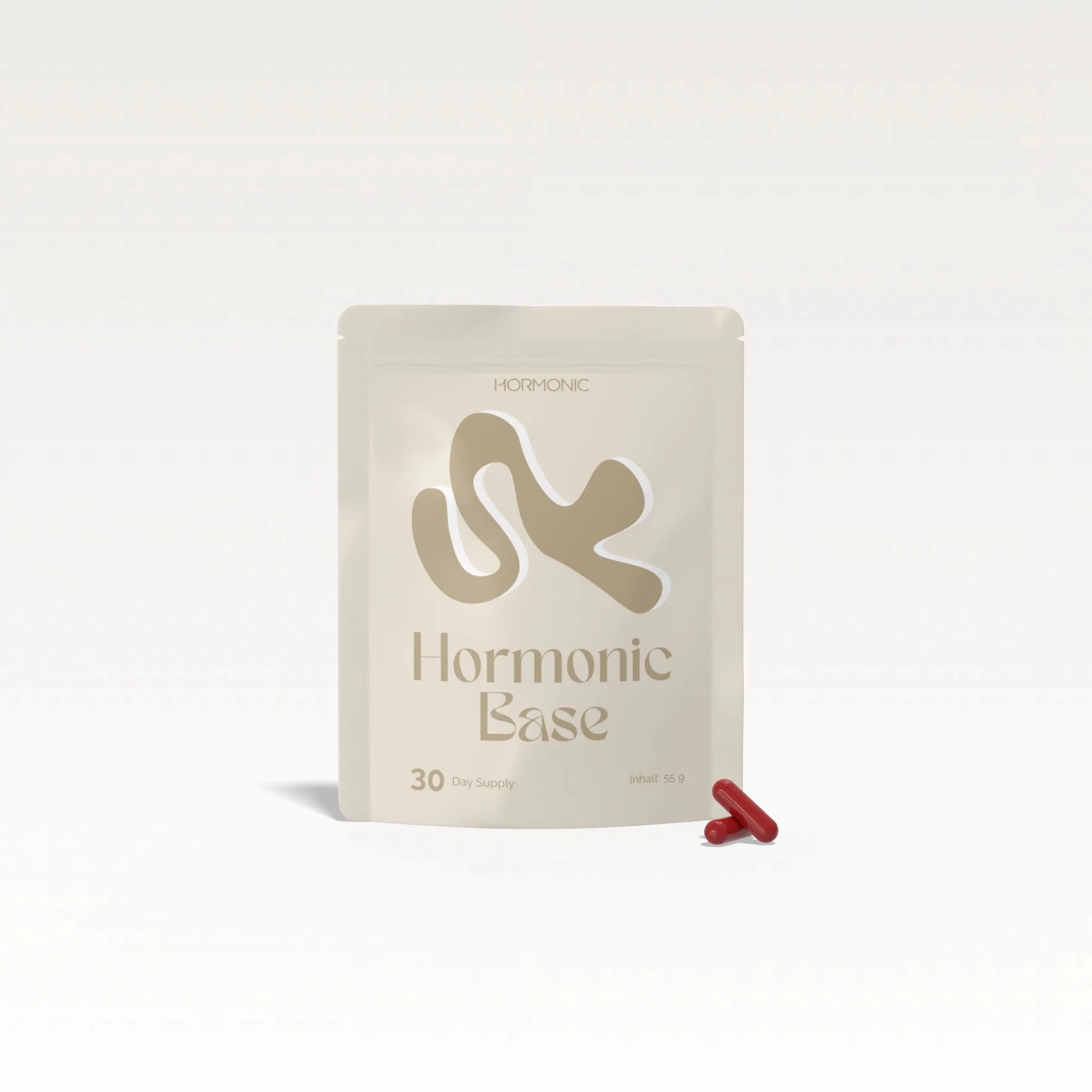
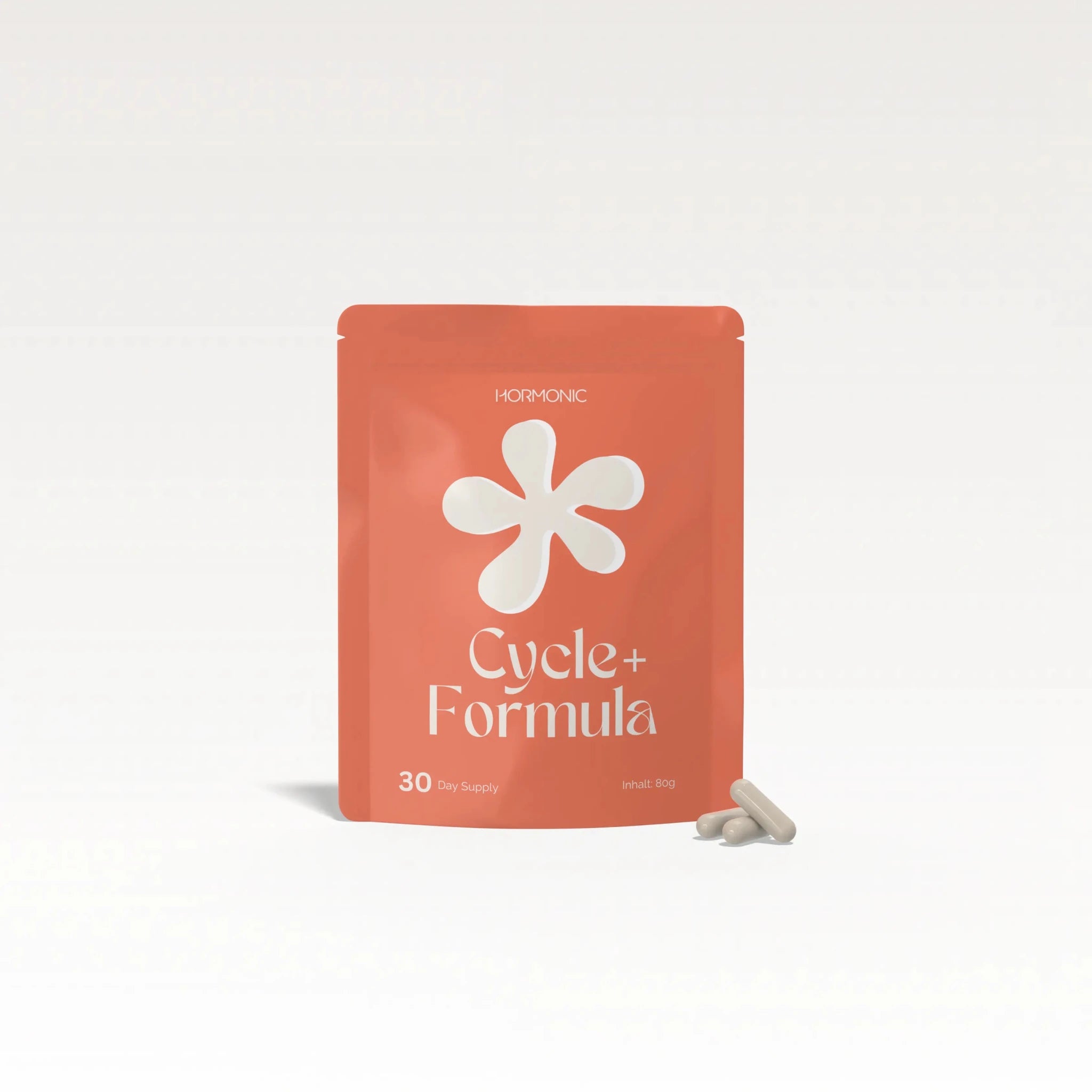
Hormonal Base
Sale price€65,00
(5.0)
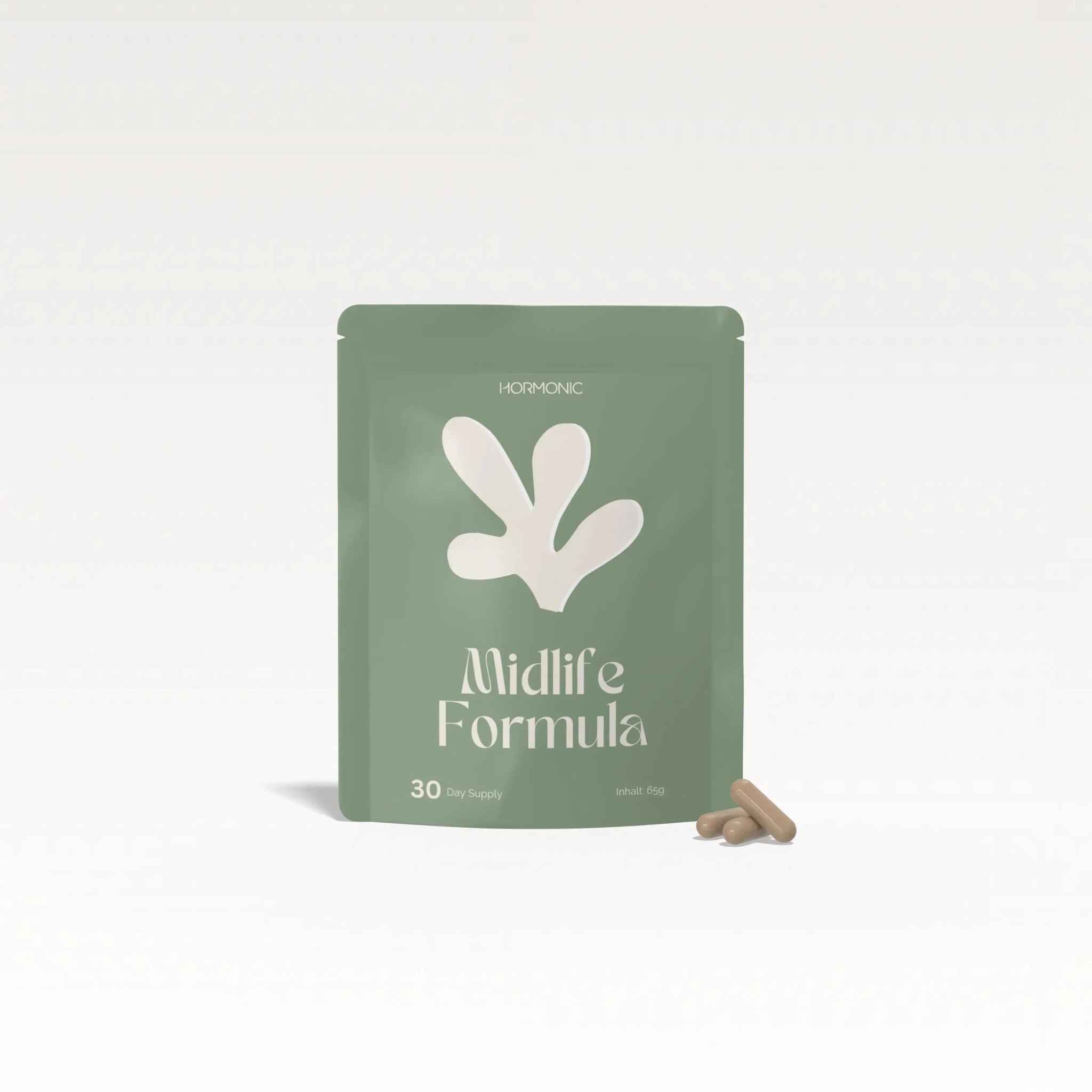
Midlife balance
Sale price€75,00
(5.0)
Frau mit Stimmungsschwankungen sitzt am Fenster
WechseljahreJun 30, 20268 min read

Mood Swings During Menopause: What Really Helps

Dieser Artikel ist Teil von: Menopause & Perimenopause: The Complete Medical Guide

Mood swings during menopause are more common than many people think and have a biological basis. This article explains what happens hormonally and what approaches, according to guidelines and studies, can help.

Key takeaways

Mood swings, irritability, and inner restlessness are part of menopause and are primarily caused by hormonal fluctuations. A good nutritional foundation, well-researched active ingredients like saffron and isoflavones, a coherent lifestyle, and medical support if needed can be helpful.

Do you feel irritable, down, or restless without a clear reason? During menopause, this is neither imagination nor a sign of weakness. Mood swings are among the most common, yet least discussed, companions of this life phase.

Definition
What are mood swings during menopause?

These refer to fluctuations in mood that occur in temporal connection with perimenopause: increased irritability, low mood, inner restlessness, anxiety, or the feeling of being estranged from oneself. They can occur individually or together with physical symptoms such as hot flashes and sleep disturbances.

Is this still me? Why menopause affects your mood

Many women describe this feeling as "not being myself anymore." Moods shift more quickly, patience wears thin, and things that used to be easy suddenly feel difficult. According to the German S3 guideline on peri- and postmenopause, the risk of depressive symptoms triples during peri- and postmenopause.

Perimenopause is considered one of the most sensitive windows in a woman's life. During this time, depressive episodes can even occur for the first time, even without a previous history. This does not mean that every woman is affected. But if your mood is on a rollercoaster during this phase, it has a biological basis and is a known, serious issue.

The symptoms vary from woman to woman. Commonly, there is increased irritability, tearfulness, inner restlessness, anxiety, listlessness, or difficulty concentrating. Often, there is also a feeling of being overwhelmed by everything at once. These symptoms rarely occur alone: they frequently overlap with hot flashes, night sweats, and poor sleep, which further weakens emotional resilience.

What hormonally truly happens

During perimenopause, estrogen levels fluctuate significantly before decreasing long-term. At the same time, progesterone, which has a calming effect, decreases. Estrogen influences neurotransmitters in the brain important for mood, including serotonin, GABA, and dopamine, as well as the nerve growth factor BDNF. When hormones fluctuate, this finely tuned system gets out of balance.

Progesterone, acting via the GABA system, has a more calming and balancing effect. As it decreases, this dampening effect partially disappears, and restlessness or sleep problems can increase. Estrogen, in turn, supports the serotonin system, which is closely linked to feelings of stability and contentment. So, it's less a single switch than an entire network that is being readjusted during this phase.

Experts speak of the "window of vulnerability": not the low estrogen level alone, but especially the strong fluctuations seem to unbalance the mood. The risk is highest in late perimenopause and early postmenopause, when hormones are particularly erratic, and can calm down later. Important for context: This connection is well described, but not yet scientifically proven in every detail. Sleep deprivation, persistent stress, previous depressive episodes, and life circumstances in midlife also play a role.

Not the low hormone level alone, but the fluctuations destabilize the mood.

Did you know?

Mood swings and irritability are often among the first signs of perimenopause, sometimes years before periods become irregular.

What the guideline recommends

The German S3 guideline on peri- and postmenopause clearly categorizes the available options. Hormone therapy may be considered if psychological symptoms appear as a consequence of menopause or worsen concurrently with it. For depression requiring treatment, drug therapy follows general treatment guidelines, as there are currently no specific efficacy studies for perimenopause.

The guideline also points out that the connection between hormonal changes and mood is not always clearly proven but cannot be ruled out. Classical SSRI antidepressants are not recommended as a first choice against hot flashes alone, but they are part of general treatment for true depression.

Interestingly for herbal approaches: According to the guideline, perimenopausal women can be offered isoflavones for depressive symptoms and anxiety. However, for postmenopausal women, isoflavones should not be specifically used against depressive symptoms, as the data here is weaker. Caution is explicitly advised for black cohosh (Cimicifuga), as the evidence for mood and depression is too limited. Forms of exercise such as yoga and Qigong, as well as cognitive behavioral therapy, are also mentioned as supportive measures.

Saffron: the most compelling research

Among herbal active ingredients, saffron has received the most attention in recent years. In a randomized, placebo-controlled study with 86 perimenopausal women, one group took 28 milligrams of a standardized saffron extract (affron) daily for twelve weeks. A significantly greater improvement in psychological symptoms was observed compared to placebo, with about one-third fewer anxiety and low mood symptoms compared to baseline.

A more recent, also placebo-controlled study from 2026 investigated the same saffron extract in women between 50 and 70 years of age with low mood and poor sleep. Here, too, the same daily dose of 28 milligrams was used for twelve weeks, focusing on mood and sleep quality. The 30 milligrams used in the Midlife Formula is close to this investigated dose.

Why saffron might affect mood is not yet fully understood. It is discussed that its ingredients, such as crocin and safranal, are linked to the serotonin system and have antioxidant properties. This is a plausible approach, but not proof of a specific effect in the body.

Important for classification: In the perimenopause study, saffron had no effect on hot flashes and physical symptoms that clearly differed from placebo. These are also individual, comparatively small studies. However, the mood-lifting effect of saffron has also been observed in further studies in adults, which makes the overall data promising, even if it is not yet conclusive. Saffron can therefore be supportive, but it does not replace medical treatment.

Midlife Formula for your balance during menopause

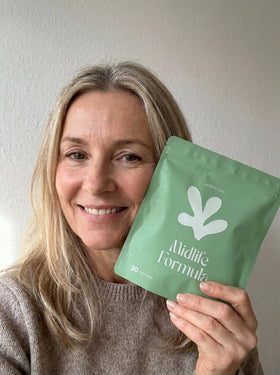
Midlife Formula combines standardized saffron extract (affron), L-theanine, apigenin, and red clover isoflavones. These active ingredients, studied for their roles in mood and relaxation, are brought together in a single formula for this stage of life.
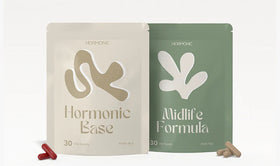
Discover Midlife Formula

Overview of phytochemicals and nutrients

In addition to saffron, other substances are discussed. An honest classification is more important than grand promises.

  • Isoflavones from red clover or soy:plant-based substances with weak estrogen-like effects. According to guidelines, they can be offered to perimenopausal women for depressive symptoms and anxiety.
  • L-Theanine:an amino acid from green tea. Studies in adults have shown a calming effect on stress and tension, usually at higher doses. There are currently no specific studies for menopause.
  • Apigenin:a phytochemical associated with relaxation and sleep. The evidence for this is still early.
  • Magnesium and B vitamins:they contribute to the normal function of the nervous system and psyche and are a sensible foundation, especially with a one-sided diet.

Especially in midlife, a good basic supply is not a given. A one-sided diet, stress, and a changed metabolism can lead to a shortage of important nutrients, and these are precisely what are relevant for the nervous system and mood. No single substance is a switch for a good mood. A combination of a solid nutrient base and targeted, well-researched active ingredients is more sensible.

What you can do in everyday life

Lifestyle has a major impact during this phase, often more than many expect.

  • Exercise:regular exercise and meditative forms such as yoga or Qigong are explicitly mentioned in the guidelines for psychological complaints and quality of life.
  • Sleep:sleep and mood are closely linked. If hot flashes disturb sleep, it is worth addressing this specific point.
  • Stress and thoughts:cognitive behavioral therapy can help to better cope with symptoms and distressing thoughts.
  • Everyday factors:alcohol and a lot of caffeine can increase restlessness and sleep problems. Daylight in the morning and a reasonably fixed daily rhythm help the body get back into sync.
  • Connection:social contacts and openly addressing this phase of life provide noticeable relief. Just knowing that the symptoms have a biological background takes pressure off many women.

Rarely is a single measure most effective, but rather the combination: exercise, good sleep, fewer irritants, and a supportive environment interact.

When you should seek medical help

Mood swings are part of menopause, but not every low mood is purely hormonal. Talk to your doctor if your low mood lasts longer than two weeks, if you lose joy and interest in almost everything, if you feel hopeless, or if thoughts arise that life is no longer worth living. These are not signs of weakness, but an important reason to seek support. A thyroid disorder can also cause similar symptoms and can be clarified with a simple blood test. Effective help is available, from counseling options to herbal options to hormone therapy, and seeking support early is a sign of strength, not weakness.

You don't have to deal with this alone.

The first 15 minutes with one of our doctors are free. We'll listen and show you which steps make sense for you during menopause.

Secure your free initial consultation

Conclusion

Mood swings during menopause are real, common, and biologically based. They are primarily caused by the significant hormonal fluctuations of this phase, which affect neurotransmitters in the brain. This knowledge alone relieves many women of the burdensome feeling that something is wrong with them.

A multi-layered approach is helpful: a good nutritional foundation, well-researched active ingredients such as saffron and isoflavones, a coherent lifestyle with exercise and sleep, and, if necessary, medical support. None of these components alone is the complete solution, but together they can make a big difference. And if symptoms become severe, seeing a doctor is the most important step. You don't have to go through this phase alone or in silence.

Frequently Asked Questions About Mood Swings During Menopause

Are mood swings a sign of menopause?

Yes. Mood swings, irritability, and inner restlessness are among the known complaints of perimenopause and can even be among the first signs. According to the S3 guideline, the risk of depressive symptoms increases significantly during this phase. The connection with hormonal fluctuations is well described, but not conclusively clarified in detail.

What helps with mood swings during menopause?

There are several approaches. The guideline mentions, among others, hormone therapy for menopausal psychological symptoms, isoflavones for depressive complaints and anxiety, forms of exercise such as yoga, and cognitive behavioral therapy. A standardized saffron extract also showed an improvement in mood in one study. You should discuss what suits you best with your doctor.

Kann Safran bei Stimmungsschwankungen in den Wechseljahren helfen?
In einer randomisierten, placebokontrollierten Studie mit perimenopausalen Frauen war ein standardisierter Safranextrakt (28 Milligramm täglich über zwölf Wochen) mit einer deutlicheren Verbesserung der psychischen Beschwerden verbunden als Placebo. Auf Hitzewallungen hatte er keinen klaren Effekt. Es handelt sich um eine einzelne, kleinere Studie, die Ergebnisse sind also vielversprechend, aber noch nicht endgültig. Safran kann unterstützen, ist aber kein Ersatz für eine ärztliche Behandlung.
Wann sollte ich mit Stimmungsschwankungen zum Arzt?
Hol dir ärztliche Unterstützung, wenn die gedrückte Stimmung länger als zwei Wochen anhält, wenn du Freude und Interesse verlierst, dich hoffnungslos fühlst oder Gedanken hast, dass das Leben nicht mehr lebenswert ist. Auch wenn die Beschwerden deinen Alltag stark belasten, ist ein Gespräch sinnvoll. Eine Schilddrüsenstörung kann ähnliche Symptome verursachen und lässt sich mit einem Bluttest abklären.

Scientific Sources

  • German Society for Gynecology and Obstetrics (DGGG). S3 Guideline Peri- and Postmenopause, Diagnostics and Interventions. AWMF Reg. No. 015-062 (as of 2020, updated 2026).
  • Lopresti AL et al. (2021). The Effects of a Saffron Extract (affron) on Menopausal Symptoms in Women during Perimenopause. Journal of Menopausal Medicine. doi:10.6118/jmm.21002
  • Lopresti AL et al. (2026). Effects of a saffron extract (Affron) on mood, sleep and self-esteem in women aged 50 to 70 years. Frontiers in Nutrition. doi:10.3389/fnut.2026.1838513
  • Hidese S et al. (2019). Effects of L-Theanine Administration on Stress-Related Symptoms and Cognitive Functions in Healthy Adults. Nutrients. doi:10.3390/nu11102362
  • Bromberger JT, Kravitz HM (2011). Mood and Menopause: Findings from the Study of Women's Health Across the Nation (SWAN). Obstetrics and Gynecology Clinics of North America. doi:10.1016/j.ogc.2011.05.011

About the Author

Lisa Maria Emmer

Lisa Maria Emmer

Medical Director · Hormonic

Lisa Maria Emmer is co-founder and medical director at Hormonic. She supports women with hormonal problems every day and specializes in cycle health, PCOS, and menopause.

Note: This article is based on current guidelines and scientific work (as of 2026). It is for informational purposes only and does not replace medical advice, diagnosis, or treatment.

Share

You might also be interested in this.

Hitzewallungen: Was im Körper passiert und was wirklich hilft
WechseljahreJun 1, 20268 min read
Hot flashes: What happens in the body and what really helps

Hot flashes during and before menopause: What happens hormonally, which measures truly help, and when other causes should be investigated.
Schlafstörungen in der Perimenopause: Was wirklich hilft
WechseljahreFeb 6, 202616 min read
Sleep Disturbances in Perimenopause: What Really Helps

Sleep disturbances during perimenopause are no coincidence. Learn about the hormonal and neurobiological causes behind them – and what truly helps.

Hormonersatztherapie in den Wechseljahren: Nutzen & Risiken
WechseljahreJun 4, 20266 min read
Hormone Replacement Therapy in Menopause: Benefits & Risks

Menopausal Hormone Therapy: Benefits, Risks, and Who It's For, Explained in an Evidence-Based and Understandable Way.