



An abnormal Pap smear result or dysplasia can be frightening at first. The good news: mild cell changes in the cervix very often regress on their own. This article explains why this is the case, what your immune system, your diet, and certain nutrients can honestly support, and what the limitations are.
Key takeaways
- Mild cell changes (CIN 1) resolve on their own in about six out of ten cases, usually while the immune system fights off the HPV infection.
- Therefore, mild findings are typically monitored and observed, not immediately treated.
- The most powerful lever you have is quitting smoking.
- Good nutritional status (folate, vitamin D, selenium, zinc) supports the immune system and cell protection, but does not remove cell changes.
- Regular medical check-ups remain indispensable and should never be replaced by self-treatment.
When a woman comes to me after an abnormal smear, the first reaction is almost always absolute panic, often with the word cancer already in her mind. I can understand that well, and that is why one thing is particularly important to me before we talk about nutrients or the immune system: cell changes in the cervix are not cancer, and mild forms disappear on their own in most cases. I want to calmly explain to you what the findings mean and what you can do to support your body.
You can read exactly what the individual Pap stages mean in our article on Pap test results, and we have separately summarized how you can generally get rid of HPV. This article is about the step after that: you have a finding, and the question is what you can do yourself to support regression.
Did you know?
In a large analysis, mild cell changes (CIN 1) regressed spontaneously in about 60 percent of cases. The progression from a mild change to cancer is extremely rare, affecting only about 3 out of 10,000 women. So an abnormal finding is almost never an emergency.
What cell changes in the cervix mean
Cell changes in the cervix are medically referred to as cervical intraepithelial neoplasia, or CIN for short. This sounds threatening, but it only describes altered cells in the uppermost layer of the mucous membrane, not cancer. Almost always, high-risk types of human papillomavirus (HPV) are behind it, a very common infection that most women have at some point in their lives.
The changes are divided into three grades: CIN 1 stands for mild, CIN 2 for moderate, and CIN 3 for severe changes. The crucial point is: the milder the grade and the younger you are, the more likely the change is to heal on its own. This is precisely why doctors usually do not treat mild findings immediately, but rather monitor them calmly.
How often cell changes regress on their own
These numbers relieve many women of their greatest fear, which is why they are presented here early.
| Grade | Spontaneous regression | Usual procedure |
|---|---|---|
| CIN 1 (mild) | approx. 60 percent | monitor and observe |
| CIN 2 (moderate) | approx. 55 percent, about two-thirds in women under 30 | monitoring often possible, individually |
| CIN 3 (severe) | rarely spontaneous | treatment usually recommended |
The reason for this high rate of spontaneous healing is no coincidence: In most cases, the immune system manages to control the HPV infection, and with the virus, the cell changes also disappear. Your most important ally, therefore, is your own defense, and that's exactly where you can start.
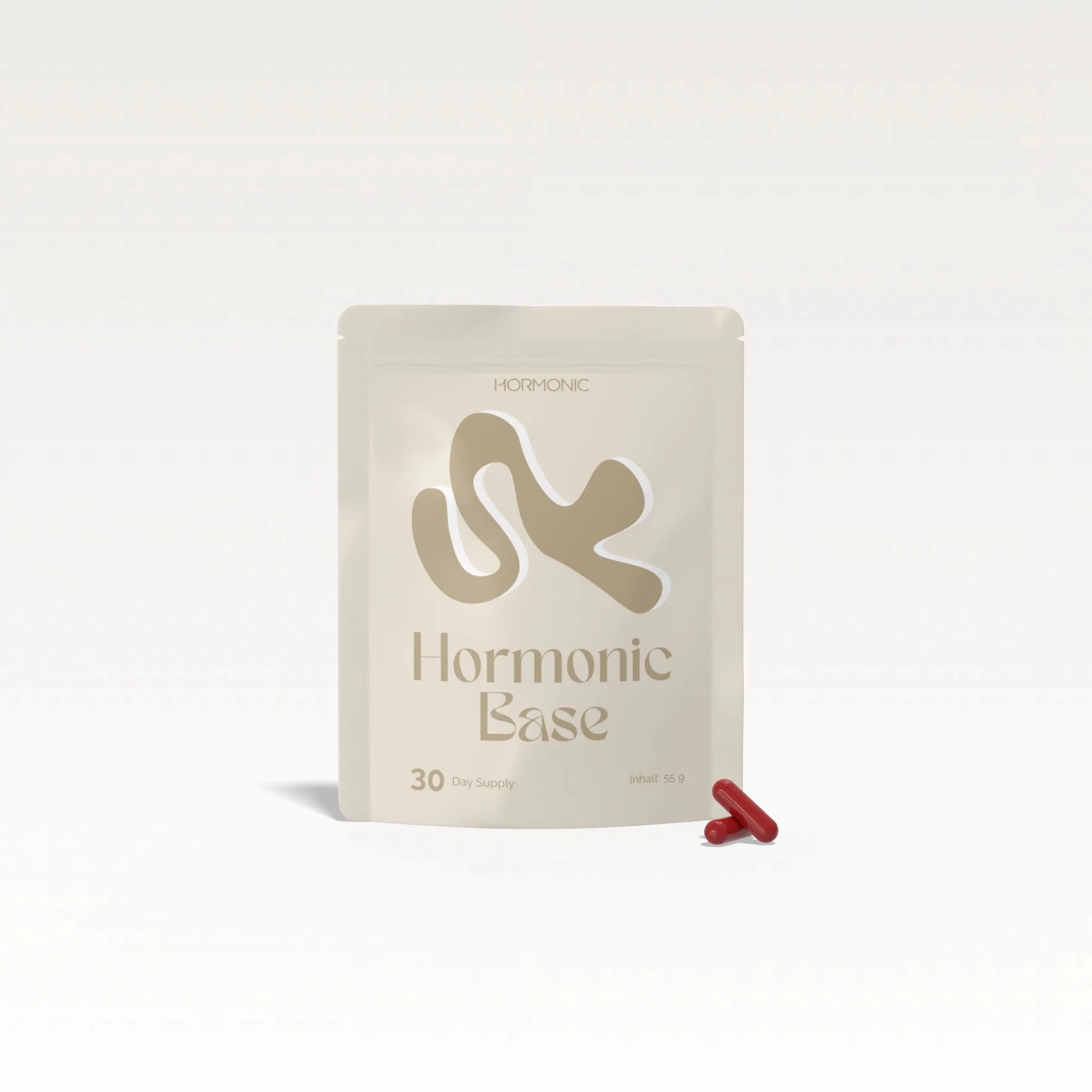
Hormonic Base: The Foundation for Immune System and Cell Protection
Your body clears HPV and mild cell changes primarily through your immune system and cell protection, and for that it needs the right building blocks. Hormonic Base provides 16 essential active ingredients, including folate, vitamin D3, selenium, zinc, and vitamin E, which contribute to normal cell division, the immune system, and cell protection. Developed by doctors and made in Austria.
€65,00

Questions about your findings?
A striking finding can be unsettling, and questions often remain unanswered. In a free 15-minute consultation, one of our doctors will assess your situation, and you can ask all your questions, without any obligation.
Frequent Questions about Cervical Cell Changes
Do cervical cell changes go away on their own?
What can I do myself to make cell changes regress?
Welche Nährstoffe helfen bei Zellveränderungen am Gebärmutterhals?
Ist eine Dysplasie am Gebärmutterhals gefährlich?
Scientific Sources
- Loopik, D. L. et al. (2021). The Natural History of Cervical Intraepithelial Neoplasia Grades 1, 2, and 3: A Systematic Review and Meta-analysis. J Low Genit Tract Dis, 25(3), 221-231. PMID 34176914
- Tainio, K. et al. (2018). Clinical course of untreated CIN2 under active surveillance: systematic review and meta-analysis. BMJ, 360, k499. PMID 29487049
- Piyathilake, C. J. et al. (2014). Folate and Vitamin B12 May Play a Critical Role in Lowering the HPV16 Methylation-Associated Risk of Higher-Grade CIN. Cancer Prev Res, 7(11), 1128-1137. PMID 25145486
- Karamali, M. et al. (2015). Effects of selenium supplementation on the regression of cervical intraepithelial neoplasia: a randomised, controlled trial. Br J Nutr. PMID 26439877
- Malagon, T. et al. (2021). Smoking as a risk factor for CIN and cervical cancer: systematic review and meta-analysis. PMID 33663309
- S3 Guideline Prevention of Cervical Cancer (AWMF 015-027OL).
- IQWiG / gesundheitsinformation.de: Cervical cancer, precancerous lesions and their treatment (as of 2025).
- EU Register of Health Claims (Regulation (EU) No 432/2012): Folate and normal cell division/immune system; Vitamin D and immune system; Selenium, zinc and Vitamin E and cell protection from oxidative stress.
About the Author

You might also be interested in this.

HPV is more common than many women think and often disappears on its own. Learn how your immune system fights HPV and how you can support it.
Understanding PAP Test Results: What Pap I to V and Pap IIID Mean, Why an Abnormal Finding Rarely Is Cancer, and How HPV Is Related.

Which micronutrients truly support your hormones? The honest, evidence-based guide to magnesium, vitamin D, omega-3, and B vitamins, with a clear evaluation of the study situation.