







A regular Pap test is the most important component of cervical cancer prevention. Nevertheless, many women do not know what is being examined, how to interpret the results, and how the test relates to HPV. This article explains it calmly and factually.
What is a PAP test?
The PAP test (also known as a Pap smear) is a cytological examination: cells are taken from the cervix and examined under a microscope for changes. The aim is to detect precancerous changes of cervical cancer long before cancer can develop. It is named after the pathologist George Papanicolaou, who developed the method in the 1920s.What the PAP test is used for
The PAP test is used for the early detection of cell changes on the cervix. These changes may, but do not necessarily, indicate precancerous conditions. If detected early, they can be observed or treated before they develop into cancer.
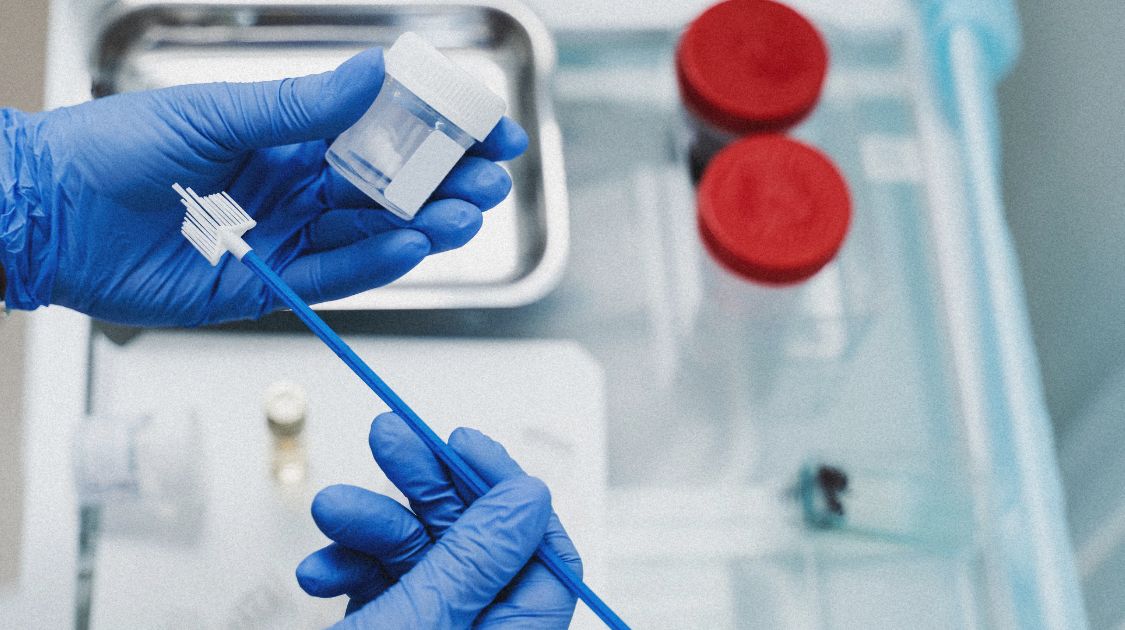
During the smear, the doctor uses a small brush or spatula to collect cells from the mucous membrane of the cervix. The sample is microscopically examined in the laboratory by specialized cytologists: Do the cells look healthy, or do they show signs of dysplasia, i.e., cell changes?
Since the introduction of the Pap test in the 1950s and 1960s, deaths from cervical cancer have significantly decreased in countries with screening programs. The test is considered one of the most successful examples of medical prevention ever.
What the PAP test can and cannot do
The PAP test is a powerful tool, but not a miracle cure. It's worth knowing both sides.

Supports immune system & hormonal balance
16 physician-selected micronutrients that can contribute to a normal immune system and hormonal health. 100% vegan, laboratory tested in Germany.
€65,00

Hormone consultation with our medical team
Do you have questions about your Pap test result or other hormonal topics? In a free 15-minute consultation, our doctors will personally help you.
Frequently Asked Questions about the Pap Test
What is a Pap test?
Does the Pap test hurt?
Wie gefährlich ist Pap IIID wirklich?
Was tun bei einem auffälligen PAP-Befund?
Muss ich den PAP-Test machen, obwohl ich gegen HPV geimpft bin?
Scientific Sources
- Robert Koch Institute (2023). Cancer in Germany for 2019/2020 (14th edition). Berlin: RKI.
- Federal Joint Committee (2020). Program for early detection of cervical cancer (organized screening). G-BA, Berlin.
- Guideline Program in Oncology (AWMF, DKG, DKH) (2020). S3-Guideline Prevention of Cervical Cancer, Version 1.1 (AWMF Register No. 015/027).
- Cancer Information Service, German Cancer Research Center (2025). Pap and CIN: Precursors of cervical cancer.
- American College of Obstetricians and Gynecologists (2021). Updated Cervical Cancer Screening Guidelines. Washington, DC.
- World Health Organization (2021). WHO guideline for screening and treatment of cervical pre-cancer lesions for cervical cancer prevention (2nd ed.). Geneva: WHO.
About the Author

You might also be interested in this.

HPV is more common than many women think and often disappears on its own. Learn how your immune system fights HPV and how you can support it.

After the same meal, women release two to three times as much GLP-1 as men. What this means, which foods have actually increased secretion in human studies, and which popular tips do not stand up t...

If your hormones are out of balance, it can have serious consequences, from menstrual and skin problems to infertility. Here you'll learn what you can do to restore your hormones to balance.