


Offer ends in10:00

Cart

Your cart is empty

Continue shopping

Trending searches

Featured products

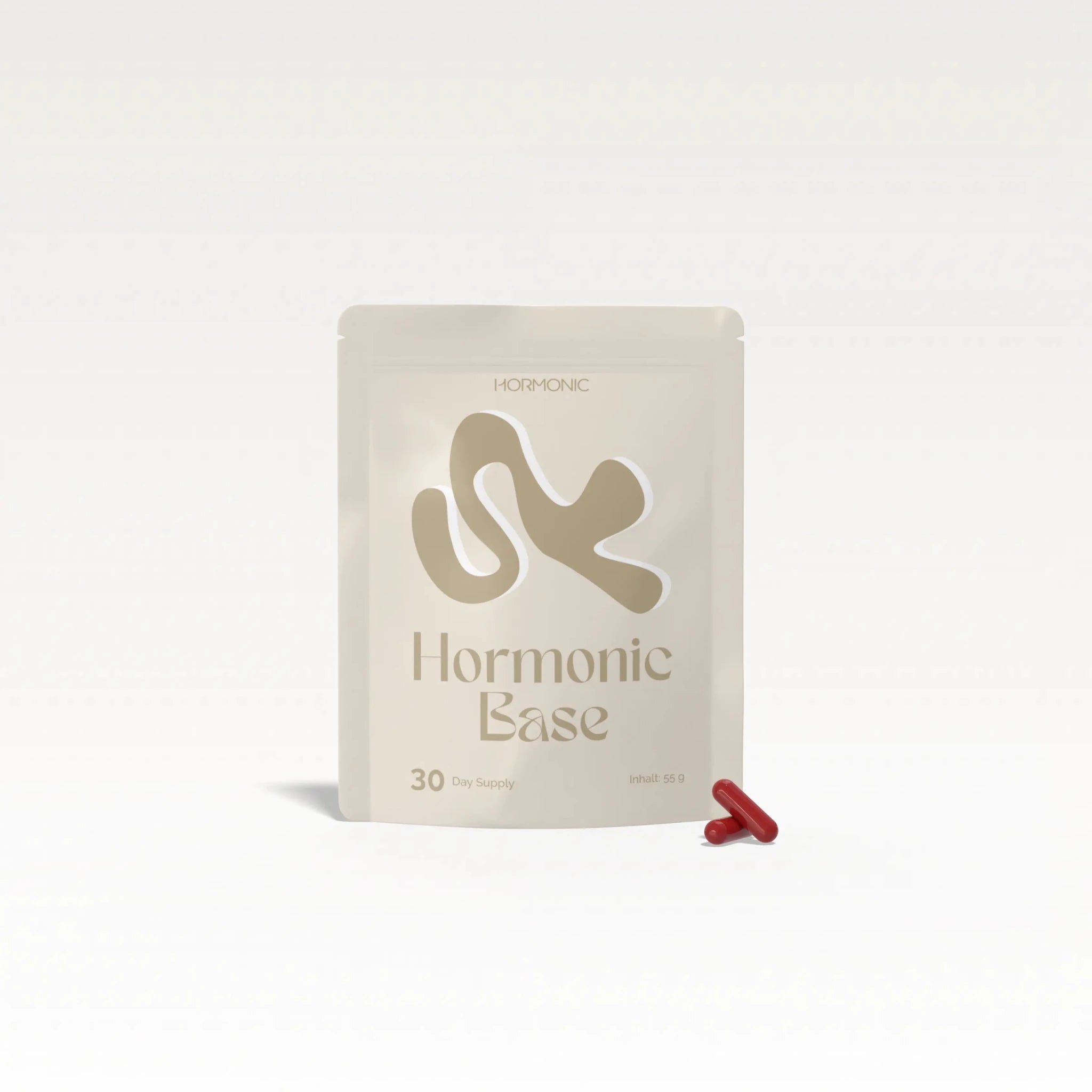
Hormonic Base - Hormonic - Nahrungsergänzungsmittel
Sale price€65,00
(5.0)
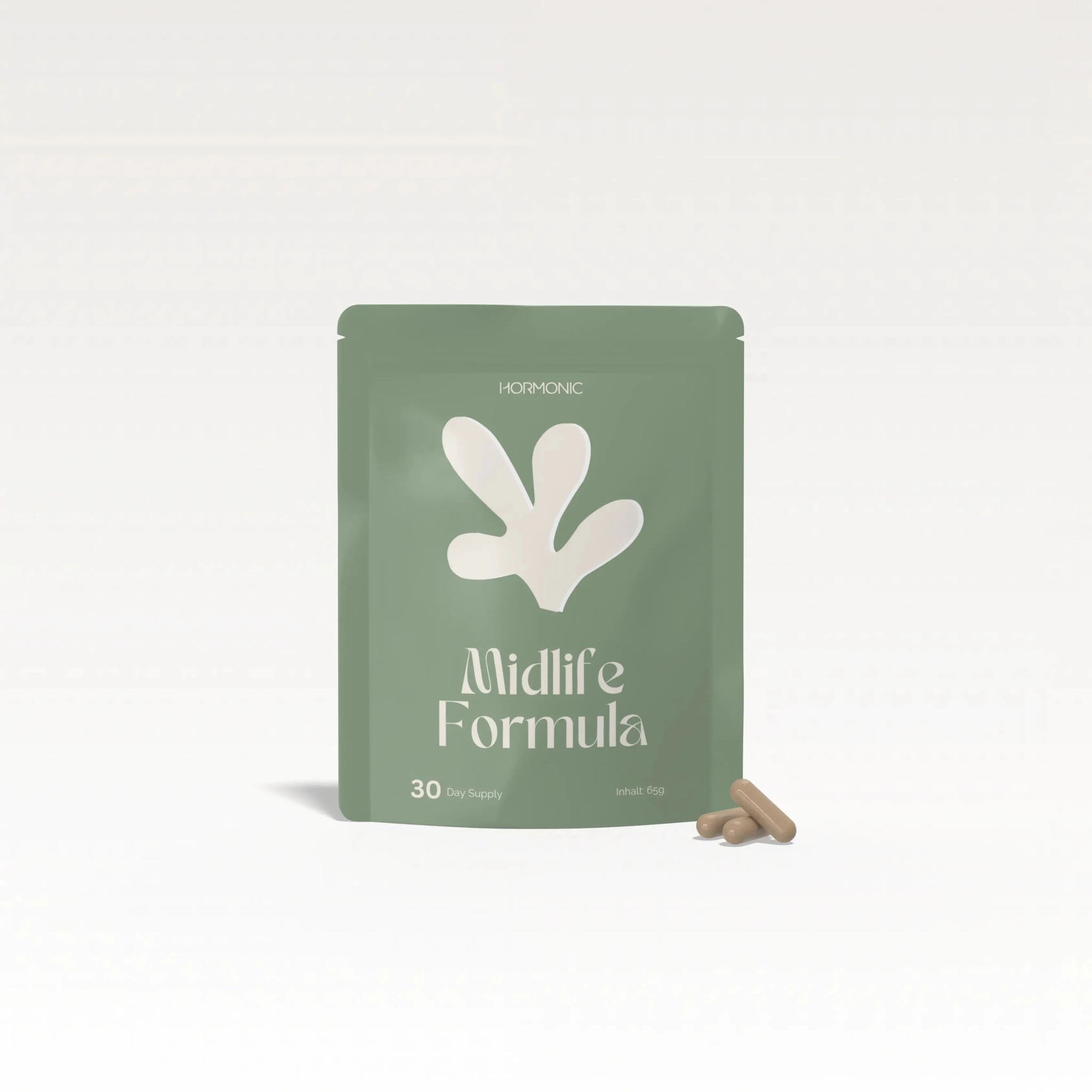
Midlife Formula - Hormonic - Nahrungsergänzungsmittel
Sale price€75,00
(5.0)
Erholung nach der Bauchspiegelung bei Endometriose: Frau ruht mit Decke auf dem Sofa, Hand auf dem Bauch
EndometrioseOct 14, 202613 min read

Laparoscopy for endometriosis: procedure, recovery, and risks

This article is part of: Endometriosis: Symptoms, Causes, and What Really Helps

Many women bring a list like this to our initial consultations before their laparoscopy. At the very top: "Will I be in pain afterwards?" At the very bottom, in small print: "What if they don't find anything?" In between, twenty more questions, of which perhaps five fit into the pre-surgery consultation.

These lists are the reason for this article. A laparoscopy for endometriosis is a big step for most women, often after years of pain. The better you know what to expect, the calmer you will feel going in. The medical decisions are made by your treating team, but you are welcome to bring questions about them. Here are the answers to the most common ones.

When is a laparoscopy for endometriosis useful?

Today, a laparoscopy is primarily useful when symptoms persist despite treatment, there is a risk of organ damage (e.g., to the ureter or bowel), or difficulty getting pregnant needs to be investigated, and ideally treatment then happens during the same procedure. It is no longer the first step for diagnosis alone.

The German S2k guideline from 2025 stipulates that transvaginal ultrasound should be the first diagnostic procedure, supplemented by an MRI if necessary (Burghaus et al., 2026). Ovarian cysts and deep lesions can often be detected well this way. Small lesions on the peritoneum, however, often remain invisible on ultrasound, which is precisely why laparoscopy remains important. The European guideline advises considering it if imaging is unremarkable or medication does not help (ESHRE, 2022). You can read about the entire path to diagnosis in our article on endometriosis diagnosis.

Whether surgery alleviates pain more effectively overall than a purely diagnostic laparoscopy is unclear according to a Cochrane review; the data is very uncertain. For women trying to conceive, however, surgical treatment likely increased the chance of an ongoing pregnancy (odds ratio 1.89; three studies, 528 women) (Bafort et al., 2020). Whether surgery is the right path for you is something you will decide together with your team.

Laparoscopy for endometriosis: the process at a glance

The process usually follows a set rhythm, from the consultation to the follow-up several weeks later. The times are a rough guide, and your team will give you the rules that apply to you.

Phase What happens What you can do
Before surgery Consultation for surgery and anesthesia; if deep endometriosis or ovarian cysts are suspected, ultrasound of the kidneys Write down questions, list all medications and supplements, arrange for someone to pick you up
Surgery day Arrive fasting, general anesthesia, procedure lasting about 30 minutes to several hours Wear comfortable clothes, have a hot water bottle ready at home
Day 1 to 3 Wound pain, bloating, shoulder pain from the gas Pain medication as scheduled, gentle walking, heat
Week 1 to 2 Wounds heal, wound pain subsides, results of the tissue biopsy are usually available Attend follow-up appointment, discuss findings
Week 3 to 6 Internal recovery, depending on the procedure and clinic Lifting, baths, sauna, and exercise as instructed by your team

Whether you have outpatient surgery or stay in the hospital for a few days depends primarily on the extent of the procedure. For an outpatient procedure, you need an adult to pick you up and stay with you for the first night, and you must not drive for 24 hours. For deep endometriosis with bowel or bladder involvement, an inpatient stay is the rule.

The best preparation for a laparoscopy is not a list of answers but a list of your own questions.
What does a laparoscopy for endometriosis involve?

A laparoscopy is performed under general anesthesia: the abdomen is slightly distended with carbon dioxide, a camera is inserted through the belly button, and instruments are inserted through two to three additional small incisions. Afterward, the entire abdominal cavity is systematically examined, and any lesions found are removed if possible.

Anesthesia and access

After induction of anesthesia, carbon dioxide is introduced into the abdominal cavity via a fine needle at the belly button. This creates space so that the organs are clearly visible. The incisions are usually only 0.5 to 1 centimeter in size. The clinical guideline defines minimally invasive surgery as the standard because, compared to an open abdominal incision, it takes less time, is associated with less blood loss, and means a shorter hospital stay (Burghaus et al., 2026).

What happens inside the abdomen

The team examines all areas according to a set routine: the upper abdomen, bowel, bladder, uterus, ovaries and fallopian tubes, the pelvic wall, and the space behind the uterus. Findings are documented with photos. Lesions on the peritoneum can be excised or cauterized. According to the guideline, both procedures are considered equivalent, but excision has the advantage that the tissue can be examined. In a study of 103 women, pain levels after 12 months did not differ between the two methods (Bafort et al., 2020).

If a chocolate cyst is present

If a cyst is found on the ovary, a so-called endometrioma, the European guideline recommends removing it along with its capsule rather than just opening and cauterizing it, because it is then less likely to recur (ESHRE, 2022). However, healthy ovarian tissue is also lost in the process: in a meta-analysis, the AMH level, a marker for ovarian reserve, dropped by an average of 39.5% after unilateral surgery and by 57% after bilateral surgery (Younis et al., 2019). For this reason, the decision is weighed especially carefully if you are trying to conceive.

In cases of deep endometriosis

If lesions are situated deep in the tissue, such as on the bowel, bladder, or ureter, the procedure is significantly more extensive and often lasts several hours. The guideline then recommends removing all lesions as completely as possible if the expected benefit outweighs the risks to the bladder, bowel, and sexual function. Such operations should be in experienced hands, usually at a certified endometriosis center that collaborates with bowel surgery and urology departments.

How long does a laparoscopy for endometriosis take?

A laparoscopy for endometriosis lasts about 30 minutes for diagnosis alone, up to two hours with treatment, and several hours in cases of deep endometriosis involving the bowel or bladder. How long it will take in your case depends on what is found and treated.

A purely diagnostic laparoscopy with small tissue biopsies is over quickly. If several lesions are removed or a cyst is excised, the procedure takes longer. In cases of deep endometriosis, teams from bowel surgery or urology sometimes join, and then the procedure takes several hours. Because the extent is often only revealed during the operation, your team can usually only give you a range beforehand. Added to this is the time for anesthesia, the recovery room, and monitoring. So keep the whole day of surgery free and arrange for someone to pick you up, even if an outpatient procedure is planned.

What are the risks of a laparoscopy for endometriosis?

How frequent complications are in a simple laparoscopy is difficult to determine from studies because complications have often been insufficiently recorded. What is clear is that the risk increases with the extent of the operation.

General risks include bleeding, infections, injuries to adjacent organs, and risks associated with anesthesia. Better data are available for major bowel surgeries in deep endometriosis: in 19 expert centers involving 937 women, severe complications occurred in 5.1% of cases. They occurred most frequently when a piece of the bowel had to be removed (7.8%), and less frequently during smaller interventions on the bowel (2.7% to 3.7%) (Hudelist et al., 2022). Feel free to ask your team specifically how often they perform a procedure like yours and what the results are.

What happens with the findings?

The removed tissue is examined histologically, and the result is usually available after about a week. Together with the surgical report, this forms the basis for your further treatment.

In Germany, the extent of endometriosis is described using the #Enzian classification, often supplemented by the rASRM score. Important to know: according to the guideline, neither provides any information about how severe your pain is or what the next steps will be (Burghaus et al., 2026). A "small" finding therefore does not mean that your symptoms should be minor.

Endometriosis can return after surgery. A widely cited review indicates approximately 21.5% recurrence after two years and 40 to 50% after five years, although definitions vary (Guo, 2009). Subsequent hormone therapy significantly reduced the risk of recurrence in a meta-analysis of 14 studies involving 1,766 women (relative risk 0.41); depending on the initial risk, this meant about one fewer relapse per 10 to 16 treated women (Zakhari et al., 2021). The guideline states that long-term hormone therapy extends the recurrence-free interval and that in the event of renewed symptoms, medication should be considered before further surgery, unless there are compelling reasons such as impending organ damage.

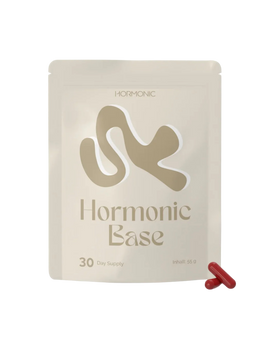
Hormonic Base: Your daily essential support

A balanced diet remains the foundation even around the time of surgery; a dietary supplement can complement it. Hormonic Base combines 16 micronutrients, including zinc and selenium, which help protect cells from oxidative stress, and vitamin D, which contributes to the normal function of the immune system. It does not replace aftercare or hormone therapy, and you should consult your team regarding when to pause and restart.

Discover Hormonic Base

How do you prepare for a laparoscopy?

You are well prepared if you have written down your questions, declared all medications and dietary supplements, and organized the time after the surgery. Your team will handle the rest with clear instructions.

In the pre-operative consultation, the surgeon will explain what is planned and what may happen in the event of an unexpected finding, such as an intervention on the bowel or bladder. The anesthesia team will discuss fasting and your medications. It is essential to declare blood-thinning medications, including over-the-counter aspirin. Typically, you should not eat anything for about six hours before the surgery; depending on the clinic, clear liquids may be allowed shortly before. For planned bowel surgeries, bowel preparation may be required. These questions will help you during the consultation:

  • What exactly is planned, and what happens if more is found than expected?
  • Will tissue be excised or cauterized, and will it be examined?
  • How long will I stay, and when can I return to work?
  • What does the procedure mean for my fertility?
  • Is hormone therapy advisable afterward?

Dietary supplements before surgery: always declare them

Many women take dietary supplements for endometriosis, and this must be mentioned in the preliminary consultation. An expert consensus on pre-operative preparation states that there are few disadvantages to temporarily pausing non-essential herbal supplements before surgery (Cummings et al., 2021). For some substances such as curcumin or vitamin E, an effect on blood coagulation is discussed in higher doses. Therefore, bring a complete list, including multi-nutrient supplements such as Hormonic Base, and clarify with your team whether, when, and for how long you should pause and when you may start again.

Prepare your mind as well

Being nervous before an operation is normal. In a Cochrane analysis of over 100 studies, psychological preparation, such as detailed information on the procedure and relaxation exercises, was associated with slightly less pain after surgery and a hospital stay that was on average half a day shorter. The data is not highly conclusive, but there were no indications of disadvantages (Powell et al., 2016).

Recovery and sick leave after a laparoscopy

After a minor laparoscopy, many women feel capable of daily activities again after a few days; after major procedures, recovery takes several weeks. After minor interventions, sick leave often includes the hospital stay plus up to a week; after extensive surgeries, it is significantly longer. The exact duration is determined by your clinic or doctor's office.

Shoulder pain and bloating usually subside after about two days; wound pain can last for one to two weeks. Painkillers according to your clinic's plan, warmth, and gentle walking help. The rules for the period afterward vary depending on the clinic and procedure: a leaflet from the University Hospital Münster specifies six weeks without full baths, saunas, lifting over 6 kg, and intensive sports; other sources specify three to four weeks without lifting over 5 kg. The instructions of your team are the decisive factor. Your team will tell you when sex and tampons are okay again. If rehabilitation makes sense after major surgery, it is worth bringing up the application before the procedure.

To get the bowel moving again after anesthesia, there are two simple, well-researched aids. In a meta-analysis following gynecological laparoscopies, the first passage of gas occurred a good four hours earlier with chewing gum, although this did not change the length of the hospital stay (Tuscharoenporn et al., 2024). In a randomized study after hysterectomies via laparoscopy, they occurred after a median of 19 instead of 25 hours with three cups of coffee a day, and bowel paralysis occurred less frequently (Güngördük et al., 2020). Ask your team when you are allowed to drink and chew.

When to contact your clinic right away

Fever or chills, unusually heavy bleeding, new or increasing abdominal pain, shoulder or abdominal pain that gets worse instead of better after a few days, persistent nausea or vomiting, reddened or weeping wounds, circulatory problems, shortness of breath, chest pain, a swollen, painful leg, or problems with urination or bowel movements after discharge are reasons to contact your clinic or go to the emergency room right away. Better too early than too late.

Laparoscopy for endometriosis and fertility

If you are trying to conceive, a laparoscopy can improve your chances, but it requires particularly careful planning, especially if the ovaries are affected. It is important to address this topic openly even before the surgery.

Surgical treatment likely increased the chance of an ongoing pregnancy according to Cochrane data (Bafort et al., 2020). At the same time, the removal of ovarian cysts can reduce your ovarian reserve, which is why surgery here is performed with particular care. After the procedure, a scoring system, the Endometriosis Fertility Index, helps in deciding whether trying naturally or fertility treatment makes more sense (ESHRE, 2022). According to ESHRE, hormone therapy after surgery should not be given with the sole goal of improving the chances of pregnancy. You can read more about this in our article on Endometriosis and fertility.

Where you can have surgery

A laparoscopy for diagnostic purposes can take place in many gynecological clinics. After two hormone therapies without sufficient effect, the guidelines stipulate a re-evaluation in a specialized facility. For major interventions involving deep endometriosis, an experienced center is advisable. In Germany, the Stiftung Endometriose-Forschung (Endometriosis Research Foundation) certifies medical practices, clinics, and centers in several stages. You are entitled to seek a second opinion before consenting to a major procedure.

Micronutrients in the recovery phase: what is proven

After the surgery, the focus is on aftercare and, if necessary, hormone therapy; a balanced diet remains the foundation. Dietary supplements can complement this, but they do not replace aftercare or hormone therapy. It has not been proven that micronutrients prevent the recurrence of endometriosis.

What can be said, regardless of endometriosis: Zinc and selenium contribute to protecting cells from oxidative stress, and vitamin D contributes to the normal function of the immune system. For vitamin D, however, a systematic review showed no clear effect on endometriosis pain (Kalaitzopoulos et al., 2022). NAC was studied in a non-controlled trial with 120 women (Anastasi et al., 2023), and coenzyme Q10 has so far only been studied in animal experiments. If you want to know which nutrients have been studied most, take a look at our overview of the best supplements for endometriosis.

If you would like to organize questions for your next appointment before or after the procedure, for example regarding your cycle or micronutrients, you can do so in a free initial consultation. Your treating team will answer all questions about the operation itself.

For more detailed support, you can go through your dietary supplements before the surgery in our medical hormone consultation via video and prepare a list for the anesthesia team, and after the surgery, you can contextualize nutrition, your cycle, and questions about aftercare. Your surgical team will decide whether and how the operation will be performed.

At a glance

  • Bring your list of questions and a complete list of all medications and supplements to the preliminary consultation.
  • Plan for up to a week of recovery after minor procedures, and several weeks after major ones.
  • Discuss the findings and any potential hormone therapy at your follow-up appointment.

Questions before your surgery date?

Before a laparoscopy, more questions often arise than there is time for in a consultation. In our free 15-minute initial call, we help you organize them and provide context on your cycle and micronutrients for the time before and after the procedure. All decisions regarding the surgery, including whether and when to pause supplements, remain with your medical team.

Book your free initial consultation

Conclusion

The role of laparoscopy has changed: it is no longer the first step in diagnosis, but primarily a procedure used for both diagnosis and treatment. For persistent pain, threatened organ damage, or difficulty getting pregnant, it remains an important part of care.

Knowing what happens before, during, and after the procedure will help you feel calmer. Clarify any questions during your preliminary consultation, disclose all supplements, plan for a realistic recovery period, and, if you are not currently trying to conceive, discuss hormone therapy after the surgery to reduce the risk of recurrence. You can find an overview of all treatment options in our Endometriosis Guide.

Frequently asked questions about laparoscopy for endometriosis

Is a laparoscopy useful for endometriosis?

Yes, if symptoms persist despite treatment, if there is a risk of organ damage to the bowel or ureter, if difficulty getting pregnant needs to be investigated, or if imaging remains unremarkable despite symptoms. According to the current S2k guideline (2025), ultrasound is the first diagnostic step. A laparoscopy is particularly useful if lesions can be removed during the same procedure.

How long do you stay in the hospital after a laparoscopy for endometriosis?

Minor procedures are often possible on an outpatient basis or with a one-night hospital stay. In cases of deep endometriosis involving the bowel or bladder, you will usually stay for several days. How long your stay will be depends on the extent of the surgery and will be clarified during the preliminary consultation.

How painful is endometriosis surgery?
You won't feel anything during the operation thanks to general anesthesia. Afterward, wound pain, bloating, and shoulder pain from the gas are common. Shoulder pain affects 35 to 80% of patients and usually subsides after about two days, while wound pain can last one to two weeks. Talk to your team beforehand about your pain management plan.
How long is sick leave after a laparoscopy?
After a smaller laparoscopy, sick leave often covers the hospital stay plus up to one week. After extensive surgery, for example on the bowel, recovery takes several weeks. The exact duration is set by your clinic or your gynecologist, depending on the procedure and your job.

Scientific Sources

  • Burghaus S, Schäfer SD, Ulrich UA, et al. (2026). Diagnosis and Therapy of Endometriosis. Guideline of the DGGG, OEGGG and SGGG (S2k-Level, AWMF Registry No. 015/045, April 2025). Geburtshilfe und Frauenheilkunde 86(2):133-188. doi:10.1055/a-2760-4867
  • DGGG, OEGGG, SGGG (2025). S2k Guideline: Diagnosis and Therapy of Endometriosis. AWMF Registry No. 015/045, Version 5.1. register.awmf.org/de/leitlinien/detail/015-045
  • Becker CM, Bokor A, Heikinheimo O, et al. (2022). ESHRE guideline: endometriosis. Human Reproduction Open 2022(2):hoac009. doi:10.1093/hropen/hoac009
  • Bafort C, Beebeejaun Y, Tomassetti C, Bosteels J, Duffy JMN (2020). Laparoscopic surgery for endometriosis. Cochrane Database of Systematic Reviews 10:CD011031. doi:10.1002/14651858.CD011031.pub3
  • Zakhari A, Delpero E, McKeown S, et al. (2021). Endometriosis recurrence following post-operative hormonal suppression: a systematic review and meta-analysis. Human Reproduction Update 27(1):96-107. doi:10.1093/humupd/dmaa033
  • Younis JS, Shapso N, Fleming R, Ben-Shlomo I, Izhaki I (2019). Impact of unilateral versus bilateral ovarian endometriotic cystectomy on ovarian reserve: a systematic review and meta-analysis. Human Reproduction Update 25(3):375-391. doi:10.1093/humupd/dmy049
  • Deng X, Li H, Wan Y, Lin X (2023). Pulmonary recruitment maneuver reduces the intensity of post-laparoscopic shoulder pain: a systematic review and meta-analysis. BMC Anesthesiology 23:155. doi:10.1186/s12871-023-02107-y
  • Hudelist G, et al. (2022). Rates of severe complications in patients undergoing colorectal surgery for deep endometriosis: a retrospective multicenter observational study. Acta Obstetricia et Gynecologica Scandinavica 101(10):1057-1064. doi:10.1111/aogs.14418
  • Cummings KC 3rd, et al. (2021). Preoperative Management of Surgical Patients Using Dietary Supplements: SPAQI Consensus Statement. Mayo Clinic Proceedings 96(5):1342-1355. doi:10.1016/j.mayocp.2020.08.016
  • Kalaitzopoulos DR, Samartzis N, Daniilidis A, et al. (2022). Effects of vitamin D supplementation in endometriosis: a systematic review. Reproductive Biology and Endocrinology 20:176. doi:10.1186/s12958-022-01051-9
  • Anastasi E, Scaramuzzino S, Viscardi MF, et al. (2023). Efficacy of N-Acetylcysteine on Endometriosis-Related Pain, Size Reduction of Ovarian Endometriomas, and Fertility Outcomes. International Journal of Environmental Research and Public Health 20(6):4686. doi:10.3390/ijerph20064686
  • University Hospital Münster, Department of Gynecology. Discharge Leaflet after Laparoscopy. ukm.de
  • Dortmund Hospital. Patient Information: Laparoscopy. klinikumdo.de
  • Endometriosis Association Germany. Treatment. endometriose-vereinigung.de/behandlung
  • Guo SW (2009). Recurrence of endometriosis and its control. Human Reproduction Update 15(4):441-461. doi:10.1093/humupd/dmp007
  • Powell R, Scott NW, Manyande A, et al. (2016). Psychological preparation and postoperative outcomes for adults undergoing surgery under general anaesthesia. Cochrane Database of Systematic Reviews CD008646. doi:10.1002/14651858.CD008646.pub2
  • Tuscharoenporn T, et al. (2024). Effects of Postoperative Gum Chewing on Recovery of Gastrointestinal Function Following Laparoscopic Gynecologic Surgery: A Systematic Review and Meta-Analysis. Journal of Clinical Medicine 13(10):2851. doi:10.3390/jcm13102851
  • Güngördük K, et al. (2020). Coffee consumption for recovery of intestinal function after laparoscopic gynecological surgery: a randomized controlled trial. International Journal of Surgery 82:130-135. doi:10.1016/j.ijsu.2020.08.016

About the Author

Lisa Maria Emmer

Lisa Maria Emmer

Founder · Physician · Hormonic

Lisa Maria Emmer is co-founder and medical director at Hormonic. She supports women with hormonal problems every day and specializes in cycle health, PCOS, and menopause.

Note: This article is based on current guidelines and scientific work (as of 2026). It is for informational purposes only and does not replace medical advice, diagnosis, or treatment.

Share

You might also be interested in this.

Endometriose-Diagnose: Symptome, Ablauf und Blutwerte - Hormonic
DiagnostikJun 4, 20268 min read
Endometriosis Diagnosis: Symptoms, Process, and Blood Values

How endometriosis is diagnosed: typical warning signs, the process according to the new 2025 guideline, and what blood and hormone values really say.

Endometriose und Kinderwunsch: Chancen und was wirklich hilft - Hormonic
EndometrioseJun 21, 202611 min read
Endometriosis and Desire to Have Children: Chances and What Really Helps

Endometriosis and the desire to have children are not mutually exclusive. How the disease affects fertility, what the chances are, and what truly helps according to guidelines and research.

Endometriose-Test vorbereiten: Frau notiert ihre Beschwerden in einem Notizbuch, daneben Tee und Wärmflasche
EndometrioseOct 14, 20269 min read
Endometriosis test: What a self-test can and cannot do

There is no endometriosis test that reliably confirms the condition. However, a 12-question self-test can help you organize your symptoms and prepare well for your appointment with your gynecologist.