
Cart

Your cart is empty

Continue shopping

Trending searches

Featured products

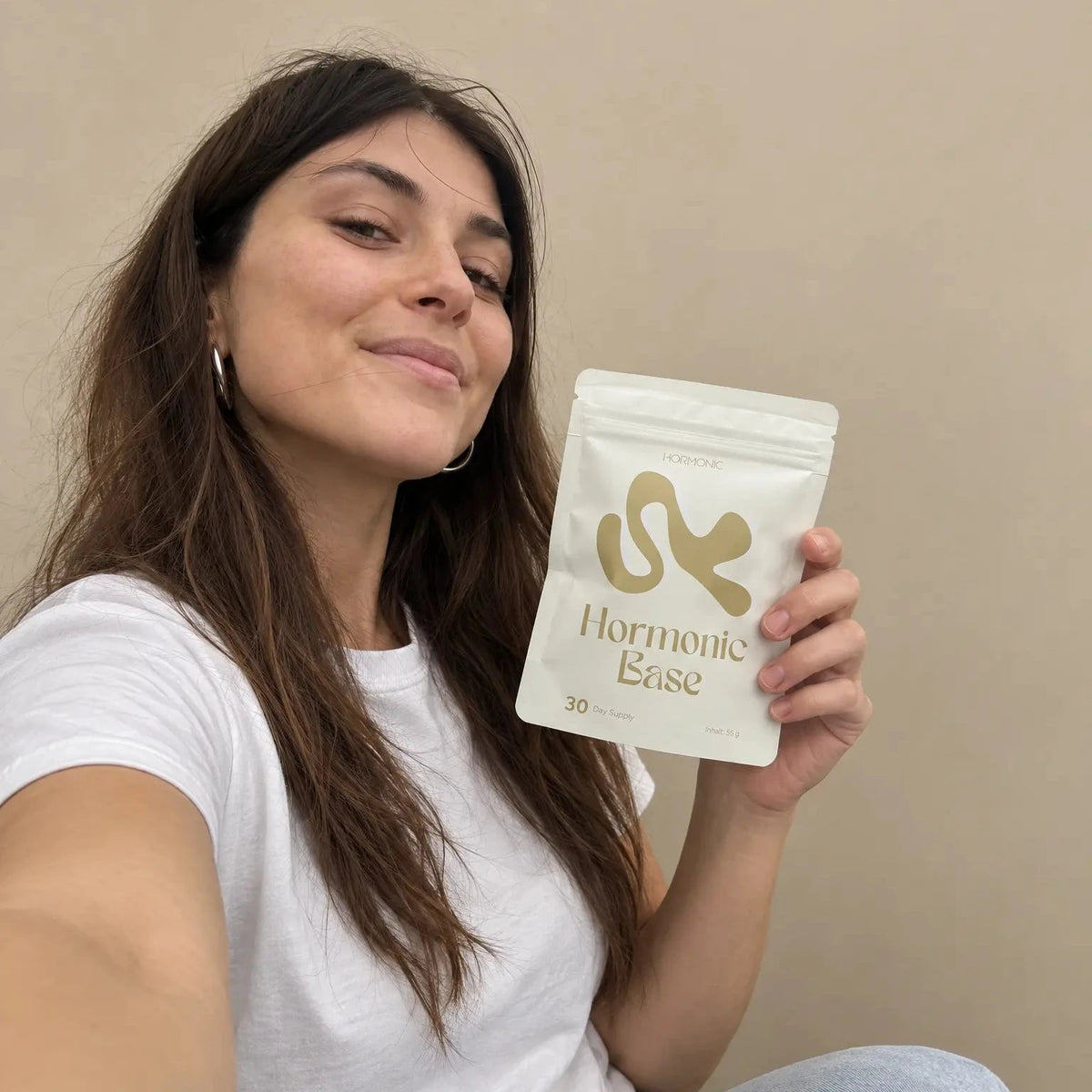
Hormonic Base - Hormonic - Nahrungsergänzungsmittel
Sale price€65,00
(5.0)
Midlife Formula - Hormonic - Nahrungsergänzungsmittel
Sale price€75,00
(5.0)
Blähbauch bei Frauen: Ursachen und was wirklich hilft - Hormonic
ZyklusJul 19, 20268 min read

Bloating in Women: Causes and What Really Helps

Flat in the morning, six months pregnant by evening: A bloated belly is part of many women's daily lives. This article honestly explains why it's often not just air, why women are particularly affected, and what really helps, instead of just selling detox tea.

Key Takeaways

  • Bloating is common and usually harmless, and it's often less about air than assumed, but rather a reaction of the abdominal muscles and diaphragm.
  • Women are particularly affected: in the second half of the cycle, progesterone slows digestion, and during menopause, abdominal discomfort increases.
  • Common causes include gas-producing foods, constipation, irritable bowel syndrome, intolerances like lactose, and stress.
  • The most proven remedies are targeted dietary adjustments, exercise after meals, and peppermint oil for IBS. More fiber can also backfire.
  • Persistent, newly occurring bloating that doesn't go away should be medically investigated.

As someone who struggled daily with irritable bowel syndrome and stomach problems for many years, I know how much a bloated belly can affect you: You feel uncomfortable, your pants pinch, cramps and pain often accompany it, and you'd rather just stay in bed. That's why I want to honestly explain what might be behind it, why we women are so often affected, and what actually helps, without panic and without expensive miracle cures.

Did you know?

A visibly bloated belly often isn't caused by more gas in the intestines at all. Measurements show that the diaphragm frequently lowers and the abdominal wall bulges forward, even when the gas volume is normal. So the belly bloats without much gas actually being present.

Bloating is not always gas in the stomach

An important and often overlooked point right at the beginning: The feeling of being bloated and a visibly distended belly are two different things. The feeling of fullness and pressure primarily arises because the intestine becomes more sensitive to completely normal amounts of gas and contents. And the visibly bulging belly is often a kind of reflex: The diaphragm pushes downwards, the abdominal wall relaxes and bulges forward, even without there actually being more air involved. The good news is: The famous statement that it's all just trapped air is often not true, and that takes some of the fear out of the topic.

Why women are particularly affected

This is the point that is missing in most guidebooks. In the second half of the cycle, after ovulation, progesterone levels rise, which relaxes smooth muscles, including those of the intestines. Digestion slows down, leading to easier constipation and a bloated feeling. Just before the period, this often reverses: messengers that contract the uterus also stimulate the intestines, leading to softer stools and cramps. During menopause, many women report increasing digestive problems, and irritable bowel syndrome is about twice as common in women as in men anyway.

It's important to make an honest distinction here: Premenstrual bloating has two faces. One part is actual water retention in the tissues, and another part is a slower, gassier intestine. Both feel like a swollen belly but have different causes and solutions. You can read more about the water component in the article on water retention before your period.
The most common causes at a glance

Besides the menstrual cycle, there are a number of triggers that can act together or individually. At the forefront is diet: highly fermentable carbohydrates from legumes, cabbage, onions, or wheat, as well as carbonated drinks and sugar substitutes like sorbitol in sugar-free products. Hasty eating, which involves swallowing a lot of air, and large, fatty meals also distend the abdomen. A very common, often underestimated cause is simply constipation. In addition, irritable bowel syndrome, intolerances such as lactose or fructose intolerance, the interaction of the gut and psyche under stress, and a generally sensitive perception in the abdomen can contribute. If bloating occurs together with headaches or skin reactions, histamine intolerancemay also play a role.

A word on the much-discussed small intestinal bacterial overgrowth, or SIBO. The issue is real, but it is often overdiagnosed because the usual breath tests are unreliable. Before you rush into a SIBO diagnosis, it's worth addressing the common and simple causes.

What really helps, honestly sorted

The most effective step is to identify your own triggers. For irritable bowel syndrome, a so-called low-FODMAP diet is best documented, where highly fermentable carbohydrates are temporarily reduced and then specifically reintroduced. It is effective but strict, and therefore belongs in the hands of a nutrition professional, not as a long-term diet on your own. Very well documented and wonderfully simple is exercise: Even a walk after eating helps the gut transport gases faster and relieves the feeling of bloating. For irritable bowel syndrome, peppermint oil in enteric-coated capsules has also been well studied.

And now for an honest point that often goes wrong: The advice to simply eat more fiber can backfire. I can attest to that. Too much or the wrong kind of fiber, especially suddenly and in large quantities, can worsen bloating (example: many legumes, large salads, a lot of vegetables). Softer are soluble, slowly fermenting fibers, and it's important to increase the amount slowly. Honesty is also worthwhile with probiotics: For bloating specifically, their benefit according to studies is only weak and strain-dependent; they are not a miracle cure. Anyone suffering from constipation should address it specifically, as this often noticeably relieves abdominal discomfort.

The supplement for gut and metabolism

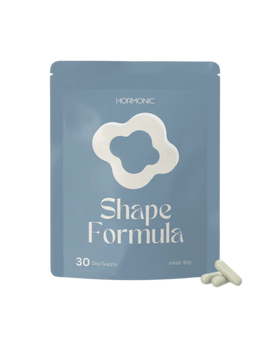
The Shape Formula 10 contains medically formulated active ingredients, including acacia fiber, a soluble, well-tolerated fiber that has been studied for satiety, digestion, and tolerability. In addition, there are other active ingredients related to metabolism. Strictly laboratory-tested and loved by thousands of women.
Discover Shape Formula

What about fiber and anti-bloating remedies?

A lot is sold around bloating, so let's take an honest look. A fiber that is comparatively well-tolerated is acacia fiber, a soluble, slowly fermenting fiber that has been studied for tolerability and satiety and usually produces less gas than, for example, inulin. Acacia fiber is also found in theHormonic Shape FormulaPeppermint oil is being researched for irritable bowel syndrome, but its good effects are primarily as a medicine, not as a random dietary supplement. And magnesium, in higher amounts, has a laxative effect, which can help with constipation-related bloating, even if there is no official statement for this.

Honestly assessed, these are supportive building blocks, not a substitute for the actual levers. On the other hand, you should not expect much from detox teas and anti-bloating cures with big promises, as they usually only work through a mild laxative or dehydrating effect. No dietary supplement treats bloating. The main pillars remain diet, exercise, good stress management, and patience with your own gut.

When you should seek medical advice

Bloating that comes and goes is almost always harmless. However, you should take bloating seriously and have it medically checked if it is new and lasts for about two to three weeks, instead of fluctuating as usual. Important for us women: persistent bloating can, in rare cases, be a sign of an ovarian condition, especially if it occurs together with lower abdominal or pelvic pain, a rapid feeling of fullness when eating, or frequent urination. This is rare, but important enough not to overlook.

You should also have unexplained weight loss, blood in the stool, proven iron deficiency, a newly changed digestion from around 50 years of age, and severe or persistent pain checked. This is no reason to panic, but simply good preventative care. If you are unsure how to classify your bloating or whether it is related to your cycle, you can discuss this in afree initial consultationwith one of our doctors via video call, completely without obligation and comfortably from home.

The duo for optimal nutrient support

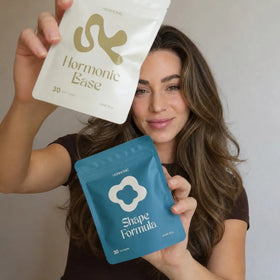
The Shape Bundle combines Hormonic Base and Shape Formula for 26 ingredients and covers your daily basic needs, with micronutrients that support central processes in the body such as metabolism, digestion and the nervous system, plus the gentle fiber acacia fiber. Doctor-developed and loved by thousands.

Start now

Conclusion

Bloating is common, usually harmless, and often involves less gas than it feels like. For women, the menstrual cycle plays a role: in the second half, progesterone slows down digestion, and symptoms often worsen during menopause. Furthermore, part of premenstrual bloating is water, not gas, which requires different solutions.

The most effective approaches are identifying personal triggers, exercising after meals, a careful approach to fiber, and targeted aids like peppermint oil for irritable bowel syndrome. However, you shouldn't expect miracles from detox cures. And if bloating is new and simply won't go away, it's appropriate to see a doctor. With this knowledge, you can approach your gut with much more serenity.

Frequent questions about bloating

Why do women bloat more often than men?

Because several factors come together, not just one. In large studies, women report bloating about twice as often. Reasons include the menstrual cycle (progesterone slows down digestion in the second half of the cycle), a naturally somewhat slower intestine, higher sensitivity in irritable bowel syndrome, which is often more common in women, and the close connection between the gut and stress. The pill can also promote bloating in the short term, and symptoms often increase during menopause.

What quickly helps with a bloated stomach?

Exercise is the fastest and easiest way to find relief: A walk after eating helps the intestines transport gases away. It also helps to reduce gas-producing foods, carbonated drinks and sugar substitutes, to eat slowly, and to address existing constipation. For irritable bowel syndrome, peppermint oil has been well researched. However, an immediate effect is often unrealistic; usually, it requires identifying one's own triggers.

Helfen Ballaststoffe oder Detox-Tee gegen Blähbauch?
Ballaststoffe sind zweischneidig: Sie helfen bei verstopfungsbedingtem Blähbauch, aber zu viele oder die falschen, vor allem plötzlich, können das Aufblähen verstärken. Sanfter sind lösliche Ballaststoffe, langsam gesteigert. Von Detox-Tees und Anti-Bläh-Kuren mit großen Versprechen solltest Du dagegen wenig erwarten, weil sie meist nur leicht abführend oder entwässernd wirken. Kein Nahrungsergänzungsmittel behandelt einen Blähbauch.
Wann ist ein Blähbauch ein Fall für die Ärztin?
Wenn er neu auftritt und über etwa zwei bis drei Wochen anhält, statt zu kommen und zu gehen. Wichtig für Frauen: Ein anhaltendes Aufgeblähtsein kann selten ein Zeichen für eine Erkrankung der Eierstöcke sein, vor allem zusammen mit Unterbauchschmerzen, schnellem Sättigungsgefühl oder häufigem Harndrang. Ebenfalls abklären lassen solltest Du ungewollten Gewichtsverlust, Blut im Stuhl, einen Eisenmangel oder eine neu veränderte Verdauung ab etwa 50 Jahren.

Scientific Sources

  • Moshiree, B., Drossman, D., Shaukat, A. (2023). AGA Clinical Practice Update on Belching, Abdominal Bloating, and Distention. Gastroenterology, 165(3), 791-800. doi:10.1053/j.gastro.2023.04.039
  • Ballou, S. et al. (2023). Prevalence and Associated Factors of Bloating: Rome Foundation Global Epidemiology Study. Gastroenterology. PMC10527500.
  • Lovell, R. M., Ford, A. C. (2012). Effect of Gender on Prevalence of IBS: Systematic Review and Meta-Analysis. Am J Gastroenterol, 107(7), 991-1000. PMID: 22613905
  • Degen, L. P., Phillips, S. F. (1996). Variability of gastrointestinal transit in healthy women and men. Gut, 39(2), 299-305. PMC1383315
  • Meier, R. et al. (1995). Influence of age, gender, hormonal status and smoking on colonic transit time. PMID: 8574912
  • Villoria, A. et al. (2011). Abdomino-phrenic dyssynergia in patients with abdominal bloating and distension. Am J Gastroenterol, 106(5), 815-819. PMID: 21540894
  • Villoria, A. et al. (2006). Physical activity and intestinal gas clearance in patients with bloating. Am J Gastroenterol, 101(11), 2552-2557. PMID: 17029608
  • Black, C. J., Staudacher, H. M., Ford, A. C. (2022). Efficacy of a low FODMAP diet in IBS: systematic review and network meta-analysis. Gut, 71(6), 1117-1126. PMID: 34376515
  • Alammar, N. et al. (2019). The impact of peppermint oil on IBS: a meta-analysis. BMC Complement Altern Med, 19(1), 21. doi:10.1186/s12906-018-2409-0
  • Progesterone Inhibitory Role on Gastrointestinal Motility (2022). PMC9150547.
  • Khalili, H. et al. (2013). Oral contraceptives, reproductive factors and risk of inflammatory bowel disease. Gut, 62(8), 1153-1159. PMID: 22619368
  • Goff, B. A. et al. Ovarian cancer symptom index. PMC2607526.
  • EFSA (2011). Scientific Opinion on health claims related to acacia gum (bowel function, GI discomfort): not substantiated. EFSA Journal, 9(4), 2022. doi:10.2903/j.efsa.2011.2022

About the Author

Lee Paulina Pape

Lee Paulina Pape

Founder · MSc Psychology · Hormonic

Lee is a psychologist (MSc) and co-founder of Hormonic. As CEO, she makes women's hormonal health understandable and accessible.

Note: This article is based on current guidelines and scientific work (as of 2026). It is for informational purposes only and does not replace medical advice, diagnosis, or treatment.

Share

You might also be interested in this.

Wassereinlagerungen vor der Periode: warum Du Dich aufgedunsen fühlst - Hormonic
ZyklusAug 12, 20268 min read
Water retention before your period: why you feel bloated

Why do you feel bloated before your period? An honest explanation: salt and water balance during your cycle, how much is normal, and what helps against water retention.

Histaminintoleranz: Symptome, der Hormon-Zusammenhang und was hilft - Hormonic
MikronährstoffeJul 2, 20269 min read
Histamine Intolerance: Symptoms, the Hormone Connection, and What Helps

Many women experience histamine intolerance cyclically. This article discusses typical symptoms, the role of estrogen and DAO, and what research suggests can help.

Ursachen, Symptome und Behandlungsmöglichkeiten für PMS - Hormonic
ZyklusMay 27, 20269 min read
Causes, symptoms and treatment options for PMS

From symptoms to the real causes and treatment: the evidence-based overview of PMS, including the remedies with the best scientific evidence.